

 Upcoming CarsPopular CarsLatest CarsElectric Cars
Estimate costs and savings with our handy automotive calculators.
Simplify your car ownership journey with our buying, selling, and renewal tools.
Explore additional resources and comparisons for car enthusiasts.
Published : 11 October 2026
Read Time : 5 min
Author: Nikil Jonathan
Selling your used car can be almost as complicated as buying a new one. Once you decide to sell, you generally have 2 options: trade it in at a dealership or sell it directly to another individual.

A trade-in is the easier and faster option. The dealer evaluates your car and deducts its value from the price of the new car you are buying. A private sale, on the other hand, involves finding a buyer yourself and negotiating a price directly with them.
Neither option is universally better. A private sale can help you get a higher price, but it takes more time and effort. A trade-in may offer less money, but it can save you from dealing with listings, enquiries, inspections and negotiations.
Here's everything you need to know before deciding how to sell your used car.
Trade-In Vs. Private Sale: At A Glance
What Is A Trade-In?
A trade-in is when you sell your existing car to a dealer while buying another car from the same dealership or dealer network.
For example, if your new car costs Rs. 12 lakh and the dealer values your old car at Rs. 5 lakh, you effectively need to arrange the remaining Rs. 7 lakh, subject to the financing and transaction structure.
The important thing to remember is that the dealer is buying your car to eventually resell it. Therefore, the dealer has to account for inspection, refurbishment, marketing, holding costs and its own margin when arriving at an offer.
This is why a trade-in offer will generally be lower than what you could potentially get by selling directly to an end customer.
Pros Of Trading In Your Used Car
1. It Is Much More Convenient
The biggest advantage of a trade-in is convenience. You don’t have to create listings, take dozens of photographs, answer enquiries or arrange multiple viewings. The dealer evaluates the car, gives you an offer and handles much of the transaction as part of your new-car purchase.
2. You Can Sell And Buy At The Same Time
A trade-in is convenient if you're replacing your old car with a new one. Instead of selling your old car first and then arranging another purchase, both transactions can be completed around the same time. This also reduces the possibility of being left without a car between the 2 transactions.
3. You Don't Have To Deal With Multiple Buyers
Private buyers can ask for additional photographs, negotiate over relatively minor issues and sometimes back out after inspecting the car. With a trade-in, you deal with the dealer rather than several prospective buyers.
4. Minor Cosmetic Issues May Be Less Of A Concern
Dealers are accustomed to evaluating used cars and can account for normal wear and tear when valuing them. You therefore don’t necessarily have to spend heavily on making an older car look perfect before getting it evaluated.
5. The Transaction Is Faster
If you need to dispose of your old car quickly, a trade-in is difficult to beat. You can get a valuation and potentially complete the transaction as part of your new-car purchase rather than waiting for a private buyer.
Cons Of Trading In Your Used Car
1. You May Get Less Money
This is the biggest drawback. A dealer needs to leave enough room between the price at which it buys your car and the price at which it eventually sells it. Consequently, its offer is generally below the price you could target in a private sale.
2. The Dealer Controls The Valuation
The dealer will consider factors such as age, kilometres driven, condition, service history, accident history, tyre condition and market demand. You may believe your car is worth more based on online listings, but asking prices are not necessarily the same as actual transaction prices.
3. A Higher New-Car Discount Can Complicate The Comparison
Don’t look at the trade-in value in isolation. A dealer may offer a strong exchange value while giving you a smaller discount on the new car. Another dealer may offer a lower exchange value but a bigger discount on the new car.
Always compare the final amount you pay for the new car after accounting for the trade-in and all discounts.
4. You Have Less Control Over The Selling Price
With a private sale, you can decide your asking price and negotiate directly with the buyer. With a trade-in, the dealer's valuation largely determines how much you get for the old car.
What Is A Private Sale?
A private sale involves selling your car directly to another individual rather than selling it to a dealer. You decide the asking price, create the listing, speak to prospective buyers, arrange inspections and negotiate the final price. You also need to make sure the required ownership and insurance paperwork is completed correctly.
The main advantage is simple: you cut out the dealer as the middleman.
Pros Of Selling Your Car Privately
1. You Can Potentially Get More Money
A private buyer is purchasing the car for personal use rather than buying it to resell it. That means you can target a price closer to the car’s retail market value rather than accepting a dealer's wholesale-style valuation. This is the biggest financial advantage of a private sale.
2. You Control The Asking Price
You decide how much to ask for the car. You can research similar cars based on model, variant, age, kilometres, location and condition before setting a realistic asking price. You can also adjust the price depending on the response you receive from prospective buyers.
3. You Can Explain The Car’s History Directly
As the owner, you know the car better than a dealer does. You can tell prospective buyers about its maintenance history, tyre replacement, battery replacement, long-distance usage and any repairs carried out during your ownership. This can be valuable if you have maintained the car properly and have service records to prove it.
4. You Have More Room For Negotiation
Private buyers and sellers usually negotiate directly. If you receive several enquiries, you can also choose not to accept an offer that you consider too low.
5. You Can Sell Without Buying Another Car
You don’t have to purchase a new car to sell privately. This makes a private sale suitable for someone who is moving to another city, reducing the number of cars in their household or simply wants to dispose of an unused vehicle.
Cons Of Selling Your Car Privately
1. It Takes Time
Selling privately is rarely as quick as handing your car over to a dealer. You need to create the listing, respond to enquiries, schedule inspections and negotiate with potential buyers. A well-priced car may sell quickly, but there is no guarantee.
2. You Have To Deal With Time-Wasters
Not every enquiry will result in a sale. Some prospective buyers may ask for a significant discount before seeing the car, while others may inspect the vehicle and decide not to buy it. You may have to deal with several such enquiries before finding a genuine buyer.
3. You Need To Handle The Paperwork
A private sale requires greater involvement from the seller. You need to ensure that the ownership transfer, insurance-related formalities and other required documents are completed correctly. Most importantly, don’t simply hand over the car and assume that the buyer will complete the transfer later.
4. You Need To Be Careful With Payment
Private transactions require caution when accepting payment. Don’t release the car, keys or original documents based solely on a payment screenshot or a promise that the money will arrive later. Confirm that the money has actually reached your account before handing over the vehicle.
5. You May Need To Arrange An Independent Inspection
A serious buyer may want to have the car inspected by a mechanic or used-car inspection service. This is normal, particularly for an expensive used car. If you have maintained the car well, having service records and inspection reports ready can make the process easier.
Trade-In Vs. Private Sale: Which Gets You More Money?
In most cases, a private sale has the potential to fetch more money because you are selling directly to the end customer. A dealer, meanwhile, has to buy your car at a price that leaves room for its own costs and profit when it resells the vehicle. However, don't assume that the difference will always be large enough to justify a private sale.
For example, imagine you have a car that a dealer is willing to buy for Rs. 5 lakh. If you believe you can sell it privately for Rs. 5.5 lakh, you need to ask whether the additional Rs. 50,000 is worth the time, negotiations and effort involved.
The answer will depend on your circumstances.
The important number isn't simply the highest possible sale price. It is the additional money you actually keep after considering the effort and costs involved in selling privately.
Trade-In Vs. Private Sale: Which Is Faster?
A trade-in is considerably faster. If you are buying a new car, the dealer can evaluate your old vehicle and include its value in the same transaction.
A private sale can take anywhere from a few days to several weeks, depending on the car, asking price, location and demand.
If you need to sell your car within a specific timeframe, the certainty of a trade-in can be worth more than the additional money you might make privately.
Should You Repair Your Car Before Selling It?
Don’t unnecessarily spend a lot of money repairing an old car before selling it. A thorough wash, interior cleaning and basic detailing can make sense. Replacing inexpensive items such as worn-out bulbs or damaged wiper blades may also help.
However, expensive mechanical repairs may not necessarily increase the selling price by the same amount. For example, spending Rs. 50,000 on repairs does not guarantee that the car’s resale value will increase by Rs. 50,000. Instead, disclose known issues honestly and price the car accordingly.
How To Get The Best Trade-In Value
If you decide to trade in your car, don’t accept the first offer without comparison.
Get Multiple Valuations
Ask more than one dealer or used-car buyer to evaluate the vehicle. Offers can vary significantly.
Keep Your Service Records Ready
A complete service history can make it easier to demonstrate that the car has been maintained properly.
Clean The Car
A clean and well-presented car makes a better first impression and allows the evaluator to assess its condition more easily.
Get Your Documents In Order
Keep the registration certificate, insurance documents, service records, spare key and other relevant paperwork ready.
Negotiate The New-Car Deal Separately
If you’re exchanging your car for a new one, try to understand 3 separate numbers:
- New-car price
- Trade-in value
- Discount on the new car
This makes it easier to determine whether the overall deal is actually good.
How To Get The Best Price In A Private Sale
Research Comparable Cars
Check listings for the same model, variant, year and approximate kilometres. Don’t compare your car with a significantly newer or better-equipped version.
Set A Realistic Asking Price
Leave some room for negotiation, but don’t price the car so high that it attracts no serious enquiries.
Take Good Photographs
Photograph the exterior from multiple angles, interior, tyres, wheels, engine bay, odometer and any visible damage. Good photographs can save time by giving buyers a realistic idea of the car's condition before they arrange a viewing.
Be Transparent About The Condition
Mention accidents, repainting, mechanical issues and other relevant details upfront. A buyer discovering a problem during inspection can lead to a much harder negotiation.
Keep The Paperwork Ready
Have the relevant ownership, insurance and service documents ready before advertising the car.
Don't Release The Car Before Confirming Payment
This is one of the most important rules of a private sale. Verify the payment in your own bank account before handing over the vehicle and keys.
Can You Do Both?
Yes. If you’re planning to buy a new car but aren’t in a hurry to sell the old one, you can advertise it privately while simultaneously getting trade-in quotes. This gives you a useful benchmark.
If a genuine private buyer offers a substantially higher amount, you can sell privately. If the best private offer is only marginally higher than the dealer’s offer, the convenience of a trade-in may make more sense.
Conclusion
There is no universally better way to sell a used car. A trade-in is essentially a convenience-first option. You give up some potential resale value in exchange for speed, simplicity and a much easier transaction.
A private sale is a money-first option. You have greater control over the price and can earn more, but you also take on the work of finding a buyer, negotiating, arranging inspections and completing the paperwork.
If you’re buying a new car and the dealer’s exchange offer is close to what you realistically expect to get privately, taking the trade-in may be the smarter choice. If the difference is substantial and you have the time to deal with buyers, a private sale can be worth the extra effort.
The best approach is therefore simple: get a trade-in quote, estimate a realistic private-sale price and compare the actual difference before making your decision.
FAQs
Is it better to trade in a car or sell it privately?
A private sale can fetch more money, while a trade-in is faster and more convenient. The better option depends on whether you prioritise resale value or convenience.
Why do dealers offer less for trade-ins?
Dealers need to account for the cost of preparing, marketing and reselling the vehicle, along with their margin. Therefore, their purchase price is generally below the price they expect the car to command from a retail buyer.
How much more can I get by selling my car privately?
There is no fixed difference. It depends on the car's age, condition, demand, location, service history and the dealer's valuation. Get actual trade-in quotes and compare them with realistic private-sale prices rather than relying on a fixed percentage.
Should I sell my car before buying a new car?
If you don't need the old car immediately and can manage without it, selling privately before buying a new car can give you greater flexibility. However, a trade-in can make the transition much easier.
Should I repair my car before selling it?
Only carry out repairs that are inexpensive and likely to improve the car's presentation or address obvious issues. Expensive repairs may not always increase the resale value by the same amount.
What is the biggest advantage of a private sale?
The biggest advantage is the potential to get a higher price because you are selling directly to the end customer rather than to a dealer who needs room for resale costs and profit.
What is the biggest advantage of a trade-in?
Convenience. You can sell your old car as part of the new-car purchase without having to find and negotiate with a private buyer.
Also Read: BH Number Plate: What It Is, Eligibility, Cost, Rules & Pros/Cons
Helpful Tools:
Fuel Cost Calculator for Cars – Know your monthly fuel expense based on usage and mileage
Car On-Road Price Calculator – Convert ex-showroom to on-road price for any city
Sell Used Car Online – Enter your car and contact details to get an instant price estimate and book a free inspection with our partner network
Did you find this information helpful?

Content Writer
Nikil's a huge fan of classic cars, especially Italian beauties such as the Alfa Romeo Giulia Sprint and the Iso Grifo. His love for cars and bikes originated when he first laid his eyes on a poster of the Ferrari F40 and the MV Agusta F4 when he was just a child. He also loves all things analogue, especially vintage cameras and turntables.
Car News Update
View All Latest News
Made-In-India Renault Kiger Scores 4-Star Global NCAP Safety Rating
The India-made Renault Kiger has secured a 4-star rating for adult occupant protection (AOP) and a 3-star rating for child occupant protection (COP) in the latest Global NCAP crash tests. The SUV tested was manufactured in India for the South African market and came equipped with 6 airbags and electronic stability control (ESC) as standard.
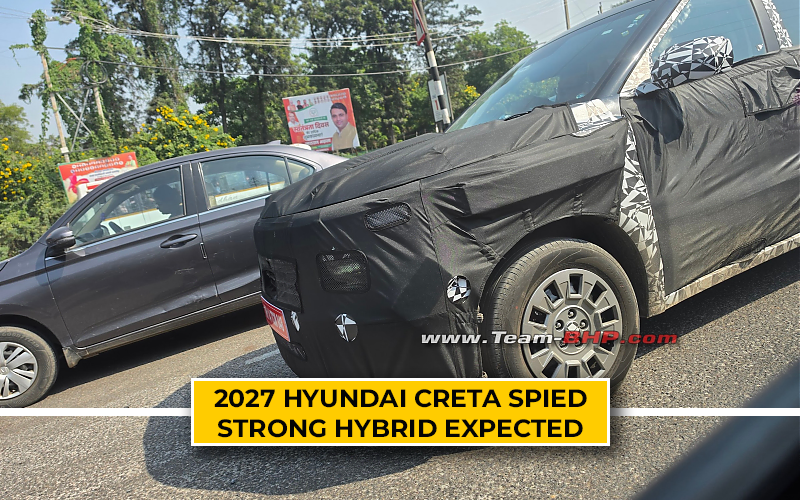
2027 Hyundai Creta Spied – Pleos Connect, Strong Hybrid Powertrain Expected
The next-generation Hyundai Creta was spotted testing in Manalie recently, revealing fresh exterior design details. The 3rd generation Creta will launch in India in April 2027 and is expected to be positioned above the new Bayon 2026.
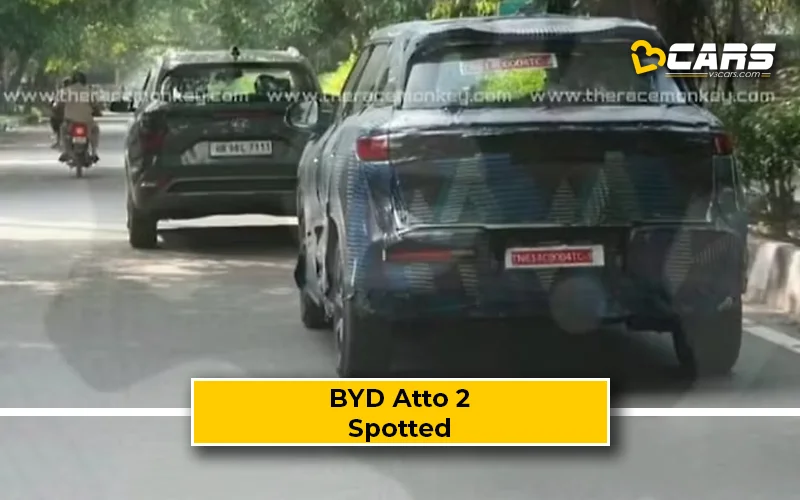
BYD Atto 2 Spied Testing: What We Know So Far About This Electric SUV
BYD looks set to expand their Indian portfolio as a camouflaged BYD Atto 2 electric SUV was recently spotted testing on Indian soil. This marks the Atto 2’s first appearance in the country, hinting at a potential launch in the coming months. Positioned below the Atto 3, the Atto 2 is set to enter the competitive C-segment, challenging rivals like the Hyundai Creta EV, Tata Curvv EV as well as the Maruti Suzuki eVitara.

Mahindra XUV 3XO CNG Gets 5-Star Bharat NCAP Safety Rating
Bharat NCAP has extended the Mahindra XUV 3XO’s 5-star safety rating to its factory-fitted CNG variants, sold as the XUV 3XO ZNG. The CNG version earned 5 stars in both categories, scoring 29.36 out of 32.00 for adult occupant protection and 45.00 out of 49.00 for child occupant protection.
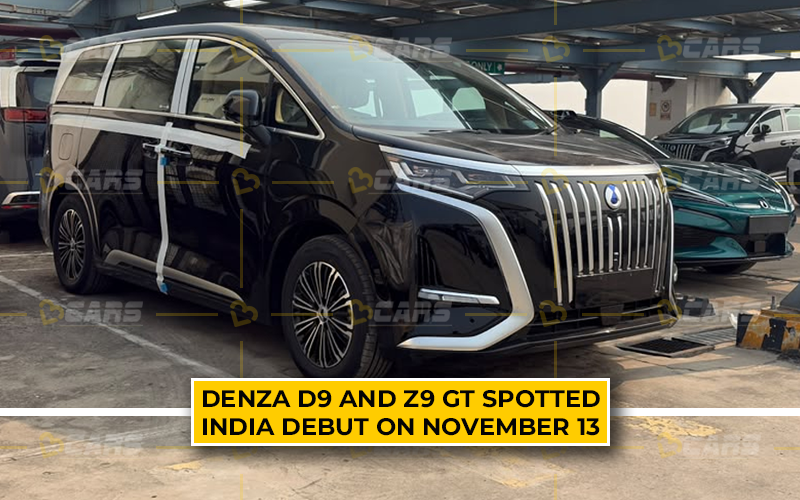
Denza D9 And Z9 GT Spotted At Dealer Yard Ahead Of India Debut
V3Cars have obtained exclusive photos of at least 3 Denza D9 electric MPVs at a dealer yard. A green Denza Z9 GT, the brand’s high-performance electric estate, is parked nearby. BYD’s luxury brand will make its India debut in Mumbai on November 13, 2026.

November 2026: VinFast VF MPV 7 Electric Price Change - Reduced By Rs. 4.10 Lakh
VinFast have revised the prices of the VF MPV 7 Electric for November 2026. The VF MPV 7 Electric with the 60.13kWh battery pack received a price cut of Rs. 4.10 lakh, making it significantly more affordable.
The VinFast VF MPV 7 Electric 2026 price now stands at Rs. 20.39 lakh, down from its previous price of Rs. 24.49 lakh. In percentage terms, the price reduction stands at 16.74%.

Toyota Innova Crysta Limo Launched For Fleet Customers; Prices Remain Unchanged
Toyota have introduced the Innova Crysta Limo, a dedicated offering for fleet and commercial mobility customers. Available exclusively in the GX-SLF variant, the new Limo branding aims to give Toyota’s professional mobility offering a distinct identity.
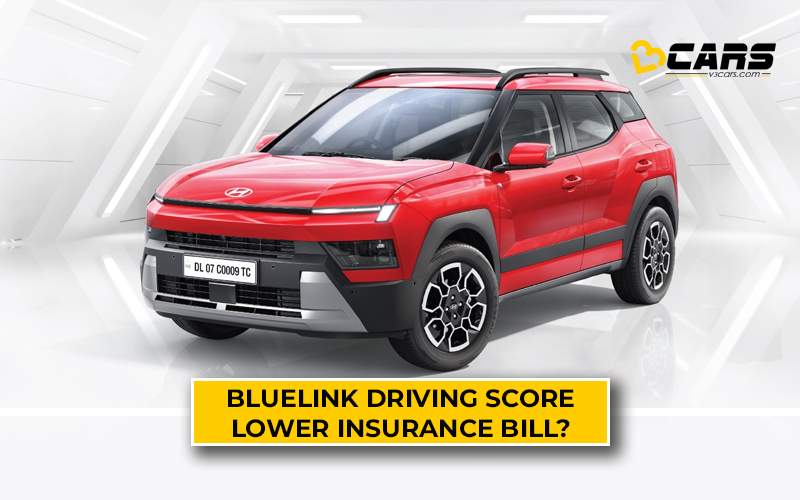
Hyundai Introduce Usage-Based Car Insurance For Bluelink Users
Hyundai have introduced usage-based insurance for owners of Bluelink-connected cars across their range. It lets insurance companies offer up to 15 percent off the own-damage premium at renewal, depending on the car’s driving score on the Bluelink app.

2027 Kia Sonet Spied Testing – New Design, Split Headlamps, Curved Screen Expected
Kia have begun testing the 2nd-generation Sonet in India ahead of its expected launch in 2027. The latest spy shots of the upcoming B2-segment SUV reveals several changes to its exterior design.

2026 Volkswagen Virtus Facelift Teased Ahead Of Launch
Volkswagen have released a teaser of the updated Virtus, offering an early look at the facelifted sedan’s revised styling. The 2026 Virtus facelift is expected to make its India debut in late November, ahead of an early-December launch.
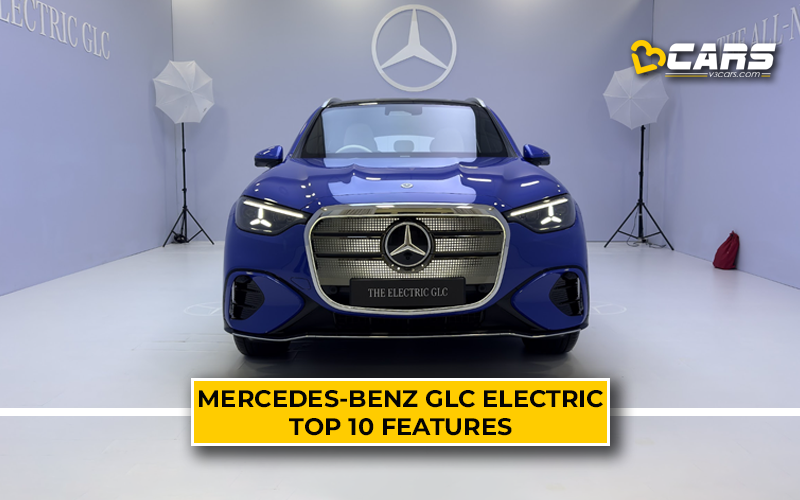
Top 10 Features Of Mercedes-Benz GLC 400 4Matic Electric SUV
Mercedes-Benz have launched the GLC Electric in India at Rs. 78.50 lakh (ex-showroom). The electric SUV comes in the GLC 400 4MATIC variant with AMG Line styling and a 94kWh battery.

Mercedes-Benz GLC Electric Launched In India At Rs. 78.50 Lakh
Mercedes-Benz have launched the GLC Electric in India at Rs. 78.50 lakh (ex-showroom). The electric SUV comes in the GLC 400 4MATIC variant with AMG Line styling and a 94kWh battery. It offers 4-wheel drive and a claimed WLTP range of 711km. Locally assembled at Chakan, Pune, it joins the existing petrol and diesel GLC in the brand’s India lineup. Here’s a look at its price, range, charging capabilities and key features.
Expert Car Reviews
View All Car Reviews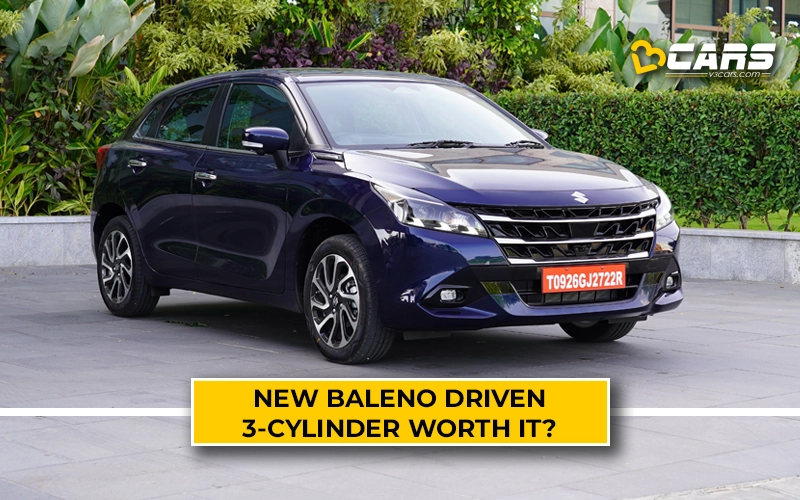
2026 Maruti Baleno Facelift Photo Gallery - Design, Features And Drive Review
The 2026 Maruti Baleno facelift gets a new 1.2L 3-cylinder petrol engine, level 2 ADAS and ventilated front seats. We drove it to see whether the new engine and added features make up for the loss of the old 4-cylinder’s refinement.
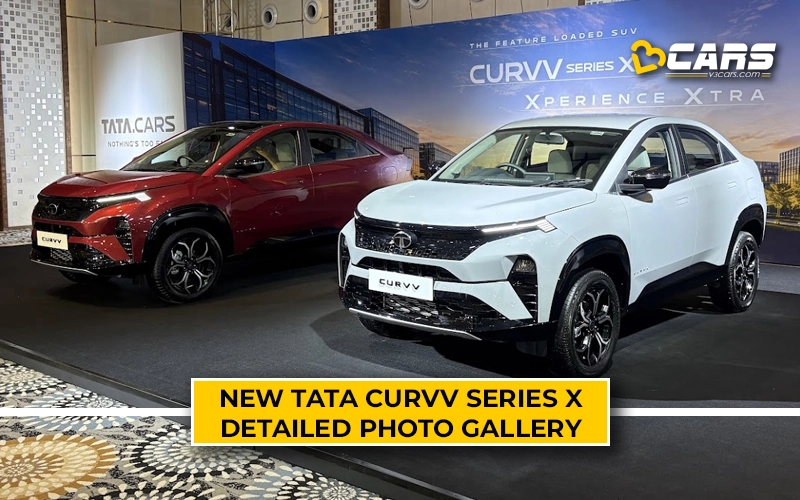
2026 Tata Curvv Series X Photo Gallery - Exterior, Interior And Features
Tata have launched the 2026 Curvv Series X with a simpler variant lineup and several features moved further down the range. We got a closer look at the new Curvv Series X, including the Pure X Plus and Creative X Plus variants. In this detailed photo gallery, we take you through their exterior differences, interior, features, rear-seat space and the construction of Tata’s R-Comfort seats.
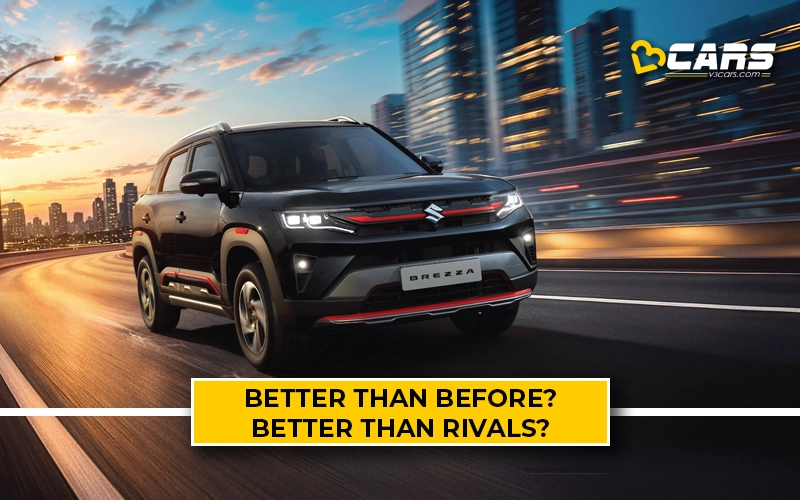
2026 Maruti Brezza Facelift Worth Buying?
The 2026 Maruti Brezza adds a 1.0L turbo petrol engine, more features and a 5-star Bharat NCAP rating. Its underbody CNG cylinder also frees up the full 328L boot. However, not every powertrain and variant offers equally strong value. We explain which Brezza to buy and when a rival makes more sense.
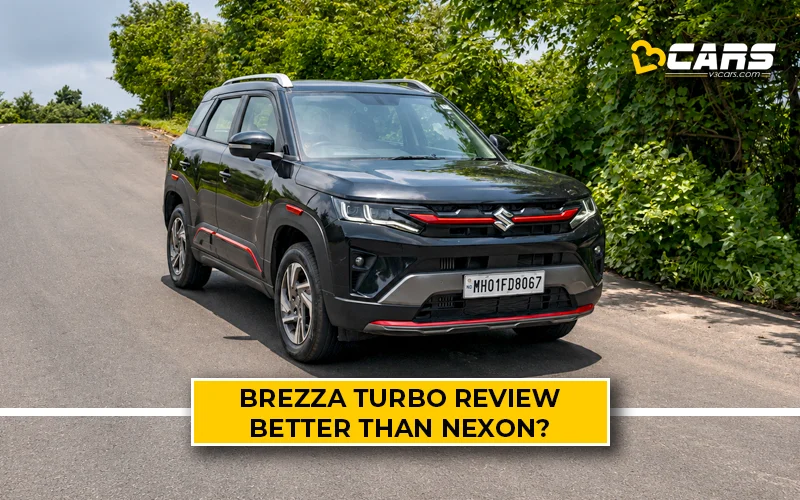
2026 Maruti Arena Brezza 1.0L Turbo Manual First Drive Review
We drove the 2026 Maruti Arena Brezza with its new 1.0L turbo petrol engine and 6-speed manual transmission. We covered roughly 50km over about 2 hours at speeds representative of typical city driving. Here are my impressions of its performance, refinement, mileage, highway manners, ride and everyday usability.
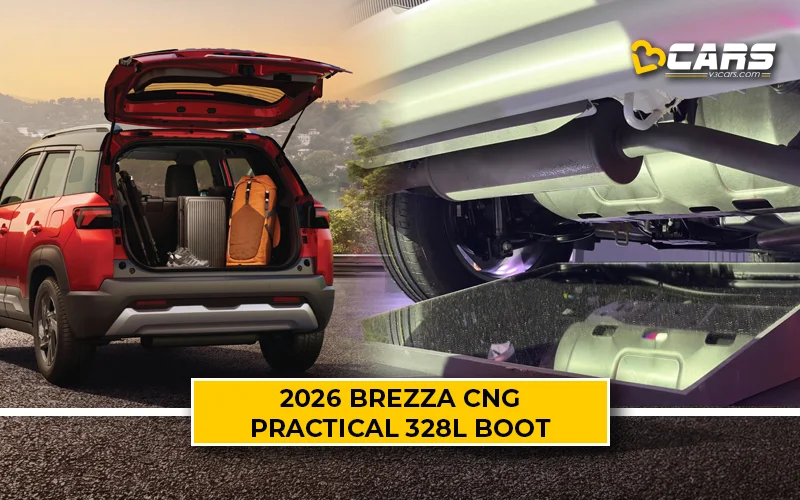
2026 Maruti Brezza CNG 328L Boot Space Explained
The 2026 Maruti Brezza CNG now has its cylinder mounted below the body, allowing it to retain the petrol version’s full 328L boot space. We examine the practical improvement, dimensions, ground clearance and boot-related features offered with each CNG variant.
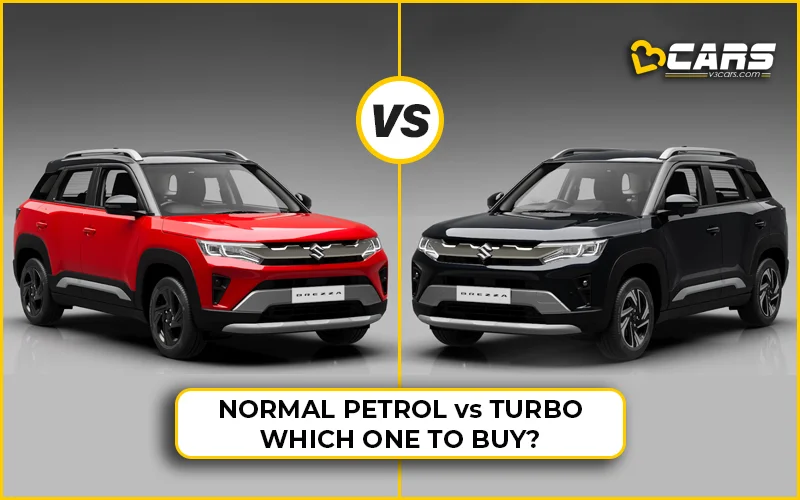
2026 Maruti Brezza 1.0L Turbo Vs 1.5L Petrol - Which One To Buy?
The 2026 Maruti Brezza offers a new 1.0L turbo petrol engine alongside the familiar 1.5L normal petrol. Both engines come with a new 6-speed manual transmission. The smaller turbo costs less and offers more power, torque and features, while the 1.5L petrol claims better mileage. We compare the 2 to determine which Brezza petrol-manual makes more sense.
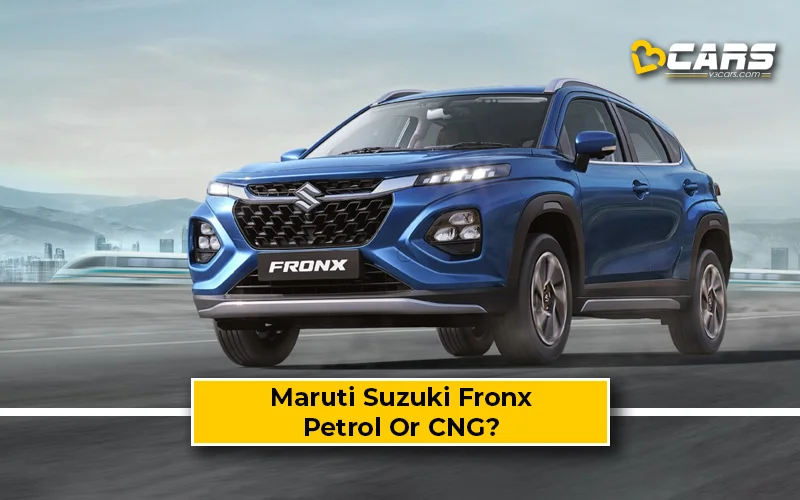
Maruti Arena Fronx Petrol Vs CNG Mileage And Running Cost
If you’re wondering whether to buy the Maruti Suzuki Fronx petrol or CNG, this article will help you make a data-backed decision. We compare the latest ex-showroom prices, official mileage figures and current fuel prices in Delhi to calculate the running cost difference between the Fronx petrol and CNG variants. We also calculate how many kilometres you need to drive the Fronx CNG to recover its higher upfront cost over the petrol variant.
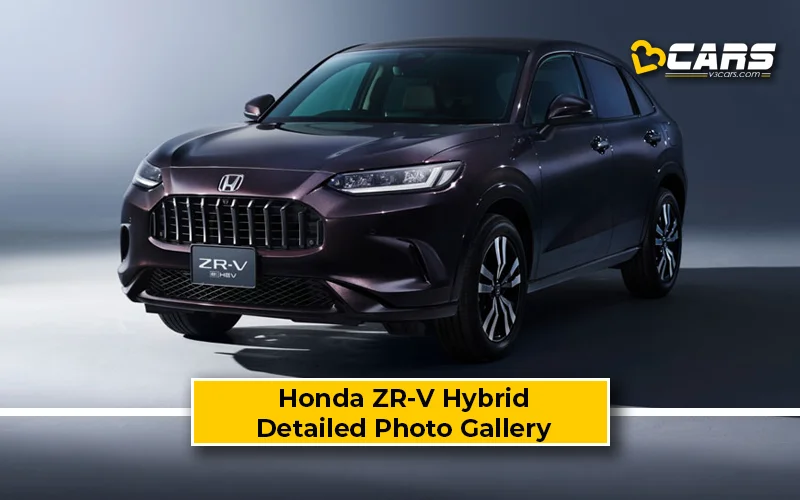
2026 Honda ZR-V Hybrid Photo Gallery
The 2026 Honda ZR-V Hybrid is set to launch in India as Honda’s new flagship SUV on May 22, 2026. Positioned above the Elevate, the ZR-V will rival premium SUVs like the Volkswagen Tiguan R-Line and Skoda Kodiaq with its strong hybrid powertrain, premium interior and advanced features. In this detailed photo gallery, we take a closer look at the ZRV Hybrid’s design, cabin, practicality, safety features and hybrid technology.
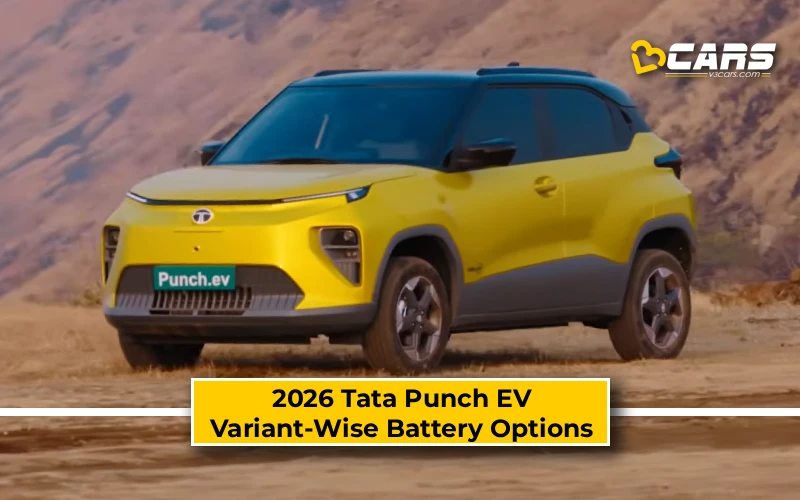
2026 Tata Punch EV Variant-Wise Powertrain Options – Battery, Range & Specifications
The 2026 Tata Punch EV is available with multiple battery pack and motor configurations, giving buyers the flexibility to choose between affordability and longer driving range. Depending on the variant, the new Punch EV offers different power outputs, battery capacities and claimed range. In this article, we break down the 2026 Punch EV’s variant-wise powertrain options and check out which variants get the 30kWh and 40kWh battery packs, along with their performance specifications, so you can pick the variant that best suits your needs.
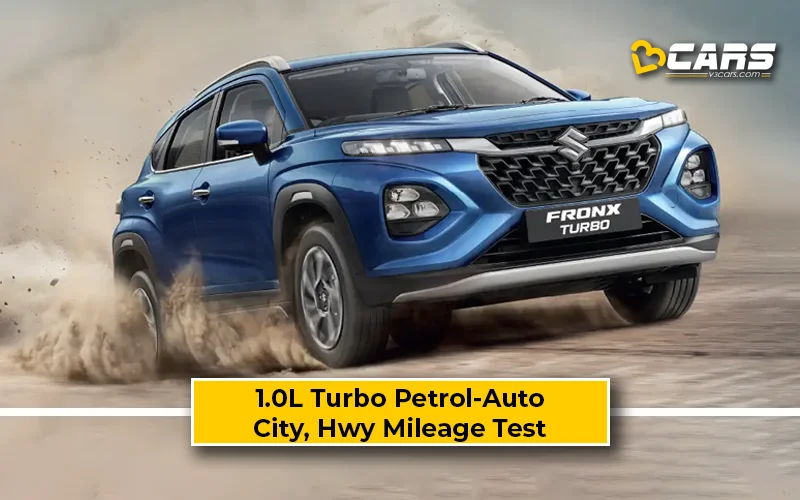
Maruti Fronx 1.0L Turbo Petrol-Auto Mileage Test: Real World City, Highway Fuel Efficiency
In this article, we’ll present the data based on V3Cars mileage test and inform you about what real-world fuel efficiency you can expect from the Maruti Fronx 1.0L turbo petrol-automatic in city and highway driving conditions. We’ll also find out how much the mileage numbers deviate from the manufacturer-claimed fuel efficiency figures. The information presented in this article will also help you learn about the mileage differences you can expect when driving in the city vs driving on the highway.
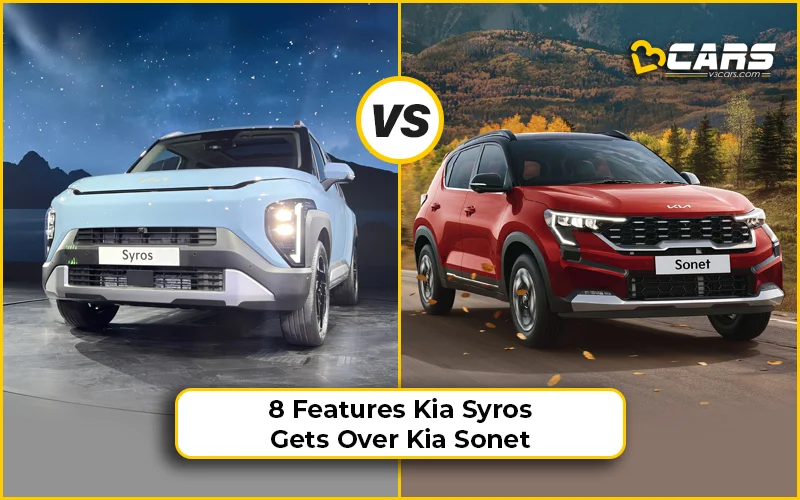
10 Features New Kia Syros Gets Over Kia Sonet
Kia unveiled their all-new B2-segment SUV, the 2025 Syros, on December 19, 2024. While Kia India are yet to reveal the variant-wise prices of the 2025 Syros, it is expected to slot in between the Sonet B2-SUV and Seltos C-SUV.
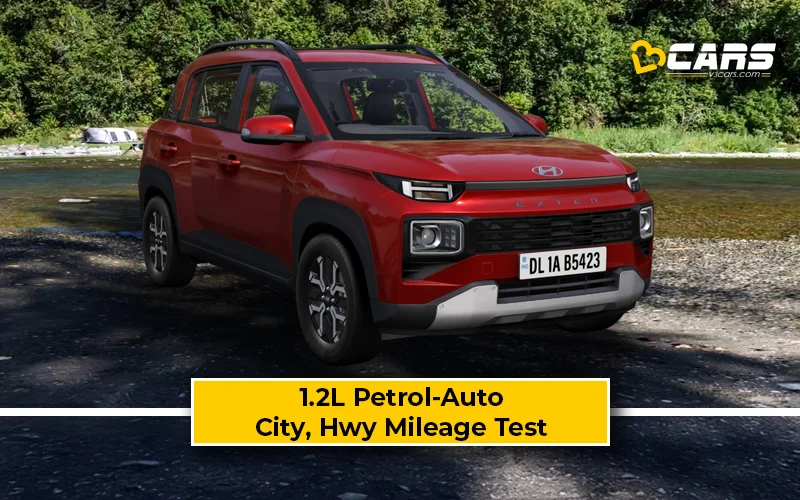
Hyundai Exter 1.2L Petrol-Auto Mileage Test: Real World City, Highway Fuel Efficiency
In this article, we’ll present the data based on V3Cars mileage test and inform you about what real-world fuel efficiency you can expect from the Hyundai Exter 1.2L petrol-automatic in city and highway driving conditions. We’ll also find out how much the mileage numbers deviate from the manufacturer-claimed fuel efficiency figures. The information presented in this article will also help you learn about the mileage differences you can expect when driving in the city vs driving on the highway.
Latest Videos
View All Car Latest Videos


Upcoming Cars In India
View All Upcoming Cars



Popular News
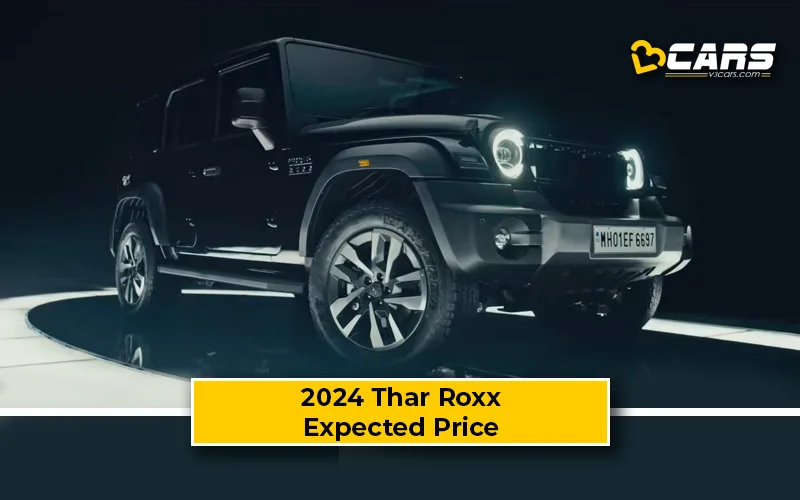
Mahindra Thar Roxx (Thar 5-door) Expected Price — #WithLogic (Updated: Jul 29)
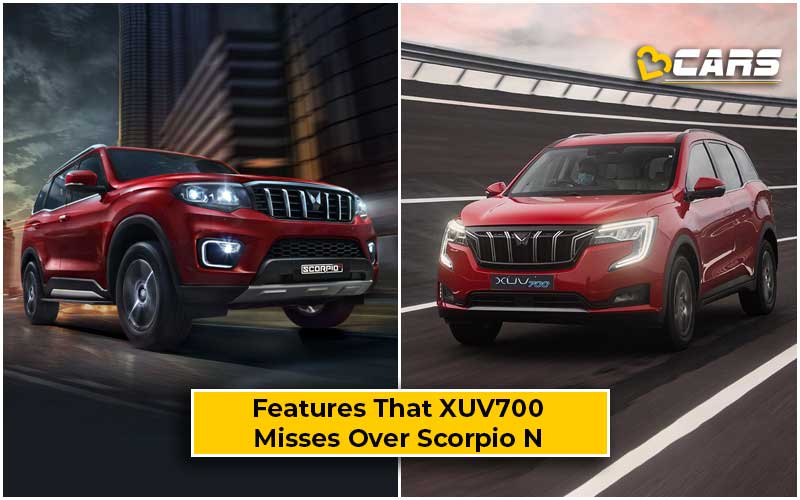
5 Missing Features In Mahindra XUV700 Over Scorpio N
Top 5 Features Scorpio N Misses But The Tata Safari Gets
Top 5 Differences – Maruti Suzuki Grand Vitara Vs Toyota Urban Cruiser Hyryder
Maruti Suzuki Grand Vitara Ex-Showroom Price Leaked Ahead Of July 20 Debut
6 Missing Features In 2022 Hyundai Venue Facelift
Maruti Suzuki Grand Vitara Expected Prices
2022 Toyota Urban Cruiser Hyryder Expected Prices — Mild Hybrid, AWD And Mild Hybrid Auto
Kia Seltos Facelift Launch In 2023

2022 Mahindra Scorpio - First Teaser Drops Ft. Amitabh Bacchan
Updated Maruti Nexa Fronx Expected Price Calculation (Variant-wise) - With Logic
7 Missing Features In Hyundai Creta Over Toyota Urban Cruiser Hyryder
Latest Car News
Made-In-India Renault Kiger Scores 4-Star Global NCAP Safety Rating
2027 Hyundai Creta Spied – Pleos Connect, Strong Hybrid Powertrain Expected
BYD Atto 2 Spied Testing: What We Know So Far About This Electric SUV
Mahindra XUV 3XO CNG Gets 5-Star Bharat NCAP Safety Rating
Denza D9 And Z9 GT Spotted At Dealer Yard Ahead Of India Debut
November 2026: VinFast VF MPV 7 Electric Price Change - Reduced By Rs. 4.10 Lakh
Toyota Innova Crysta Limo Launched For Fleet Customers; Prices Remain Unchanged
Hyundai Introduce Usage-Based Car Insurance For Bluelink Users
2027 Kia Sonet Spied Testing – New Design, Split Headlamps, Curved Screen Expected
2026 Volkswagen Virtus Facelift Teased Ahead Of Launch
Top 10 Features Of Mercedes-Benz GLC 400 4Matic Electric SUV
Comments
0 comments