How to Compare Cars and Choose the Right Car
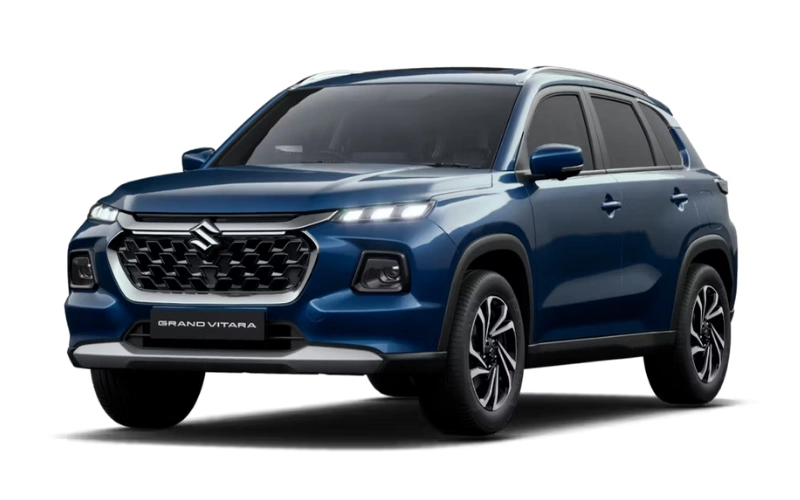
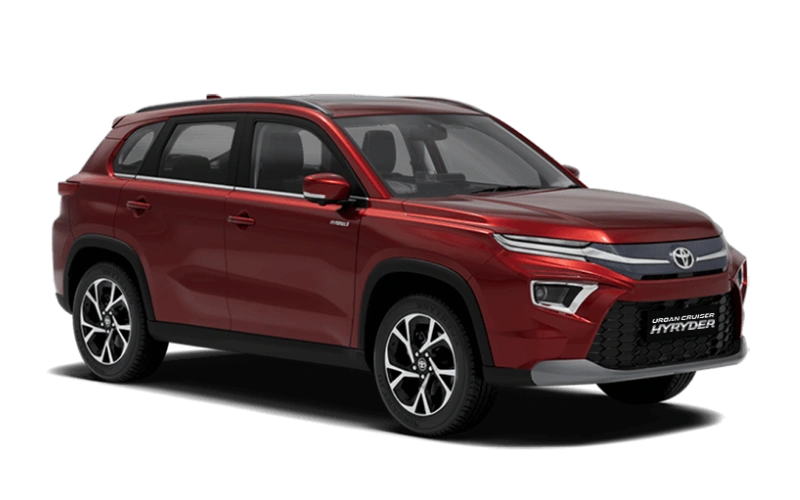
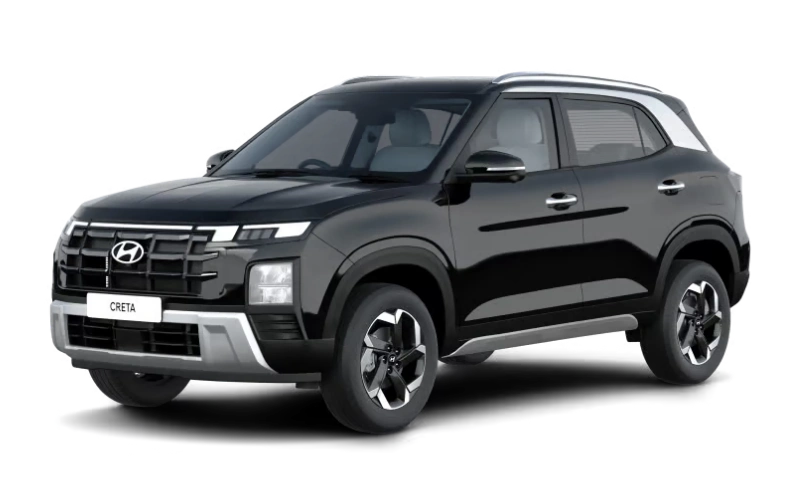
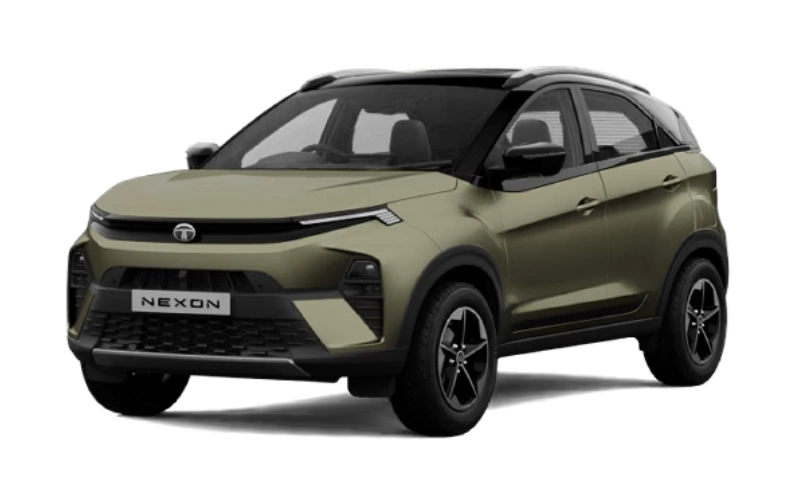
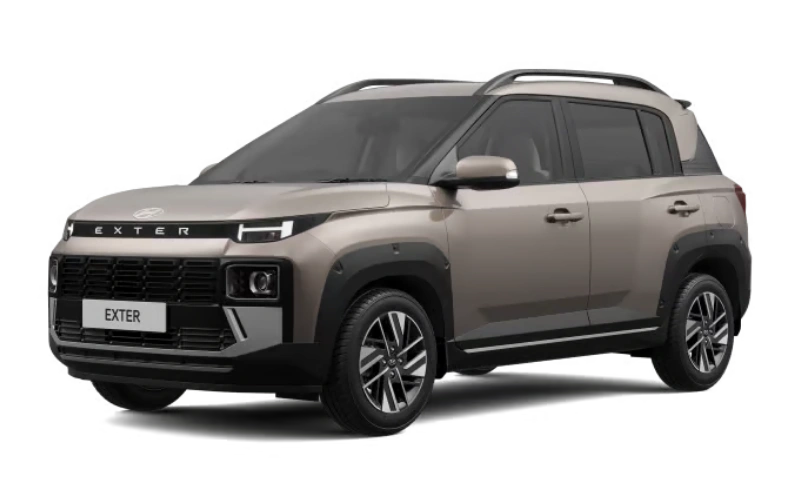
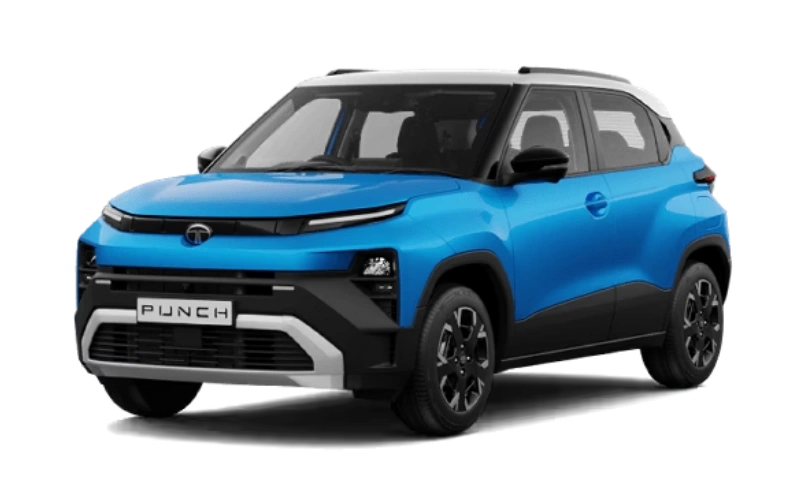
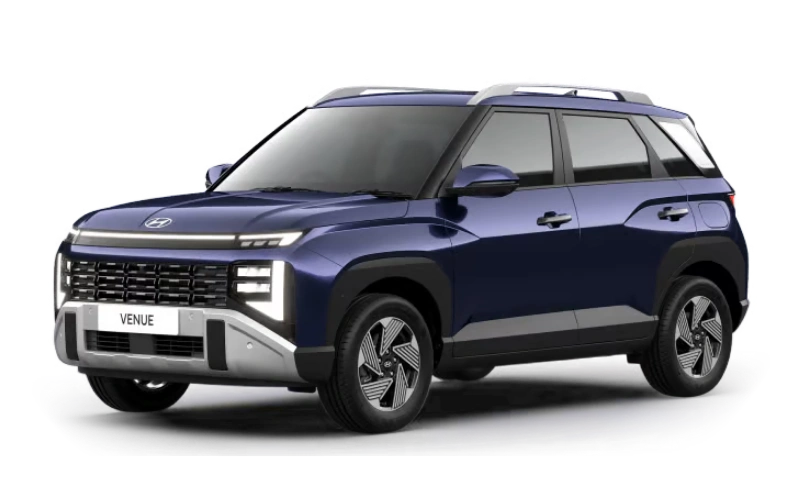
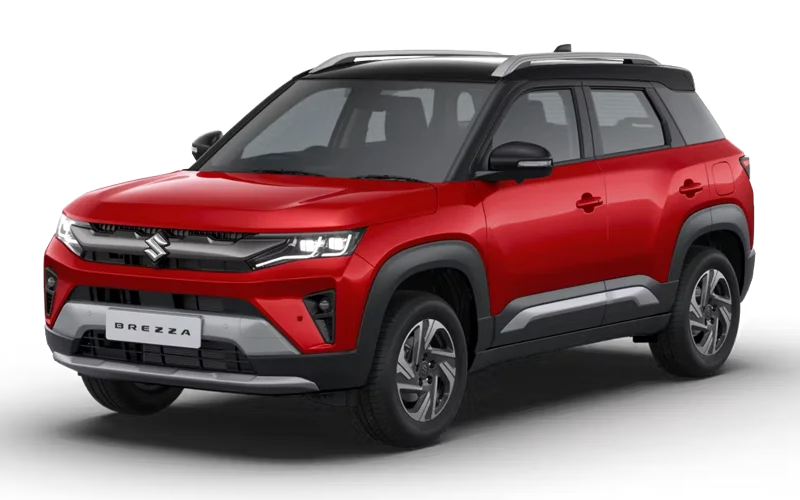
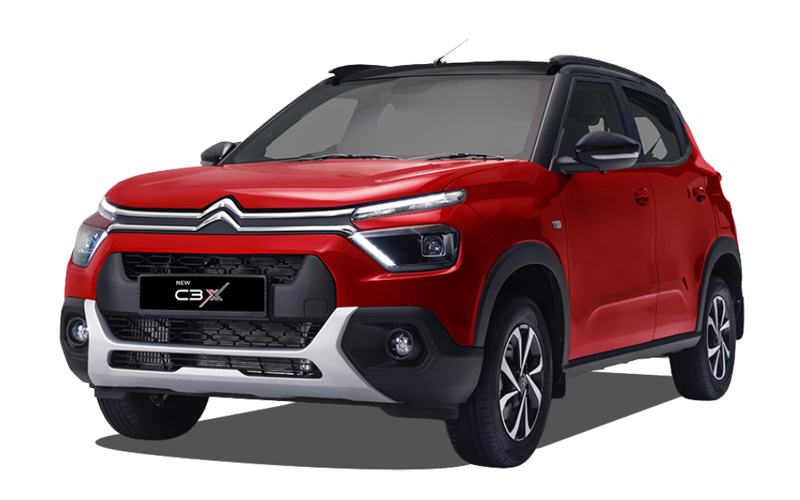
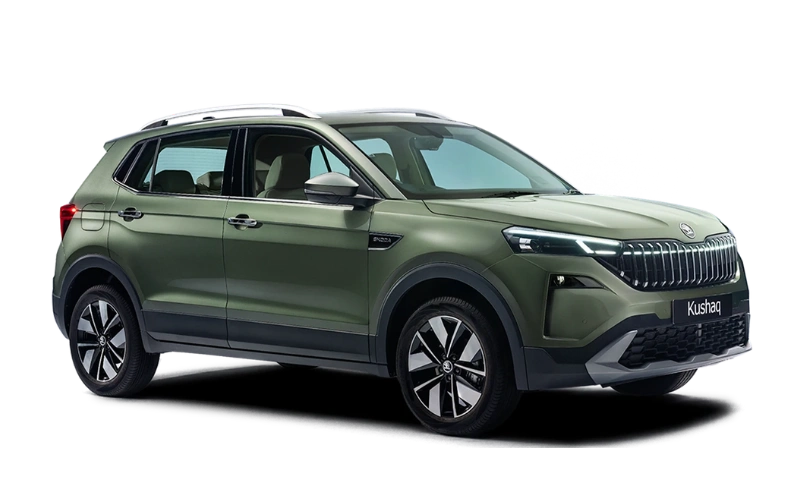
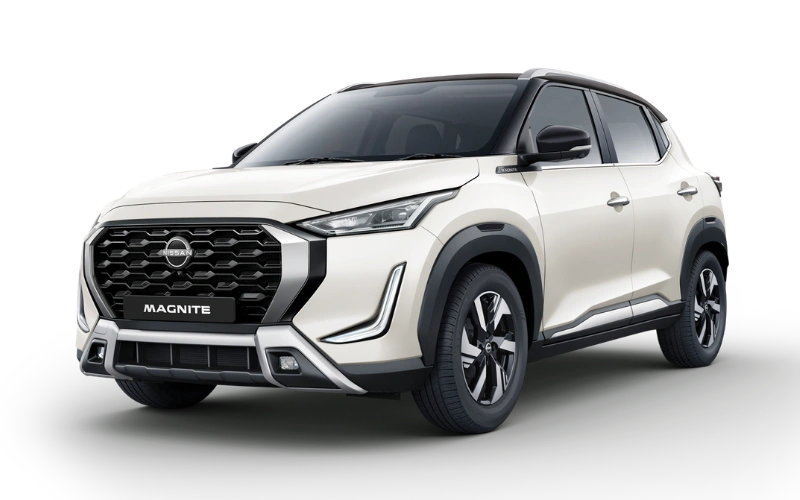
Choosing the right car becomes easier when you compare options according to your actual requirements instead of looking only at price or features. The V3Cars Compare Cars tool allows you to compare up to four cars side by side by selecting the exact model, powertrain and variant.
Use the following steps to create a relevant shortlist and make a better-informed decision.
Understand how you will use the car
Start by identifying where and how the car will be driven most frequently.
-
For regular city driving, consider ease of driving, visibility, parking, mileage and automatic-transmission options.
-
For frequent highway use, compare engine performance, high-speed stability, safety equipment and cruising comfort.
-
For family use, pay attention to seating comfort, cabin space, boot capacity, rear-seat features and ease of entry.
-
For poor or uneven roads, consider ground clearance, tyre size and ride comfort.
This helps you remove cars that do not suit your primary requirements before comparing detailed specifications.
Set a realistic on-road budget
Do not compare cars based only on their ex-showroom prices. Check the estimated on-road price in your city because registration charges, road tax and insurance can affect the actual purchase cost.
Also consider the longer-term cost of ownership, including:
A car with a higher purchase price may still offer better overall value if it is more suitable for your usage and less expensive to own.
Choose the appropriate fuel type and transmission
Compare the available powertrain options according to your expected usage.
-
Petrol cars generally suit moderate running and mixed city use.
-
Diesel cars may suit buyers with higher running or frequent highway travel, where suitable options are available.
-
CNG cars can reduce running costs but may affect boot space and depend on convenient CNG availability.
-
Electric cars can offer lower running costs, but access to regular charging and expected driving range must be considered.
-
Hybrid cars may improve efficiency without requiring regular external charging, depending on the hybrid system.
You should also compare manual, AMT, torque-converter automatic, CVT and DCT options based on traffic conditions, driving preference, performance and budget.
Shortlist two to four relevant cars
Create a shortlist of cars that broadly match your budget, preferred body style, seating requirement and intended usage. Avoid comparing unrelated options only because their prices overlap.
The V3Cars car comparison tool allows you to compare two, three or four cars side by side. Select the exact brand, model, powertrain and variant for every car so that the comparison remains relevant.
Compare prices, specifications and dimensions side by side
Once you have selected the cars, compare the information that can materially affect ownership and everyday use.
Important comparison points include:
-
Ex-showroom and estimated on-road prices
-
Engine, power and torque
-
Fuel type and transmission
-
Claimed mileage or driving range
-
Length, width, height and wheelbase
-
Ground clearance and boot space
-
Seating capacity
-
Safety and convenience features
A side-by-side car specification comparison makes meaningful differences easier to identify than checking each model separately.
Compare equivalent variants
Do not compare only the base variant of one car with the top variant of another. Select variants with similar prices or comparable equipment levels.
Check whether the additional amount charged for a higher variant provides features that are genuinely useful to you. Give priority to important safety, comfort and convenience features before cosmetic additions.
Evaluate safety, comfort and practicality
Specifications cannot fully explain how a car will feel in everyday use. After preparing your shortlist, evaluate:
-
Driving position and outward visibility
-
Front- and rear-seat comfort
-
Ride quality on different road surfaces
-
Ease of parking and taking U-turns
-
Boot usability
-
Safety equipment and available crash-test information
-
Accessibility of service centres
These factors can be more important during ownership than a small difference in power, mileage or feature count.
Test-drive the shortlisted cars and verify the final price
Use the online comparison to narrow your shortlist before visiting dealerships. Test-drive the exact powertrain or transmission you intend to purchase wherever possible.
Before making the final decision, obtain a detailed dealer quotation and verify the on-road price, insurance, accessories, warranty, service packages, discounts and delivery timeline.
The right car is not necessarily the one with the most features or the highest specifications. It is the car that best matches your budget, usage, comfort requirements and ownership priorities.


 Upcoming Cars