

 Upcoming CarsPopular CarsLatest CarsElectric Cars
Estimate costs and savings with our handy automotive calculators.
Simplify your car ownership journey with our buying, selling, and renewal tools.
Explore additional resources and comparisons for car enthusiasts.
Honda Elevate Vs Hyundai Grand i10 Nios - Price, Mileage, Specs
Select at least 2 cars to begin comparison. You can compare up to 4 at a time.
Selected Cars
for Comparison
Add car to compare
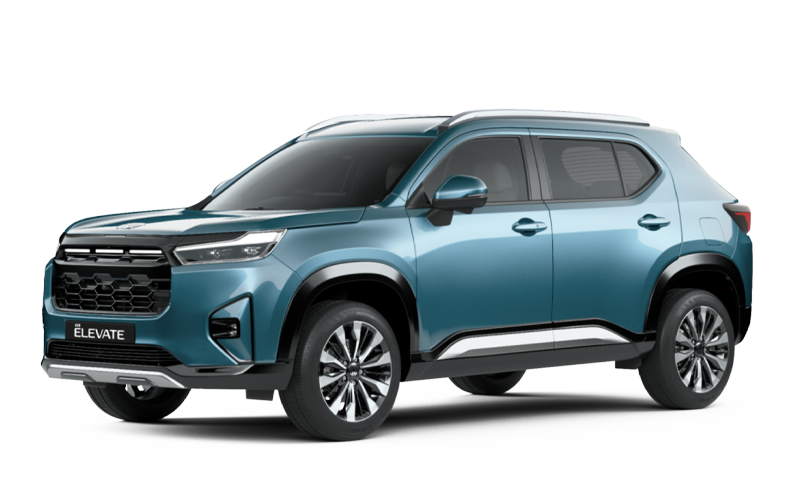
Elevate ZX Plus Black
1498CC | Petrol | Automatic
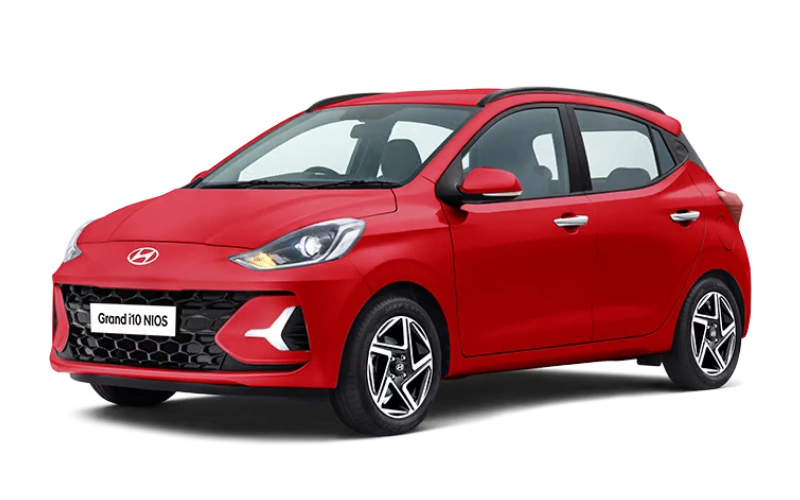
Grand i10 Nios Asta
1197CC | Petrol | Manual

Price & On-Road Cost Comparison

Engine & Performance Comparison

Dimensions & Space

Features Comparison
Safety
Infotainment
Functional
Style
ADAS

Colours Comparison

Ownership & Running Cost

Pros & Cons

Expert Verdict
Price & Value: Grand i10 Nios is more affordable to buy.
Performance & Mileage: Elevate delivers better performance with more power and torque, whereas Grand i10 Nios focuses on efficiency and lower running costs.
Space & Comfort: Elevate is the longest and widest of the group, which should translate to better cabin space, while Elevate offers the highest ground clearance—useful for poor roads and speed breakers. Boot space is largest in Elevate, making it more practical for luggage.
Features & Safety: Feature-wise, Elevate offers the richest equipment list. Grand i10 Nios misses out on some basic safety, functional or convenience features that rivals provide.
Popular Car Comparison
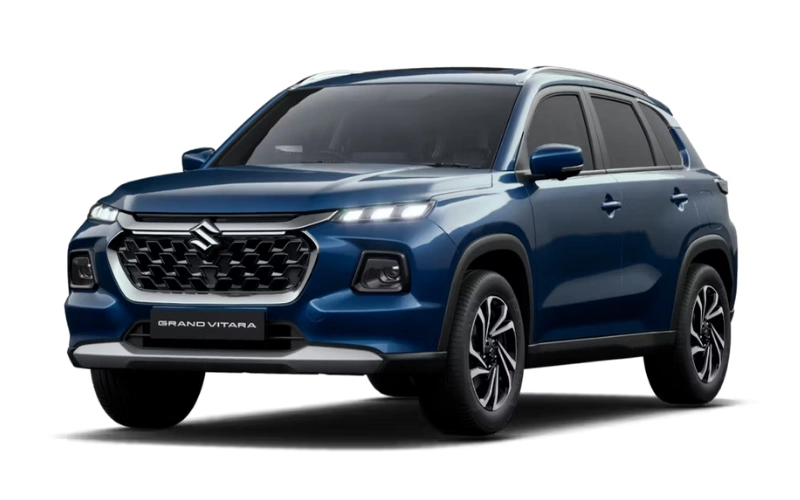
Maruti Suzuki
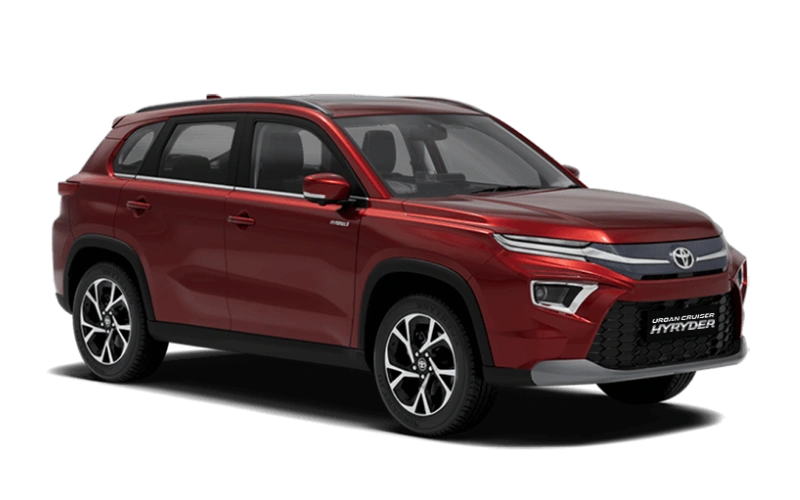
Toyota
Hyundai
Tata
Tata
Hyundai
Maruti Suzuki
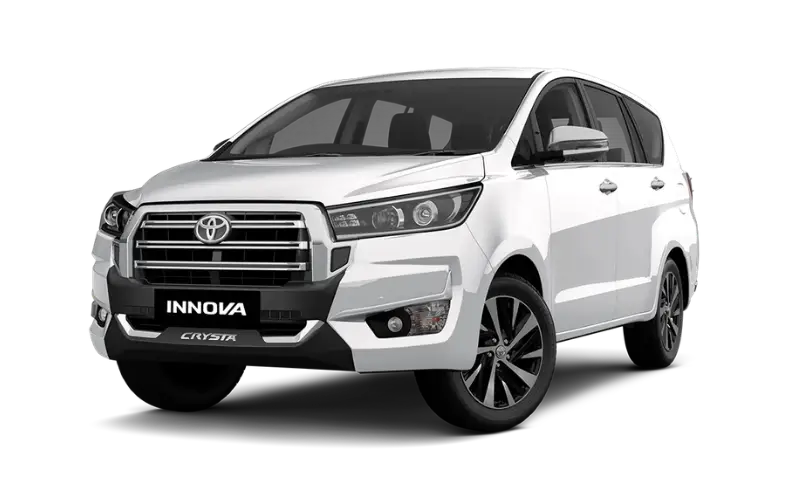
Toyota
Toyota
Maruti Suzuki
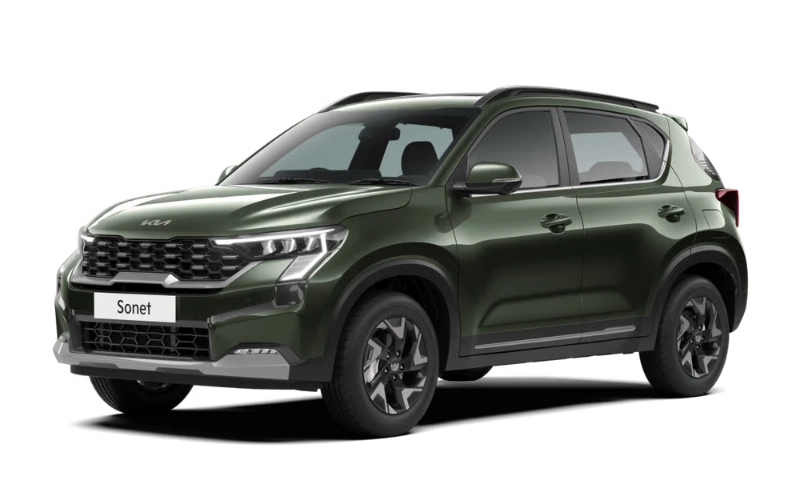
Kia
Hyundai
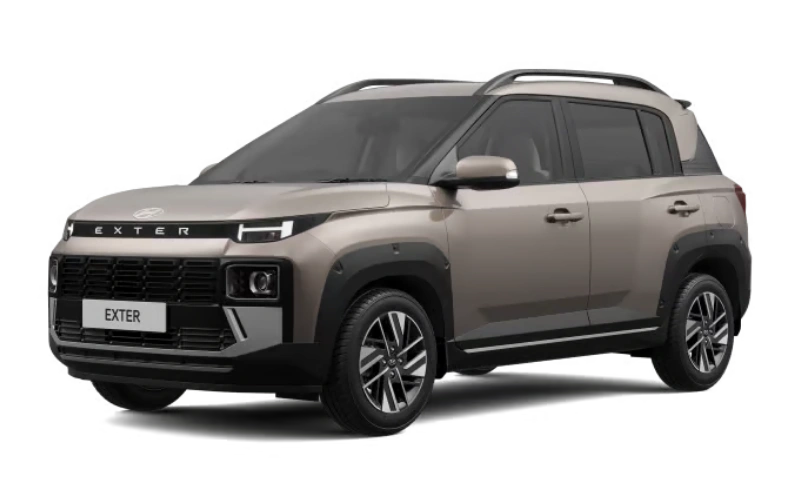
Hyundai
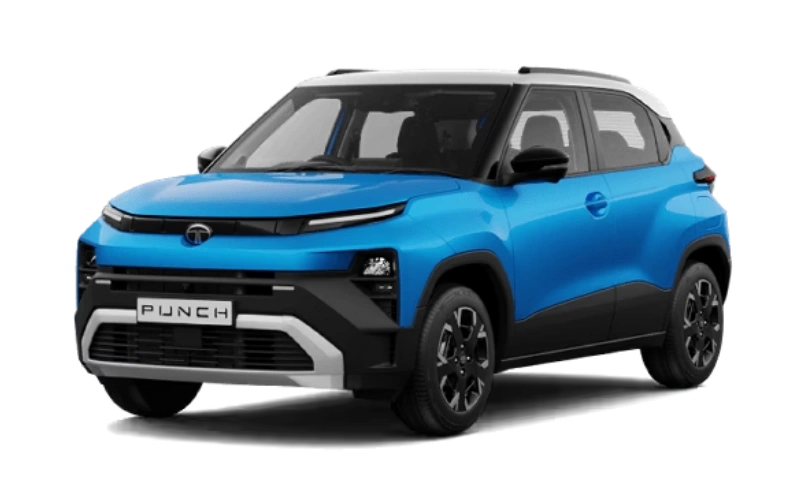
Tata
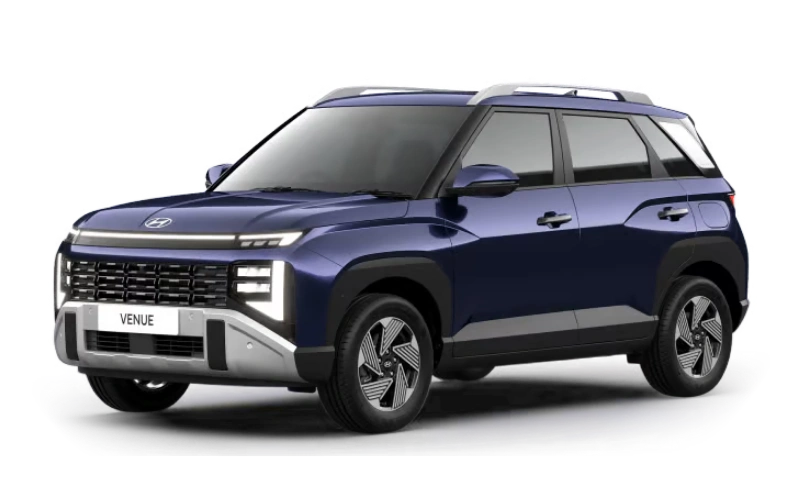
Hyundai
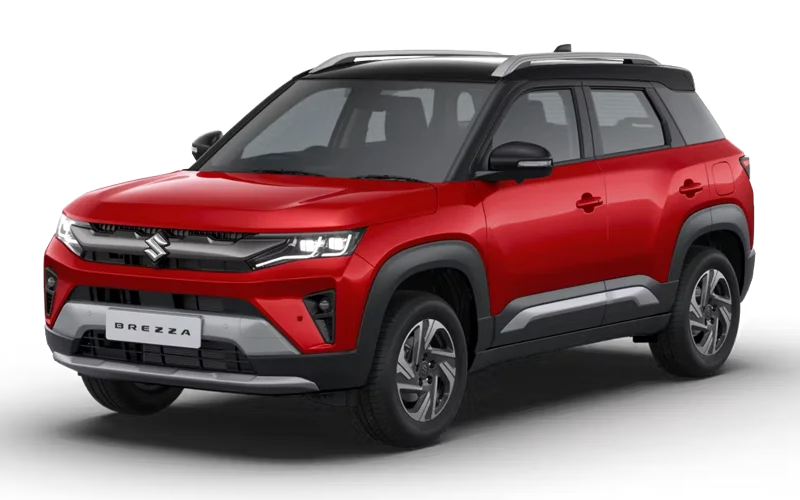
Maruti Suzuki
Tata
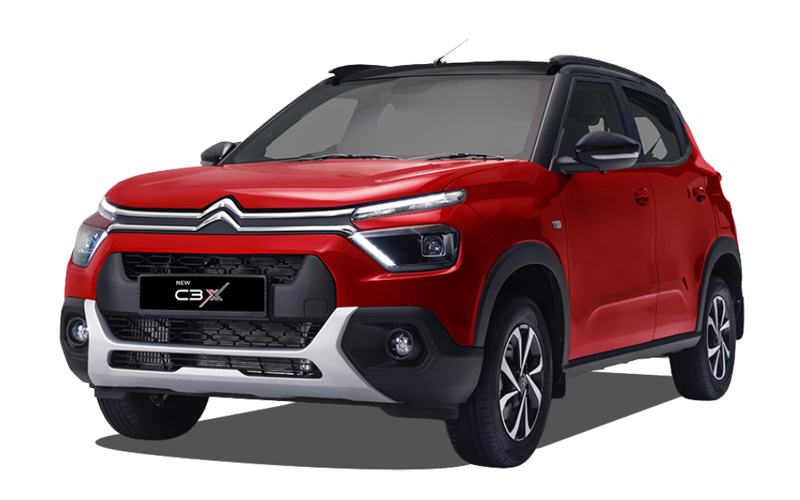
Citroen
Hyundai
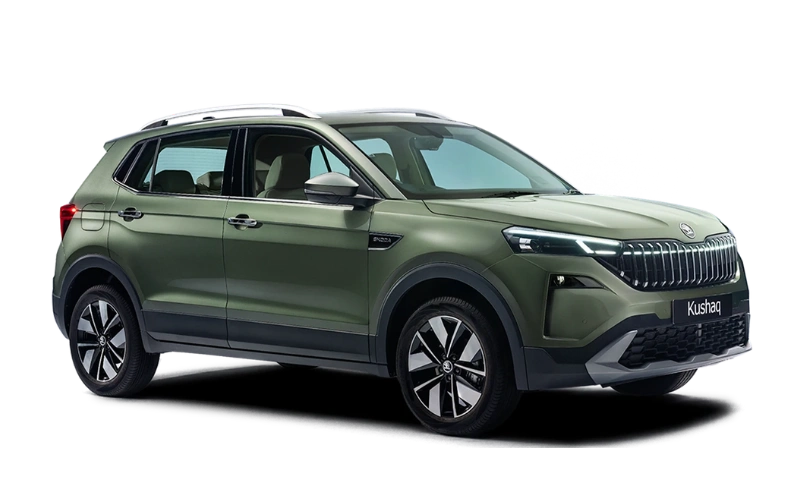
Skoda
Citroen
Tata

Mercedes-Benz

Mercedes-Benz
Tata
Maruti Suzuki
Nissan
Tata
Compare to Choose the Right Car!
Choosing a new car can feel overwhelming, especially when several models fit your budget and preferences. This comparison section helps you simplify that decision by letting you line up multiple cars and instantly see how they differ where it truly matters to you.
Just pick the cars you want to evaluate, select the relevant variants, and the tool highlights meaningful differences—helping you understand which option aligns better with your priorities, whether that’s performance, comfort, practicality or long-term ownership experience.
Car Comparison Tool - How it works
Step 1
Select Cars

Choose up to four cars you want to compare & start building your shortlist.
Step 2
Choose Variants

Pick fuel type, transmission & variant for each car.
Step 3
View Detailed Comparison

Get detailed specs, features, prices & differences.
Step 4
Check Expert Verdict

Get smart insights & a clear verdict to understand which car suits you best.

Sell Your Used Car At Best Price

Instant
Price Estimate

Assisted
Sale Process

RC
Transfer Support

Why Compare Cars on V3Cars?
Comparing cars becomes easier and more meaningful on V3Cars because our data goes beyond basic specs. We provide variant-wise comparison, helping buyers evaluate real differences that affect buying decisions — not just high-level brochure numbers.
Here’s why buyers trust our comparison tool:
- Accurate, real-time data taken directly from manufacturer listings
- Variant-specific insights including features, colours, powertrains and pricing
- Feature-by-feature breakdowns across safety, ADAS, infotainment, function and style categories
- Ownership-related details such as mileage, warranty and maintenance expectations
- Expert interpretation that highlights which car provides better value-for-money
- Easy-to-use interface designed for real users comparing 2–4 cars — trusted by millions of Indian car buyers
Whether you’re cross-shopping hatchbacks, sedans or SUVs, or deciding between petrol, diesel, CNG or electric variants — V3Cars helps you compare smarter.
Frequently Asked Questions (FAQs)
The comparison may include:
Price
Engine and transmission
Power and torque
Mileage or driving range
Dimensions
Ground clearance and boot space
Safety features
Comfort and convenience features
Interior and exterior features
The available information may differ depending on the selected cars and variants.
Did you find this information helpful?
Page rating
Share your experience with this page.
Based on 9836 ratings.
Rate this page
Click on a star to rate.
Select your rating
Your rating can be saved anonymously.