V3Cars
V3Cars
iconUpcoming Cars
iconPopular Cars

iconLatest Cars

iconElectric Cars
News

Stay updated with the latest automotive news.

Reviews

Discover expert car reviews and comparisons.

Videos

Watch in-depth video reviews, comparison, variants explained and more.

Calculators

Estimate costs and savings with our handy automotive calculators.

Buy, Sell & Renew

Simplify your car ownership journey with our buying, selling, and renewal tools.

Others

Explore additional resources and comparisons for car enthusiasts.

HomeCompare CarsHyundai Cars Aura Vs Tata Cars Punch EV
How It Works
AD

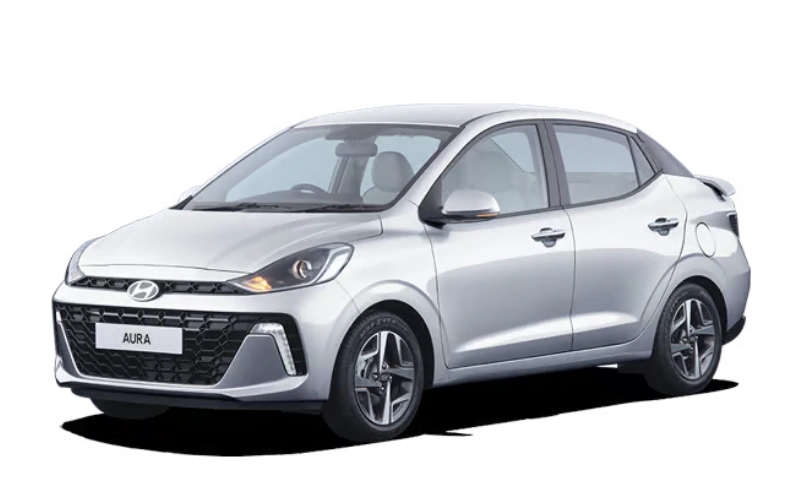
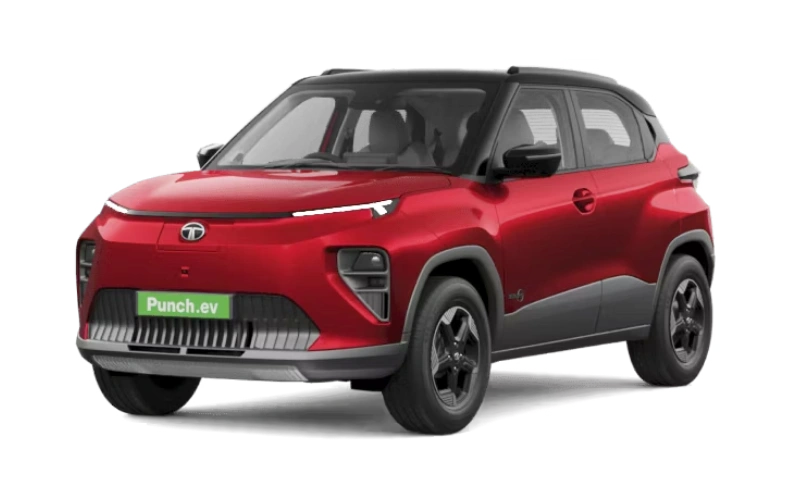
Hyundai Aura Vs Tata Punch EV - Price, Mileage, Specs

Compare Hyundai Aura and Tata Punch EV on price, variants, mileage, engine specifications, dimensions, boot space, features, safety and ownership-related details. Select the right powertrain and variant to understand which offers better value ... More
Delhi

Select at least 2 cars to begin comparison. You can compare up to 4 at a time.

1

Select Brand

Select Model

Select Powertrain

Select Variant

2

Select Brand

Select Model

Select Powertrain

Select Variant

3

Select Brand

Select Model

Select Powertrain

Select Variant

4

Select Brand

Select Model

Select Powertrain

Select Variant

Selected Cars
for Comparison

+

Add car to compare

Aura-48

Aura SX (O)

1197CC | Petrol | Manual

Ex-showroom₹8.23 Lakh
Punch EV-20

Punch EV Smart Plus

CC | Electric | Automatic

Ex-showroom₹10.39 Lakh
rs

Price & On-Road Cost Comparison

Price Comparison Summary: The Hyundai Aura SX (O) has the lower estimated on-road price in Delhi by ₹1,79,744. Its estimated monthly EMI is approximately ₹3,775 lower than that of the Tata Punch EV Smart Plus.
Ex-Showroom Price₹8,23,200₹10,39,000
Estimated Monthly EMI₹19,544 (5 years @ 9.5% p.a.)₹23,319 (5 years @ 9.5% p.a.)
Approx. Insurance (1st year)₹41,160₹51,950
Estimated On-Road Price₹9,30,566₹11,10,310
Note: EMI values are indicative and calculated for a 5-year tenure at 9.5% p.a. Actual EMI may vary based on bank, down payment and credit profile.
rs

Engine & Performance Comparison

Engine and Performance Summary: The Tata Punch EV Smart Plus produces 5 PS more power and 40 Nm more torque than the Hyundai Aura SX (O).
Engine & Fuel Type1.2 Petrol ManualRange 365km | 3.3kW AC | FWD
Engine Displacement1.2 L L
Cubic Capacity (cc)1197 cc cc
Cylinders4
Max. Power83 PS @ 6000 rpm88 PS @ rpm
Max. Torque114 Nm @ 4000 rpm154 Nm @ rpm
Transmission TypeManualAutomatic
Kerb Weight978 kg0 kg
Power-to-Weight Ratio84.87 PS/tonne0 PS/tonne
Torque-to-Weight Ratio116.36 Nm/tonne0 Nm/tonne
Claimed Fuel Efficiency (ARAI)20.5 kmpl12.17 kmpl
Claimed Range758.5 km365 km
Top Speed--
0–100 km/h Time--
rs

Dimensions & Space

Dimensions and Space Summary: The Hyundai Aura SX (O) is 115 mm longer, while the Tata Punch EV Smart Plus is 62 mm wider. The Tata Punch EV Smart Plus offers 30 mm more ground clearance, and the Hyundai Aura SX (O) provides 36 litres additional boot space.
Length3995 mm3880 mm
Width1680 mm1742 mm
Height1520 mm1622 mm
Wheelbase2450 mm2445 mm
Ground Clearance165 mm195 mm
Boot Space402 L366 L
Tyre Size165/70 R14185/70 R15
Fuel Tank Capacity37 L L
AD
AD
rs

Colours Comparison

Colour Options
Colour Summary: Smart Plus offers the widest colour range with 7 options, while SX (O) are available in 4 shades.
rs

Ownership & Running Cost

Ownership Cost Summary: Based on estimated mileage and current fuel prices in Delhi, SX (O) has the lowest running cost, while long-term maintenance over 5 years is expected to be most affordable with SX (O).
Claimed Mileage20.5 kmpl365 km/charge
Real World Mileage15.85 kmpl-
Fuel Price (per unit)₹102.12-
Running Cost (per km)₹4.98/km-
Service & Maintenance Cost--
Service Interval--
Service NetworkNationwideNationwide
Standard Warranty3 Years / Unlimited Km3 Years / 1,25,000 Km
Estimated Ownership Cost₹11.79 Lakh₹11.10 Lakh
rs

Pros & Cons

Advantages
  • The Aura sedan comes with several must-have and feel-good features that are rarely seen in the sub-compact sedan space. These features include automatic climate control, tyre pressure monitoring system, 6 airbags, cruise control, automatic headlights and rear AC vents.

  • The mid S and SX variants of the Aura sedan offer a long list of features, delivering good value for money. The key notable features of the S variant include a tyre pressure monitoring system, day/night inside rear view mirror, steering-mounted controls, 4 speakers, LED DRLs, rear seat armrest, rear AC vents and height adjustable driver’s seat. The SX variant further adds automatic climate control, touchscreen infotainment system, projector headlights, reverse parking camera and alloy wheels.

  • The Aura sedan offers 3 powertrain options to choose from — 1.2L normal petrol manual, 1.2L normal petrol automatic and 1.2L petrol-CNG manual. Furthermore, all engine options of the Aura not only comply with the BS6 phase-2 and road driving emission norms but are also E20 fuel ready.

  • While the fuel efficiency of the Aura isn’t class leading, all powertrains of the Aura offer respectable fuel efficiency figures. The claimed fuel efficiency figures for the petrol MT, petrol AMT and CNG MT are 20.5kmpl, 20.3kmpl and 27.49kmpkg, respectively.

  • The Punch EV has a visually distinct personality than the Punch petrol/CNG. At least from the front and inside the cabin. It looks like a different car altogether. If you’re looking at it approaching from the front, you might sometimes guess that it’s the Nexon EV as the Punch EV shares the front styling with its bigger sibling.

  • Once you get inside the car, you’ll first spot that the layout is a little different than the Punch with a combustion engine. But once you settle into it, you’ll notice that the car’s interior quality is a notch higher than the regular Punch. Wherever you make contact, the touchpoint quality just feels superior than the Punch. And this feeling continues as you drive. The battery pack gives it a lower centre of gravity, which significantly helps improve its handling. Regardless of which battery pack option you pick, the electric motor gives it the ability to accelerate rather quickly. Unlike the Punch petrol or CNG, which need to be in the right gear and in the right RPM range to make brisk progress, the Punch EV can pick up speed effortlessly with just a push of the accelerator pedal.

  • After the 2024 price revision, the Punch EV’s 35kWh battery pack variants come across as relatively value for money compared to the 25kWh variants. Earlier, the price gap between the 25kWh and 35kWh variants was Rs. 1.0 - 1.20 lakh. Now, it has fallen to Rs. 80,000 to Rs. 1.0 lakh. This is quite a steal considering that 35kWh variants not only add a bigger battery but also offer better performance and a few extra features such as electronic parking brake, rear disc brakes and front armrest.

  • A starting price of under 10 lakh makes it quite an attractive option for people considering the Tiago EV, which doesn’t have a single variant with a usable range under Rs. 10.0 lakh. It’s also a much smaller car with fewer features and a smaller battery pack too. And don’t even get us started with the Tigor EV. Only the Windsor EV manages to challenge the Punch EV but it starts at a much higher price and doesn’t offer a significantly better range. So, the Punch EV does sit in quite a niche of its own with not much competition — neither from the outside nor from within the Tata family.

  • The top variant of the Punch EV does come across as quite well loaded. Besides missing rear AC vents and split folding rear seat backs, it offers pretty much everything we expect from a car at its asking price.

  • In terms of safety features, the Punch EV comes quite loaded with standard kit such as, 6 airbags, hill start assist, LED reflector headlamps, TPMS and rear defogger. Higher trims also get rear camera, LED fog lamps, LED projector headlamps, rear washer wiper, rear disc brakes and blind spot monitoring.

  • Compared to the base model, the upgrade to the Adventure 35 variant is quite an easy recommendation. It justifies 122% value for money and the one you should buy especially if you’re on a tight budget. Even if you have more to spare, the Adventure will meet most of your needs. At most, you might need to make the jump to the Empowered and that’s it.

  • Since car buyers are divided about the whole sunroof thing, it’s good to see that Tata are offering the option to buy the fully-loaded Punch EV without a sunroof. Otherwise, many buyers end up paying for a feature they either don’t need, or worse, something they hate.

  • Tata’s relentless chase after the crash test ratings means the Punch EV offers a 5-star safety rating in the crash tests. While crash test ratings are not the be-all and end-all of road safety, it’s good to know that you have the option of leaving no stone unturned to get the best safety you can offer to your friends and family.

Disadvantages
  • While the Aura is the most feature-loaded sub-compact sedan in its segment, it lacks a front centre armrest. A front centre armrest comes in handy on long highway drives, especially in automatic cars. Hyundai should have offered a front centre armrest with the Aura facelift.

  • Addressed by Hyundai with launch of the Aura facelift

  • Addressed by Hyundai with launch of the Aura facelift

  • If you’re buying an EV to save on fuel costs, then compared to a similarly equipped variant of the Punch petrol-automatic, you’ll have to drive the Punch EV for about 60,000 kilometres just to breakeven the higher upfront cost. Here we are considering the Punch EV Empowered S 35 variant and the Creative Plus S variant of the Punch petrol.

    Moreover, these calculations are based on realistic mileage/range for each car and assuming that you’ll charge the car at home at an average cost of Rs. 9 per unit (since you’ll move to a higher slab because of higher electricity consumption.)

    If you are completely dependent on public charging, then the km-to-breakeven figure is even higher at around 1 lakh. Here, we have also factored in the 10% inefficiency while charging.

    If you’re interested in burying the Punch EV over the Punch petrol, but you don’t see yourself driving well over 1 lakh km during the ownership, then you’re better off buying the petrol powertrain instead.

  • The EV pricing is yet to stabilize as component pricing and EV policies are still quite unstable. This means that the car you buy today may suddenly depreciate as the new car prices drop.

    Not just on the policy front but also on the tech front, the EVs are evolving quite rapidly. So, the range or technology you find adequate today may become unacceptable for buyers 5-10 years down the line. Thus, you may have to settle for a significantly lower resale value.

    For instance, the Nexon EV, which first went on sale in 2020 had a 30kWh battery pack and offered 200km of real-world range with an asking price of Rs. 16.0 lakh. With battery degradation factored in, the range of cars sold in 2020 would have dropped to about 150km by now. These days, the Punch EV, which starts at Rs. 10 lakh ex-sh delivers 200km of real-world range. Imagine what resale you could expect from a Nexon EV bought in 2020.

    Cars24 are willing to pay about Rs. 6.0 lakh for a 2020 Nexon EV with 1.0 - 1.25 lakh on the odo while Spinny aren’t even willing to buy such a car. That’s a 65% depreciation in about 5 years. Meanwhile, a similarly used 2020 Nexon petrol base model has only suffered about 45% depreciation. The depreciation of other Nexon variants of similar vintage is also in the similar range of 45 - 50%. 15-20% higher depreciation on a car priced much higher would mean about Rs. 3.5 lakh greater loss in depreciation alone.

  • This being Tata’s first attempt at making an EV on a skateboard platform means you are quite likely to encounter some hardware as well as software-related issues. While it has been on sale for well over a year, there are always some issues that can’t be fixed with a minor tweak in the production process or the software itself. Even if you have extended warranty, it’s still a lot of hassle should a bug or production issue render your vehicle immobile. Even in warranty, be prepared to fight tooth and nail to prove that the issues you’re facing are due to a product defect. And it’s going to be a whole new kind of headache once the vehicle is out of warranty.

    With subsequent products on the skateboard platform, such as Curvv EV, you can expect the number of issues to be lower as Tata may have addressed at least some of the problems in the production process itself.

  • Even in the top model of the Punch EV, which costs well over Rs. 15.0 lakh in states with generous subsidies on electric vehicles, you won’t get features like split folding rear seats and rear AC vents. Much cheaper cars like the Ignis & Celerio offer split rear seatback in Delta & VXI variants, respectively. Meanwhile the Nios offers rear AC vents in all variants except the base model. Moreover, these are features you can’t install after the purchase. So, we'd rather like to see these features in the Punch EV instead of alloy wheels, which we can buy from the dealer at the time of purchase.

    Moreover, front armrest isn’t available in any of the 25kWh variants. This is also a critical missing feature since it is not quite easy to install post purchase. And cars, much cheaper than the Punch EV, such as the Kia Sonet, offer such features as standard.

  • The Punch EV is also available with a fastener 7.2kW AC charger. This is exclusively available with the 35kWh variants and it pushes the ex-showroom price up by Rs. 50,000. Not only does this take away the 3.3kW AC charger out of the package, it will also have a cascading impact on your registration tax and insurance costs.

    Instead, we would suggest you buy one post purchase after figuring out if you even need one or not. First of all, you’ll need a higher power connection at home to actually use it. If you’re using some 7kW to charge the car, you’ll also need some 3kW to power the home appliances. This means you’ll need at least 10kW electricity connection.

    If you decide that you need a 7kW+ AC charger, then you can either buy a portable one or a fixed one from Amazon. There are some options available for much less cost and they are from reputable manufacturers such as Zevpoint, Exicom, etc and they cost between Rs. 20,000 to Rs. 30,000. This will save you Rs. 20 - 30k and you get to keep the low power charger that came with the car.

  • If you thought EVs need less maintenance because they don’t have oil and filters to replace, then you can count on Tata Motors to prove you wrong. The Punch EV has a 6-month interval to visit the service centre. While they will only replace consumables in every alternative visit, they will make you pay for labour even on visits where they only claim to have done some checks on the car. This adds to the hassle during the ownership and the overall cost of maintenance.

    If you’re not assertive enough, then rest assured that at every service centre visit, the advisor will “advise” you to get some or the other preventive maintenance done even if they are absolutely unnecessary. Denying these optional services is going to be tricky because they are going to spend a whole lot of time with your vehicle. You don’t wanna make enemies with the service advisor because it’s fairly easy to sabotage your vehicle in a way that it will work fine for a few months and break down later during the ownership. Then, they might claim that they told you so. After all, they are the experts.

    Thus, this might add to your maintenance costs. And if you don’t maintain a cordial relationship with your service centre reps, then you also run the risk of getting some warranty claims denied in future. The rest of the auto industry recommends yearly service centre visits. In such cases, you only have to see the service centre once every 12 months. So, it’s much less riskier to fight your way through their "recommendations". They probably won’t even remember you 12 months later.

  • If you’re a bit paranoid about sharing your data, then the telematics thing should seriously concern you. Even when you are no longer paying for the connected car features, the car manufacturer can still continue to collect your data. And who knows what kind of encryption or privacy principles they are following if they are doing so at all.

rs

Expert Verdict

Price & Value: Aura is more affordable to buy.

Performance & Mileage: Punch EV delivers better performance with more power and torque, whereas Punch EV focuses on efficiency and lower running costs.

Space & Comfort: Aura is the longest and widest of the group, which should translate to better cabin space, while Punch EV offers the highest ground clearance—useful for poor roads and speed breakers. Boot space is largest in Aura, making it more practical for luggage.

Features & Safety: Feature-wise, Aura offers the richest equipment list. Aura misses out on some basic safety, functional or convenience features that rivals provide.

Which one should you buy? Choose the Hyundai Aura SX (O) if your priorities are a lower on-road price, more cabin space and more boot space. Consider the Tata Punch EV Smart Plus if you value stronger performance and higher ground clearance. Overall, the Hyundai Aura SX (O) offers the better balance for buyers who prioritise a lower on-road price and more cabin space.

Popular Car Comparison

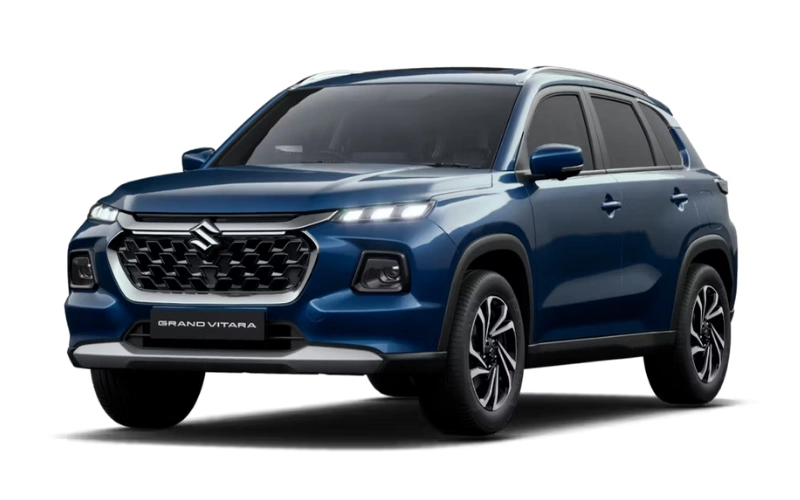
Grand Vitara-97

Maruti Suzuki

Grand Vitara

Ex-showroom

₹10.7L - ₹19.7L

Check On Road Price in Delhi
103 PS
139 Nm
21.11 km/l
VS
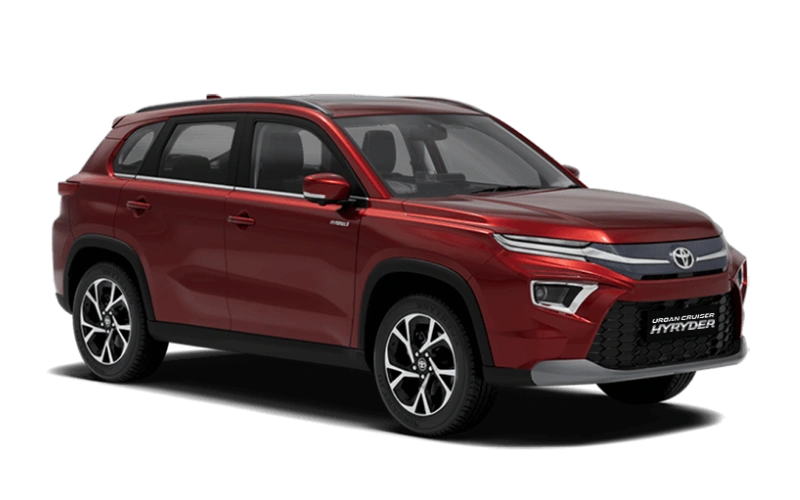
Urban Cruiser Hyryder-89

Toyota

Urban Cruiser Hyryder

Ex-showroom

₹11.3L - ₹20.3L

Check On Road Price in Delhi
103 PS
137 Nm
19.39 km/l
Compare Now
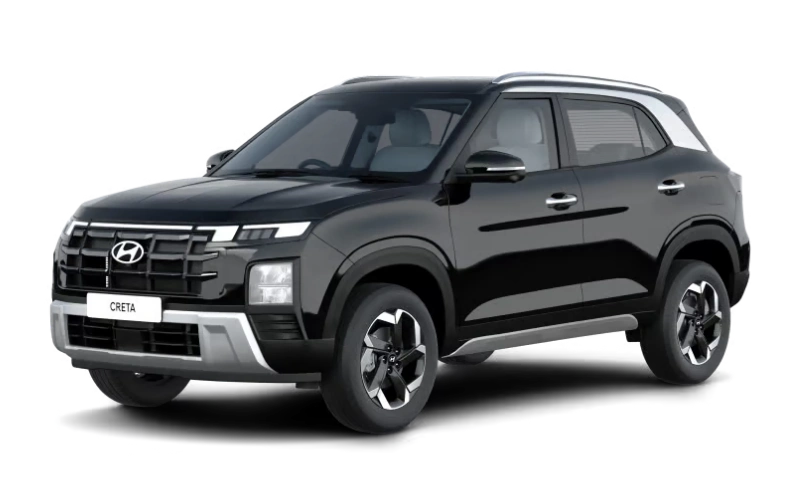
Creta-87

Hyundai

Creta

Ex-showroom

₹10.9L - ₹20.4L

Check On Road Price in Delhi
115 PS
144 Nm
17.4 km/l
VS
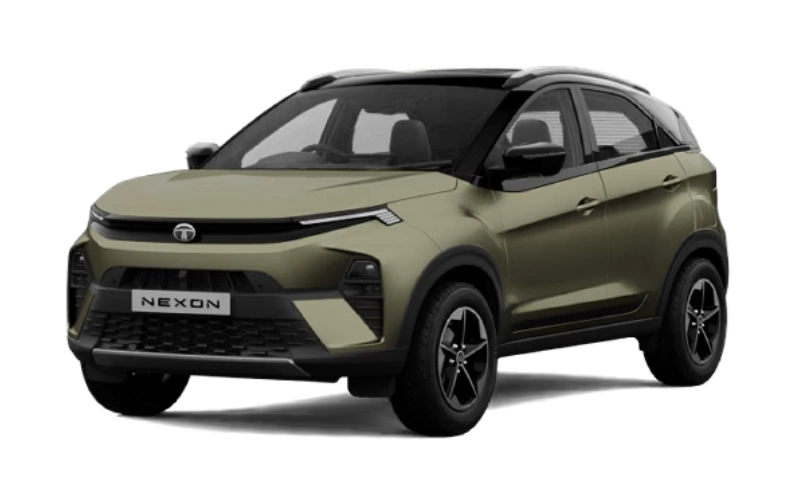
Nexon-72

Tata

Nexon

Ex-showroom

₹7.4L - ₹14.4L

Check On Road Price in Delhi
120 PS
170 Nm
17.44 km/l
Compare Now
Nexon-72

Tata

Nexon

Ex-showroom

₹7.4L - ₹14.4L

Check On Road Price in Delhi
120 PS
170 Nm
17.44 km/l
VS
car

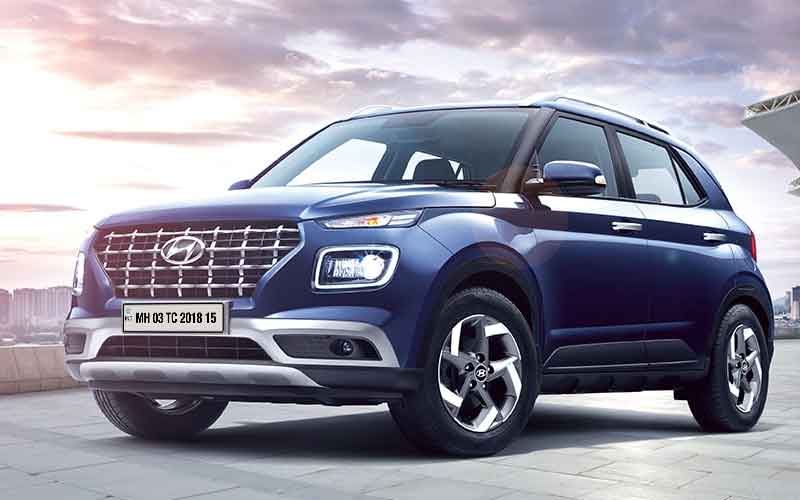
Hyundai

Venue (2019-2022)

Ex-showroom

₹7.1L - ₹11.8L

Check On Road Price in Delhi
83 PS
114 Nm
17.27 km/l
Compare Now
car

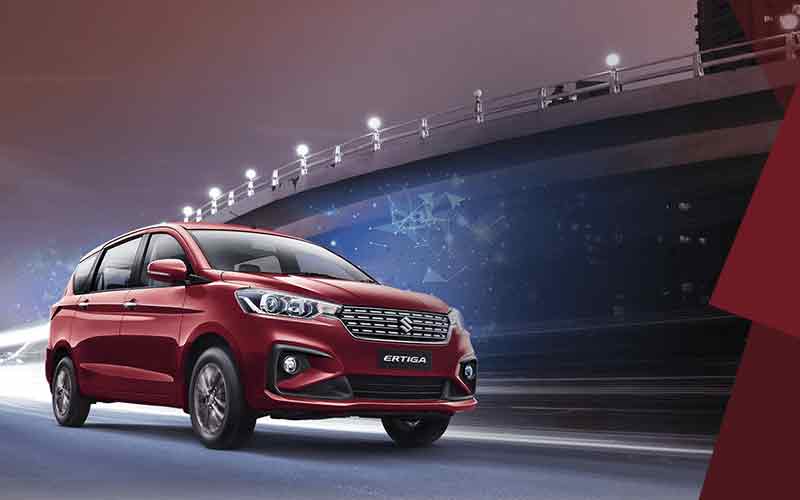
Maruti Suzuki

Ertiga (2012-2022)

Ex-showroom

₹8.1L - ₹10.8L

Check On Road Price in Delhi
105 PS
138 Nm
19.01 km/l
VS
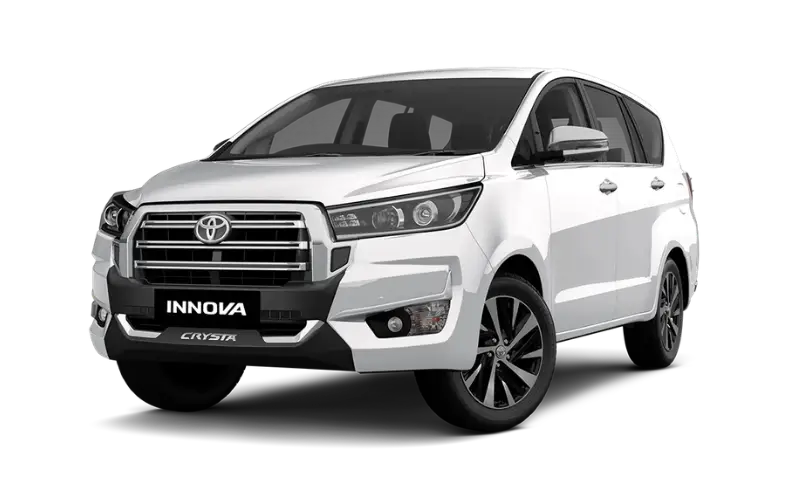
Innova Crysta-65

Toyota

Innova Crysta

Ex-showroom

₹19.9L - ₹27.0L

Check On Road Price in Delhi
150 PS
343 Nm
15.3 km/l
Compare Now
Urban Cruiser Hyryder-89

Toyota

Urban Cruiser Hyryder

Ex-showroom

₹11.3L - ₹20.3L

Check On Road Price in Delhi
103 PS
137 Nm
19.39 km/l
VS
Grand Vitara-97

Maruti Suzuki

Grand Vitara

Ex-showroom

₹10.7L - ₹19.7L

Check On Road Price in Delhi
103 PS
139 Nm
21.11 km/l
Compare Now
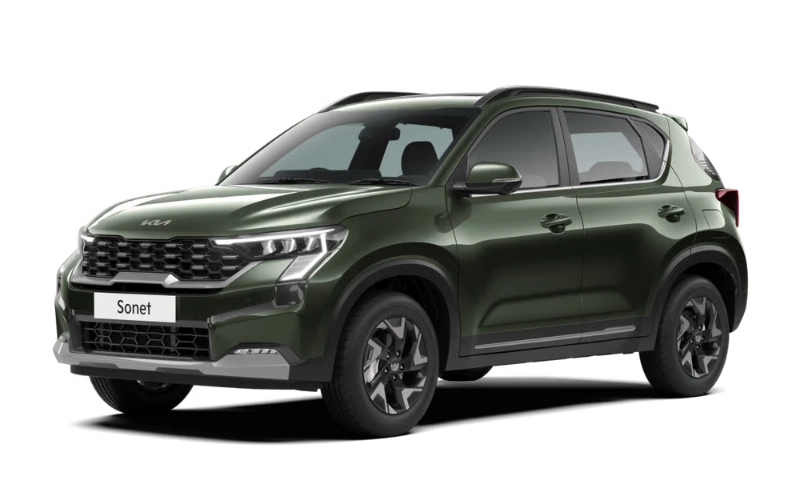
Sonet-24

Kia

Sonet

Ex-showroom

₹7.4L - ₹14.4L

Check On Road Price in Delhi
116 PS
250 Nm
22.3 km/l
VS
car

Hyundai

Venue (2019-2022)

Ex-showroom

₹7.1L - ₹11.8L

Check On Road Price in Delhi
83 PS
114 Nm
17.27 km/l
Compare Now
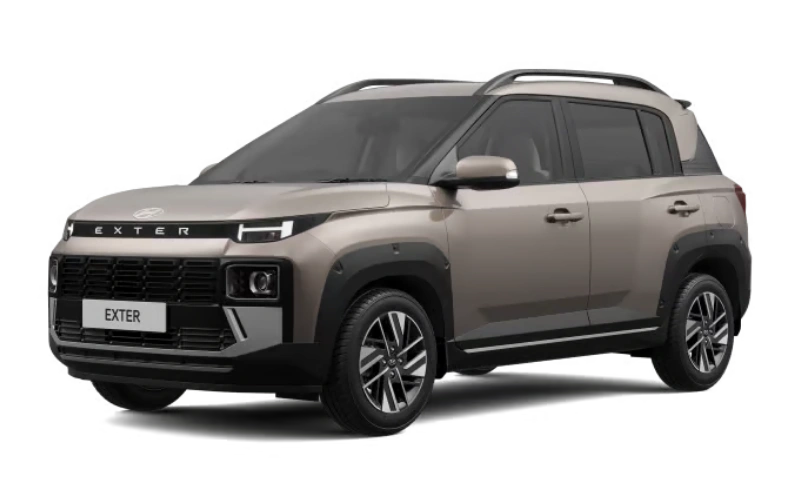
Exter-74

Hyundai

Exter

Ex-showroom

₹5.8L - ₹9.6L

Check On Road Price in Delhi
83 PS
114 Nm
19.4 km/l
VS
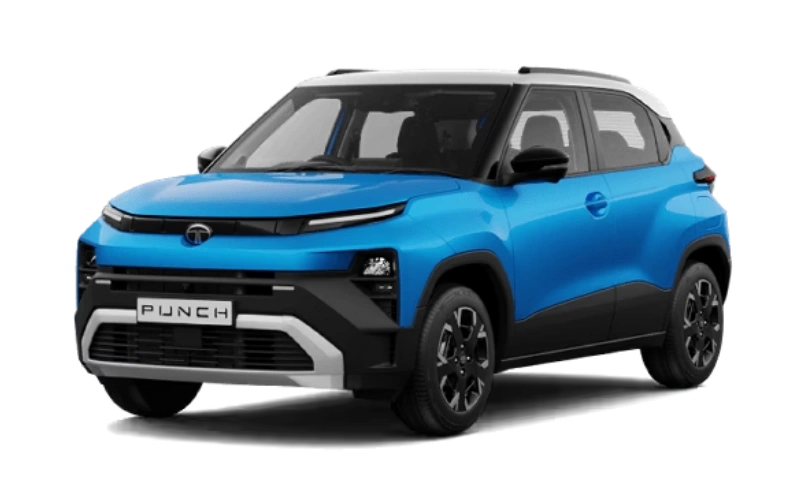
Punch-76

Tata

Punch

Ex-showroom

₹5.7L - ₹10.7L

Check On Road Price in Delhi
88 PS
115 Nm
20.09 km/l
Compare Now
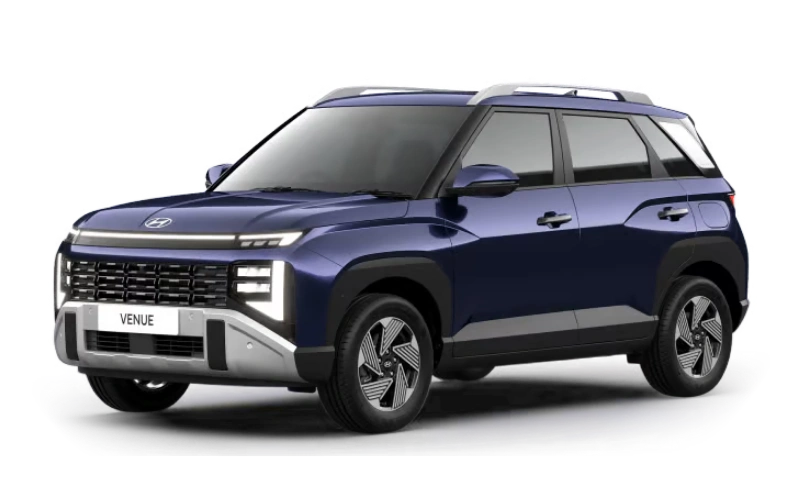
Venue-43

Hyundai

Venue

Ex-showroom

₹8.0L - ₹15.8L

Check On Road Price in Delhi
83 PS
115 Nm
18.05 km/l
VS
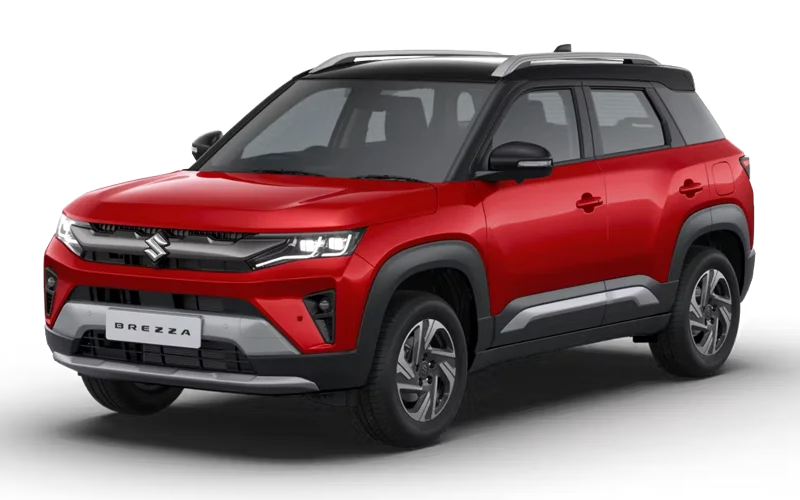
Brezza-36

Maruti Suzuki

Brezza

Ex-showroom

₹7.5L - ₹13.7L

Check On Road Price in Delhi
110 PS
170 Nm
19.96 km/l
Compare Now
Punch-76

Tata

Punch

Ex-showroom

₹5.7L - ₹10.7L

Check On Road Price in Delhi
88 PS
115 Nm
20.09 km/l
VS
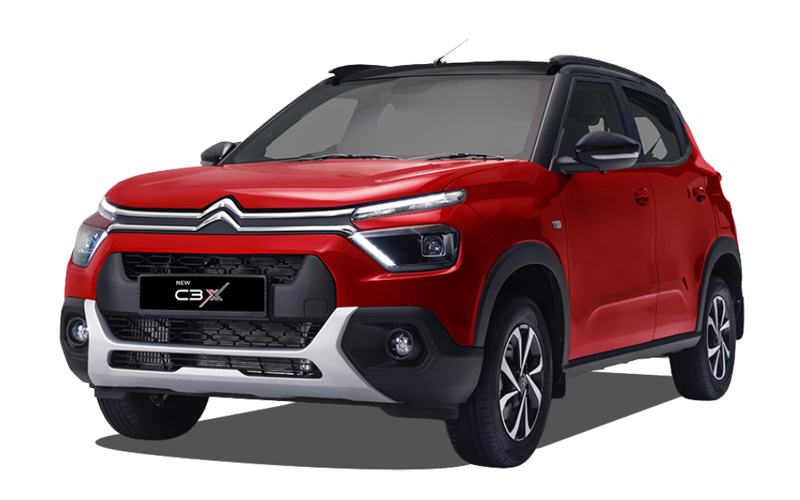
C3-75

Citroen

C3

Ex-showroom

₹5.0L - ₹9.6L

Check On Road Price in Delhi
82 PS
115 Nm
19.3 km/l
Compare Now
Creta-87

Hyundai

Creta

Ex-showroom

₹10.9L - ₹20.4L

Check On Road Price in Delhi
115 PS
144 Nm
17.4 km/l
VS
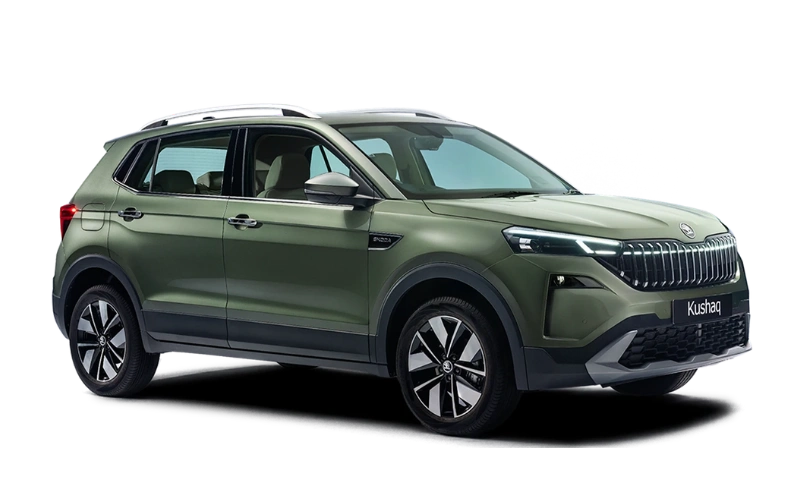
Kushaq-88

Skoda

Kushaq

Ex-showroom

₹10.6L - ₹19.1L

Check On Road Price in Delhi
116 PS
178 Nm
19.66 km/l
Compare Now
C3-75

Citroen

C3

Ex-showroom

₹5.0L - ₹9.6L

Check On Road Price in Delhi
82 PS
115 Nm
19.3 km/l
VS
Punch-76

Tata

Punch

Ex-showroom

₹5.7L - ₹10.7L

Check On Road Price in Delhi
88 PS
115 Nm
20.09 km/l
Compare Now
G 400d-93

Mercedes-Benz

G 400d

Ex-showroom

₹255.0L - ₹255.0L

Check On Road Price in Delhi
330 PS
700 Nm
N/A
VS
car

Mercedes-Benz

AMG G63

Ex-showroom

₹255.0L - ₹400.0L

Check On Road Price in Delhi
585 PS
850 Nm
6.1 km/l
Compare Now
Nexon-72

Tata

Nexon

Ex-showroom

₹7.4L - ₹14.4L

Check On Road Price in Delhi
120 PS
170 Nm
17.44 km/l
VS
Brezza-36

Maruti Suzuki

Brezza

Ex-showroom

₹7.5L - ₹13.7L

Check On Road Price in Delhi
110 PS
170 Nm
19.96 km/l
Compare Now
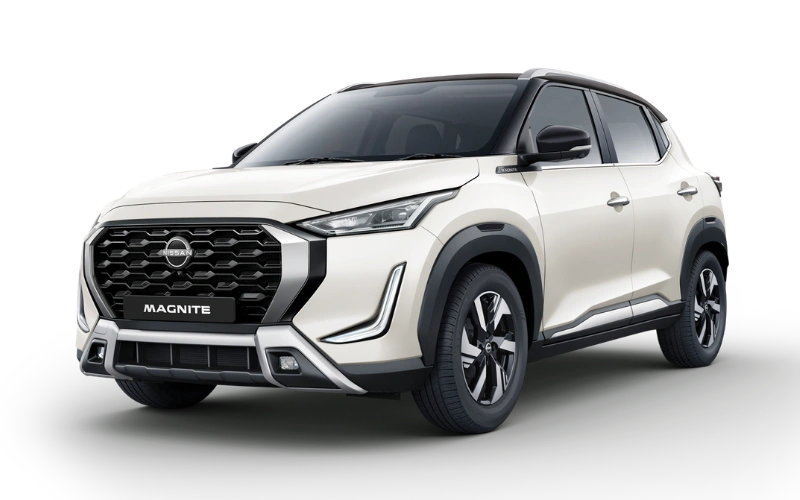
Magnite-20

Nissan

Magnite

Ex-showroom

₹5.6L - ₹10.7L

Check On Road Price in Delhi
72 PS
96 Nm
19.4 km/l
VS
Punch-76

Tata

Punch

Ex-showroom

₹5.7L - ₹10.7L

Check On Road Price in Delhi
88 PS
115 Nm
20.09 km/l
Compare Now
AD

Compare to Choose the Right Car!

Choosing a new car can feel overwhelming, especially when several models fit your budget and preferences. This comparison section helps you simplify that decision by letting you line up multiple cars and instantly see how they differ where it truly matters to you.

Just pick the cars you want to evaluate, select the relevant variants, and the tool highlights meaningful differences—helping you understand which option aligns better with your priorities, whether that’s performance, comfort, practicality or long-term ownership experience.

Car Comparison Tool - How it works

Step 1

Select Cars

car

Choose up to four cars you want to compare & start building your shortlist.

Step 2

Choose Variants

variant

Pick fuel type, transmission & variant for each car.

Step 3

View Detailed Comparison

setting

Get detailed specs, features, prices & differences.

Step 4

Check Expert Verdict

setting

Get smart insights & a clear verdict to understand which car suits you best.

bg

Sell Your Used Car At Best Price

Instant Price Estimate

Instant

Price Estimate

Assisted Sale Process

Assisted

Sale Process

RC Transfer Support

RC

Transfer Support

Why Compare Cars on V3Cars?

Comparing cars becomes easier and more meaningful on V3Cars because our data goes beyond basic specs. We provide variant-wise comparison, helping buyers evaluate real differences that affect buying decisions — not just high-level brochure numbers.

Here’s why buyers trust our comparison tool:

  • Accurate, real-time data taken directly from manufacturer listings
  • Variant-specific insights including features, colours, powertrains and pricing
  • Feature-by-feature breakdowns across safety, ADAS, infotainment, function and style categories
  • Ownership-related details such as mileage, warranty and maintenance expectations
  • Expert interpretation that highlights which car provides better value-for-money
  • Easy-to-use interface designed for real users comparing 2–4 cars — trusted by millions of Indian car buyers

Whether you’re cross-shopping hatchbacks, sedans or SUVs, or deciding between petrol, diesel, CNG or electric variants — V3Cars helps you compare smarter.

Frequently Asked Questions (FAQs)

The V3Cars Compare Cars tool helps you compare cars in India side by side. You can select the exact models, powertrains and variants and compare their prices, specifications, dimensions and features in one place.
Select your city and then choose the brand, model, powertrain and variant for each car. Add at least two cars and click “Compare Now” to view their details side by side.
You can compare a minimum of two and a maximum of four cars at one time. This allows you to compare two, three or four shortlisted cars side by side.
Yes. You can compare cars from the same brand or different brands. Select the required brand, model, powertrain and variant for every car you want to include in the comparison.
Yes. You can select different variants or powertrains of the same model and compare their prices, specifications and features. This can help you understand whether the additional features of a higher variant justify its price difference.

The comparison may include:

  • Price

  • Engine and transmission

  • Power and torque

  • Mileage or driving range

  • Dimensions

  • Ground clearance and boot space

  • Safety features

  • Comfort and convenience features

  • Interior and exterior features

The available information may differ depending on the selected cars and variants.

Yes. You can compare available dimensions such as length, width, height and wheelbase. Depending on the available vehicle data, you may also be able to compare ground clearance, boot space and seating capacity.
Select your city before starting the comparison. V3Cars provides access to the relevant city-wise on-road price information for the selected cars. The final price may vary depending on registration charges, insurance, dealer offers and other applicable costs.
Yes, you can compare different fuel and powertrain options where they are available for the selected models. The comparison can help you evaluate differences in price, performance, mileage or driving range and transmission options.
There is no single car that is best for every buyer. Review the differences in price, performance, mileage, space, safety and features according to your budget and usage. Once you have shortlisted the most suitable options, take a test drive and obtain the latest dealer quotations before deciding.
The comparison is based on the latest information available to V3Cars. Prices, specifications, features and variant availability may be changed by the manufacturer. Always verify the final price, equipment and availability with an authorised dealer before purchasing.

Did you find this information helpful?

AD

Page rating

Share your experience with this page.

4.6/ 5

Based on 9836 ratings.

Rate this page

Click on a star to rate.

Select your rating

Your rating can be saved anonymously.

AD