

Published : 16 January 2023
Read Time : 5 min
Author: Amit Saraswat
Hyundai recently took the wraps off the Grand i10 Nios facelift and opened the bookings for the hatchback. In this article, we explain the updates and changes it offers over the older model.

Hyundai Grand i10 Nios Old Vs Facelift — Design Changes
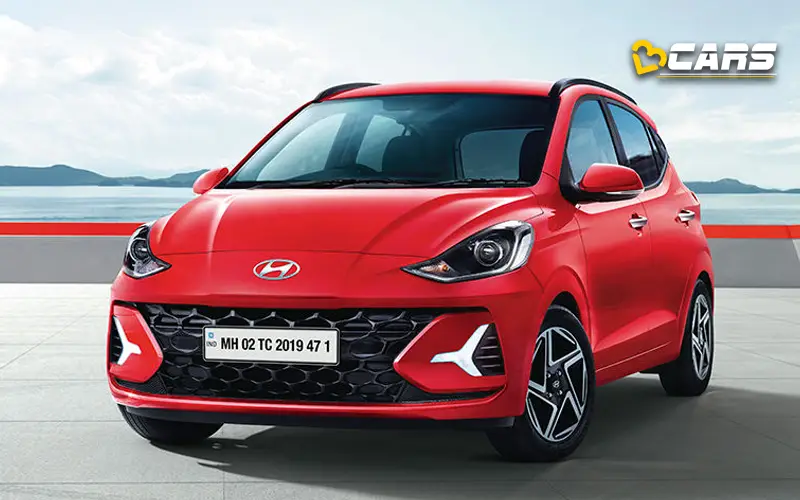
The new Grand i10 Nios facelift comes with an updated design to help it differentiate itself from the outgoing model. To start with, the Grand i10 Nios facelift gets an updated grille that sits lower and gets a larger mesh pattern. The LED DRLs now get a tri-arrow design and sit lower on the bumper. Due to the low placement of the LED DRLs, the Nios now misses out on fog lights. Around the side, the Grand i10 Nios facelift gets new 5-spoke dual-tone alloy wheels and chrome door handles. At the rear, the biggest change is the connected light bar for the LED tail lights. The rear parking camera now sits below the lightbar and not above the registration plate.
Note: Check out the list of Electric Cars in India
Hyundai Grand i10 Nios Old Vs Facelift — Interior Changes
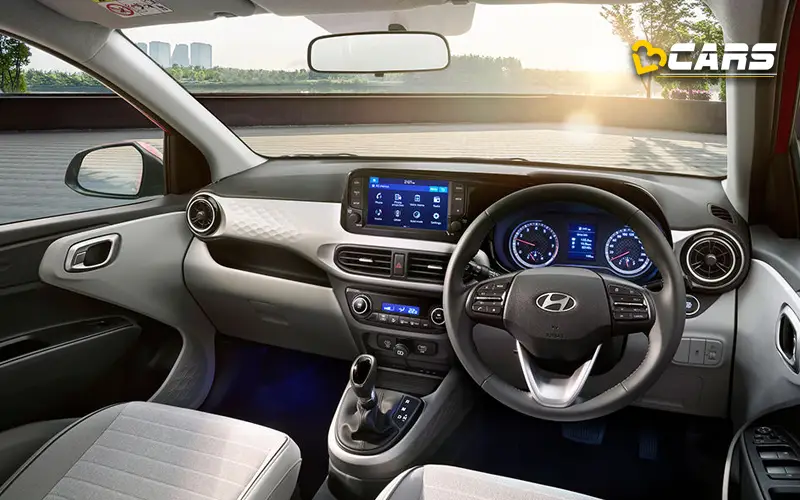
On the inside, there is nothing much to differentiate the 2 models. The only perceptible change on the inside is the inclusion of a twin-dial setup for the instrument cluster. Earlier, the top variants of the Grand i10 Nios offered a semi-digital instrument cluster whereas the facelift comes with a twin-dial setup and a small multi-info display (MID) in the middle. The facelift also gets a new dual-tone colour scheme for the dashboard and door panels.
Hyundai Grand i10 Nios Old Vs Facelift — Feature Changes
The new Grand i10 Nios facelift gets a long list of features that were not available in the earlier model. Some of the features are even segment-leading and are yet to be offered by the Grand i10 Nios’ rivals.
Take a look at the new features of the Grand i10 Nios facelift:
- Side thorax and curtain airbags
- Electronic stability control
- Hill start assist
- High line tyre pressure monitoring system
- LED tail lights
- Footwell lighting
- Wireless phone charger
- Cooled glovebox
- Rear AC vents
- Cruise control
- Auto headlights
The Grand i10 Nios facelift is currently the only car in its segment to offer 6 airbags, wireless phone charger and a tyre pressure monitoring system.
Note: Check your car’s fuel cost with Fuel Cost Calculator India
Hyundai Grand i10 Nios Old Vs Facelift — Powertrain Details
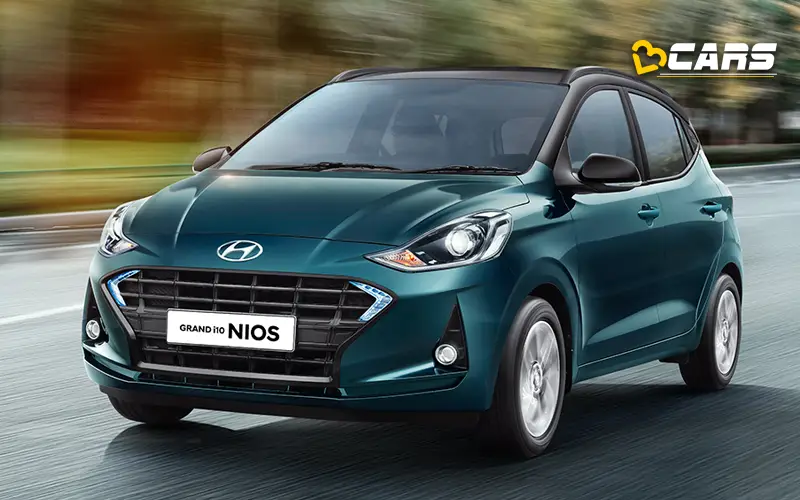
Hyundai offer the Grand i10 Nios facelift with 2 engine choices. It comes with a 1.2L normal petrol and a 1.2L petrol-CNG and the former comes with the option of a 5-speed manual or a 5-speed automated manual transmission. The outgoing Nios also offered the choice of a 1.0L turbo petrol engine and a 1.2L turbo diesel engine. While the Nios diesel is unlikely to make a comeback, Hyundai may bring the 1.0L turbo petrol engine in the form of the Nios N Line in the future.
Hyundai have commenced bookings for the Grand i10 Nios facelift and the prices will be announced on January 20, 2023. The Grand i10 Nios facelift will continue to rival other B1-segment hatchbacks like the Maruti Suzuki Swift and Tata Tiago.
Also Read: 2024 Maruti Suzuki Swift, Dzire – Auto Expo Updates