

 Upcoming CarsPopular CarsLatest CarsElectric Cars
Estimate costs and savings with our handy automotive calculators.
Simplify your car ownership journey with our buying, selling, and renewal tools.
Explore additional resources and comparisons for car enthusiasts.
Published : 23 July 2026
Read Time : 5 min
Author: Nikil Jonathan
Car engines can be classified by fuel type, powertrain type and layout. This guide explains the main types of car engines and powertrains.
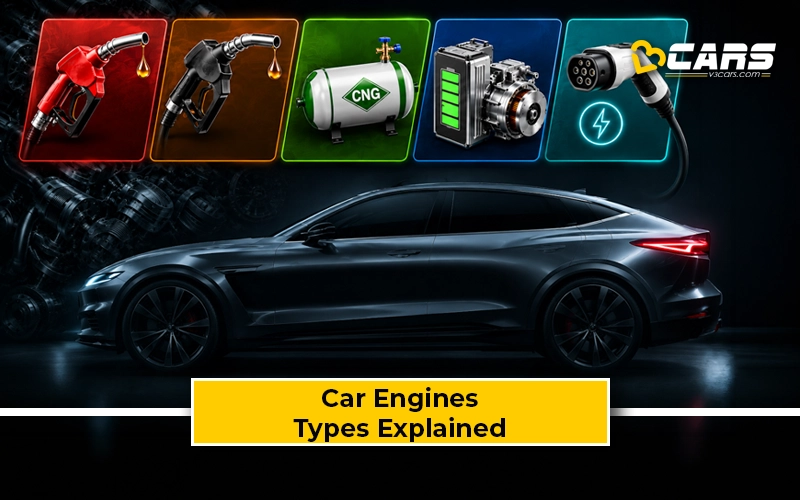
Car Engines Based On Fuel Or Powertrain Type
The easiest way to understand engines is to first look at the fuel or powertrain type. Petrol, diesel, CNG, flex-fuel, hybrid, plug-in hybrid and electric cars all work differently and suit different usage patterns.
The main types of car engines and powertrains are:
- Petrol engines
- Diesel engines
- CNG engines
- Flex-fuel engines
- Hybrid powertrains
- Electric powertrains
- Plug-in hybrid powertrains
- Range extender electric vehicles
Electric vehicles do not have a conventional petrol or diesel engine. They use electric motors. However, EVs are still compared with petrol, diesel, CNG and hybrid cars while choosing a new car.
The following table explains the main types of car engines and powertrains:
Petrol, diesel and CNG are currently the most familiar options. Hybrid and electric cars are growing in relevance. Flex-fuel engines are important for the future, but they are still at an early stage as a practical ownership option in India.
Petrol Engine
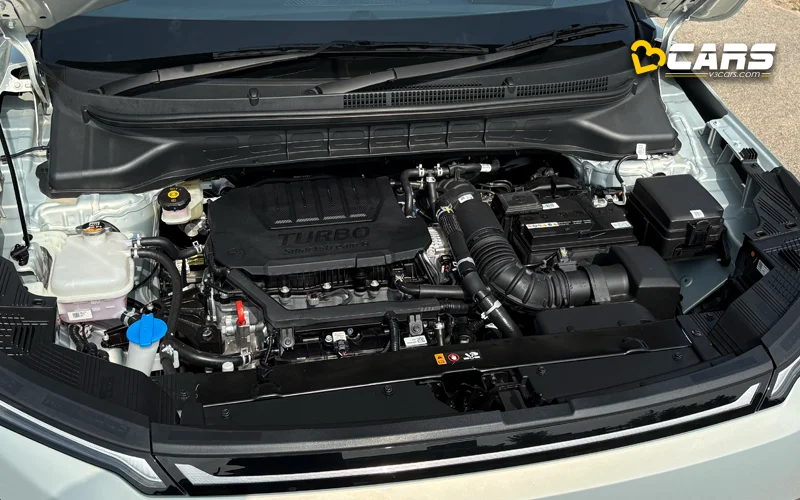
Petrol engines are the most common type of engine in passenger cars. They use spark plugs to ignite an air-fuel mixture and generate power. Petrol cars are usually smoother and quieter than diesel cars. Their initial price also tends to be lower than diesel, hybrid and electric cars. For low-to-moderate running, a petrol car is often the simplest option.
Diesel Engine
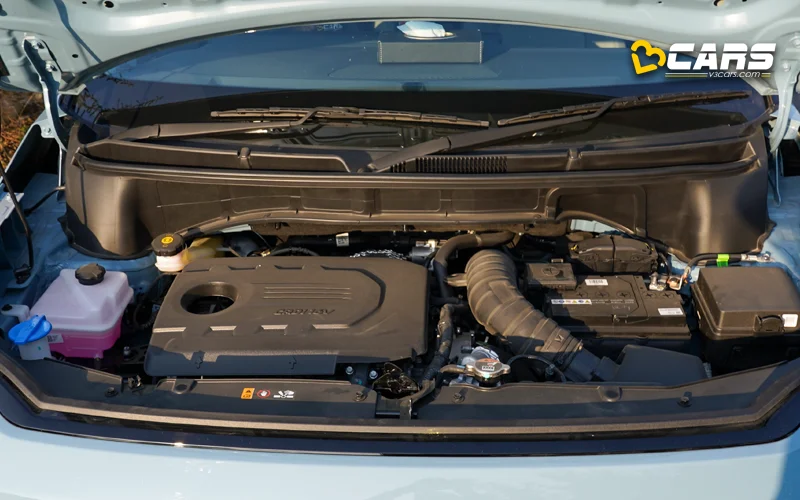
Diesel engines use compression ignition instead of spark plugs. They compress air inside the cylinder until it becomes hot enough to ignite diesel fuel. Diesel engines are known for strong torque and good fuel efficiency. They are especially useful in larger cars and SUVs. However, diesel options have reduced in smaller car segments over the years.
CNG Engine
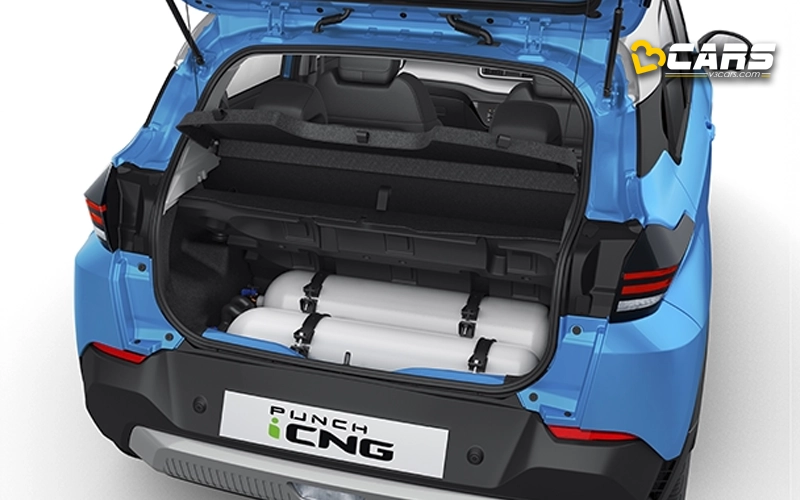
Most CNG cars use petrol engines modified to also run on compressed natural gas. This makes them bi-fuel cars, as they can usually run on both petrol and CNG. CNG cars offer lower running costs than petrol cars. They are especially useful for high city running and regular access to CNG pumps.
Flex-Fuel Engine
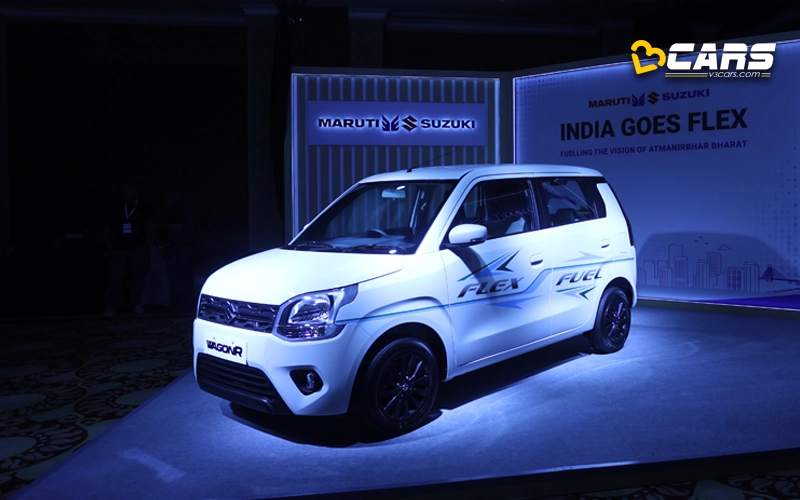
Flex-fuel engines are petrol engines designed to run on different ethanol-petrol blends. A regular modern petrol car may be compatible with E20 petrol, but a true flex-fuel vehicle can run on higher ethanol blends such as E85 or E100, depending on the vehicle’s design. Flex-fuel technology is becoming more relevant because of the shift towards higher ethanol blending. However, flex-fuel cars are still at an early stage as a practical ownership option - for now there is only one car on sale with a flex fuel engine - the Maruti Suzuki WagonR Bioflex.
Hybrid Powertrain
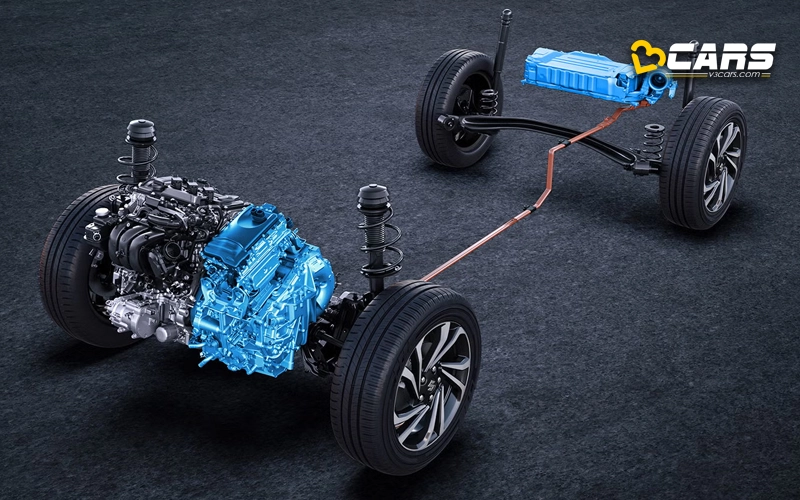
Hybrid cars combine an internal combustion engine with an electric motor and battery. The electric motor assists the engine and helps improve fuel efficiency. Most regular hybrid cars do not need external charging. They recover energy while braking and use that energy to support electric driving or engine assistance.
There are different types of hybrid cars. The main difference is how much work the electric motor can do.
Hybrid cars suit those who want better mileage than petrol cars without depending on charging infrastructure. They make sense for city usage where fuel efficiency and refuelling convenience are both important.
New Energy Vehicles (NEV)
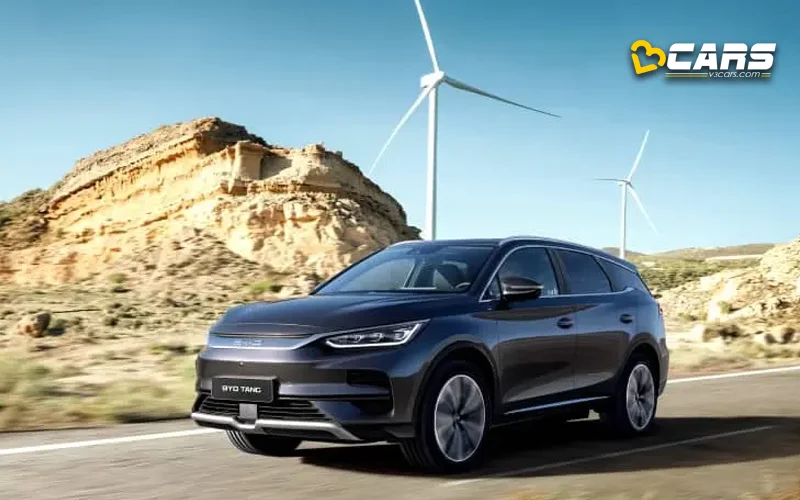
NEV standard for New Energy Vehicle. The term originated in the Chinese automotive industry and is now widely used by Chinese carmakers such as BYD, MG, Chery, Geely and GWM. Unlike petrol or diesel cars, NEVs rely primarily on electricity as their source of propulsion and significantly reduce dependence on fossil fuels.
NEV is not a separate engine or powertrain type. Instead, it is a broad category that groups together vehicles capable of being charged externally and driven primarily using electric power.
The following table explains what qualifies as an NEV:
Unlike conventional hybrids, mild hybrids and strong hybrids are generally not considered NEVs because they cannot be plugged in for charging and remain primarily dependent on their internal combustion engines.
Note: NEV is a marketing and industry classification rather than a technical powertrain type. Every BEV is an NEV, and most PHEVs and REEVs are also classified as NEVs.
Electric Powertrain or Battery Electric Vehicles (BEV)
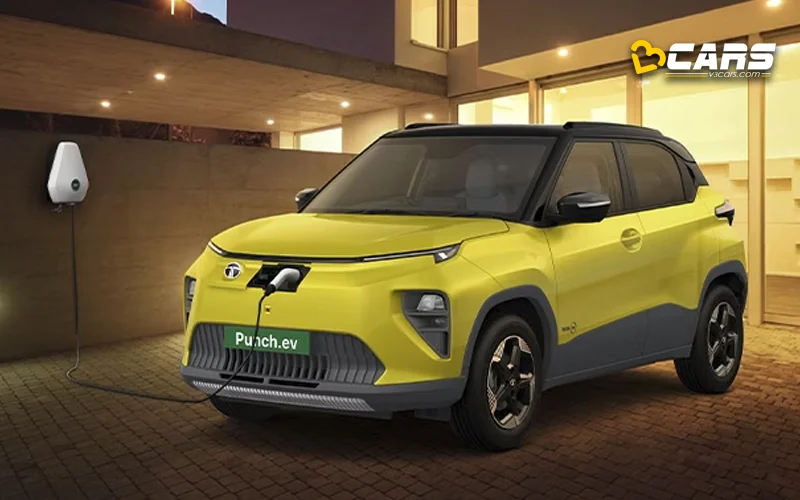
Electric vehicles, also known as Battery Electric Vehicles (BEVs) do not use a conventional petrol or diesel engine. They use a battery pack and one or more electric motors. EVs offer quiet driving, instant torque and lower running costs. However, they work best when reliable home or office charging is available.
Plug-in Hybrid Powertrain (PHEV)
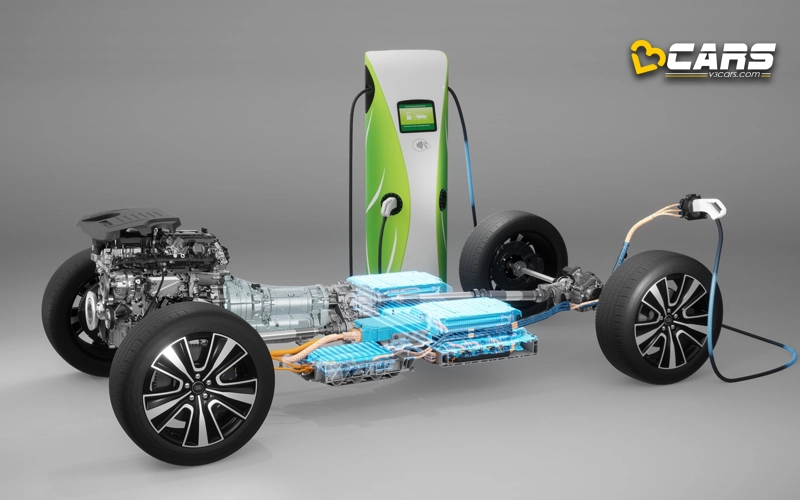
Plug-in hybrid electric vehicles (PHEVs) have a larger battery than regular hybrids. They can be charged externally and can run on electric power for short distances before the engine takes over. They are not common and are mostly relevant in premium or luxury segments, the most affordable plug-in hybrid car currently on sale in India is the BMW M5, which costs Rs 2.09 crore, ex-showroom.
Range Extender Electric Vehicle (REEV/EREV)
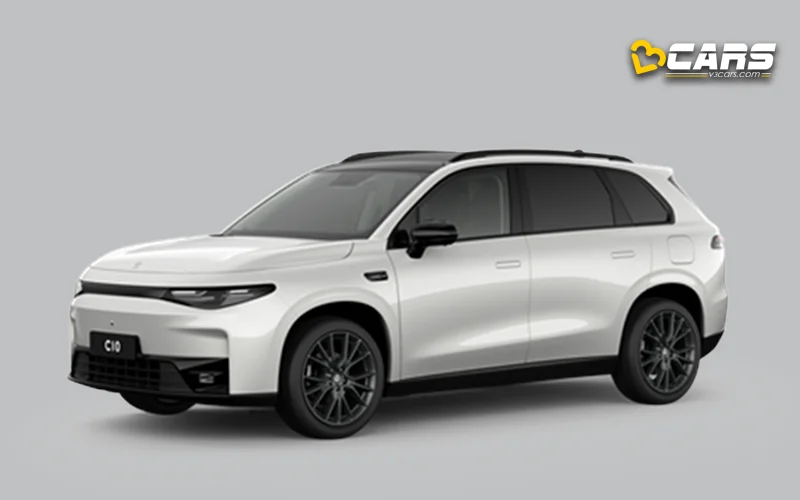
Range Extender Electric Vehicles (REEVs), also known as Extended-Range Electric Vehicles (REEVs), are a type of electric vehicle that always uses one or more electric motors to drive the wheels. Unlike a plug-in hybrid, the petrol engine never powers the wheels directly. Instead, it acts as a generator to recharge the battery when the charge level drops, extending the driving range. REEVs combine the smooth driving experience of an EV with the convenience of a petrol engine for longer journeys.
Examples of REEVs include the Leapmotor C10 (pictured above) and Chery Exeed Exlantix REEV.
Car Engines Based On Cylinder Layout
A petrol, diesel, CNG or flex-fuel engine can have different cylinder layouts. Most mass-market cars use inline-3 or inline-4 engines. More complex layouts are mostly seen in luxury cars, performance cars, supercars and hypercars.
The following table explains common car engine layouts:
Most mass-market cars in India use inline-3 or inline-4 engines. The more complex layouts are mostly seen in luxury cars, performance cars, supercars and hypercars.
Petrol Vs Diesel Vs CNG Vs Flex Fuel Vs Hybrid Vs EV - Which One Should You Choose?
The following table explains which engine or powertrain type makes sense for different usage patterns:
Other Engine And Powertrain Technologies
The engine and powertrain types listed above are the most relevant for regular ownership. However, some advanced technologies are limited to luxury cars, supercars, hypercars, future concepts or engineering discussions.
Rotary Engines
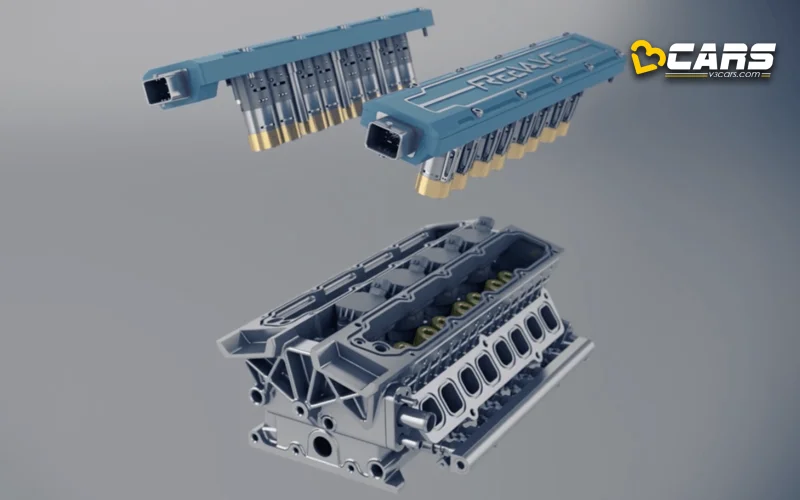
Image source: Wikisympathisant, via Wikimedia Commons, CC BY-SA 4.0
Rotary engines use a rotor instead of pistons. They are compact, smooth and high-revving, which made them popular among enthusiasts. Mazda used rotary engines in cars like the RX-7 and RX-8 in the past. More recently, Mazda used a rotary engine as a generator in a plug-in hybrid setup. In that case, the rotary engine does not directly drive the wheels like a conventional petrol engine.
Rotary engines are worth knowing about from an engineering and enthusiast point of view. But they are not relevant for mainstream cars today and should not be compared directly with petrol, diesel, CNG, flex-fuel, hybrid or EV powertrains.
Camless Or Free-Valve Engines
Most petrol and diesel engines use a camshaft to control the opening and closing of intake and exhaust valves. Camless or free-valve engines replace the traditional camshaft with electronically controlled valve actuation. This gives engineers more control over valve timing, valve lift and valve duration. In simple terms, the engine can decide more precisely how much air to let in and when to let exhaust gases out. This can help improve performance, fuel efficiency and emissions.
This technology is still not out of the realm of future engine technology or supercar-level engineering. While Koenigsegg was supposed to launch the technology in the Tiny Friendly Giant (TFG) engine with the four-seater Gemera - the car was instead launched with a conventional 5.0L, twin-turbocharged V8 instead.
Axial-flux Motors
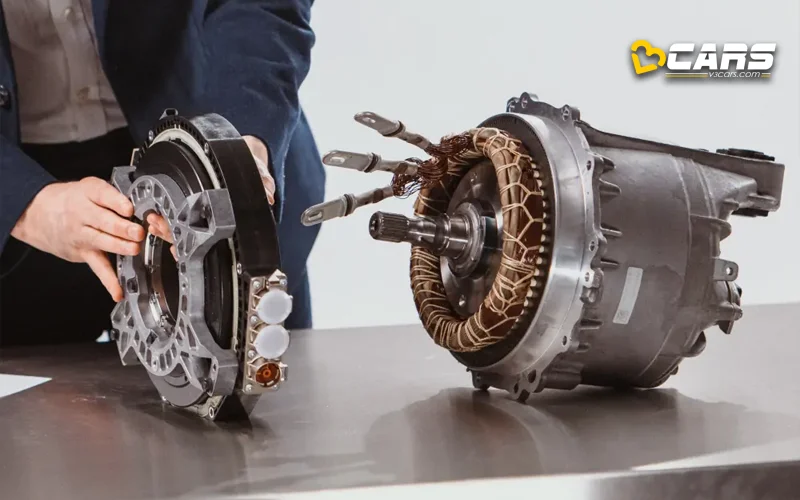
Most electric vehicles use radial-flux motors. Axial-flux motors are flatter and more compact. Their disc-like shape can help reduce weight and free up packaging space. This type of motor is especially useful in high-performance EVs because it can offer strong power and torque density in a smaller package. It can also help carmakers package electric motors in tighter spaces.
For now the technology is new and expensive and thus is being used in high performance cars like the Lamborghini Temerario, Ferrari SF90 Stradale, Koenigsegg Regera, McLaren Artura and the recently unveiled second-generation Mercedes-AMG GT 4-Door Coupé.
Hydrogen Fuel-Cell Vehicles
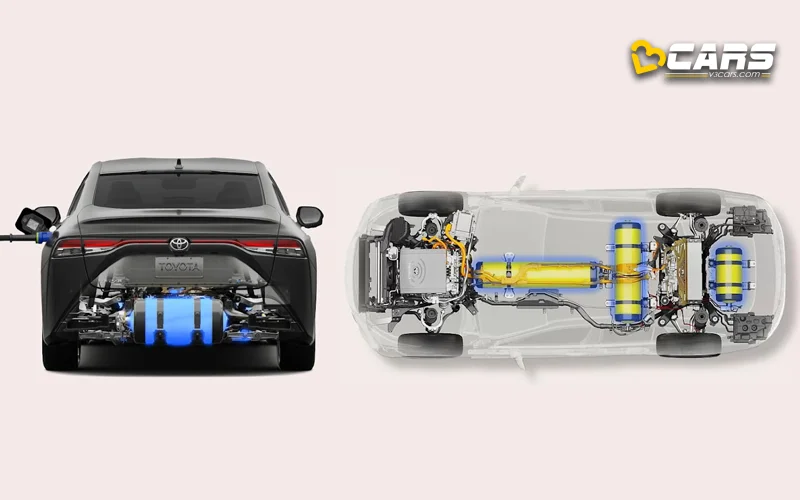
Hydrogen fuel-cell vehicles (HFCVs) use hydrogen to generate electricity. This electricity powers an electric motor, so the driving experience is closer to an EV than a petrol or diesel car. The advantage is that hydrogen refuelling can be quicker than battery charging. Fuel-cell vehicles can also offer EV-like driving without a large battery pack.
The challenge is infrastructure. Fuel-cell vehicles need dedicated hydrogen refuelling stations, which makes them impractical for regular private ownership right now. Long term storage is also a problem since hydrogen leaks very easily and needs specialised, expensive and often heavy tanks at both the fuel stations and HFCVs.
Conclusion
Different types of car engines can be understood in 3 ways: fuel type, powertrain type and engine layout. Petrol, diesel, CNG and flex-fuel engines mainly differ by the fuel they use. Hybrid, plug-in hybrid and electric powertrains differ by how much they depend on electric power. Engine layouts like inline-3, inline-4, V6 and V8 describe how the cylinders are arranged.
For most people, the fuel or powertrain type matters more than the engine layout. A petrol car is usually the simplest option for moderate running. A diesel engine still makes sense for high highway usage and larger SUVs. CNG can reduce running costs in city usage. Hybrids offer better mileage without external charging, while EVs work best when charging access is reliable.
Flex-fuel engines are worth watching because of the shift towards higher ethanol blends. However, they are still emerging as a practical ownership option. So, the right engine or powertrain type depends on usage, fuel access, charging access, budget and long-term ownership plans.
FAQs About Different Types Of Car Engines
How many types of car engines are there?
Car engines can be classified by fuel type, powertrain type and layout. The main types by fuel and powertrain are petrol, diesel, CNG, flex-fuel, hybrid, plug-in hybrid and electric. Engine layouts include inline-3, inline-4, V6, V8 and other cylinder arrangements.
Which type of car engine is best?
There is no single best engine type for everyone. Petrol engines are usually the simplest choice for moderate running. Diesel engines suit frequent highway usage and larger SUVs. CNG engines help reduce running costs in city usage. Hybrid cars offer better mileage without external charging, while EVs make sense when charging access is reliable and daily running is predictable.
Is a CNG engine better than a petrol engine?
A CNG engine is better than a petrol engine if lower running cost is the main priority and CNG pump access is convenient. However, petrol engines are simpler to use, offer wider fuel availability and usually deliver better performance than the same car running in CNG mode. So, CNG makes more sense for high city running, while petrol is better for lower running or limited CNG access.
What is a flex-fuel engine?
A flex-fuel engine is a petrol engine designed to run on different ethanol-petrol blends. For example, an E20-compatible petrol engine can run on petrol with 20 percent ethanol. A true flex-fuel engine can run on higher ethanol blends such as E85 or E100, depending on the vehicle’s design. Regular petrol cars should only use the fuel approved by the manufacturer.
What is the difference between hybrid and plug-in hybrid engines?
A regular hybrid uses an engine, electric motor and small battery to improve fuel efficiency. It does not need external charging because the battery charges through regenerative braking and engine power. A plug-in hybrid has a larger battery that can be charged externally. It can usually drive longer on electric power before the engine takes over.
Do electric cars have engines?
Electric cars do not have petrol or diesel engines. They use electric motors powered by a battery pack. That is why EVs are better described as electric powertrains instead of engine-powered cars. However, EVs are still commonly compared with petrol, diesel, CNG and hybrid cars while choosing a new car.
What is the most common car engine type in India?
Petrol engines are the most common engine type in passenger cars in India - with Inline-3 and Inline-4 being the most common layouts. Diesel engines remain relevant in larger cars and SUVs, while CNG is popular among those who want lower running costs. Hybrid and electric powertrains are also growing, but petrol remains the most familiar and widely available option.
Before you finalise your next car, these V3Cars tools can help you make a more informed decision:
Fuel Cost Calculator for Cars – Know your monthly fuel expense based on usage and mileage
Car On-Road Price Calculator – Convert ex-showroom to on-road price for any city
Sell Used Car Online – Enter your car and contact details to get an instant price estimate and book a free inspection with our partner network
Did you find this information helpful?

Content Writer
Nikil's a huge fan of classic cars, especially Italian beauties such as the Alfa Romeo Giulia Sprint and the Iso Grifo. His love for cars and bikes originated when he first laid his eyes on a poster of the Ferrari F40 and the MV Agusta F4 when he was just a child. He also loves all things analogue, especially vintage cameras and turntables.
Car News Update
View All Latest News
Hyundai Neira EV Revealed As Kia Carens Clavis EV Twin – India Launch Yet To Be Confirmed
Hyundai have unveiled the production-spec Neira EV, a 7-seater electric MPV for the Indonesian market. The new model is a badge-engineered sibling of the Kia Carens Clavis EV sold in India, sharing its overall design, lighting elements and features. Hyundai will showcase the Neira at the 2026 Gaikindo Auto Week (GJAW), scheduled to take place in Indonesia from November 20 to 29.

2026 Hyundai Verna Scores 5-Star Bharat NCAP Safety Rating
The 2026 Hyundai Verna has secured a 5-star Bharat NCAP safety rating for both adult and child occupant protection. The sedan scored 28.22 points out of 32 in adult occupant protection (AOP) and 44 points out of 49 in child occupant protection (COP).
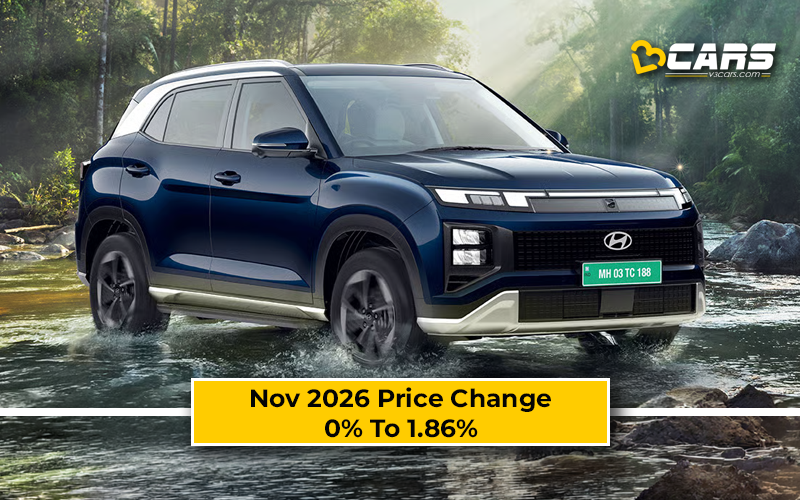
November 2026: Hyundai Creta EV Price Change - Increased By Up To Rs. 40,000
Hyundai have revised the prices of the Creta EV for November 2026. The Smart (O) and Excellence variants with the 51.4kWh battery pack have received a price hike of Rs. 40,000 each, while the prices of the remaining variants are unchanged.

Tata Sierra EV Scores 5-Star Bharat NCAP Safety Rating
The Tata Sierra EV has secured a 5-star safety rating in Bharat NCAP crash tests, scoring 30.62 points out of 32 for adult occupant protection and 45 points out of 49 for child occupant protection. The crash tests were conducted using the top-spec Empowered A 75kWh QWD variant. However, the safety rating applies to all variants of the electric SUV.

VinFast VF 5 – What To Expect From Upcoming Tata Nexon EV Rival?
VinFast have confirmed plans to launch the VF 5 electric SUV in India. The upcoming model will become the Vietnamese carmaker’s most affordable offering in the country and is expected to compete against the Tata Nexon EV and other B2-segment electric SUVs. The India-bound model is expected to be the recently revealed VF 5 facelift, which gets revised exterior styling, a more practical cabin and larger battery options.

Mini Cooper SE And Paul Smith Edition Bookings Open
Mini India have opened pre-launch bookings for the all-electric Mini Cooper SE and the new Mini Paul Smith Edition. Prices, variant-wise details and launch timelines are yet to be announced.

Mahindra XEV 9S Scores 5-Star Bharat NCAP Safety Rating
The Mahindra XEV 9S has secured a 5-star safety rating in the Bharat New Car Assessment Programme (Bharat NCAP) crash tests. The 3-row electric SUV scored 31.15 out of 32 points for Adult Occupant Protection (AOP) and 45 out of 49 points for Child Occupant Protection (COP), earning the highest 5-star rating in both categories.

2027 Audi A5 – What To Expect: Design, Features, Powertrain And Launch Timeline
The new-generation Audi A5 was spotted testing in India ahead of its expected launch in February 2027. The A5 will replace the A4 in Audi India’s lineup and compete against the BMW 3 Series and Mercedes-Benz C-Class. It will be locally assembled as part of Audi’s 3-model launch programme for India.

JSW Motors Website Goes Live Ahead Of Combat SUV Debut
JSW Motors have launched their official website ahead of the brand’s debut in India on December 3, 2026. The website allows prospective buyers to register their interest in the company’s first SUV, the Combat, which is expected to be unveiled on December 4. However, the company is not accepting bookings yet.
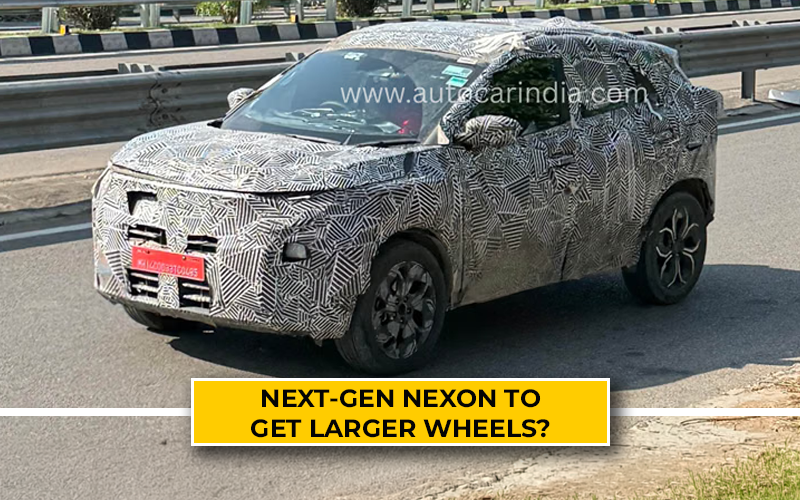
2027 Tata Nexon Spied With Curvv Alloy Wheels, New Front Design
The next-generation Tata Nexon was spotted testing again, revealing more details about its exterior design and features. Codenamed ‘Garud’, the new Nexon is expected to debut in 2027 with a redesigned exterior and interior. The latest spy shots reveal Curvv-like alloy wheels, rear disc brakes, a front radar module and a new rear windscreen design. Interior spy shots have also hinted at 2 freestanding displays.

Upcoming Cars In November 2026 - Mercedes-Benz GLC Electric, Denza, Mini & BMW
The Indian car market is set to see several new launches in November 2026, with luxury electric cars and performance models making up much of the upcoming lineup.

Toyota Innova Hycross Facelift Teased Ahead Of November 25 Launch
Toyota have released the first teaser of the updated Innova Hycross ahead of its India launch on November 25, 2026. The teaser reveals redesigned headlamps with new LED daytime running lights (DRLs).
Expert Car Reviews
View All Car Reviews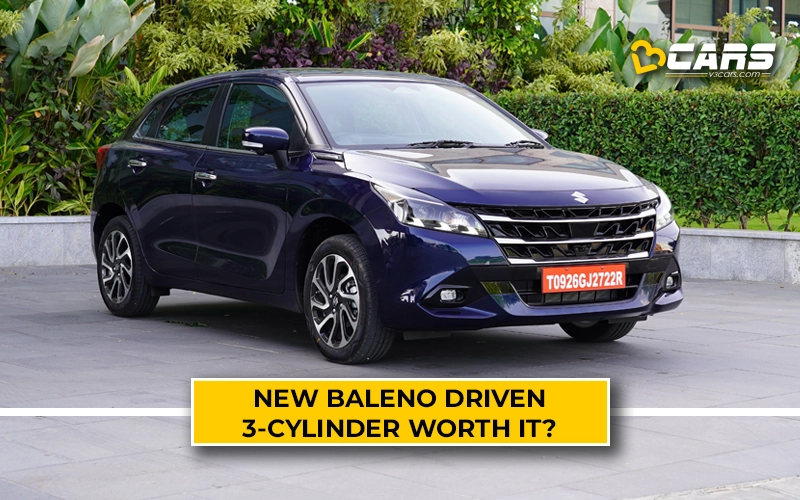
2026 Maruti Baleno Facelift Photo Gallery - Design, Features And Drive Review
The 2026 Maruti Baleno facelift gets a new 1.2L 3-cylinder petrol engine, level 2 ADAS and ventilated front seats. We drove it to see whether the new engine and added features make up for the loss of the old 4-cylinder’s refinement.
2026 Tata Curvv Series X Photo Gallery - Exterior, Interior And Features
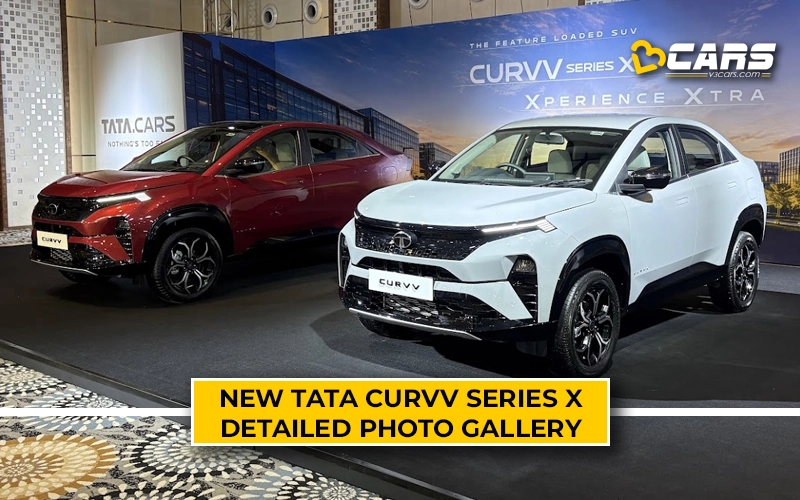
Tata have launched the 2026 Curvv Series X with a simpler variant lineup and several features moved further down the range. We got a closer look at the new Curvv Series X, including the Pure X Plus and Creative X Plus variants. In this detailed photo gallery, we take you through their exterior differences, interior, features, rear-seat space and the construction of Tata’s R-Comfort seats.
2026 Maruti Brezza Facelift Worth Buying?
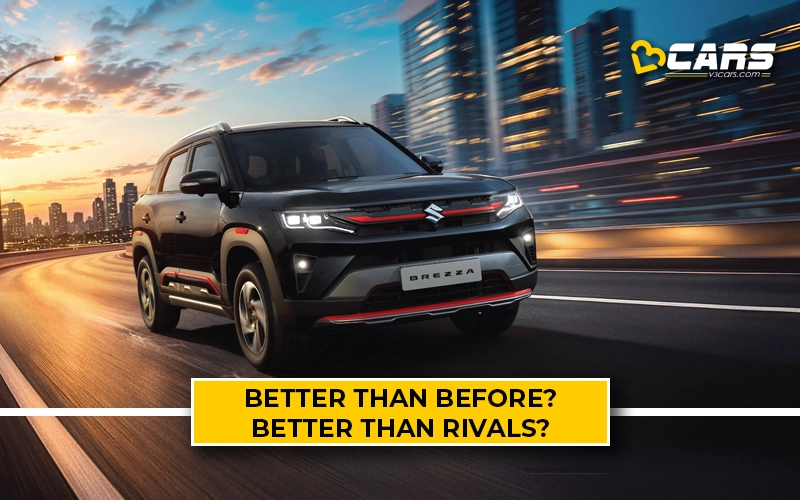
The 2026 Maruti Brezza adds a 1.0L turbo petrol engine, more features and a 5-star Bharat NCAP rating. Its underbody CNG cylinder also frees up the full 328L boot. However, not every powertrain and variant offers equally strong value. We explain which Brezza to buy and when a rival makes more sense.
2026 Maruti Arena Brezza 1.0L Turbo Manual First Drive Review
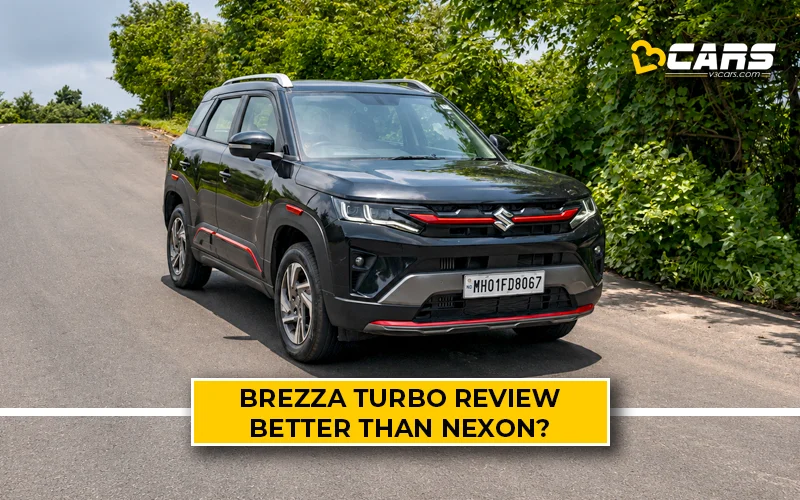
We drove the 2026 Maruti Arena Brezza with its new 1.0L turbo petrol engine and 6-speed manual transmission. We covered roughly 50km over about 2 hours at speeds representative of typical city driving. Here are my impressions of its performance, refinement, mileage, highway manners, ride and everyday usability.
2026 Maruti Brezza CNG 328L Boot Space Explained
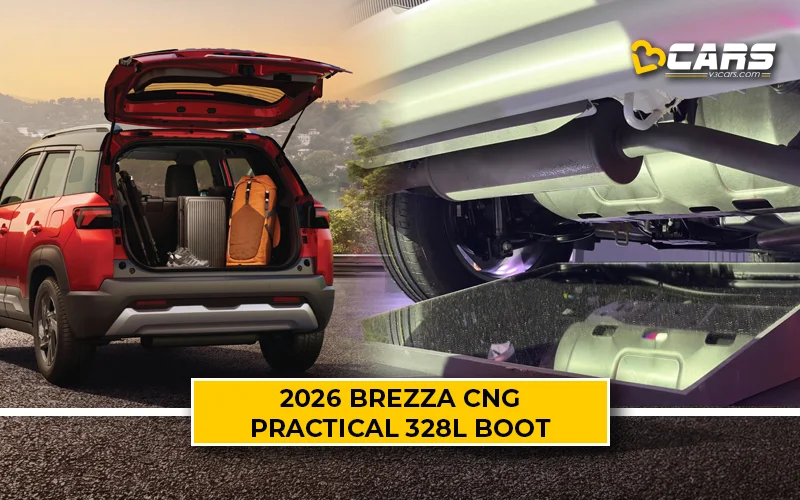
The 2026 Maruti Brezza CNG now has its cylinder mounted below the body, allowing it to retain the petrol version’s full 328L boot space. We examine the practical improvement, dimensions, ground clearance and boot-related features offered with each CNG variant.
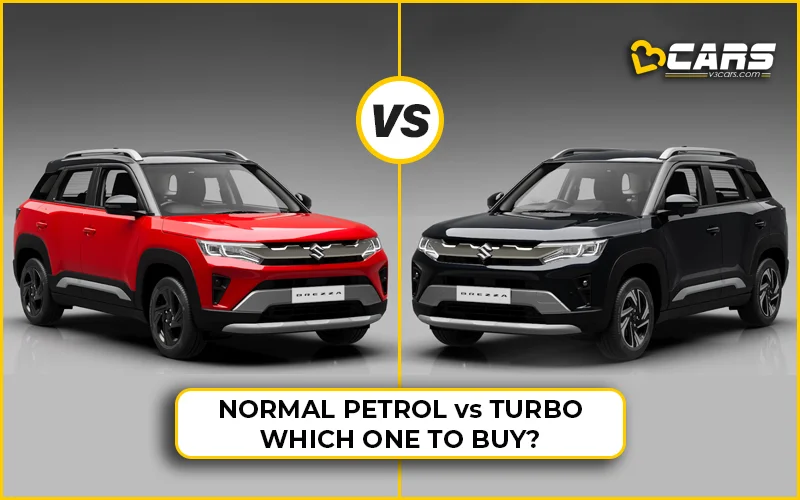
2026 Maruti Brezza 1.0L Turbo Vs 1.5L Petrol - Which One To Buy?
The 2026 Maruti Brezza offers a new 1.0L turbo petrol engine alongside the familiar 1.5L normal petrol. Both engines come with a new 6-speed manual transmission. The smaller turbo costs less and offers more power, torque and features, while the 1.5L petrol claims better mileage. We compare the 2 to determine which Brezza petrol-manual makes more sense.
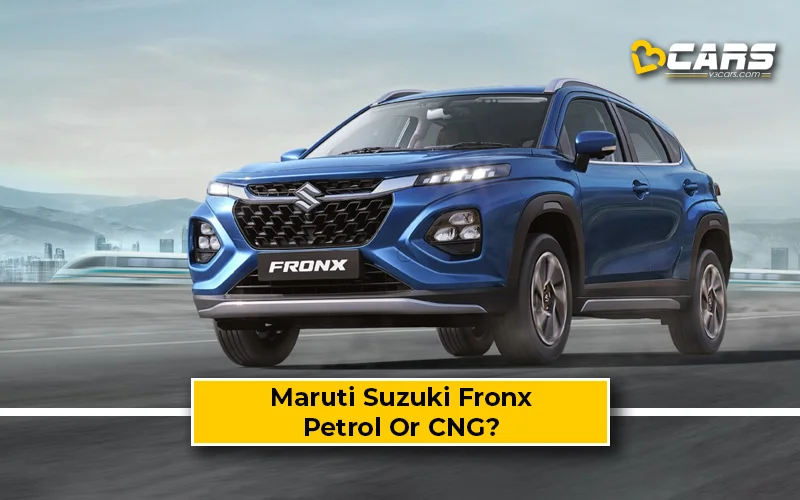
Maruti Arena Fronx Petrol Vs CNG Mileage And Running Cost
If you’re wondering whether to buy the Maruti Suzuki Fronx petrol or CNG, this article will help you make a data-backed decision. We compare the latest ex-showroom prices, official mileage figures and current fuel prices in Delhi to calculate the running cost difference between the Fronx petrol and CNG variants. We also calculate how many kilometres you need to drive the Fronx CNG to recover its higher upfront cost over the petrol variant.
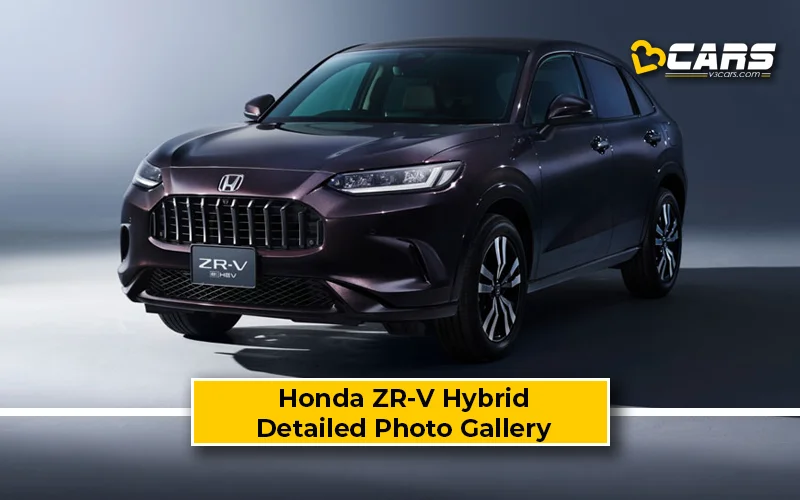
2026 Honda ZR-V Hybrid Photo Gallery
The 2026 Honda ZR-V Hybrid is set to launch in India as Honda’s new flagship SUV on May 22, 2026. Positioned above the Elevate, the ZR-V will rival premium SUVs like the Volkswagen Tiguan R-Line and Skoda Kodiaq with its strong hybrid powertrain, premium interior and advanced features. In this detailed photo gallery, we take a closer look at the ZRV Hybrid’s design, cabin, practicality, safety features and hybrid technology.
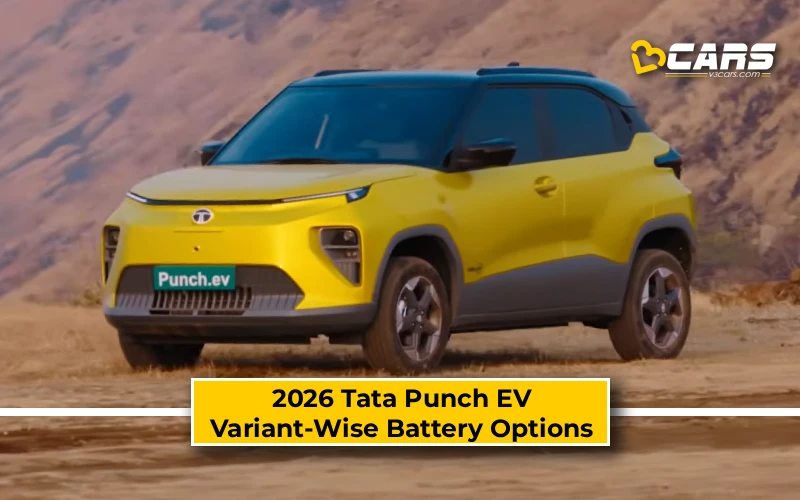
2026 Tata Punch EV Variant-Wise Powertrain Options – Battery, Range & Specifications
The 2026 Tata Punch EV is available with multiple battery pack and motor configurations, giving buyers the flexibility to choose between affordability and longer driving range. Depending on the variant, the new Punch EV offers different power outputs, battery capacities and claimed range. In this article, we break down the 2026 Punch EV’s variant-wise powertrain options and check out which variants get the 30kWh and 40kWh battery packs, along with their performance specifications, so you can pick the variant that best suits your needs.
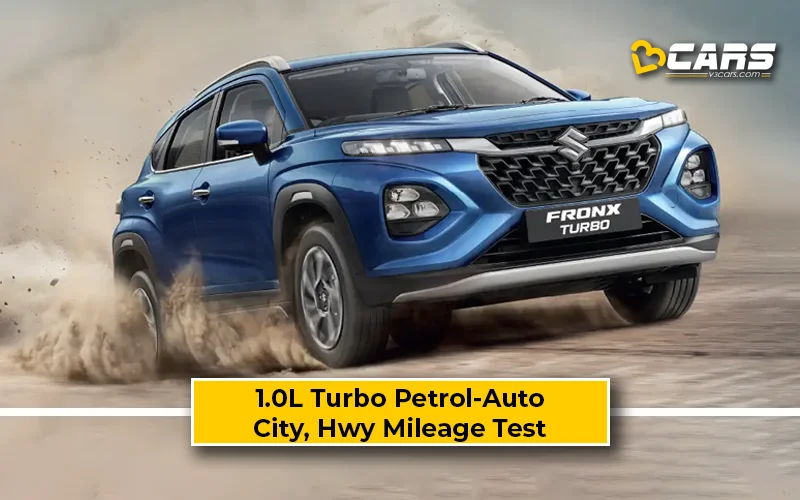
Maruti Fronx 1.0L Turbo Petrol-Auto Mileage Test: Real World City, Highway Fuel Efficiency
In this article, we’ll present the data based on V3Cars mileage test and inform you about what real-world fuel efficiency you can expect from the Maruti Fronx 1.0L turbo petrol-automatic in city and highway driving conditions. We’ll also find out how much the mileage numbers deviate from the manufacturer-claimed fuel efficiency figures. The information presented in this article will also help you learn about the mileage differences you can expect when driving in the city vs driving on the highway.
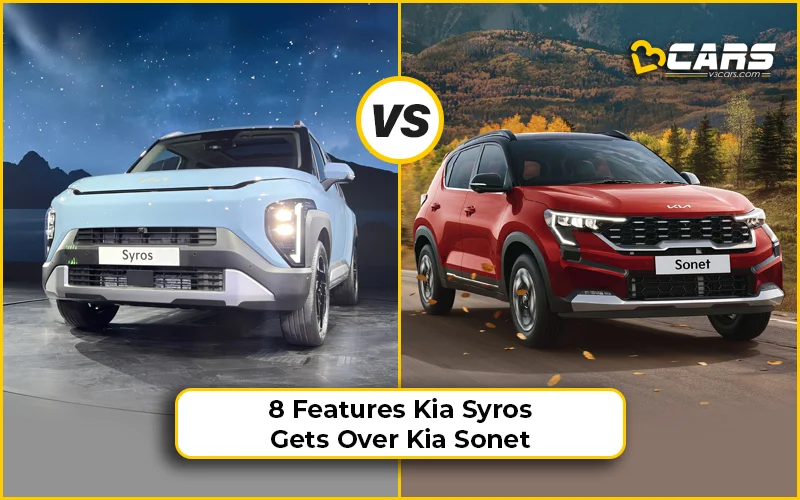
10 Features New Kia Syros Gets Over Kia Sonet
Kia unveiled their all-new B2-segment SUV, the 2025 Syros, on December 19, 2024. While Kia India are yet to reveal the variant-wise prices of the 2025 Syros, it is expected to slot in between the Sonet B2-SUV and Seltos C-SUV.
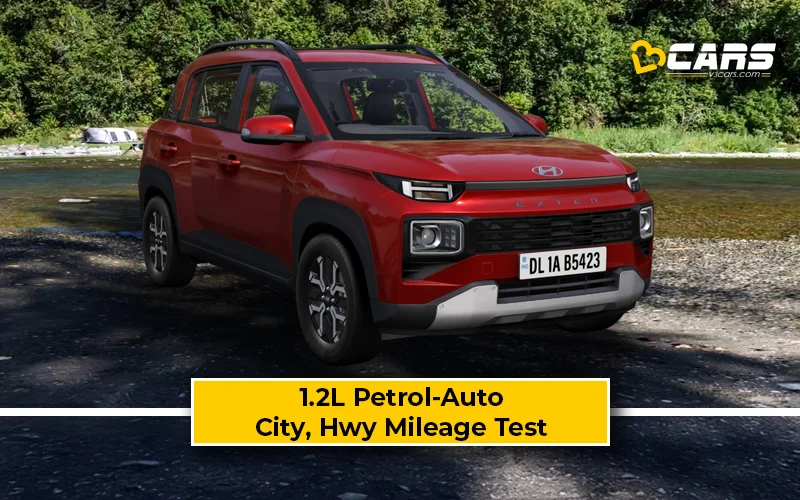
Hyundai Exter 1.2L Petrol-Auto Mileage Test: Real World City, Highway Fuel Efficiency
In this article, we’ll present the data based on V3Cars mileage test and inform you about what real-world fuel efficiency you can expect from the Hyundai Exter 1.2L petrol-automatic in city and highway driving conditions. We’ll also find out how much the mileage numbers deviate from the manufacturer-claimed fuel efficiency figures. The information presented in this article will also help you learn about the mileage differences you can expect when driving in the city vs driving on the highway.
Latest Videos
View All Car Latest Videos


Upcoming Cars In India
View All Upcoming Cars




Popular News
Mahindra Thar Roxx (Thar 5-door) Expected Price — #WithLogic (Updated: Jul 29)

5 Missing Features In Mahindra XUV700 Over Scorpio N

Top 5 Features Scorpio N Misses But The Tata Safari Gets
Top 5 Differences – Maruti Suzuki Grand Vitara Vs Toyota Urban Cruiser Hyryder
Maruti Suzuki Grand Vitara Ex-Showroom Price Leaked Ahead Of July 20 Debut

6 Missing Features In 2022 Hyundai Venue Facelift
Maruti Suzuki Grand Vitara Expected Prices
2022 Toyota Urban Cruiser Hyryder Expected Prices — Mild Hybrid, AWD And Mild Hybrid Auto
Kia Seltos Facelift Launch In 2023
2022 Mahindra Scorpio - First Teaser Drops Ft. Amitabh Bacchan
Updated Maruti Nexa Fronx Expected Price Calculation (Variant-wise) - With Logic

7 Missing Features In Hyundai Creta Over Toyota Urban Cruiser Hyryder
Latest Car News
Hyundai Neira EV Revealed As Kia Carens Clavis EV Twin – India Launch Yet To Be Confirmed
2026 Hyundai Verna Scores 5-Star Bharat NCAP Safety Rating
November 2026: Hyundai Creta EV Price Change - Increased By Up To Rs. 40,000
Tata Sierra EV Scores 5-Star Bharat NCAP Safety Rating
VinFast VF 5 – What To Expect From Upcoming Tata Nexon EV Rival?
Mini Cooper SE And Paul Smith Edition Bookings Open
Mahindra XEV 9S Scores 5-Star Bharat NCAP Safety Rating
2027 Audi A5 – What To Expect: Design, Features, Powertrain And Launch Timeline
JSW Motors Website Goes Live Ahead Of Combat SUV Debut
2027 Tata Nexon Spied With Curvv Alloy Wheels, New Front Design
Upcoming Cars In November 2026 - Mercedes-Benz GLC Electric, Denza, Mini & BMW
Comments
0 comments