

 Upcoming CarsPopular CarsLatest CarsElectric Cars
Estimate costs and savings with our handy automotive calculators.
Simplify your car ownership journey with our buying, selling, and renewal tools.
Explore additional resources and comparisons for car enthusiasts.
Published : 25 May 2026
Read Time : 5 min
Author: Siddharth
Turbo engine cars are becoming common in India, even in smaller and more affordable segments. Carmakers use turbocharged engines to offer stronger performance from smaller engines. These engines can also help carmakers meet stricter fuel efficiency and emission targets. But for buyers, the bigger question is simple - is a turbo engine better than a normal engine?
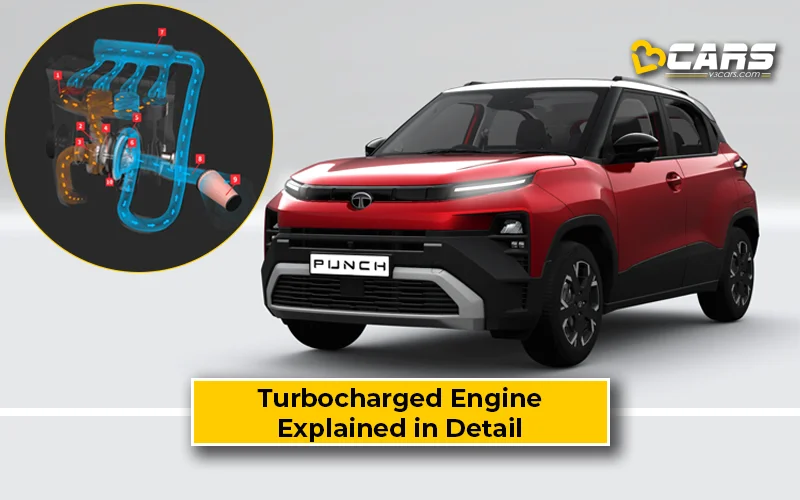
"Turbocharger Animation by Tyroola" by PatriciaWrites, used under CC BY 4.0 / Modified from original
In this article, we explain what a turbo engine is, how a turbocharger works, why carmakers are switching to turbo engines, and the benefits and drawbacks you should know before buying a turbo petrol or turbo diesel car.
What Is A Turbo Engine?
Any internal combustion engine, regardless of if it runs on petrol, diesel or CNG fuel, which uses a turbocharger is called a turbo engine. Unlike a normal engine, a turbo engine uses forced induction to push more air into the engine.
An engine needs fuel, air and heat to create combustion. A turbocharger mainly improves the air part of this process. It increases the amount of air entering the engine, which allows the engine to burn more fuel when required and produce more power.
Before turbochargers, car manufacturers achieved this larger volume of air by increasing the size of the engine - larger the cylinders, more air and fuel could be added for better performance. But there is a limit to the amount of air an engine can pull naturally, a way to ‘push’ more air in was needed.
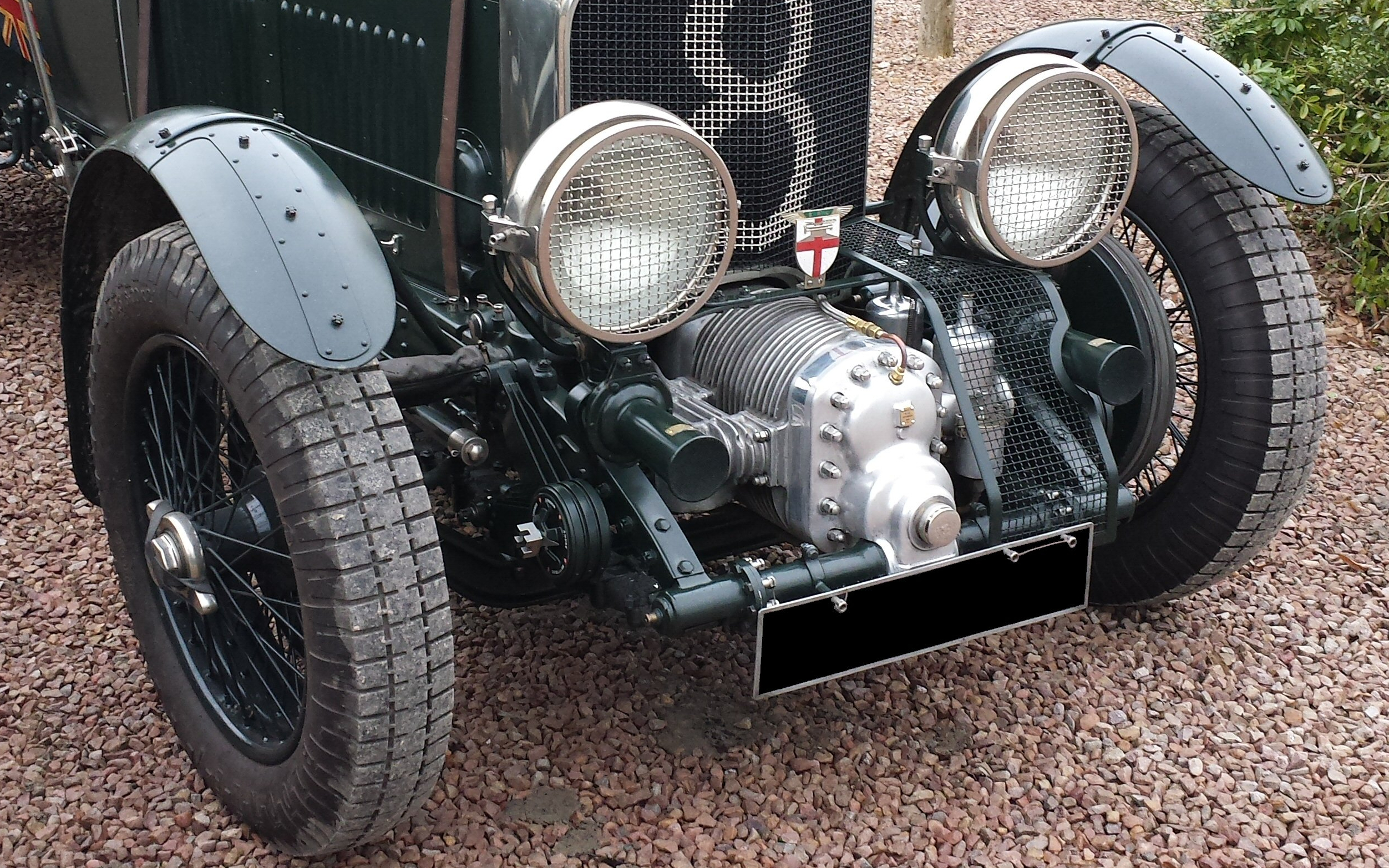
"Bentley_4½_Litre_1929" by DeFacto, used under CC BY-SA 4.0 / Modified from original
The earliest method of forcing air into cars was with ‘blowers’, the modern version of which is called a supercharger. These are usually linked to the engine via a belt, so while they respond to accelerator inputs quickly, they put more strain on the engine. Superchargers usually offer quicker response than turbochargers because they are driven directly by the engine. However, since they take power from the engine to run, they are generally less efficient.
Also Read: Different Types of Car Engines Explained
How are turbochargers different? Here’s a simple explanation:
How Does A Turbocharger Work?
Simply put, a turbocharger is an air pump with 2 main wheels inside it. One wheel sits on the exhaust side and spins using the force of the exhaust gases. The other wheel sits on the intake side and pushes more fresh air into the engine. When the engine exhaust air reaches a certain speed, it has enough flow to turn the turbocharger fan, which makes the other side of the turbocharger pull more fresh air and compress it into the engine.
So, the turbocharger system uses exhaust air from the engine, which would otherwise have been wasted, to push in more fresh air into the engine. This higher density air helps the engine make more power from the same amount of fuel, increasing performance as well as mileage.
Turbo Engine Vs Normal Engine: What Is The Difference?
Let’s compare a normal engine and a turbo engine of different cars at the same price and same body style. In this case the Maruti Suzuki Brezza VXi normal petrol manual and the Hyundai Venue HX 2 turbo petrol manual:
As can be seen clearly from the table above, despite being 32 percent smaller in displacement, with one fewer cylinder and powering a car that is heavier, the Hyundai Venue turbo petrol develops more power and torque while returning 5 percent better mileage than the Maruti Suzuki Brezza normal petrol.
Why Are Indian Car Brands Switching To Turbo Engines?
While turbocharged diesel engines in cars are not a new phenomenon, the adoption of small turbo petrol engines has grown in recent years - especially in smaller cars and SUVs. For manufacturers, the biggest draw for offering small turbocharged engines in small cars is the better ARAI-certified mileage and lower emissions these engines produce.
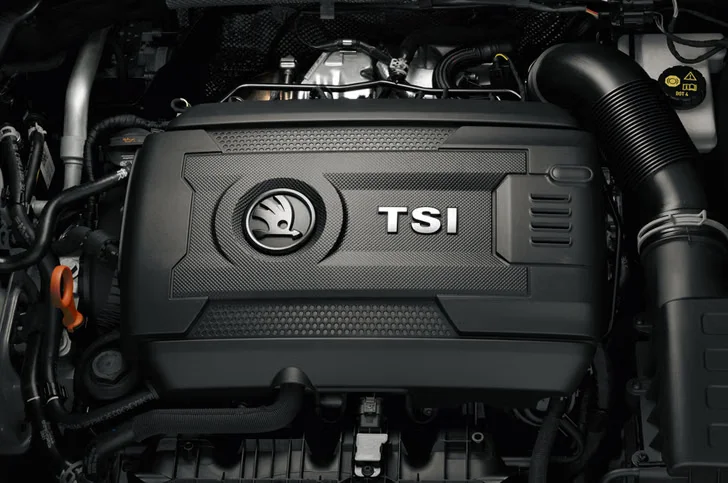
Turbocharging helps carmakers use smaller engines without giving up too much performance. Smaller engines can help reduce fuel consumption and emissions in official test conditions, especially when they are driven gently. We have already explained how turbo engines use less fuel for the same amount of performance, but as can be seen in the table above - they can develop even more performance while using less fuel. This combination of higher mileage and higher performance helps car makers market turbo engine cars to even more customers, even if there is a slight price difference between cars with normal engines and turbo engines. On paper, it looks like a win-win for both carmakers and car buyers.
Benefits Of A Turbo Engine Car
For a car buyer, the biggest advantage offered by turbo engine cars is the performance they offer for the price. A small turbo engine in a small car can deliver more performance than a normal engine that is much bigger for not a lot more money, as can be seen in the Brezza normal petrol vs Venue turbo petrol example given above. If you look closely at the torque figures, you will notice the Venue’s 1.0L engine develops more torque much lower in the engine rev range and for longer too. This means easier acceleration from a stop, easier overtakes on highways and better performance with a full load of passengers and luggage.
Drawbacks Of A Turbo Engine Car
Turbo engine cars are not perfect, though. The basic design of a turbocharger means it needs the engine exhaust air to reach a minimum speed before it can push fresh air into the engine - which means there is always a lag between you pressing the accelerator and the turbocharger actually delivering that rush or performance. In budget cars, manufacturers cannot always use expensive lag-reducing technology. So, drivers may feel turbo lag more clearly in such cars. This is especially noticeable with a full load or while driving uphill.
With power comes responsibility. And if you get addicted to the higher power/torque of a turbo engine, the fun and fast driving style will lead to much lower mileage. In V3Cars-tested mileage runs, we also found that small turbo engine cars give better mileage on the highway than in the city.
Normal engines have less moving parts than turbo engines. With the added complexity comes the chance of more things to take care of, higher maintenance costs and higher repair/replacement costs. Turbo engines are also more sensitive to bad fuel than normal engines, which requires the driver to be more careful of where they choose to fill up fuel.
Turbo Petrol Vs Turbo Diesel Engine
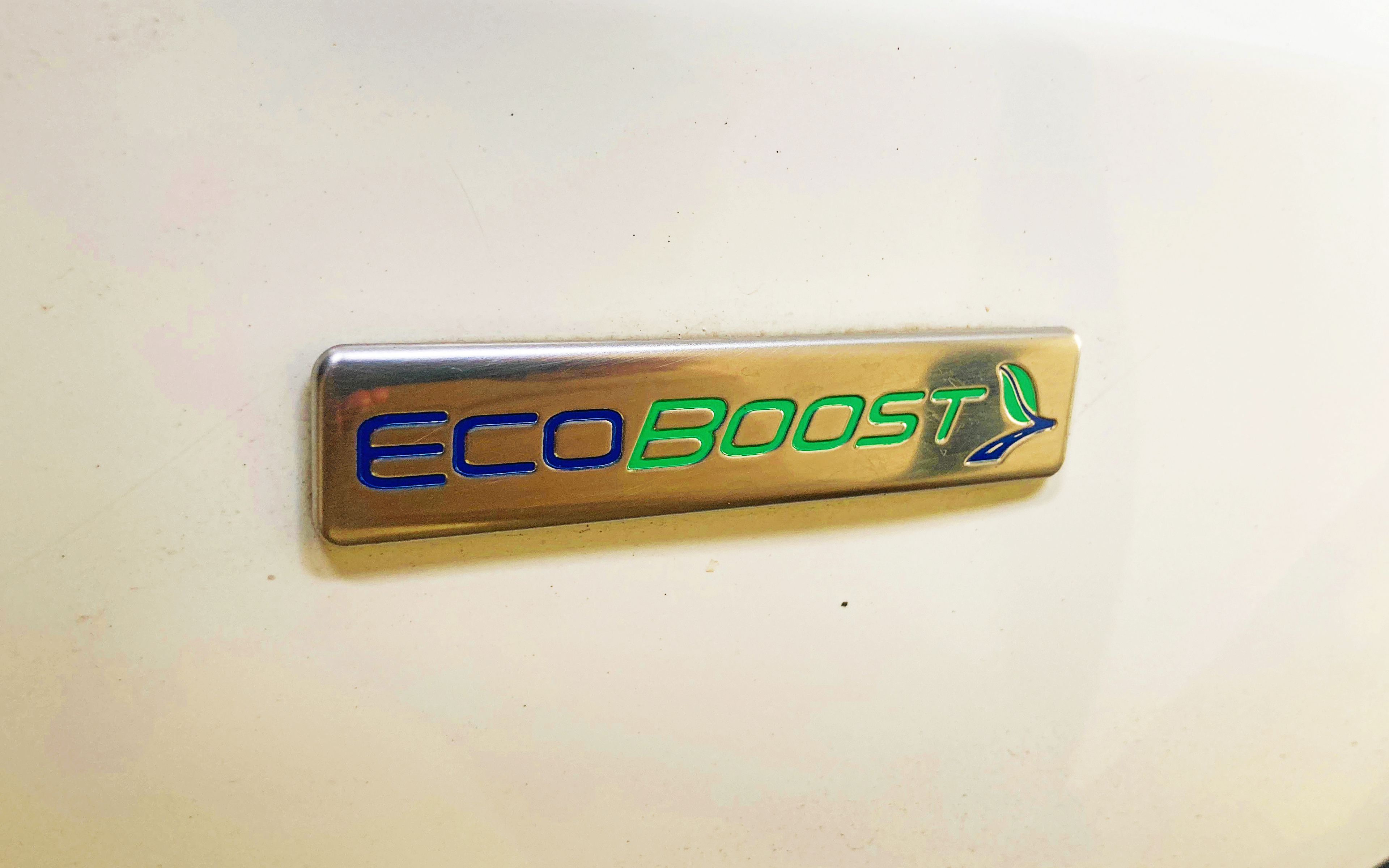
Turbo diesel engines have been on sale in India for much longer than turbo petrol engines. This is because diesel engines can use extra air more effectively to improve torque, pulling power and efficiency. The Sipani Rover Montego was among the earliest turbo diesel cars sold in India, though more buyers may remember the original Tata Sierra Turbo. The trend of downsized turbo petrol engines became more common after BS6 emission norms came into effect. However, Ford introduced one of the earliest small turbo petrol engines in India with the 1.0L EcoBoost in the EcoSport in 2013.
Turbo diesels offer more torque low down in the engine rev range, while turbo petrol engines usually have a wider performance range - with the turbo boosting torque lower down the engine rev range and the petrol engines can still develop strong power at higher RPM. On the flip side, turbo diesel engines do not lose as much mileage as turbo petrol engines do if driven fast. For example, we have compared the turbo petrol and turbo diesel engines of the Tata Nexon, both when paired to manual transmissions.
Turbo Engine Mileage In Real World Driving
Turbo engine cars often show good mileage in official tests because ARAI tests them inside a highly controlled laboratory with extremely gentle acceleration. Because the acceleration is so mild, the exhaust gases never build up enough boost. Off-boost, a 1.0L 3-cylinder turbo engine behaves exactly like a tiny, low-friction, 1.0L normal engine.
They can also deliver good mileage in real-world driving if driven gently. However, fuel efficiency can drop quickly if the driver uses the turbo boost often. This is why a turbo petrol car may return good mileage on the highway at steady speeds but lower mileage in heavy city traffic or during aggressive driving.
V3Cars’ real-world mileage tests show that turbo petrol cars can be very sensitive to driving conditions. In our highway tests, some turbo petrol cars delivered slightly better mileage than their ARAI-certified figure, while others returned up to 23.28 percent lower mileage. In city conditions, however, none of the turbo petrol cars we tested matched their claimed mileage. The best result was 22.45 percent lower than the claimed figure, while the biggest gap was 60.11 percent lower.
For example, the Volkswagen Virtus 1.0L turbo petrol automatic has a claimed mileage of 18.70kmpl. In our tests, it returned 8.50kmpl in the city and 13.65kmpl on the highway. That makes its city mileage 54.55 percent lower than claimed, while its highway mileage was 22.79 percent lower.
Should You Buy A Turbo Engine Car?
Buy a turbo engine car if:
- You drive often on highways
- You want stronger acceleration
- You travel with full load frequently
- You enjoy driving
- You are okay with higher maintenance, repair and replacement costs for parts related to the turbo and engine
Avoid or think twice before buying a turbo engine car if:
- Your usage is mostly slow city traffic
- You want the lowest maintenance cost
- You want predictable mileage
- You are buying mainly for relaxed commuting
List of Turbo Engine Cars in India by Segment
The following table lists some of the turbo engine cars in each segment:
Also Read: What is a TSI Engine?
FAQs
What Is The Benefit Of A Turbo Engine?
The main benefit of a turbo engine is that it can produce more power and torque from a smaller engine. This helps carmakers offer stronger performance and higher claimed mileage without using a larger engine. For buyers, this usually means better acceleration, easier overtakes and better performance with a full load of passengers and luggage.
Is A Turbo Engine Better Than A Normal Engine?
A turbo engine is better if you want stronger performance, especially on highways or with a full load. A normal engine can be better for relaxed city driving, predictable mileage and lower long-term maintenance costs. So, the better choice depends on your usage.
Does A Turbo Engine Give Better Mileage?
In the real world, a turbo engine can deliver good mileage if driven gently, especially at steady speeds. However, mileage can drop quickly if you use the extra performance often. This is why turbo petrol cars may deliver better mileage on highways than in heavy city traffic.
What Is Turbo Lag?
Turbo lag is the short delay between pressing the accelerator and the turbocharger delivering extra power. This happens because the turbocharger needs enough exhaust gas flow to spin fast and push more air into the engine. Modern turbo engines have reduced turbo lag, but some delay can still be felt in budget cars.
Does A Turbo Engine Need More Maintenance?
A turbo engine has more parts than a normal engine and works under higher heat and pressure. So, timely servicing, good engine oil and good-quality fuel are important for long-term reliability. If maintained properly, a turbo engine will be reliable.
Before you finalise your next car, these V3Cars tools can help you make a more informed decision:
Fuel Cost Calculator for Cars – Know your monthly fuel expense based on usage and mileage
Car On-Road Price Calculator – Convert ex-showroom to on-road price for any city
Sell Used Car Online – Enter your car and contact details to get an instant price estimate and book a free inspection with our partner network
Did you find this information helpful?

Associate Editor


Siddharth enjoys understanding why certain cars click with buyers and figuring out what makes people actually stop and read or watch automotive content. He also has a soft spot for cars that may not always make logical sense, but still leave a lasting impression. Travelling, photography and exploring new cuisines are among his other passions.
Car News Update
View All Latest News
New Maruti Suzuki YMC Electric MPV Spotted
A new Maruti Suzuki electric MPV, internally codenamed YMC, was spotted testing recently, with fresh spy shots revealing more details about its exterior styling and cabin. Expected to share its underpinnings with the e Vitara, the upcoming electric MPV could expand Maruti Suzuki’s EV lineup with a more spacious family-oriented model.
Government Allows E100 Fuel For Flex-Fuel Cars – What Changes For Buyers?
The Ministry of Road Transport and Highways (MoRTH) have amended the Central Motor Vehicles Rules (CMVR), 1989, to formally recognise E100 fuel for compatible flex-fuel vehicles. The change creates a clearer regulatory pathway for automakers to develop and certify vehicles that can run on higher ethanol blends, including fuel containing 100% ethanol. However, it does not mean that existing petrol cars can use E100 or that the fuel will become available at every petrol pump immediately.

Hyundai Bayon Variant-Wise Colours
Hyundai offer 10 exterior colour options for the Bayon. These include 6 single-tone shades, 2 matte finishes and 2 dual-tone combinations. Here’s their variant-wise availability, along with the interior colour themes paired with them.

Hyundai Bayon CNG Launch In January 2027
Hyundai have confirmed that the Bayon CNG will launch in India in January 2027. The upcoming CNG version of Hyundai’s new C-segment SUV is expected to use the petrol model’s 1.5L non-turbo petrol engine, albeit with lower power and torque outputs. It will also feature an underbody CNG tank to preserve boot space.

Jeep Compass Sport AT Launched At Rs. 22 Lakh
Jeep India have launched the Compass Sport base variant with a 9-speed automatic transmission at Rs. 21.99 lakh (ex-showroom). Compared to the 2026 Compass Sport manual variant, the new Compass Sport AT costs Rs. 4 lakh more and serves as the entry-level variant with an automatic gearbox. Deliveries are scheduled to begin by the second week of November 2026.
Hyundai Bayon Launched At Rs. 10 Lakh
Hyundai have launched the Bayon at an introductory starting price of Rs. 10 lakh (ex-showroom). Buyers can choose a 1.5L normal petrol engine with either a 6-speed manual transmission or CVT automatic.

Top 15 Features Of Hyundai Bayon
The Hyundai Bayon 2026 offers several premium comfort, convenience, technology and safety features. Highlights include AI-powered voice assistance, a panoramic sunroof, ventilated front seats, a 360-degree camera and Level 2 ADAS. It also gets a large 505-litre boot and a 1.5L non-turbo petrol engine with manual and CVT automatic transmission options.

Maruti Victoris Aurum Edition Launched With Rs. 22,990 Accessory Kit
Maruti Suzuki have launched the Victoris Aurum Edition to mark the SUV’s first anniversary. Offered for the strong hybrid variants, it adds exterior styling accessories, cabin and boot mats, and a boot sill guard as a kit which costs Rs. 22,990.

Hyundai Ioniq 1 Top 5 Things To Know
Hyundai are developing a compact electric SUV, expected to be called the Ioniq 1. Here are 5 things to know about its positioning, battery options, features and expected debut.
Hyundai Bayon CVT To Get 3 Drive Modes, Performance Features Revealed
Hyundai have confirmed 3 drive modes and 2 performance features for the upcoming Bayon’s CVT automatic. The performance features focus on quicker overtaking response and a sportier acceleration feel. The SUV will launch on October 26, 2026.

India To Get Stricter Car Safety Rules From 2027; New Crash Tests And Safety Features
The Ministry of Road Transport and Highways (MoRTH) has notified new car safety rules with phased implementation deadlines from October 2027 to October 2032. The changes cover crash protection, pedestrian safety, immobilisers and event data recorders.

October 2026: Mahindra XUV 7XO Price Change - Hiked By Up To 20k
Mahindra have revised the prices of the 2026 XUV 7XO. The AX7 7S variant with the 2.2L turbo diesel-manual powertrain received the biggest price hike of Rs. 20,000. The Mahindra XUV 7XO 2026 prices now start from Rs. 13.99 lakh and go up to Rs. 25.79 lakh. In percentage terms, the price hike is up to 1.02%. The AX7L 7S variant with the 2.0L turbo petrol-automatic powertrain received a nominal price reduction of Rs. 1.
Expert Car Reviews
View All Car Reviews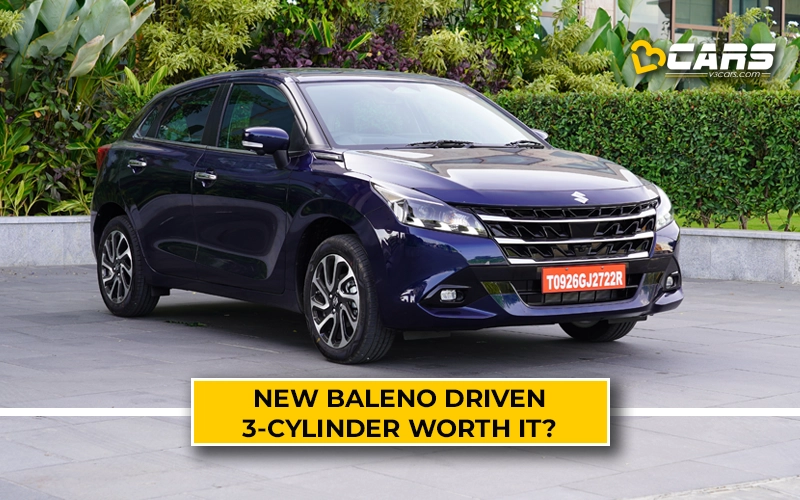
2026 Maruti Baleno Facelift Photo Gallery - Design, Features And Drive Review
The 2026 Maruti Baleno facelift gets a new 1.2L 3-cylinder petrol engine, level 2 ADAS and ventilated front seats. We drove it to see whether the new engine and added features make up for the loss of the old 4-cylinder’s refinement.

2026 Tata Curvv Series X Photo Gallery - Exterior, Interior And Features
Tata have launched the 2026 Curvv Series X with a simpler variant lineup and several features moved further down the range. We got a closer look at the new Curvv Series X, including the Pure X Plus and Creative X Plus variants. In this detailed photo gallery, we take you through their exterior differences, interior, features, rear-seat space and the construction of Tata’s R-Comfort seats.

2026 Maruti Brezza Facelift Worth Buying?
The 2026 Maruti Brezza adds a 1.0L turbo petrol engine, more features and a 5-star Bharat NCAP rating. Its underbody CNG cylinder also frees up the full 328L boot. However, not every powertrain and variant offers equally strong value. We explain which Brezza to buy and when a rival makes more sense.
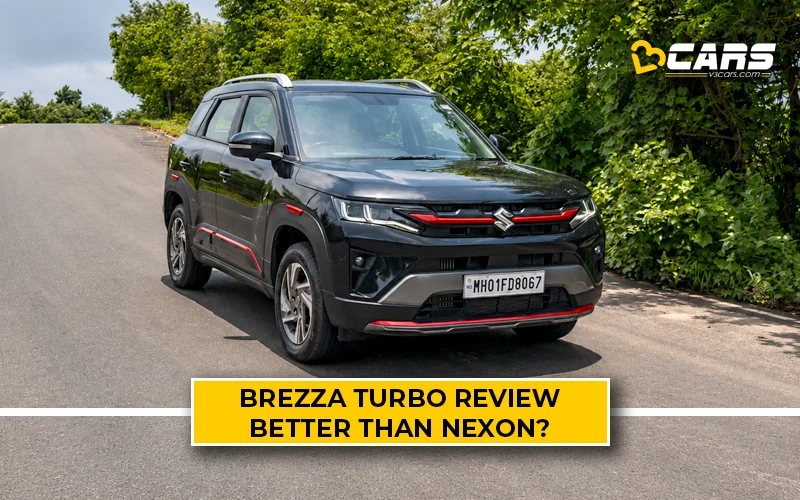
2026 Maruti Arena Brezza 1.0L Turbo Manual First Drive Review
We drove the 2026 Maruti Arena Brezza with its new 1.0L turbo petrol engine and 6-speed manual transmission. We covered roughly 50km over about 2 hours at speeds representative of typical city driving. Here are my impressions of its performance, refinement, mileage, highway manners, ride and everyday usability.

2026 Maruti Brezza CNG 328L Boot Space Explained
The 2026 Maruti Brezza CNG now has its cylinder mounted below the body, allowing it to retain the petrol version’s full 328L boot space. We examine the practical improvement, dimensions, ground clearance and boot-related features offered with each CNG variant.
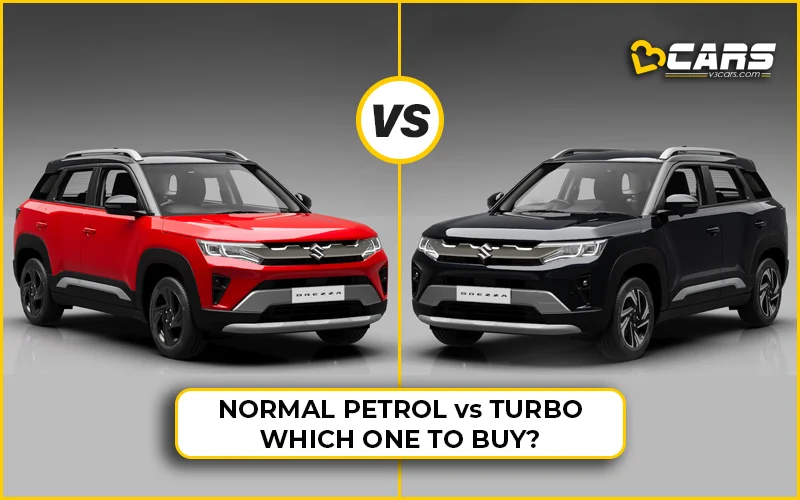
2026 Maruti Brezza 1.0L Turbo Vs 1.5L Petrol - Which One To Buy?
The 2026 Maruti Brezza offers a new 1.0L turbo petrol engine alongside the familiar 1.5L normal petrol. Both engines come with a new 6-speed manual transmission. The smaller turbo costs less and offers more power, torque and features, while the 1.5L petrol claims better mileage. We compare the 2 to determine which Brezza petrol-manual makes more sense.
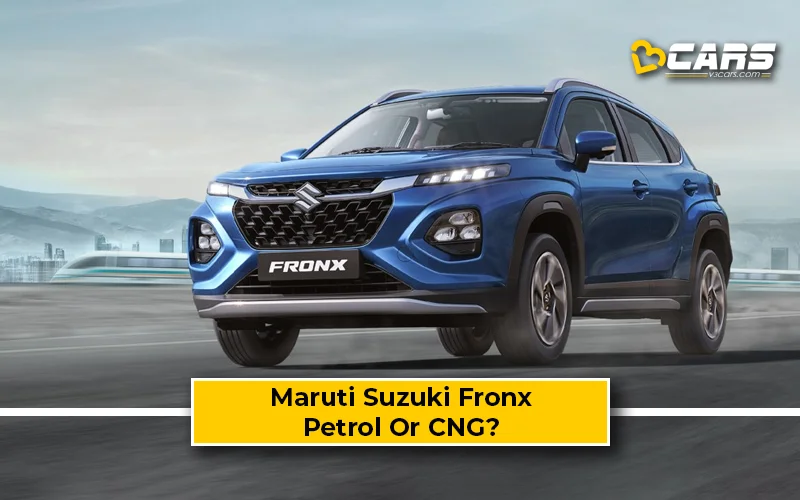
Maruti Arena Fronx Petrol Vs CNG Mileage And Running Cost
If you’re wondering whether to buy the Maruti Suzuki Fronx petrol or CNG, this article will help you make a data-backed decision. We compare the latest ex-showroom prices, official mileage figures and current fuel prices in Delhi to calculate the running cost difference between the Fronx petrol and CNG variants. We also calculate how many kilometres you need to drive the Fronx CNG to recover its higher upfront cost over the petrol variant.

2026 Honda ZR-V Hybrid Photo Gallery
The 2026 Honda ZR-V Hybrid is set to launch in India as Honda’s new flagship SUV on May 22, 2026. Positioned above the Elevate, the ZR-V will rival premium SUVs like the Volkswagen Tiguan R-Line and Skoda Kodiaq with its strong hybrid powertrain, premium interior and advanced features. In this detailed photo gallery, we take a closer look at the ZRV Hybrid’s design, cabin, practicality, safety features and hybrid technology.

2026 Tata Punch EV Variant-Wise Powertrain Options – Battery, Range & Specifications
The 2026 Tata Punch EV is available with multiple battery pack and motor configurations, giving buyers the flexibility to choose between affordability and longer driving range. Depending on the variant, the new Punch EV offers different power outputs, battery capacities and claimed range. In this article, we break down the 2026 Punch EV’s variant-wise powertrain options and check out which variants get the 30kWh and 40kWh battery packs, along with their performance specifications, so you can pick the variant that best suits your needs.

Maruti Fronx 1.0L Turbo Petrol-Auto Mileage Test: Real World City, Highway Fuel Efficiency
In this article, we’ll present the data based on V3Cars mileage test and inform you about what real-world fuel efficiency you can expect from the Maruti Fronx 1.0L turbo petrol-automatic in city and highway driving conditions. We’ll also find out how much the mileage numbers deviate from the manufacturer-claimed fuel efficiency figures. The information presented in this article will also help you learn about the mileage differences you can expect when driving in the city vs driving on the highway.
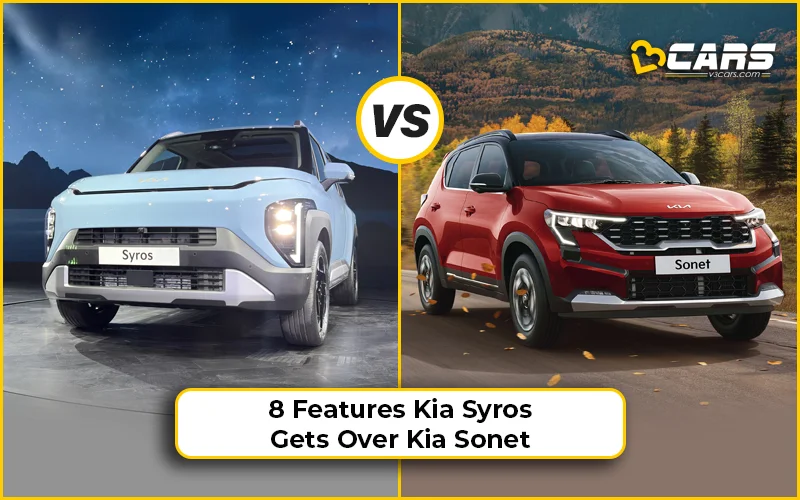
10 Features New Kia Syros Gets Over Kia Sonet
Kia unveiled their all-new B2-segment SUV, the 2025 Syros, on December 19, 2024. While Kia India are yet to reveal the variant-wise prices of the 2025 Syros, it is expected to slot in between the Sonet B2-SUV and Seltos C-SUV.
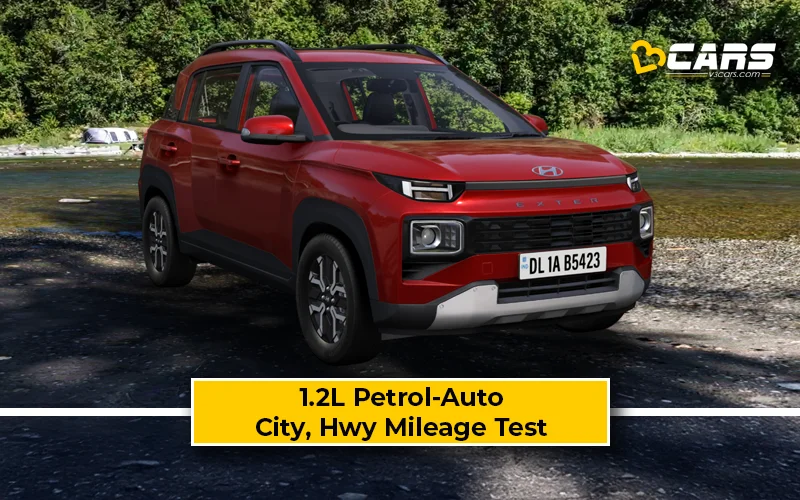
Hyundai Exter 1.2L Petrol-Auto Mileage Test: Real World City, Highway Fuel Efficiency
In this article, we’ll present the data based on V3Cars mileage test and inform you about what real-world fuel efficiency you can expect from the Hyundai Exter 1.2L petrol-automatic in city and highway driving conditions. We’ll also find out how much the mileage numbers deviate from the manufacturer-claimed fuel efficiency figures. The information presented in this article will also help you learn about the mileage differences you can expect when driving in the city vs driving on the highway.
Latest Videos
View All Car Latest Videos



-7S-Vs-Hycross-ZX.webp)
![[MOST DETAILED] Maruti Suzuki Baleno Pros & Cons Wala Review (₹5.99 - 9.99 lakh) | V3Cars](https://assets.v3cars.com/media/videoImages/642928Maruti-Baleno-2026-Pros-Cons-Review.webp)

.webp)
Upcoming Cars In India
View All Upcoming Cars.jpg)






Popular News

Mahindra Thar Roxx (Thar 5-door) Expected Price — #WithLogic (Updated: Jul 29)

5 Missing Features In Mahindra XUV700 Over Scorpio N

Top 5 Features Scorpio N Misses But The Tata Safari Gets

Top 5 Differences – Maruti Suzuki Grand Vitara Vs Toyota Urban Cruiser Hyryder

Maruti Suzuki Grand Vitara Ex-Showroom Price Leaked Ahead Of July 20 Debut

6 Missing Features In 2022 Hyundai Venue Facelift

Maruti Suzuki Grand Vitara Expected Prices
2022 Toyota Urban Cruiser Hyryder Expected Prices — Mild Hybrid, AWD And Mild Hybrid Auto

Kia Seltos Facelift Launch In 2023

2022 Mahindra Scorpio - First Teaser Drops Ft. Amitabh Bacchan
Updated Maruti Nexa Fronx Expected Price Calculation (Variant-wise) - With Logic

7 Missing Features In Hyundai Creta Over Toyota Urban Cruiser Hyryder
Latest Car News
New Maruti Suzuki YMC Electric MPV Spotted
Government Allows E100 Fuel For Flex-Fuel Cars – What Changes For Buyers?
Hyundai Bayon Variant-Wise Colours
Hyundai Bayon CNG Launch In January 2027
Jeep Compass Sport AT Launched At Rs. 22 Lakh
Hyundai Bayon Launched At Rs. 10 Lakh
Top 15 Features Of Hyundai Bayon
Maruti Victoris Aurum Edition Launched With Rs. 22,990 Accessory Kit
Hyundai Ioniq 1 Top 5 Things To Know
Hyundai Bayon CVT To Get 3 Drive Modes, Performance Features Revealed
India To Get Stricter Car Safety Rules From 2027; New Crash Tests And Safety Features
Comments
0 comments