or

Buying a new car is one of the most exciting milestones for any buyer. However, between booking, financing and waiting for delivery, many customers tend to overlook one of the most critical steps in the entire process – the Pre-Delivery Inspection (PDI).
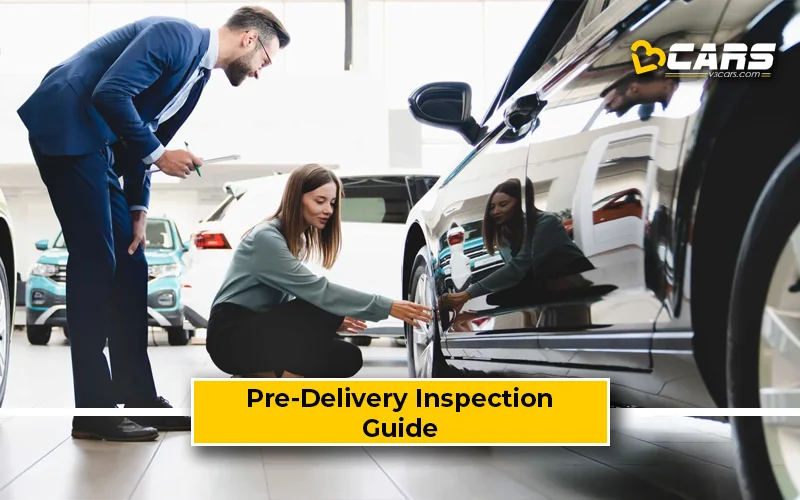
In simple terms, PDI is your only opportunity to verify the condition of the exact car you are about to take home. Once the car is registered in your name, resolving issues becomes significantly more complicated, and in most cases, replacement is no longer possible.
In India, where cars often travel long distances from factory to dealerships and may spend time in stockyards, conducting a proper PDI is not just advisable but essential.
Pre-Delivery Inspection (PDI) is a comprehensive inspection of your vehicle at the dealership before final delivery and registration. It involves carefully checking the vehicle’s exterior condition, interior quality, mechanical components, electrical systems and features, documentation and accessories.
With a proper PDI, you can ensure that the vehicle you receive is brand new and unused, free from damage or defects and equipped exactly as per the variant and features promised.
Here are some of the reasons why a PDI is crucial while buying a new car:
Cars can sustain minor (and sometimes significant) damage during transportation or handling at stockyards and dealerships. These damages may include scratches, dents, or even repainted panels. A thorough inspection helps you identify such issues before accepting delivery.
Dealerships may sometimes allocate older stock to clear inventory. By checking the Vehicle Identification Number (VIN) and manufacturing date, you can confirm whether the car is recently manufactured or has been stored for several months.
Modern cars are equipped with several electronics and features. A Pre-Delivery Inspection (PDI) ensures that all aspects, including the infotainment system and safety equipment, are functioning correctly.
Before registration, you have the right to reject the vehicle or request a replacement. However, after registration, your options become limited to repairs under warranty.
Small issues overlooked during delivery can escalate into significant inconveniences later. Identifying them early saves both time and money.
Timing is crucial in ensuring an effective inspection. Ideally, you should:
Tip: Never agree to register the vehicle without inspecting the exact unit allotted to you.
A structured approach ensures you don’t miss anything important. Here’s a detailed checklist:
Note: Viewing the car in daylight helps reveal imperfections more clearly.
While most dealerships operate transparently, some practices can disadvantage buyers. Here are the most common ones:
Allocation Of Old Inventory: Cars that have been in stock for several months are passed off as new without disclosure.
Sale Of Repaired Vehicles: Vehicles damaged during transit may be repaired and sold without informing the customer.
Demo Or Test Drive Cars Sold as New: These cars may have higher odometer readings and hidden wear.
Forced Registration Before Inspection: Dealers may pressure customers to complete registration quickly, limiting their ability to inspect properly.
Incomplete Feature Delivery: Certain features or accessories promised during booking may be missing at delivery.
If you encounter any discrepancy during inspection, here’s how to handle it:
Do Not Accept the Vehicle: If something feels off, refuse delivery immediately.
Request A Replacement Unit: You are entitled to receive a defect-free vehicle.
Escalate To The Manufacturer: If the dealer is uncooperative, contact the brand’s customer care. Keep evidence by documenting issues with photos and videos for future reference.
Avoid Making Full Payment Before PDI: Maintaining partial payment gives you stronger negotiating power.
Pre-Delivery Inspection is not just a formality; it’s a safeguard in the car buying process. It ensures that the vehicle you receive meets your expectations in terms of quality, condition, and features. In India, where logistical challenges and dealership practices can vary, a thorough PDI empowers buyers to make informed decisions and avoid unnecessary complications after purchase. Taking the time to conduct a proper inspection can make the difference between a smooth ownership experience and a frustrating one.
Also Read: 10 Tips To Get Better Mileage From Your Petrol, Diesel Or CNG Car
Helpful Tools:
Fuel Cost Calculator for Cars – Know your monthly fuel expense based on usage and mileage
Car On-Road Price Calculator – Convert ex-showroom to on-road price for any city
Sell Used Car Online – Enter your car and contact details to get an instant price estimate and book a free inspection with our partner network

Nikil's a huge fan of classic cars, especially Italian beauties such as the Alfa Romeo Giulia Sprint and the Iso Grifo. His love for cars and bikes originated when he first laid his eyes on a poster of the Ferrari F40 and the MV Agusta F4 when he was just a child. He also loves all things analogue, especially vintage cameras and turntables.
0 Comments