
 Upcoming CarsPopular CarsLatest CarsElectric Cars
Estimate costs and savings with our handy automotive calculators.
Simplify your car ownership journey with our buying, selling, and renewal tools.
Explore additional resources and comparisons for car enthusiasts.
Punch Ev 2021 2026
Punch Ev 2021 2026
Punch Ev 2021 2026
Punch Ev 2021 2026
Punch Ev 2021 2026
Punch Ev 2021 2026
Punch Ev 2021 2026
Punch Ev 2021 2026
Punch Ev 2021 2026
Punch Ev 2021 2026
Tata Punch EV (2021-2026) Pros & Cons
Check out pros and cons about the Tata Punch EV (2021-2026) that are worth highlighting for a potential buyer. Here are some of the highlights of the benefits of buying the Tata Punch EV (2021-2026). We'll also list out the Punch EV (2021-2026) drawbacks to help you make an informed buying decision.
...Tata Punch EV (2021-2026) Advantages
Here are the biggest strengths of the Tata Punch EV (2021-2026), that make it a strong contender in its segment.
Distinct Styling Over Punch Petrol/CNG
Distinct Styling Over Punch Petrol/CNG
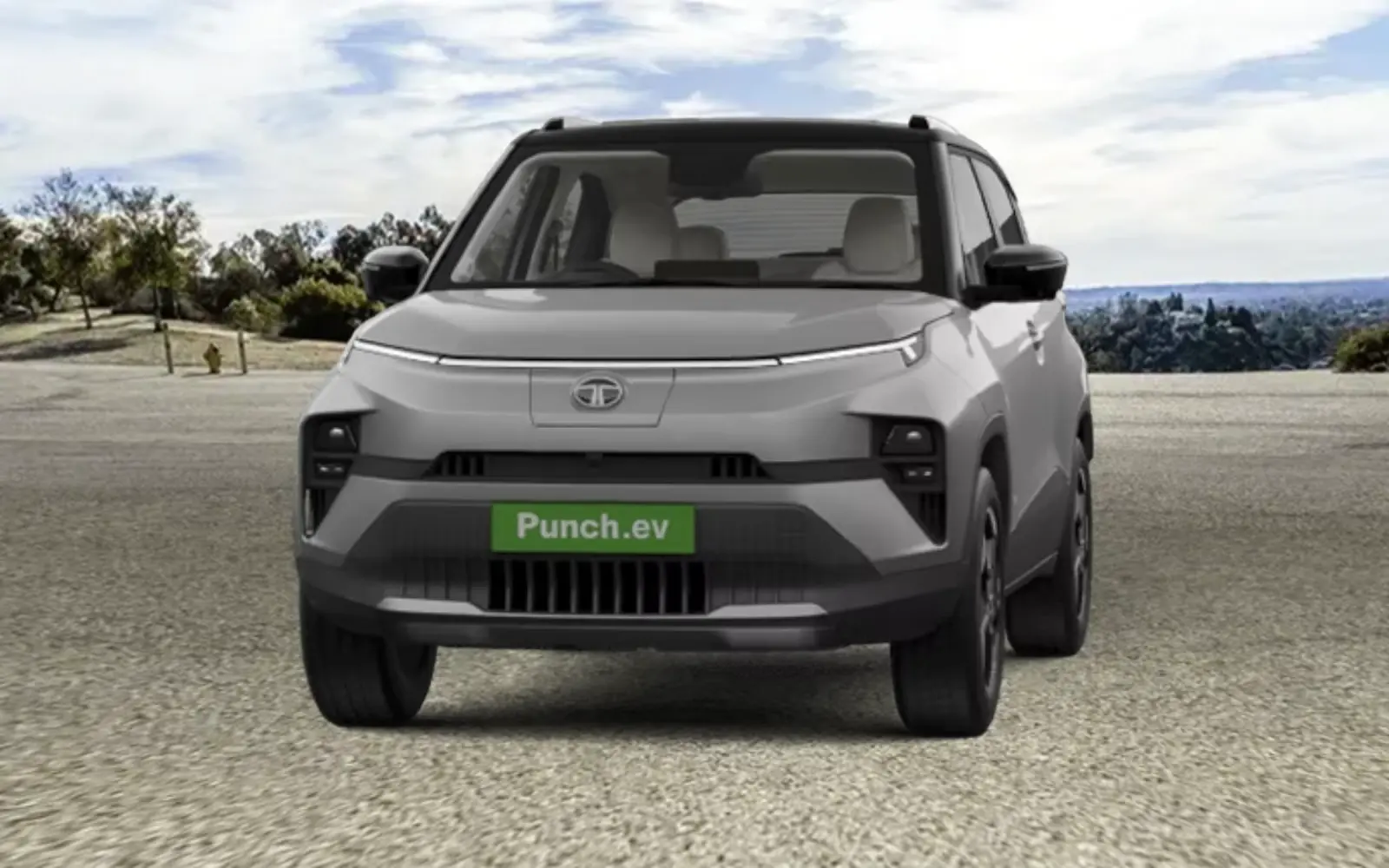
The Punch EV has a visually distinct personality than the Punch petrol/CNG. At least from the front and inside the cabin. It looks like a different car altogether. If you’re looking at it approaching from the front, you might sometimes guess that it’s the Nexon EV as the Punch EV shares the front styling with its bigger sibling.
Distinct Feel Too — While Driving & Interior Touchpoint
Distinct Feel Too — While Driving & Interior Touchpoint
Once you get inside the car, you’ll first spot that the layout is a little different than the Punch with a combustion engine. But once you settle into it, you’ll notice that the car’s interior quality is a notch higher than the regular Punch. Wherever you make contact, the touchpoint quality just feels superior than the Punch. And this feeling continues as you drive. The battery pack gives it a lower centre of gravity, which significantly helps improve its handling. Regardless of which battery pack option you pick, the electric motor gives it the ability to accelerate rather quickly. Unlike the Punch petrol or CNG, which need to be in the right gear and in the right RPM range to make brisk progress, the Punch EV can pick up speed effortlessly with just a push of the accelerator pedal.
Reasonably-priced Adventure 35kWh Variant
Reasonably-priced Adventure 35kWh Variant
After the 2024 price revision, the Punch EV’s 35kWh battery pack variants come across as relatively value for money compared to the 25kWh variants. Earlier, the price gap between the 25kWh and 35kWh variants was Rs. 1.0 - 1.20 lakh. Now, it has fallen to Rs. 80,000 to Rs. 1.0 lakh. This is quite a steal considering that 35kWh variants not only add a bigger battery but also offer better performance and a few extra features such as electronic parking brake, rear disc brakes and front armrest.
Competitive Performance & Range
Competitive Performance & Range
A starting price of under 10 lakh makes it quite an attractive option for people considering the Tiago EV, which doesn’t have a single variant with a usable range under Rs. 10.0 lakh. It’s also a much smaller car with fewer features and a smaller battery pack too. And don’t even get us started with the Tigor EV. Only the Windsor EV manages to challenge the Punch EV but it starts at a much higher price and doesn’t offer a significantly better range. So, the Punch EV does sit in quite a niche of its own with not much competition — neither from the outside nor from within the Tata family.
Well-Loaded Top Model
Well-Loaded Top Model
The top variant of the Punch EV does come across as quite well loaded. Besides missing rear AC vents and split folding rear seat backs, it offers pretty much everything we expect from a car at its asking price.
Good Bunch Of Safety Features
Good Bunch Of Safety Features
In terms of safety features, the Punch EV comes quite loaded with standard kit such as, 6 airbags, hill start assist, LED reflector headlamps, TPMS and rear defogger. Higher trims also get rear camera, LED fog lamps, LED projector headlamps, rear washer wiper, rear disc brakes and blind spot monitoring.
Adventure Is An Easy Recommendation
Adventure Is An Easy Recommendation
Compared to the base model, the upgrade to the Adventure 35 variant is quite an easy recommendation. It justifies 122% value for money and the one you should buy especially if you’re on a tight budget. Even if you have more to spare, the Adventure will meet most of your needs. At most, you might need to make the jump to the Empowered and that’s it.
Option Of Buying Top Model w/o Sunroof
Option Of Buying Top Model w/o Sunroof
Since car buyers are divided about the whole sunroof thing, it’s good to see that Tata are offering the option to buy the fully-loaded Punch EV without a sunroof. Otherwise, many buyers end up paying for a feature they either don’t need, or worse, something they hate.
5-star BNCAP Safety Rating
5-star BNCAP Safety Rating
Tata’s relentless chase after the crash test ratings means the Punch EV offers a 5-star safety rating in the crash tests. While crash test ratings are not the be-all and end-all of road safety, it’s good to know that you have the option of leaving no stone unturned to get the best safety you can offer to your friends and family.
Tata Punch EV (2021-2026) DisAdvantages
Here are the biggest strengths of the Tata Punch EV (2021-2026), that make it a strong contender in its segment.
Extremely High KM-To-Breakeven Over Comparable Petrol-AMT Variant
Extremely High KM-To-Breakeven Over Comparable Petrol-AMT Variant
If you’re buying an EV to save on fuel costs, then compared to a similarly equipped variant of the Punch petrol-automatic, you’ll have to drive the Punch EV for about 60,000 kilometres just to breakeven the higher upfront cost. Here we are considering the Punch EV Empowered S 35 variant and the Creative Plus S variant of the Punch petrol.
Moreover, these calculations are based on realistic mileage/range for each car and assuming that you’ll charge the car at home at an average cost of Rs. 9 per unit (since you’ll move to a higher slab because of higher electricity consumption.)
If you are completely dependent on public charging, then the km-to-breakeven figure is even higher at around 1 lakh. Here, we have also factored in the 10% inefficiency while charging.
If you’re interested in burying the Punch EV over the Punch petrol, but you don’t see yourself driving well over 1 lakh km during the ownership, then you’re better off buying the petrol powertrain instead.
EV Pricing Is Still Unstable, Especially For Tata EVs
EV Pricing Is Still Unstable, Especially For Tata EVs
The EV pricing is yet to stabilize as component pricing and EV policies are still quite unstable. This means that the car you buy today may suddenly depreciate as the new car prices drop.
Not just on the policy front but also on the tech front, the EVs are evolving quite rapidly. So, the range or technology you find adequate today may become unacceptable for buyers 5-10 years down the line. Thus, you may have to settle for a significantly lower resale value.
For instance, the Nexon EV, which first went on sale in 2020 had a 30kWh battery pack and offered 200km of real-world range with an asking price of Rs. 16.0 lakh. With battery degradation factored in, the range of cars sold in 2020 would have dropped to about 150km by now. These days, the Punch EV, which starts at Rs. 10 lakh ex-sh delivers 200km of real-world range. Imagine what resale you could expect from a Nexon EV bought in 2020.
Cars24 are willing to pay about Rs. 6.0 lakh for a 2020 Nexon EV with 1.0 - 1.25 lakh on the odo while Spinny aren’t even willing to buy such a car. That’s a 65% depreciation in about 5 years. Meanwhile, a similarly used 2020 Nexon petrol base model has only suffered about 45% depreciation. The depreciation of other Nexon variants of similar vintage is also in the similar range of 45 - 50%. 15-20% higher depreciation on a car priced much higher would mean about Rs. 3.5 lakh greater loss in depreciation alone.
Some Lingering Niggles As This Is Tata’s First EV-Spec Platform
Some Lingering Niggles As This Is Tata’s First EV-Spec Platform
This being Tata’s first attempt at making an EV on a skateboard platform means you are quite likely to encounter some hardware as well as software-related issues. While it has been on sale for well over a year, there are always some issues that can’t be fixed with a minor tweak in the production process or the software itself. Even if you have extended warranty, it’s still a lot of hassle should a bug or production issue render your vehicle immobile. Even in warranty, be prepared to fight tooth and nail to prove that the issues you’re facing are due to a product defect. And it’s going to be a whole new kind of headache once the vehicle is out of warranty.
With subsequent products on the skateboard platform, such as Curvv EV, you can expect the number of issues to be lower as Tata may have addressed at least some of the problems in the production process itself.
Missing Features Even In Top Variants
Missing Features Even In Top Variants
Even in the top model of the Punch EV, which costs well over Rs. 15.0 lakh in states with generous subsidies on electric vehicles, you won’t get features like split folding rear seats and rear AC vents. Much cheaper cars like the Ignis & Celerio offer split rear seatback in Delta & VXI variants, respectively. Meanwhile the Nios offers rear AC vents in all variants except the base model. Moreover, these are features you can’t install after the purchase. So, we'd rather like to see these features in the Punch EV instead of alloy wheels, which we can buy from the dealer at the time of purchase.
Moreover, front armrest isn’t available in any of the 25kWh variants. This is also a critical missing feature since it is not quite easy to install post purchase. And cars, much cheaper than the Punch EV, such as the Kia Sonet, offer such features as standard.
7.2kW AC Charger Is Exorbitantly Expensive At Rs. 50k
7.2kW AC Charger Is Exorbitantly Expensive At Rs. 50k
The Punch EV is also available with a fastener 7.2kW AC charger. This is exclusively available with the 35kWh variants and it pushes the ex-showroom price up by Rs. 50,000. Not only does this take away the 3.3kW AC charger out of the package, it will also have a cascading impact on your registration tax and insurance costs.
Instead, we would suggest you buy one post purchase after figuring out if you even need one or not. First of all, you’ll need a higher power connection at home to actually use it. If you’re using some 7kW to charge the car, you’ll also need some 3kW to power the home appliances. This means you’ll need at least 10kW electricity connection.
If you decide that you need a 7kW+ AC charger, then you can either buy a portable one or a fixed one from Amazon. There are some options available for much less cost and they are from reputable manufacturers such as Zevpoint, Exicom, etc and they cost between Rs. 20,000 to Rs. 30,000. This will save you Rs. 20 - 30k and you get to keep the low power charger that came with the car.
6-month Service Interval Is Impractical, Inconvenient, Unacceptable & Expensive
6-month Service Interval Is Impractical, Inconvenient, Unacceptable & Expensive
If you thought EVs need less maintenance because they don’t have oil and filters to replace, then you can count on Tata Motors to prove you wrong. The Punch EV has a 6-month interval to visit the service centre. While they will only replace consumables in every alternative visit, they will make you pay for labour even on visits where they only claim to have done some checks on the car. This adds to the hassle during the ownership and the overall cost of maintenance.
If you’re not assertive enough, then rest assured that at every service centre visit, the advisor will “advise” you to get some or the other preventive maintenance done even if they are absolutely unnecessary. Denying these optional services is going to be tricky because they are going to spend a whole lot of time with your vehicle. You don’t wanna make enemies with the service advisor because it’s fairly easy to sabotage your vehicle in a way that it will work fine for a few months and break down later during the ownership. Then, they might claim that they told you so. After all, they are the experts.
Thus, this might add to your maintenance costs. And if you don’t maintain a cordial relationship with your service centre reps, then you also run the risk of getting some warranty claims denied in future. The rest of the auto industry recommends yearly service centre visits. In such cases, you only have to see the service centre once every 12 months. So, it’s much less riskier to fight your way through their "recommendations". They probably won’t even remember you 12 months later.
You Can’t Opt Out Of Vehicle Tracking — Telematics Is Standard
You Can’t Opt Out Of Vehicle Tracking — Telematics Is Standard
If you’re a bit paranoid about sharing your data, then the telematics thing should seriously concern you. Even when you are no longer paying for the connected car features, the car manufacturer can still continue to collect your data. And who knows what kind of encryption or privacy principles they are following if they are doing so at all.

Sell Your Used Car At Best Price

Instant
Price Estimate

Assisted
Sale Process

RC
Transfer Support

Used Tata Cars In Delhi
View All Used Tata Cars

Number of Owners
City
delhi-ncr

2023 Tata Nexon EV Fearless Medium Range
26,869 km | Electric | Automatic
9,45,000
EMI starts at EMI starts at 16,160 INR
Number of Owners
City
delhi-ncr

Number of Owners
City
delhi-ncr

Number of Owners
City
delhi-ncr

Number of Owners
City
delhi-ncr
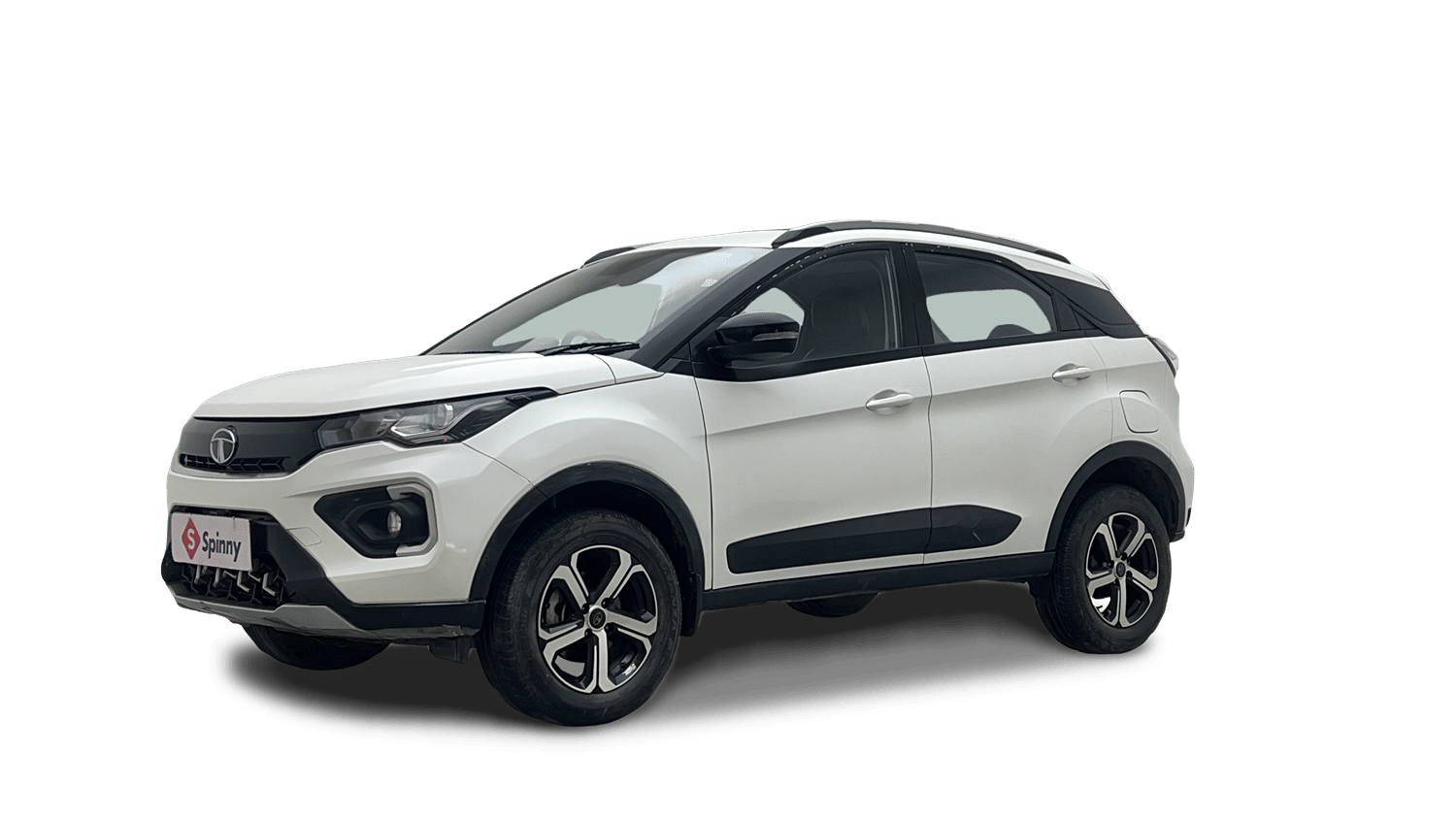
2023 Tata Nexon XZ Plus (S)
70,544 km | Petrol | Manual
6,56,000
EMI starts at EMI starts at 11,239 INR
Number of Owners
City
delhi-ncr

Number of Owners
City
delhi-ncr
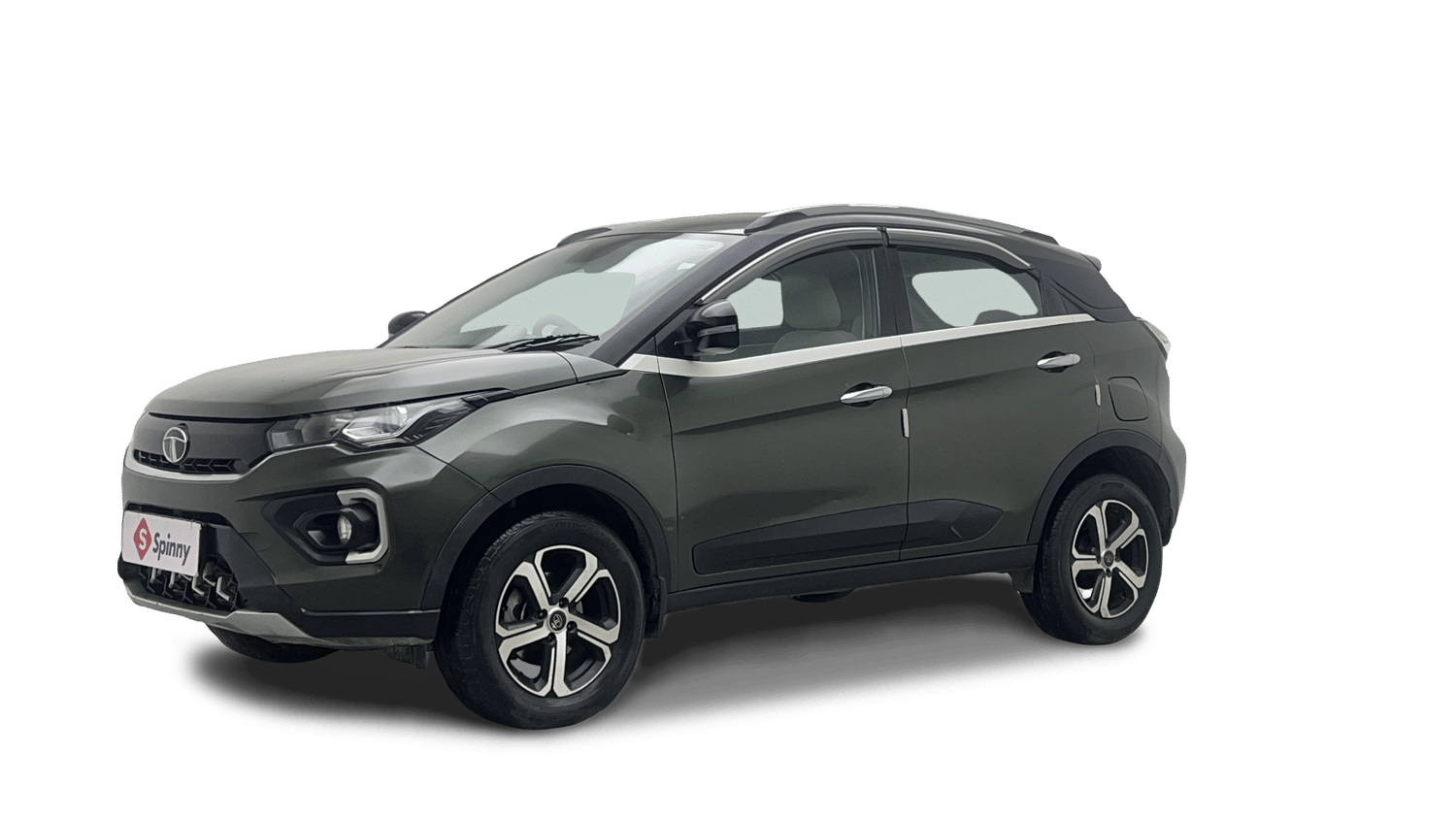
2022 Tata Nexon XZA Plus (Premium) Diesel
98,499 km | Diesel | Automatic
6,21,579
EMI starts at EMI starts at 10,728 INR
Number of Owners
City
delhi-ncr
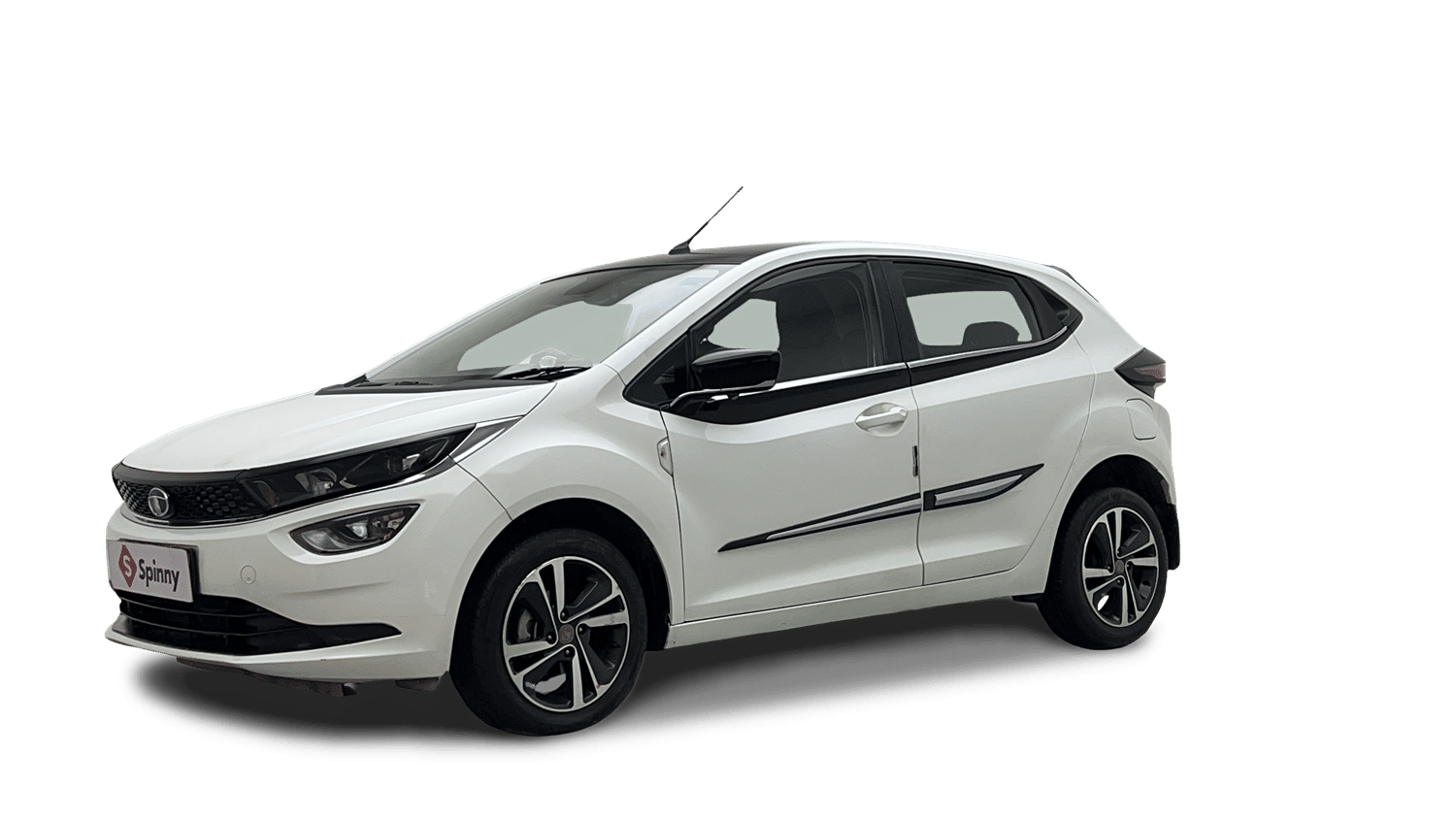
2022 Tata Altroz XZA Plus Petrol
22,340 km | Petrol | Automatic
5,30,579
EMI starts at EMI starts at 9,178 INR
Number of Owners
City
delhi-ncr

2022 Tata Safari Kaziranga XZA Plus
60,045 km | Diesel | Automatic
13,23,292
EMI starts at EMI starts at 22,988 INR
Number of Owners
City
delhi-ncr
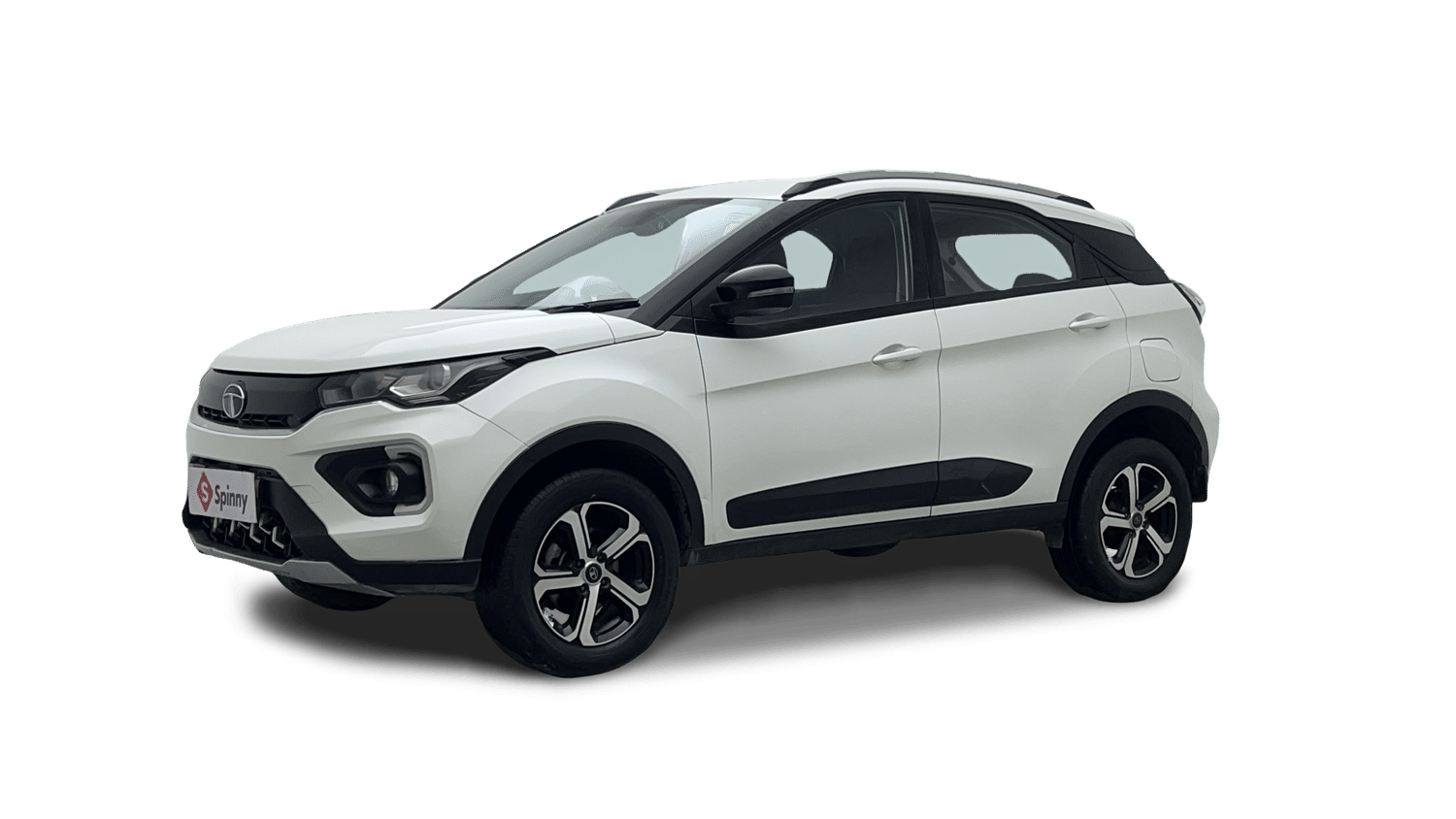
2022 Tata Nexon XZA Plus Diesel
65,967 km | Diesel | Automatic
6,39,000
EMI starts at EMI starts at 10,949 INR
Number of Owners
City
delhi-ncr

2017 Tata Tigor Revotron XZ (O)
71,984 km | Petrol | Manual
2,73,580
EMI starts at EMI starts at 4,802 INR
Number of Owners
City
delhi-ncr
Best Selling B2-segment SUV in India - Sep, 2026









Tata Punch EV (2021-2026) Frequently Asked Questions
The key pros of the Tata Punch EV (2021-2026) are Distinct Styling Over Punch Petrol/CNG.
Tata Punch EV (2021-2026) Brochure
Download brochure for detailed information on specs, features & prices.

Tata Punch EV (2021-2026) CSD Price List
Rank-wise eligibility with a verified variant-wise CSD price list for Punch EV (2021-2026) . Includes Delhi on-road prices plus CSD vs civilian comparisons for ex-showroom and on-road with clear savings.

Tata Punch EV (2021-2026) Latest Offers & Discounts
Discover Tata Punch EV (2021-2026) offers and discounts in Delhi including cash discount, exchange bonus, corporate discount, loyalty bonus and low-EMI finance offers. Updated regularly with amounts, eligibility and expiry.

Tata Punch EV (2021-2026) Cost Of Ownership
City
Delhi
Variant
Smart
On-Road Price
₹10.57 Lakh
Period
5 years
Total Running
50,000 km
Maintenance Cost
-
Fuel Efficiency
265 km/charge
Fuel Cost
-
Total Estimated 5-Year Cost
₹10.57 Lakh
Cost per km
₹21.16
*Includes fuel and regular maintenance costs, but excludes insurance renewals and other periodic expenses.
Tata Punch EV (2021-2026) On Road Price in Top Cities
 Check Tata Punch EV (2021-2026) On-Road Price In Ahmedabad
- Check Tata Punch EV (2021-2026) On-Road Price In Bangalore
- Check Tata Punch EV (2021-2026) On-Road Price In Bhopal
- Check Tata Punch EV (2021-2026) On-Road Price In Chennai
- Check Tata Punch EV (2021-2026) On-Road Price In Delhi
- Check Tata Punch EV (2021-2026) On-Road Price In Faridabad
- Check Tata Punch EV (2021-2026) On-Road Price In Gurugram
- Check Tata Punch EV (2021-2026) On-Road Price In Hyderabad
- Check Tata Punch EV (2021-2026) On-Road Price In Kanpur
- Check Tata Punch EV (2021-2026) On-Road Price In Kolhapur
- Check Tata Punch EV (2021-2026) On-Road Price In Kolkata
- Check Tata Punch EV (2021-2026) On-Road Price In Lucknow
- Check Tata Punch EV (2021-2026) On-Road Price In Mumbai
- Check Tata Punch EV (2021-2026) On-Road Price In Nagpur
- Check Tata Punch EV (2021-2026) On-Road Price In Nashik
- Check Tata Punch EV (2021-2026) On-Road Price In Noida
- Check Tata Punch EV (2021-2026) On-Road Price In Patna
- Check Tata Punch EV (2021-2026) On-Road Price In Pune
- Check Tata Punch EV (2021-2026) On-Road Price In Rajkot
- Check Tata Punch EV (2021-2026) On-Road Price In Surat
- Check Tata Punch EV (2021-2026) On-Road Price In Udaipur
- Check Tata Punch EV (2021-2026) On-Road Price In Varanasi