

 Upcoming CarsPopular CarsLatest CarsElectric Cars
Estimate costs and savings with our handy automotive calculators.
Simplify your car ownership journey with our buying, selling, and renewal tools.
Explore additional resources and comparisons for car enthusiasts.
Published : 10 March 2026
Read Time : 5 min
Author: Mahesh Yadav
In this article, we will try to understand the politics behind the US-Iran war and the impact of this conflict in the Middle East on Indian car buyers, car owners and the broader auto sector. We will also share our predictions and expectations in the Indian auto industry based on our understanding of the geopolitical situation and how it’s likely to develop. We are also going to provide a brief understanding of how a car buyer or car owner should prepare for turbulent times ahead as Brent crude oil touches Rs. 11,000 per barrel.

You can also watch the following Youtube video to get the same information in Hindi / Hinglish:
Trivia Time
The Bretton Woods Agreement of 1944 played a key role in ending colonization in the entire world. The agreement was also instrumental in giving India her independence.
Disclaimer — Geopolitical Background
Do note that a large portion of my geopolitical understanding comes from reading the 4 books of the American geopolitical expert and author, Peter Zeihan. The reason I respect Zeihan’s opinion is because he has managed to predict 3 things (that I can recall off the top of my head) with precision.
- Russia-Ukraine War: In one of his books, published in 2014, The Accidental Superpower, he predicted that Russia would attack Ukraine latest by 2022. This is a spooky level of precision.
- Warships As Security: In one of his other books, he has predicted that the world will go back to pre-Bretton Woods era as the US will stop taking care of the world’s cargo in the high seas. The US recently announced that they will escort cargo ships through the strait of Hormuz. (Also Read: Trump wants U.S. Navy to escort tankers through the Gulf)
- Scrambled Egg Out Of The Middle East: Zeihan also predicted that Iran would turn the Middle East into a scrambled egg. Now, the recent US-Iran war may not have been started by Iran but Iran has definitely scrambled the Middle East by attacking pretty much all US allies in the region.
When someone is able to predict so many things so far in advance, his opinion should carry some weight. However, you should note that I’m not in 100% agreement with Peter Zeihan. The author thinks the BRICS UNIT currency is a joke because the transactions happening in UNIT are barely a rounding error in comparison to the Dollar’s turnover. Meanwhile, I believe that this is by design. If the UNIT saw sudden and widespread adoption, then the US might start to think of Indian people as “highly oppressed” and in desperate need of “liberation”.
Some of Zeihan’s predictions are yet to come true as they are too far into the future. Here are the titles of the 4 books for your reference:
- The Accidental Superpower (2014)
- The Absent Superpower (2017)
- The Disunited Nations (2020)
- The End Of The World Is Just The Beginning (2022)
International Crude
The following table presents the movement of Brent Crude against India’s auto index (Nifty Auto):
As you can see, the Indian auto sector’s movement is inversely co-related to the international crude prices and US Dollar exchange rates.
Indirect Attacks On BRICS
Let’s get one thing straight, the US is generally too touchy about its dollar. Any time a country starts to trade in any currency other than the US Dollar, the US starts to feel like they need a regime change or they need democracy or something.
With the Iran attacks, the US is indirectly attacking the BRICS nations. Brazil, Russia, India and China, the founding nations of BRICS are the key players. For Brazil, the recent attack on Venezuela and the abduction of their president seems like a good way to corner Brazil so they don’t try something cute.
The close relationship between Iran and Russia also means that attacks on Iran will send a message to Russia. However, China and India, world’s 2 largest countries by population, are the prime indirect targets of the attacks on Iran. China imports a lot of their energy and have a dependency on Middle Eastern oil. They also sell 1.4 million cars every year in the Middle Eastern countries. That’s 15-20% of their auto sector exports.
Meanwhile, the attack on IRIS Dena warship, which was sunk by US submarines, suffered the attacks just outside of the Indian Exclusive Economic Zone. So, India should remember who’s the boss but India can’t use this as an excuse to challenge America. Besides, Iran has been a close ally of India for the past several decades. The war and the IRIS Dena attack are messages to Indian leadership; attempts to piss us off but not enough to start a conflict.
Clearly, the US is afraid of the BRICS nation and that fear is visible in its actions.
Indian Fuel Price History
Now, let’s look at the Indian fuel price history. Back in 2012, when the Brent Crude hovered around Rs. 5,000 and Rs. 6,500, petrol used to cost Rs. 66 and diesel was Rs. 41. In 2024, when Brent crude was again in the same price range, petrol costs around Rs. 96 in Gurgaon while diesel costs around Rs. 88. That’s a 31% hike in petrol prices and 115% increase in diesel prices despite the crude oil being in the same price band of Rs. 5,000 to Rs. 6,500.
Fuel Price Coupling
That’s because in 2014, the government decided to couple the fuel prices to dollar and crude so that the government doesn’t have to absorb the risk of volatility of crude and dollar rates. The prices of petrol and diesel gradually kept going up and up till they caught up to what the government had planned.
Covid
Then came Covid. During the corona, the government needed funds to keep things moving while literally no one was working, except the healthcare people, of course. So, the fuel prices stayed high. When people did start driving and moving out of their houses and oil demand went back to normal, Russia attacked Ukraine and oil prices once again shot up. So, the government started moving prices higher and higher.
Russia-Ukraine War
Once the crude prices cooled off, the government didn’t bring down the petrol and diesel prices and didn’t pass on the benefit to the consumer as they had promised in 2014. While crude prices remained quite low and at 2012 levels, we still continued to pay high taxes on transport fuel. While actually, we may have purchased much cheaper oil from Russia, the government meanwhile have filled up their coffers with large amounts of cash as they have had fat margins on petrol and diesel for the last few years.
Why The Push Towards CNG?
Natural gas in the international markets costs Rs. 250 - 300 per MMBTU. One Million British Thermal Units is around 22kg of CNG. That means the CNG should cost around Rs. 12-14 per kilogram. Even with compressing and shipping costs, it should cost no more than Rs. 20 — excluding any bribing business.
Moreover, CNG is trash — quite literally. Not many nations want CNG. They all want oil, though. CNG is a byproduct of oil extraction and releasing it into the atmosphere is really bad. Much worse than burning it. That’s why there are international norms and guidelines against releasing it in the atmosphere.
The following table presents the crude oil and natural gas movement since the start of US-Iran war:
As you can see, natural gas has less than half the volatility compared to that of crude oil. CNG has even fatter margins for the government as it sells for Rs. 82 in Gurgaon. No wonder the government wants to push hard in favour of CNG vehicles.
The biggest markets for CNG are India and China but India also has some domestic reserves. So, natural gas doesn’t fluctuate as much as crude does in the international markets.
Crude Oil Expectations
Brent Crude has shot up from around Rs. 6,500 to 11,000 in a matter of days since the war started. With attacks on refineries, oil depots and oil fields, it becomes difficult for oil supply to resume in full capacity in a matter of days even if the war were to end right now. These heavy machinery and equipment can’t be replaced in a few days or even weeks.
So, we should prepare for high oil prices in the coming months and expect no immediate relief.
If oil were to touch Rs. 8,000 - 9,000 and reverse in a few days, then the Indian government would not have any need to change the petrol and diesel prices. But if the crude prices hold in that range for more than a couple of weeks or exceed these levels, then we should prepare for higher petrol and diesel prices.
At closer to $100 for a barrel of crude, it becomes highly profitable for the US to resume shale oil extraction in their own country. So, they might want crude oil prices to sustain higher.
Indian Fuel Price Predictions
While the government has a lot of cash buffer accumulated with F-A-T taxes on fuel in the last 3 years, the buffer will eventually run out.
Petrol Diesel Price Hike
The crude prices are likely to stay above Rs. 8,000 per barrel and possibly even go higher than Rs. 9,000. So, we should prepare for a 5-10% hike in petrol and diesel prices.
Ethanol Adulteration
With high crude prices, ethanol might start to cost, relatively less than petrol. Further, to reduce dependence on imported oil, the government may start to accelerate ethanol adulteration and take it to 30% before the targeted timeline of 2030.
CNG Price Hike
In addition to petrol and diesel, even CNG may witness a 5-10% price hike. While natural gas prices are unlikely to go too high in the international markets, it has fat margins, which helps compensate for the thinning profits from petrol and diesel.
Even with higher prices, CNG might continue to appear as a good option for people with high usage as the petrol-CNG price delta will stretch further making CNG cheaper.
With higher petrol and CNG prices, we can expect the higher upfront cost of a CNG car to break even sooner thus offering a justifiable total cost of ownership (TCO). The following table presents the km-to-breakeven figure for a Swift petrol vs CNG with real-world V3Cars tested mileage figures:
Biogas Adulteration
For CNG car owners, just like ethanol adulteration in petrol, we can start to see accelerated timelines for biogas adulteration in CNG.
EV Fuel Price Hike?
Most of our electricity is produced from coal and we have our own coal reserves with only 20% import dependency. Even that does not come from the Middle East. We don't see any electricity price hikes in the 2026 calendar year. Besides, electricity price hikes will greatly affect not only the EV owners but also a large number of people who vote.
Indian Auto Sector Predictions
In 2025, the government gave a huge tax break to petrol, diesel and CNG cars less than 4-meters long. Meanwhile, the electric cars got no help from the 2025 GST rate cut. This increases the price gap between electric and comparable petrol cars; thus making it even more difficult for car buyers to justify making the jump to electric cars.
This suggests that the government wants us to buy petrol, diesel or CNG cars but skip electric cars as much as possible.
Are We In Recession?
The last time cars got a considerable tax cut was back when we were in the 2008 recession. If the government chose to cut taxes on cars to a substantial degree, we should take this as a hint that we may already be in a recession. We just don’t have access to the indicators to validate this claim other than the fact that the auto sector is getting tax cuts. Otherwise, auto sector is the punching bag in terms of regulations and tax levies.
Switch To Electric & CNG
With higher petrol, diesel and CNG prices, the switch to electric cars may start to make more sense than it does now. So, we may see electric cars start to gain market share post fuel price increase.
With EVs like the new Tata Punch, even in the Rs. 10.0 - 15.0 lakh price band, you can expect an electric car to offer 300km+ real-world range. Now, we can safely say that they have gone mainstream. After factoring in the 100kWh of free public charging and a free home charger, even the EVitara only comes across as a car costing only a shade more than Rs. 15.0 lakh (ex-showroom).
CNG will remain a solid option despite a substantial price hike. CNG cars will also gain a marginally in terms of market share as they will offer superior TCO compared to petrol cars.
With higher fuel prices, we are likely to see the overall car sales shrink in the calendar year from March to December 2026. The auto sector is already fragile. Otherwise, the government would not have stepped in to cut taxes and help revive it.
According to our sources, the well-priced, well-loaded, good-looking and brand-new Seltos is already getting discounts up to Rs. 20,000. And this, despite the recent tax cuts. This shows the weakness of the Indian auto industry.
Maruti Suzuki and Tata Motors are in the best shape right now to leverage this shift in favour of CNG and electric cars. While Maruti Suzuki have a strong grip in the CNG segment, their well-priced eVitara confirms that they mean business. They are here to stay and support their electric vehicles.
Tata Motors have already had a good command over electric cars sales. With innovations in the CNG cars such as usable boot space and automatic transmission, they are in a strong shape to maintain strong sales in CNG cars as well.
Other carmakers may be good in CNG or in EVs but not in both while also having a decent demand for their petrol cars.
Also Read: Top 5 Features Of Tata Punch EV 2026
Maruti E Vitara Variants Explained — Which One To Buy?
Toyota Ebella Variants Explained - Which One To Book?
Helpful Links:
Fuel Cost Calculator for Cars – Know your monthly fuel expense based on usage and mileage
Car On-Road Price Calculator – Convert ex-showroom to on-road price for any city
Sell Used Car Online – Enter your car and contact details to get an instant price estimate and book a free inspection with our partner network
Did you find this information helpful?

Content Head

Mahesh is a fan of compact, quirky and underrated vehicles that punch above their weight. Multix, Nano and Navi are his favourites.
Car News Update
View All Latest News
Mahindra Bolero Bold Edition Revealed With Bronze Accents And Rear Camera
Mahindra have revealed the 2026 Bolero Bold Edition, which adds bronze exterior accents, revised seat upholstery and a reversing camera. Offered through an accessories package, the Bold Edition’s pricing remains undisclosed.
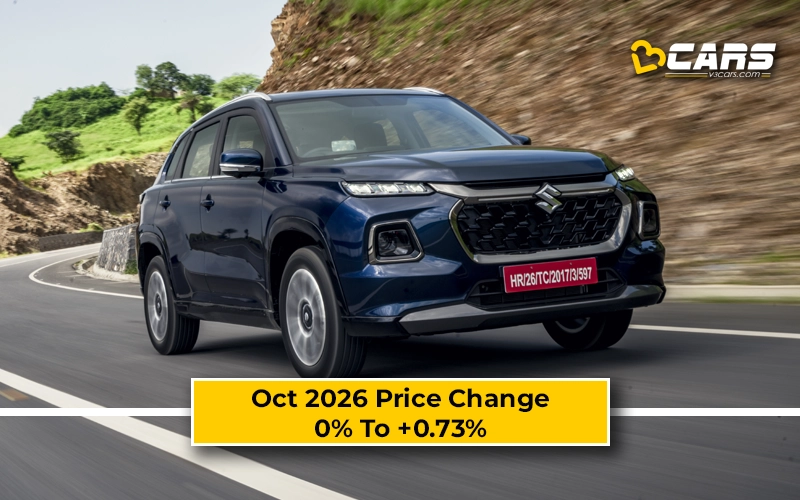
October 2026: Maruti Suzuki Grand Vitara Price Change - Hiked By Up To 10k
Maruti Suzuki have increased the prices of the 2026 Grand Vitara by up to Rs. 10,000. The Zeta variant with the 1.5L normal petrol-manual powertrain received the highest percentage price hike of 0.73%. The Alpha variant with the same powertrain and the Zeta and Alpha variants with the 1.5L normal petrol-automatic powertrain also became costlier by Rs. 10,000. Meanwhile, the Delta and Zeta variants with the 1.5L normal CNG-manual powertrain received a price hike of Rs. 5,000. The prices of all other variants remain unchanged. Following the price revision, the Grand Vitara’s ex-showroom prices range from Rs. 10.77 lakh to Rs. 19.62 lakh.
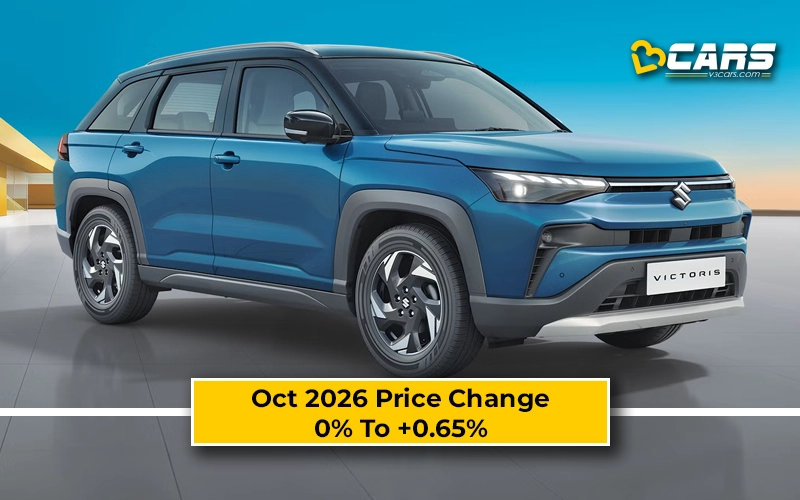
October 2026: Maruti Suzuki Victoris Price Change - Hiked By Up To 10k
Maruti Suzuki have increased the prices of the 2026 Victoris by up to Rs. 10,000. The ZXI Plus variant with the 1.5L normal petrol-manual powertrain received the highest percentage price hike of 0.65%. The ZXI Plus variant with the 1.5L normal petrol-automatic powertrain also became costlier by Rs. 10,000, while the prices of all other listed variants remain unchanged. Following the price revision, the Victoris’s ex-showroom prices range from Rs. 10.50 lakh to Rs. 19.99 lakh.
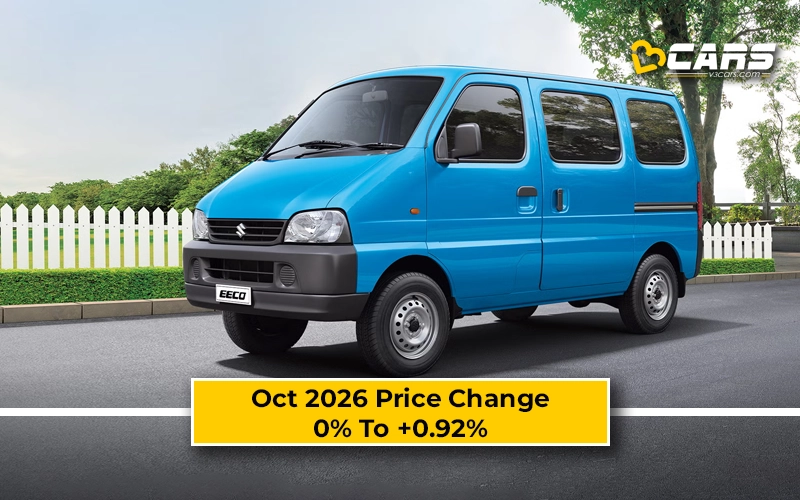
October 2026: Maruti Suzuki Eeco Price Change - Hiked By Up To 5k
Maruti Suzuki have increased the prices of the 2026 Eeco by up to Rs. 5,000. The Cargo variant with the 1.2L petrol-manual powertrain received the highest percentage price hike of 0.92%. Select variants with the 1.2L CNG-manual powertrain also became costlier by up to Rs. 5,000, while several other variants received smaller price increases of Rs. 2,500 or remained unchanged. Following the price revision, the Eeco’s ex-showroom prices range from Rs. 5.28 lakh to Rs. 8.09 lakh.
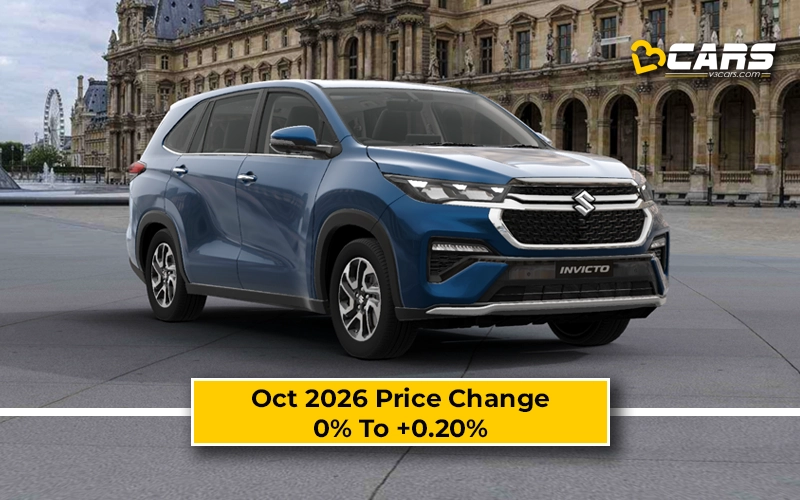
October 2026: Maruti Suzuki Invicto Price Change - Hiked By Up To 5k
Maruti Suzuki have increased the prices of the 2026 Invicto by up to Rs. 5,000. The Zeta Plus 7S variant with the 2.0L hybrid petrol-automatic powertrain received a price hike of Rs. 5,000, representing an increase of 0.20%. The prices of the Zeta Plus 8S and Alpha Plus 7S variants remain unchanged. Following the price revision, the Invicto’s ex-showroom prices range from Rs. 25.02 lakh to Rs. 28.71 lakh.

October 2026: Maruti Suzuki Jimny Price Change - Hiked By Up To 5k
Maruti Suzuki have increased the prices of the 2026 Jimny by up to Rs. 5,000. The Zeta All Grip Pro variant with the 1.5L petrol-manual powertrain received the highest percentage price hike of 0.40%. The Zeta All Grip Pro variant with the 1.5L petrol-automatic powertrain also became costlier by Rs. 5,000. Following the price revision, the Jimny’s ex-showroom prices range from Rs. 12.59 lakh to Rs. 14.52 lakh.

October 2026: Maruti Suzuki Brezza Price Change - Hiked By Up To 10k
Maruti Suzuki have increased the prices of the 2026 Brezza by up to Rs. 10,000. The LXI variant with the 1.0L turbo petrol-manual powertrain received the highest percentage price hike of 1.35%. The prices of select variants with the 1.5L petrol-manual and CNG-manual powertrains also increased by Rs. 5,000, while the prices of the listed petrol-automatic variants and some other variants remained unchanged. Following the price revision, the Brezza’s ex-showroom prices range from Rs. 7.50 lakh to Rs. 13.55 lakh.
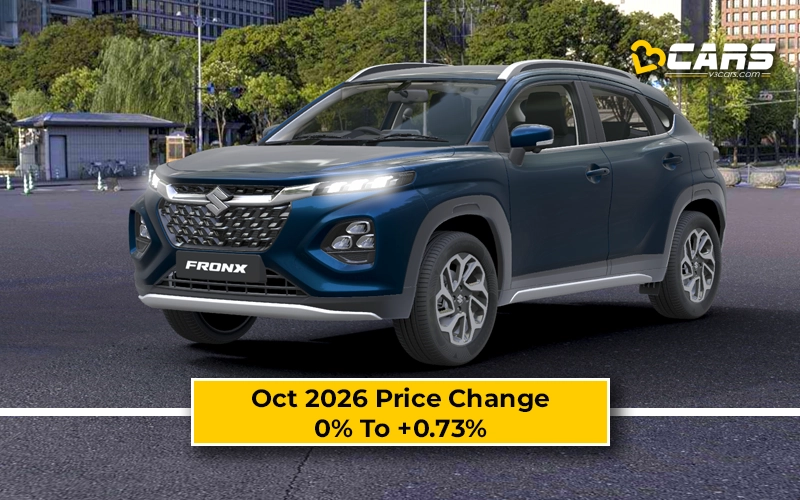
October 2026: Maruti Suzuki Fronx Price Change - Hiked By Up To 5k
Maruti Suzuki have increased the prices of the 2026 Fronx by up to Rs. 5,000. The Sigma variant with the 1.2L normal petrol-manual powertrain received the highest percentage price hike of 0.73%. Select variants with the 1.2L CNG and 1.0L turbo petrol powertrains also became costlier by Rs. 5,000. Following the price revision, the Fronx’s ex-showroom prices range from Rs. 6.89 lakh to Rs. 11.88 lakh.
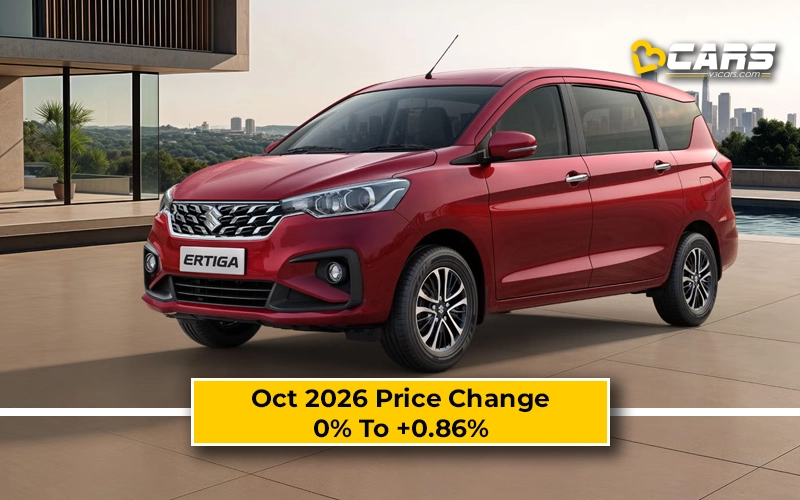
October 2026: Maruti Suzuki Ertiga Price Change — Hiked By Up To 10k
Maruti Suzuki have recently increased the prices of the 2026 Ertiga. The ZXI Plus variants with the 1.5L petrol-manual and petrol-automatic powertrains received the biggest price hike of Rs. 10,000. The Maruti Suzuki Ertiga 2026 prices now start from Rs. 8.90 lakh and go up to Rs. 13.14 lakh. In percentage terms, this is a price hike of up to 0.86%.
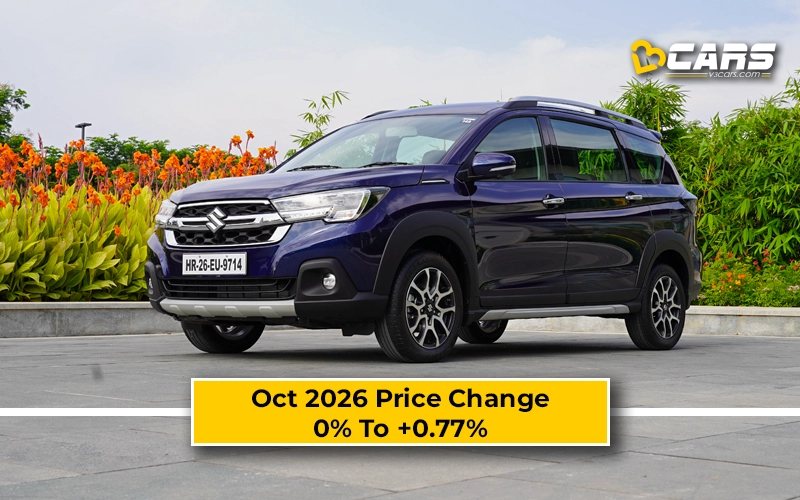
October 2026: Maruti Suzuki XL6 Price Change — Hiked By Up To 10k
Maruti Suzuki have recently increased the prices of the 2026 XL6. The Alpha Plus variants with the 1.5L petrol-manual and petrol-automatic powertrains received the biggest price hike of Rs. 10,000. The Maruti Suzuki XL6 2026 prices now start from Rs. 11.62 lakh and go up to Rs. 14.52 lakh. In percentage terms, this is a price hike of up to 0.77%.

Hyundai Bayon Safety Features Revealed Ahead Of October 26 Launch
Hyundai have revealed the Bayon’s safety features ahead of its October 26 launch. The SUV will offer 6 airbags, electronic stability control and tyre pressure monitoring as standard. Its available driver assistance package includes adaptive cruise control, blind-spot collision avoidance and navigation-based speed assistance.
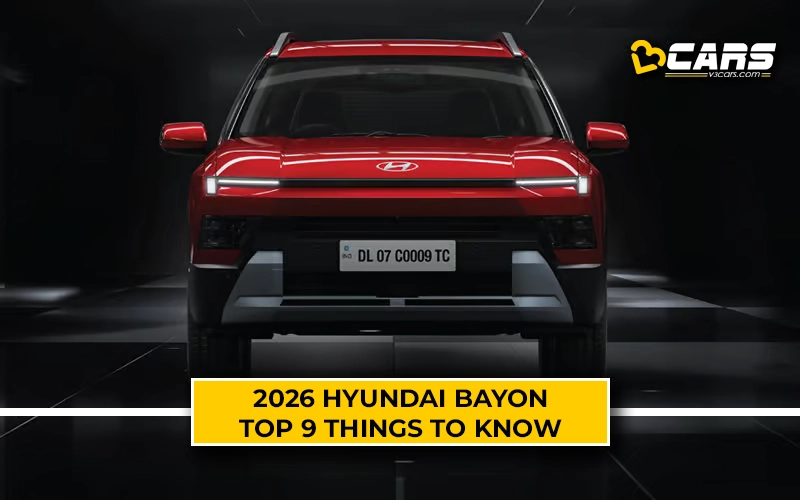
2026 Hyundai Bayon Top 9 Things To Know Before Launch
Hyundai have revealed the 2026 Bayon and detailed its safety equipment ahead of its October 26 launch. The new SUV is expected to sit between the Venue and Creta. Here are the top 9 things you should know about its design, powertrain, features and safety before launch.
Expert Car Reviews
View All Car Reviews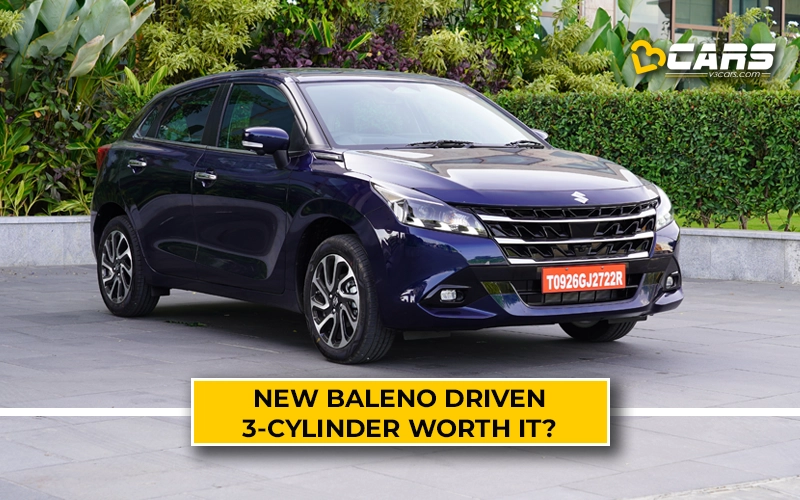
2026 Maruti Baleno Facelift Photo Gallery - Design, Features And Drive Review
The 2026 Maruti Baleno facelift gets a new 1.2L 3-cylinder petrol engine, level 2 ADAS and ventilated front seats. We drove it to see whether the new engine and added features make up for the loss of the old 4-cylinder’s refinement.
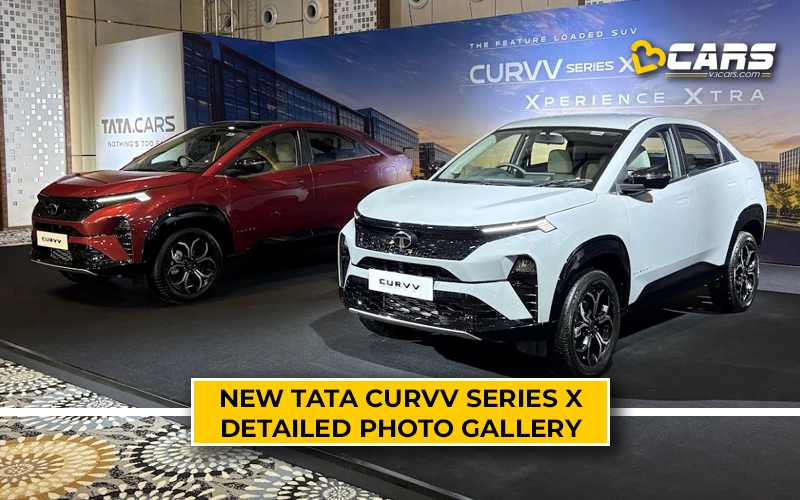
2026 Tata Curvv Series X Photo Gallery - Exterior, Interior And Features
Tata have launched the 2026 Curvv Series X with a simpler variant lineup and several features moved further down the range. We got a closer look at the new Curvv Series X, including the Pure X Plus and Creative X Plus variants. In this detailed photo gallery, we take you through their exterior differences, interior, features, rear-seat space and the construction of Tata’s R-Comfort seats.

2026 Maruti Brezza Facelift Worth Buying?
The 2026 Maruti Brezza adds a 1.0L turbo petrol engine, more features and a 5-star Bharat NCAP rating. Its underbody CNG cylinder also frees up the full 328L boot. However, not every powertrain and variant offers equally strong value. We explain which Brezza to buy and when a rival makes more sense.
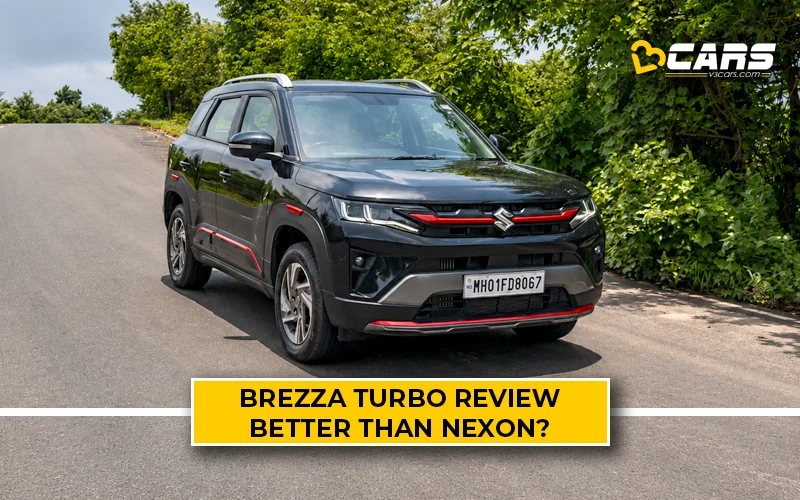
2026 Maruti Arena Brezza 1.0L Turbo Manual First Drive Review
We drove the 2026 Maruti Arena Brezza with its new 1.0L turbo petrol engine and 6-speed manual transmission. We covered roughly 50km over about 2 hours at speeds representative of typical city driving. Here are my impressions of its performance, refinement, mileage, highway manners, ride and everyday usability.
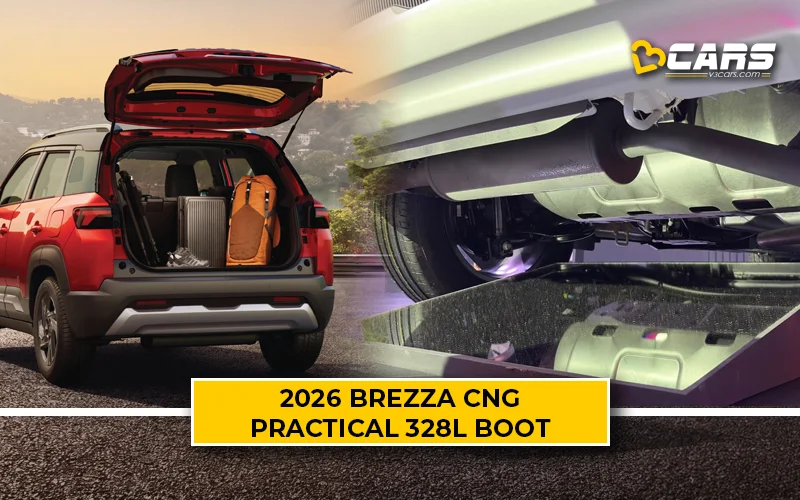
2026 Maruti Brezza CNG 328L Boot Space Explained
The 2026 Maruti Brezza CNG now has its cylinder mounted below the body, allowing it to retain the petrol version’s full 328L boot space. We examine the practical improvement, dimensions, ground clearance and boot-related features offered with each CNG variant.
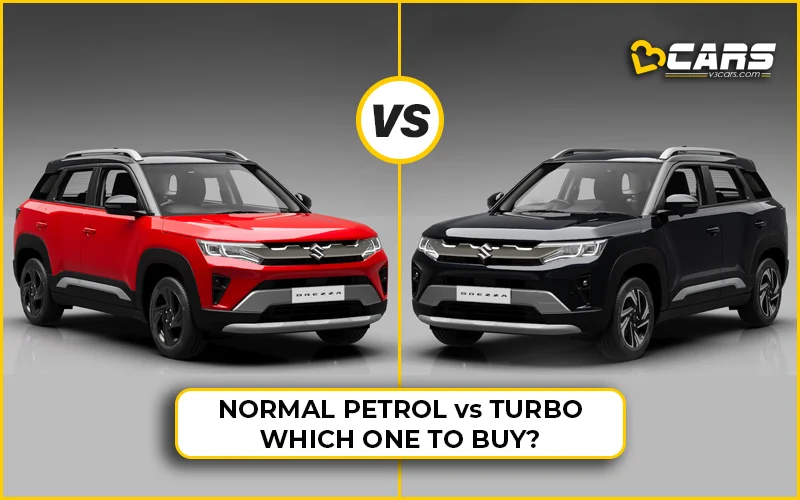
2026 Maruti Brezza 1.0L Turbo Vs 1.5L Petrol - Which One To Buy?
The 2026 Maruti Brezza offers a new 1.0L turbo petrol engine alongside the familiar 1.5L normal petrol. Both engines come with a new 6-speed manual transmission. The smaller turbo costs less and offers more power, torque and features, while the 1.5L petrol claims better mileage. We compare the 2 to determine which Brezza petrol-manual makes more sense.
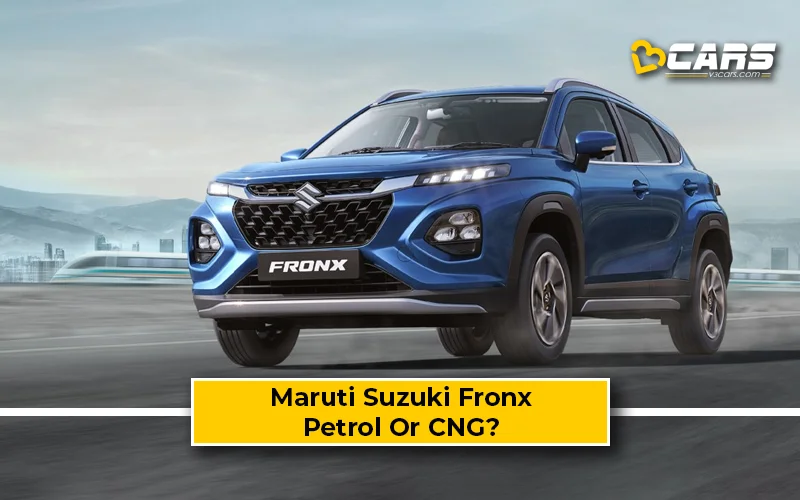
Maruti Arena Fronx Petrol Vs CNG Mileage And Running Cost
If you’re wondering whether to buy the Maruti Suzuki Fronx petrol or CNG, this article will help you make a data-backed decision. We compare the latest ex-showroom prices, official mileage figures and current fuel prices in Delhi to calculate the running cost difference between the Fronx petrol and CNG variants. We also calculate how many kilometres you need to drive the Fronx CNG to recover its higher upfront cost over the petrol variant.

2026 Honda ZR-V Hybrid Photo Gallery
The 2026 Honda ZR-V Hybrid is set to launch in India as Honda’s new flagship SUV on May 22, 2026. Positioned above the Elevate, the ZR-V will rival premium SUVs like the Volkswagen Tiguan R-Line and Skoda Kodiaq with its strong hybrid powertrain, premium interior and advanced features. In this detailed photo gallery, we take a closer look at the ZRV Hybrid’s design, cabin, practicality, safety features and hybrid technology.
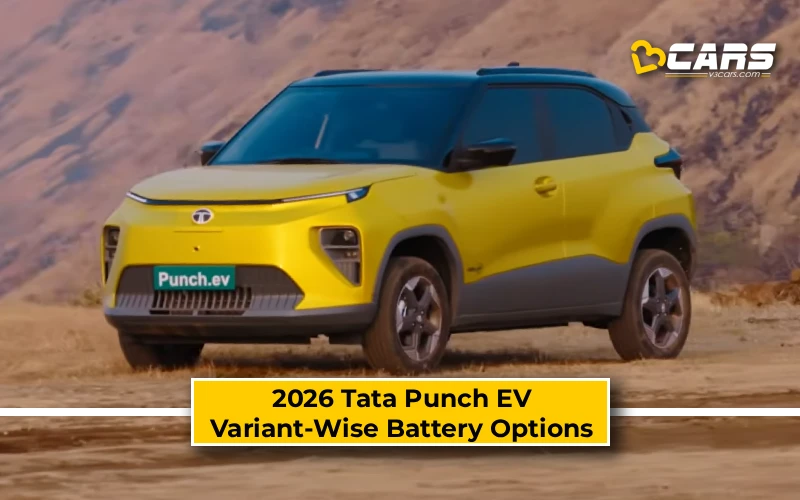
2026 Tata Punch EV Variant-Wise Powertrain Options – Battery, Range & Specifications
The 2026 Tata Punch EV is available with multiple battery pack and motor configurations, giving buyers the flexibility to choose between affordability and longer driving range. Depending on the variant, the new Punch EV offers different power outputs, battery capacities and claimed range. In this article, we break down the 2026 Punch EV’s variant-wise powertrain options and check out which variants get the 30kWh and 40kWh battery packs, along with their performance specifications, so you can pick the variant that best suits your needs.

Maruti Fronx 1.0L Turbo Petrol-Auto Mileage Test: Real World City, Highway Fuel Efficiency
In this article, we’ll present the data based on V3Cars mileage test and inform you about what real-world fuel efficiency you can expect from the Maruti Fronx 1.0L turbo petrol-automatic in city and highway driving conditions. We’ll also find out how much the mileage numbers deviate from the manufacturer-claimed fuel efficiency figures. The information presented in this article will also help you learn about the mileage differences you can expect when driving in the city vs driving on the highway.

10 Features New Kia Syros Gets Over Kia Sonet
Kia unveiled their all-new B2-segment SUV, the 2025 Syros, on December 19, 2024. While Kia India are yet to reveal the variant-wise prices of the 2025 Syros, it is expected to slot in between the Sonet B2-SUV and Seltos C-SUV.
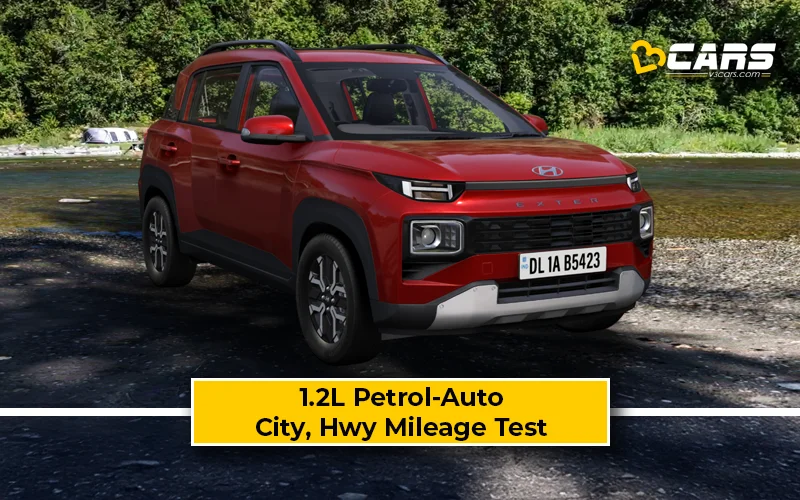
Hyundai Exter 1.2L Petrol-Auto Mileage Test: Real World City, Highway Fuel Efficiency
In this article, we’ll present the data based on V3Cars mileage test and inform you about what real-world fuel efficiency you can expect from the Hyundai Exter 1.2L petrol-automatic in city and highway driving conditions. We’ll also find out how much the mileage numbers deviate from the manufacturer-claimed fuel efficiency figures. The information presented in this article will also help you learn about the mileage differences you can expect when driving in the city vs driving on the highway.
Latest Videos
View All Car Latest Videos

-7S-Vs-Hycross-ZX.webp)
![[MOST DETAILED] Maruti Suzuki Baleno Pros & Cons Wala Review (₹5.99 - 9.99 lakh) | V3Cars](https://assets.v3cars.com/media/videoImages/642928Maruti-Baleno-2026-Pros-Cons-Review.webp)
.webp)

Upcoming Cars In India
View All Upcoming Cars.jpg)




Popular News

Mahindra Thar Roxx (Thar 5-door) Expected Price — #WithLogic (Updated: Jul 29)

5 Missing Features In Mahindra XUV700 Over Scorpio N

Top 5 Features Scorpio N Misses But The Tata Safari Gets
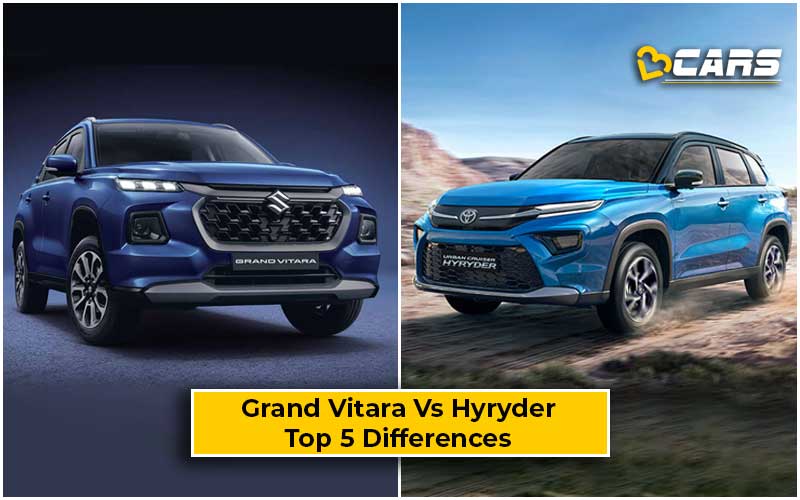
Top 5 Differences – Maruti Suzuki Grand Vitara Vs Toyota Urban Cruiser Hyryder

Maruti Suzuki Grand Vitara Ex-Showroom Price Leaked Ahead Of July 20 Debut

6 Missing Features In 2022 Hyundai Venue Facelift
Maruti Suzuki Grand Vitara Expected Prices
2022 Toyota Urban Cruiser Hyryder Expected Prices — Mild Hybrid, AWD And Mild Hybrid Auto

Kia Seltos Facelift Launch In 2023

2022 Mahindra Scorpio - First Teaser Drops Ft. Amitabh Bacchan
Updated Maruti Nexa Fronx Expected Price Calculation (Variant-wise) - With Logic

7 Missing Features In Hyundai Creta Over Toyota Urban Cruiser Hyryder
Latest Car News
Mahindra Bolero Bold Edition Revealed With Bronze Accents And Rear Camera
October 2026: Maruti Suzuki Grand Vitara Price Change - Hiked By Up To 10k
October 2026: Maruti Suzuki Victoris Price Change - Hiked By Up To 10k
October 2026: Maruti Suzuki Eeco Price Change - Hiked By Up To 5k
October 2026: Maruti Suzuki Invicto Price Change - Hiked By Up To 5k
October 2026: Maruti Suzuki Jimny Price Change - Hiked By Up To 5k
October 2026: Maruti Suzuki Brezza Price Change - Hiked By Up To 10k
October 2026: Maruti Suzuki Fronx Price Change - Hiked By Up To 5k
October 2026: Maruti Suzuki Ertiga Price Change — Hiked By Up To 10k
October 2026: Maruti Suzuki XL6 Price Change — Hiked By Up To 10k
Hyundai Bayon Safety Features Revealed Ahead Of October 26 Launch
Comments
0 comments