

 Upcoming CarsPopular CarsLatest CarsElectric Cars
Estimate costs and savings with our handy automotive calculators.
Simplify your car ownership journey with our buying, selling, and renewal tools.
Explore additional resources and comparisons for car enthusiasts.
Published : 08 May 2024
Read Time : 5 min
Author: Nikil Jonathan
In this Feature Explained article, we’ll present the most detailed analysis of the manual day/night inside rear-view mirror. We’ll list out the pros and cons, explain how it works, provide the typical cost of getting a day/night inside mirror from the aftermarket, repair/replacement costs of a prismatic IRVM. Based on this analysis, we’ll suggest if you should add this feature to your car or skip it.

What Is IRVM Or Inside Rear View Mirror?
IRVM stands for Inside Rear View Mirror. It's the mirror you use inside your car to see what's happening behind you.
Most IRVMs are day/night mirrors, which means they have a feature that reduces the glare of headlights from vehicles behind you at night. This is important for safety, as bright headlights can make it difficult to see the road ahead.
There are two types of day/night IRVMs:
- Manual day/night IRVMs have a lever that you can use to switch between a regular reflective surface and a tinted surface. The tinted surface reduces the glare from headlights.
- Automatic day/night IRVMs have a light sensor that automatically dims the mirror when it detects bright headlights behind you.
A day/night inside mirror has 2 levels of reflections — brighter and darker — for driving during day and night. A flick switch helps us change between its day (bright) and night (dark) modes.
The day mode works like a normal mirror reflecting everything clearly through the rear windshield. The night mode is darker and it cuts down the intensity of reflections during night time to avoid glare from vehicles behind you using the high beam. There’s still enough reflection in the darker night mode of the IRVM that you can easily spot vehicles following you and plan your manoeuvres. However, it’s not so bright that it affects your forward visibility during night driving.

What Are The Pros And Cons Of Day/Night Inside Rear View Mirror (IRVM)?
Pros or advantages of manually-adjustable day/night mirrors:
- Budget-friendly: They're a cost-effective choice compared to automatic options.
- DIY installation: For the mechanically inclined, self-installation saves on labor costs.
- Improved night visibility: Compared to standard mirrors, they can reduce some headlight glare.
Cons or negatives of manually-adjustable day/night mirrors:
- Manual adjustments: Frequent flipping between day and night modes can be distracting and inconvenient.
- Limited effectiveness: They don't fully block glare, leading to eye strain and potential safety hazards.
- Readjustment needed: In some cars, changing modes might require readjusting the angle, adding another step.
How Does A Day/Night Inside IRVM Work?
A day/night inside mirror has 2 reflective surfaces inside shaped like a prism. One of them is a little darker than the other to cut down the glare during night driving. A mechanical switch under the mirror helps us switch between the day and night modes. Usually, the flick switch tilts the mirror just enough to toggle the mode of the IRVM without requiring any adjustments. However, in some cars, the mirror may require some readjustment everytime you change the mode.
How Expensive Is It To Repair Or Replace A Day/Night Inside Rear View Mirror?
Need a new day/night rearview mirror (IRVM)? Here's what you need to know about costs, upgrades, and replacements:
Replacing a manually-adjustable inside rear view mirror (IRVM)
- Cost: Replacing usually falls between Rs. 2,000 and 3,500 for most cars.
- Upgrading: Consider a mirror from a higher variant of your car or a higher-end model. Shared parts across models might make it compatible. For example, my Nano got a Tiago's day/night mirror!
- Windshield Replacement: If replacing the windshield, check if the old mirror’s clip mechanism is intact. If so, reuse it!
Repair vs. Replace:
- Repair: While possible, it's rarely needed during a vehicle’s lifetime. In case of a loose ball joint or broken arm/mirror, replacement is usually easier.
Additional Tips:
- DIY Installation: For some cars, self-installation is possible, saving on labour costs.
- Professional Help: Glued mirrors are trickier and might require professional help for replacement.
Remember: Upgrading your IRVM can enhance safety and comfort, especially during night driving. Weigh the cost-benefit against your driving habits and needs.
What Is An Auto Dimming IRVM And How Does It Work?
An auto-dimming IRVM, also known as an automatic day/night mirror, is a type of rearview mirror that automatically adjusts its reflectiveness to reduce glare from headlights behind you. This improves safety and comfort while driving, especially at night.
An auto-dimming IRVM has sensors on both the front and rear sides. The front sensor detects the ambient light level. The rear sensor detects the light coming from behind your vehicle. If the rear sensor detects bright light, such as headlights from an oncoming vehicle, it sends a signal to a control unit. The control unit then applies a small voltage to a special liquid crystal (LC) layer within the mirror. The LC layer reacts to the voltage by changing its properties, effectively dimming the reflection of the bright lights.
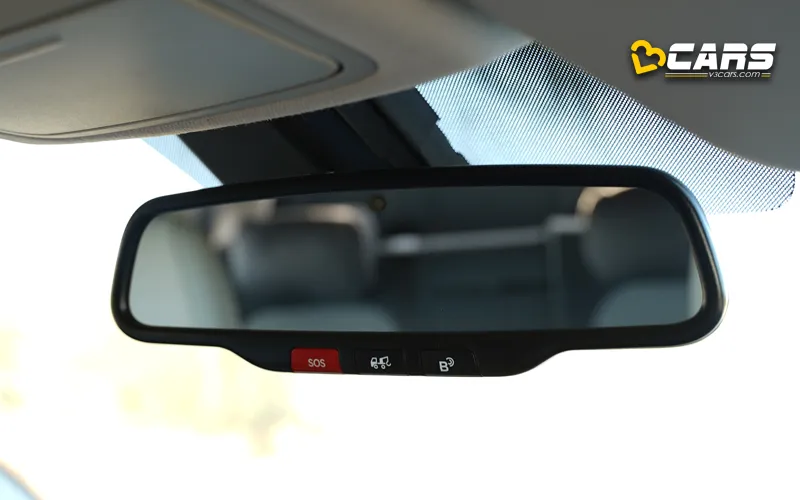
What Is The Cost Of Aftermarket Day/Night Inside Rear-View Mirror?
In most mass market cars, adding a day/night inside mirror will typically cost you between Rs. 2,000 and 3,500. If you buy an OEM-spec manual day/night IRVM, then you could save about Rs. 500 to Rs. 1,000 depending on the compatible make and model.
How Easy Or Complex Is It To Install A Manual Day/Night Inside Rear-View Mirror?
Installing a day/night IRVM is usually a straightforward task. It’s usually attached to the windshield either with glue or clips into an attachment glued to the windshield.
If your car has the clip-type mechanism, then it’s super easy to install it in your car. You’ll have to carefully slide the existing IRVM out of the clip by pulling it towards the seats and away from the dashboard. Once it’s out, slide the new one in until it clicks and you’re good to go.
If your car holds on to the inside mirror with glue, then you’ll have to pry hard to remove the old mirror in the first place. Once it’s out, you’ll have to use double-tape to fix the new one. While doing so, you will need to hold the mirror in place until the glue dries out. This process is not suitable for self installation. So, we’ll recommend getting some professional help in this case.
What Cars Get A Day/Night Inside Rear View Mirror From The Factory?
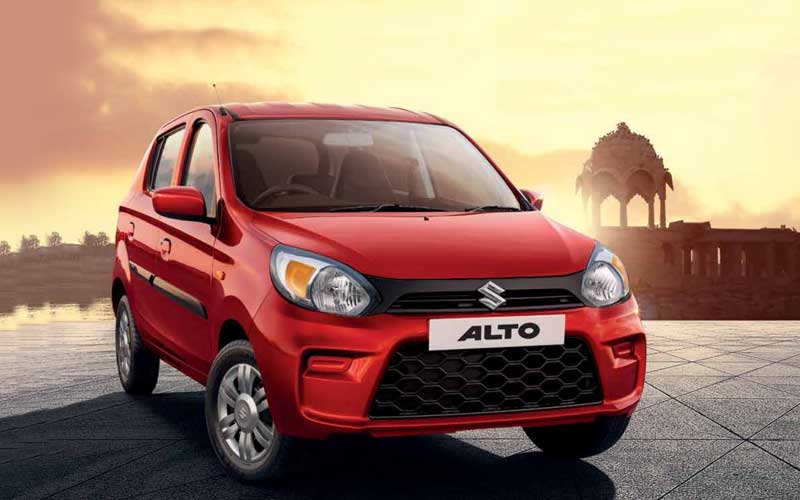
All cars under Rs. 10.0 lakh (ex-showroom) get the day/night inside rear view mirror at least in some variants. Alto is the only car currently on sale, which doesn’t offer a day/night inside mirror even in the top variant.
Verdict - Should I Get An Aftermarket Day/Night Inside Rear-View Mirror (IRVM)?
If your car didn’t come with a day/night inside mirror from the factory, then we highly recommend getting this feature after purchase. You can ask your car dealer or service centre to install it for you. It’s also fairly easy to find a compatible day/night inside mirror for your car from the aftermarket.
Once you use this feature in a car, it’s difficult to go back to a plain-Jane inside rear-view mirror. Considering the cost and simplicity of installing this feature on any car and the comfort, convenience and safety it offers during night driving, a day/night inside mirror is a must have feature for all car owners.
Note: Check your Car EMI with our - Car Loan EMI Calculator
You can use our Fuel Cost Calculator to see how any petrol, diesel or CNG car will cost to run based on the latest fuel price in your city.
Did you find this information helpful?

Content Writer
Nikil's a huge fan of classic cars, especially Italian beauties such as the Alfa Romeo Giulia Sprint and the Iso Grifo. His love for cars and bikes originated when he first laid his eyes on a poster of the Ferrari F40 and the MV Agusta F4 when he was just a child. He also loves all things analogue, especially vintage cameras and turntables.
Car News Update
View All Latest News
Mahindra XUV 3XO CNG Gets 5-Star Bharat NCAP Safety Rating
Bharat NCAP has extended the Mahindra XUV 3XO’s 5-star safety rating to its factory-fitted CNG variants, sold as the XUV 3XO ZNG. The CNG version earned 5 stars in both categories, scoring 29.36 out of 32.00 for adult occupant protection and 45.00 out of 49.00 for child occupant protection.
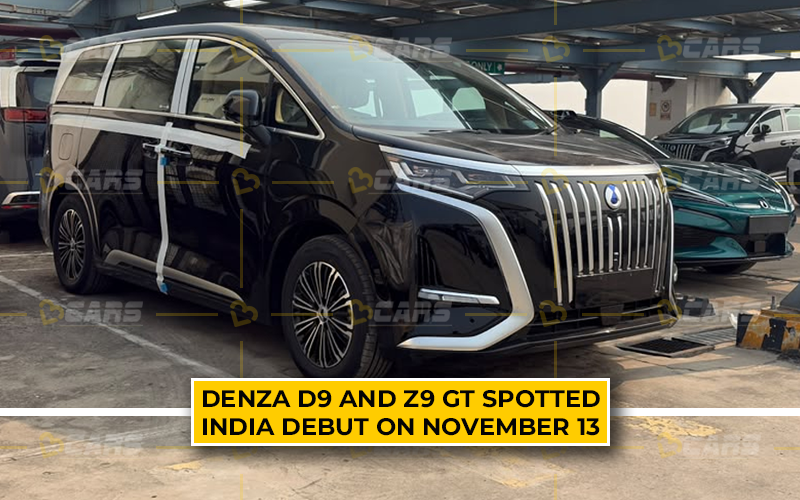
Denza D9 And Z9 GT Spotted At Dealer Yard Ahead Of India Debut
V3Cars have obtained exclusive photos of at least 3 Denza D9 electric MPVs at a dealer yard. A green Denza Z9 GT, the brand’s high-performance electric estate, is parked nearby. BYD’s luxury brand will make its India debut in Mumbai on November 13, 2026.

November 2026: VinFast VF MPV 7 Electric Price Change - Reduced By Rs. 4.10 Lakh
VinFast have revised the prices of the VF MPV 7 Electric for November 2026. The VF MPV 7 Electric with the 60.13kWh battery pack received a price cut of Rs. 4.10 lakh, making it significantly more affordable.
The VinFast VF MPV 7 Electric 2026 price now stands at Rs. 20.39 lakh, down from its previous price of Rs. 24.49 lakh. In percentage terms, the price reduction stands at 16.74%.

Toyota Innova Crysta Limo Launched For Fleet Customers; Prices Remain Unchanged
Toyota have introduced the Innova Crysta Limo, a dedicated offering for fleet and commercial mobility customers. Available exclusively in the GX-SLF variant, the new Limo branding aims to give Toyota’s professional mobility offering a distinct identity.

Hyundai Introduce Usage-Based Car Insurance For Bluelink Users
Hyundai have introduced usage-based insurance for owners of Bluelink-connected cars across their range. It lets insurance companies offer up to 15 percent off the own-damage premium at renewal, depending on the car’s driving score on the Bluelink app.

2027 Kia Sonet Spied Testing – New Design, Split Headlamps, Curved Screen Expected
Kia have begun testing the 2nd-generation Sonet in India ahead of its expected launch in 2027. The latest spy shots of the upcoming B2-segment SUV reveals several changes to its exterior design.
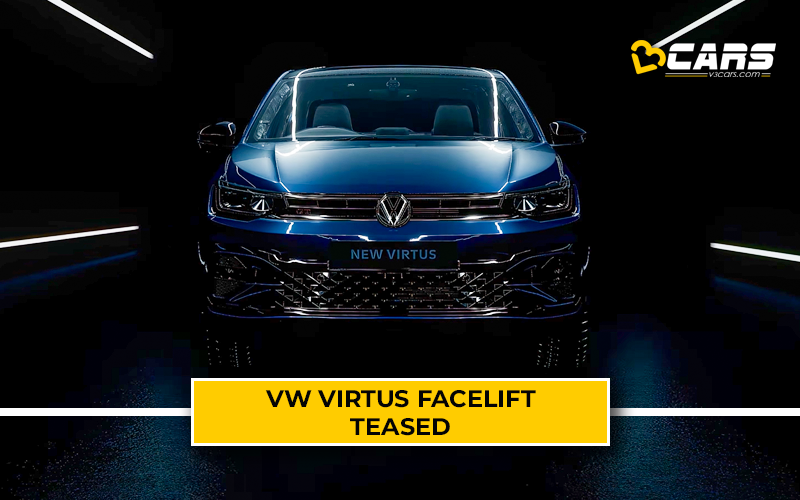
2026 Volkswagen Virtus Facelift Teased Ahead Of Launch
Volkswagen have released a teaser of the updated Virtus, offering an early look at the facelifted sedan’s revised styling. The 2026 Virtus facelift is expected to make its India debut in late November, ahead of an early-December launch.
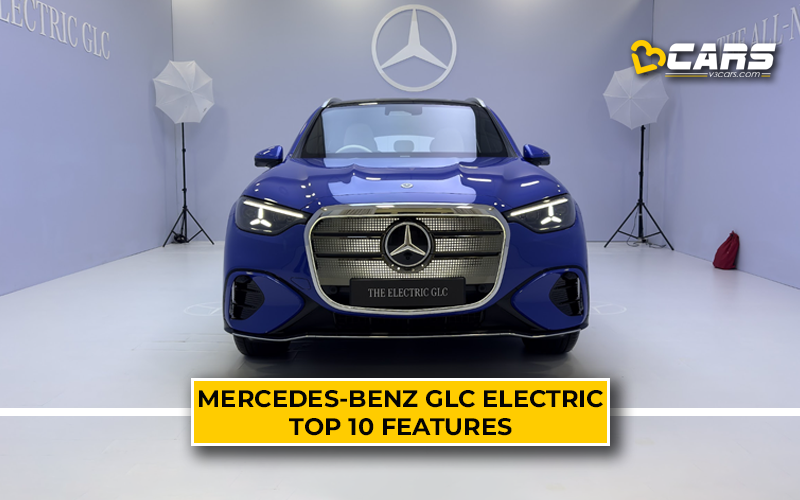
Top 10 Features Of Mercedes-Benz GLC 400 4Matic Electric SUV
Mercedes-Benz have launched the GLC Electric in India at Rs. 78.50 lakh (ex-showroom). The electric SUV comes in the GLC 400 4MATIC variant with AMG Line styling and a 94kWh battery.

Mercedes-Benz GLC Electric Launched In India At Rs. 78.50 Lakh
Mercedes-Benz have launched the GLC Electric in India at Rs. 78.50 lakh (ex-showroom). The electric SUV comes in the GLC 400 4MATIC variant with AMG Line styling and a 94kWh battery. It offers 4-wheel drive and a claimed WLTP range of 711km. Locally assembled at Chakan, Pune, it joins the existing petrol and diesel GLC in the brand’s India lineup. Here’s a look at its price, range, charging capabilities and key features.
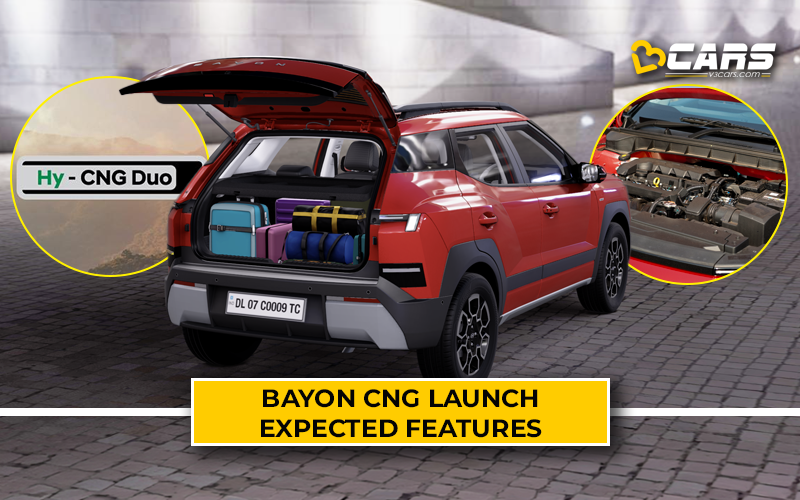
Hyundai Bayon CNG - Expected Price, Engine, Boot Space And Features
Hyundai will launch the Bayon CNG in January 2027, expanding the SUV’s powertrain lineup beyond petrol-manual and petrol-CVT options. The CNG version is expected to use the existing 1.5L engine, with lower power and torque outputs. For buyers considering it, the price premium, luggage space and variant-wise features will matter alongside mileage. Here’s what we know and what to expect from the upcoming Hyundai Bayon CNG.

Nissan Offer Free CNG Retrofitment On Select Magnite And Gravite Variants This Festive Season
Nissan Motor India have announced a limited-period festive offer that provides CNG retrofitment at no additional cost on select variants of the Magnite and Gravite. The offer, valid until November 16, 2026, covers government-approved CNG kits worth Rs. 74,999 for the Magnite and Rs. 85,999 for the Gravite.
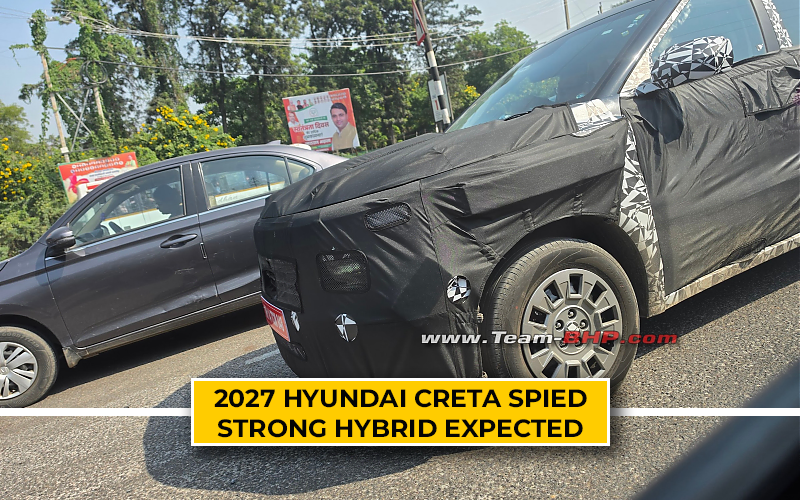
2027 Hyundai Creta Spied – Pleos Connect, Strong Hybrid Powertrain Expected
The next-generation Hyundai Creta was spotted testing in Manali recently, revealing fresh exterior design details. The 3rd generation Creta will launch in India in April 2027 and is expected to be positioned above the new Bayon 2026.
Expert Car Reviews
View All Car Reviews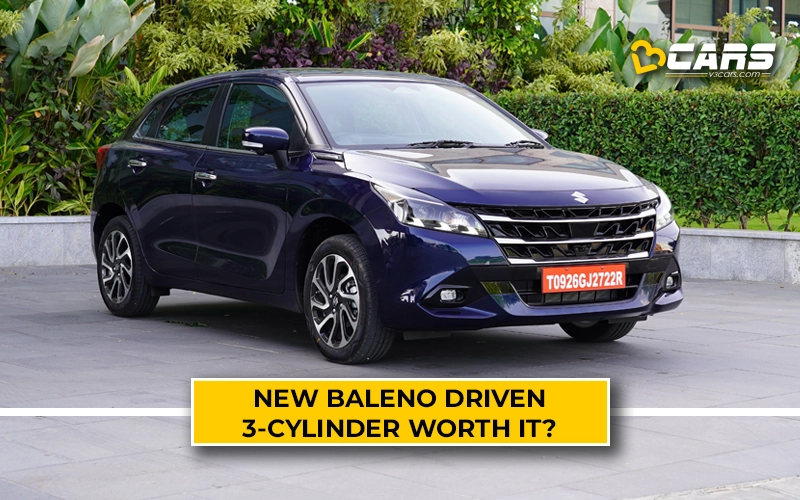
2026 Maruti Baleno Facelift Photo Gallery - Design, Features And Drive Review
The 2026 Maruti Baleno facelift gets a new 1.2L 3-cylinder petrol engine, level 2 ADAS and ventilated front seats. We drove it to see whether the new engine and added features make up for the loss of the old 4-cylinder’s refinement.
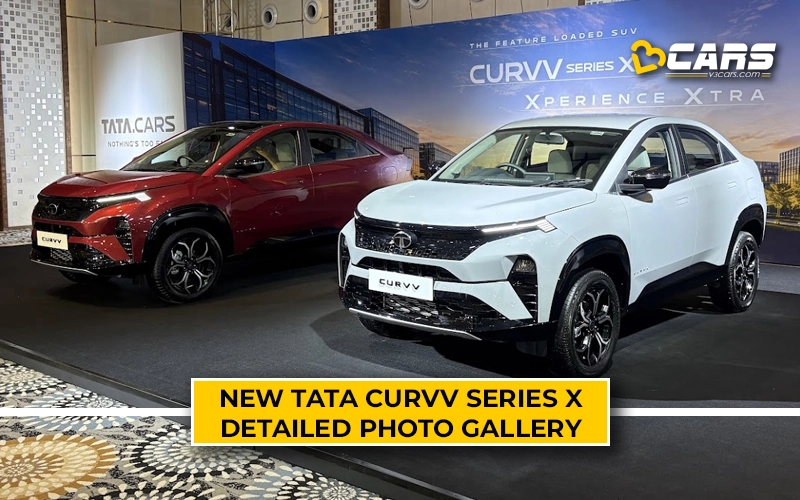
2026 Tata Curvv Series X Photo Gallery - Exterior, Interior And Features
Tata have launched the 2026 Curvv Series X with a simpler variant lineup and several features moved further down the range. We got a closer look at the new Curvv Series X, including the Pure X Plus and Creative X Plus variants. In this detailed photo gallery, we take you through their exterior differences, interior, features, rear-seat space and the construction of Tata’s R-Comfort seats.

2026 Maruti Brezza Facelift Worth Buying?
The 2026 Maruti Brezza adds a 1.0L turbo petrol engine, more features and a 5-star Bharat NCAP rating. Its underbody CNG cylinder also frees up the full 328L boot. However, not every powertrain and variant offers equally strong value. We explain which Brezza to buy and when a rival makes more sense.
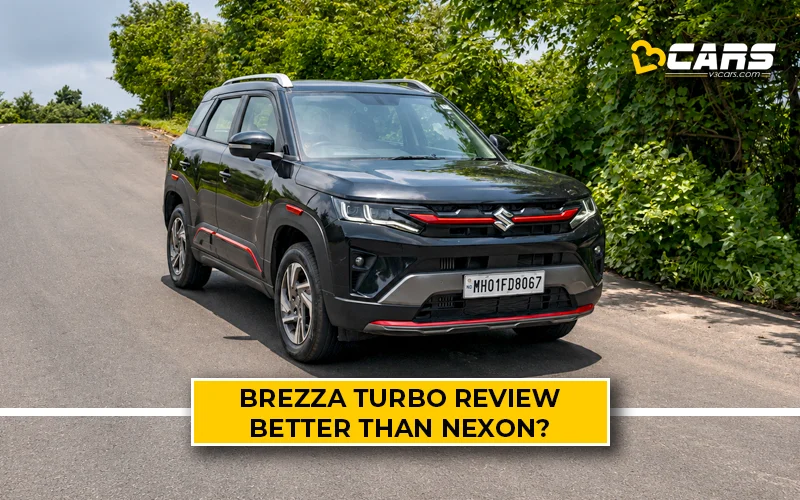
2026 Maruti Arena Brezza 1.0L Turbo Manual First Drive Review
We drove the 2026 Maruti Arena Brezza with its new 1.0L turbo petrol engine and 6-speed manual transmission. We covered roughly 50km over about 2 hours at speeds representative of typical city driving. Here are my impressions of its performance, refinement, mileage, highway manners, ride and everyday usability.
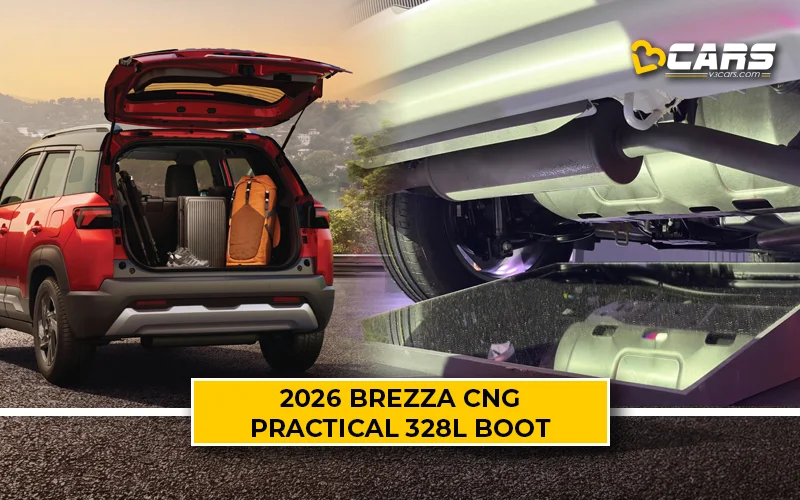
2026 Maruti Brezza CNG 328L Boot Space Explained
The 2026 Maruti Brezza CNG now has its cylinder mounted below the body, allowing it to retain the petrol version’s full 328L boot space. We examine the practical improvement, dimensions, ground clearance and boot-related features offered with each CNG variant.
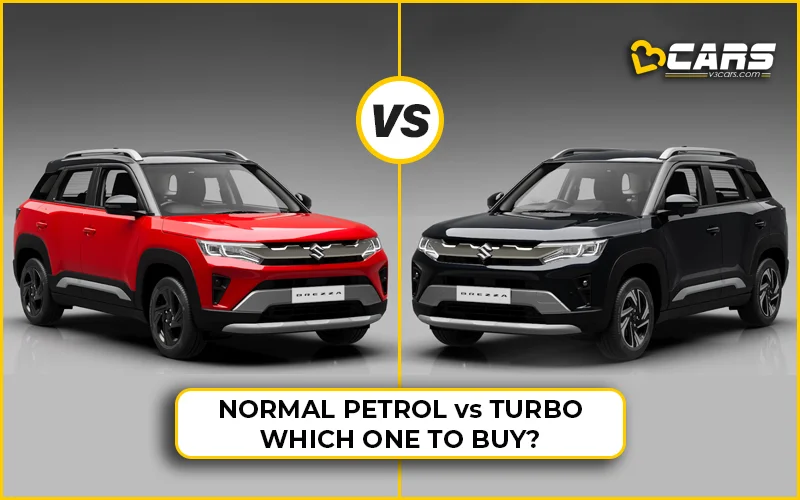
2026 Maruti Brezza 1.0L Turbo Vs 1.5L Petrol - Which One To Buy?
The 2026 Maruti Brezza offers a new 1.0L turbo petrol engine alongside the familiar 1.5L normal petrol. Both engines come with a new 6-speed manual transmission. The smaller turbo costs less and offers more power, torque and features, while the 1.5L petrol claims better mileage. We compare the 2 to determine which Brezza petrol-manual makes more sense.
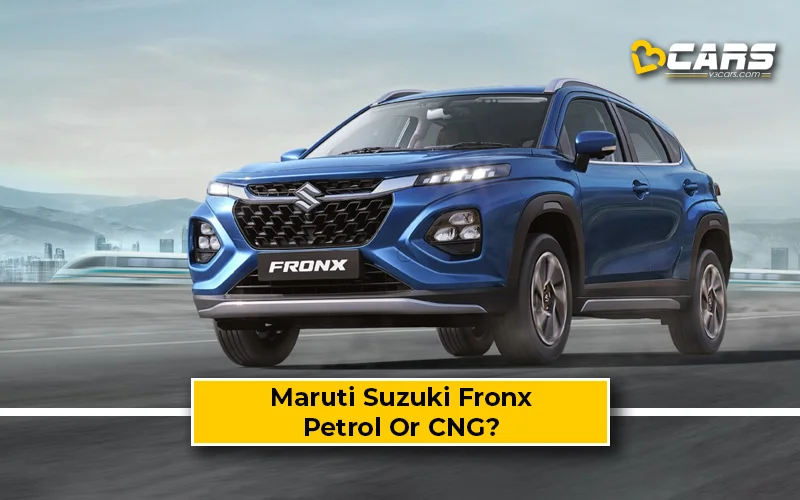
Maruti Arena Fronx Petrol Vs CNG Mileage And Running Cost
If you’re wondering whether to buy the Maruti Suzuki Fronx petrol or CNG, this article will help you make a data-backed decision. We compare the latest ex-showroom prices, official mileage figures and current fuel prices in Delhi to calculate the running cost difference between the Fronx petrol and CNG variants. We also calculate how many kilometres you need to drive the Fronx CNG to recover its higher upfront cost over the petrol variant.
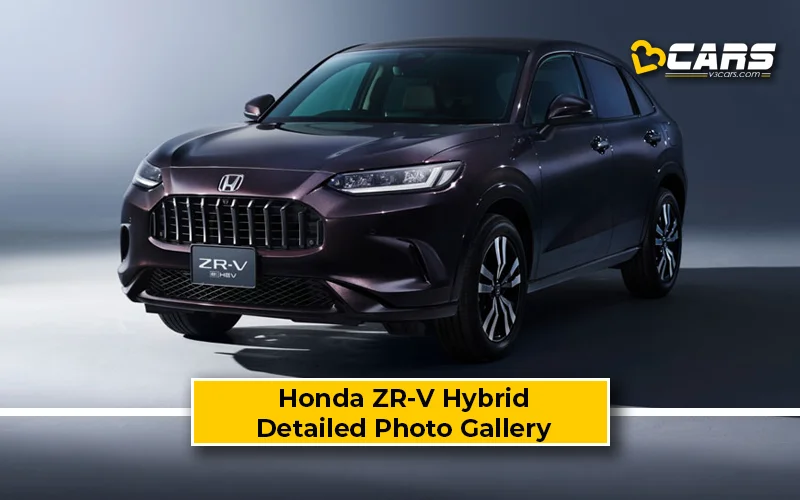
2026 Honda ZR-V Hybrid Photo Gallery
The 2026 Honda ZR-V Hybrid is set to launch in India as Honda’s new flagship SUV on May 22, 2026. Positioned above the Elevate, the ZR-V will rival premium SUVs like the Volkswagen Tiguan R-Line and Skoda Kodiaq with its strong hybrid powertrain, premium interior and advanced features. In this detailed photo gallery, we take a closer look at the ZRV Hybrid’s design, cabin, practicality, safety features and hybrid technology.
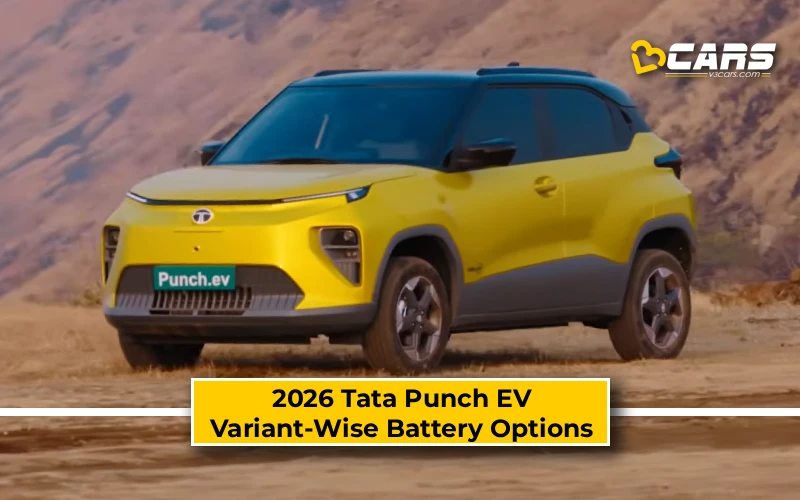
2026 Tata Punch EV Variant-Wise Powertrain Options – Battery, Range & Specifications
The 2026 Tata Punch EV is available with multiple battery pack and motor configurations, giving buyers the flexibility to choose between affordability and longer driving range. Depending on the variant, the new Punch EV offers different power outputs, battery capacities and claimed range. In this article, we break down the 2026 Punch EV’s variant-wise powertrain options and check out which variants get the 30kWh and 40kWh battery packs, along with their performance specifications, so you can pick the variant that best suits your needs.

Maruti Fronx 1.0L Turbo Petrol-Auto Mileage Test: Real World City, Highway Fuel Efficiency
In this article, we’ll present the data based on V3Cars mileage test and inform you about what real-world fuel efficiency you can expect from the Maruti Fronx 1.0L turbo petrol-automatic in city and highway driving conditions. We’ll also find out how much the mileage numbers deviate from the manufacturer-claimed fuel efficiency figures. The information presented in this article will also help you learn about the mileage differences you can expect when driving in the city vs driving on the highway.
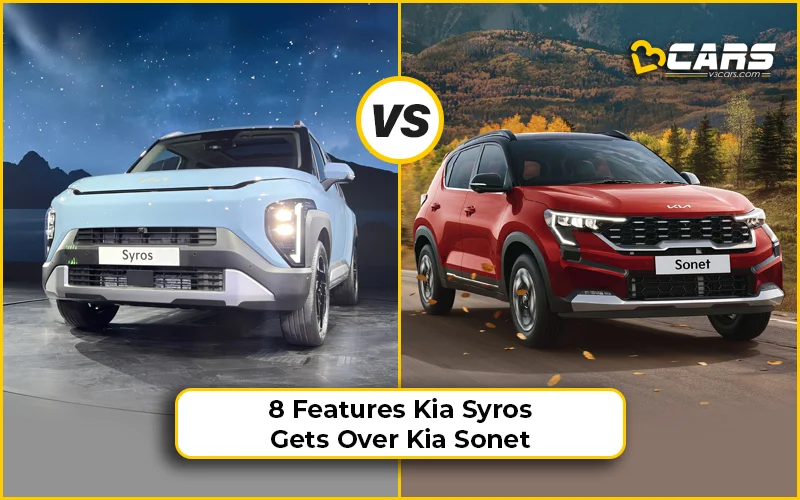
10 Features New Kia Syros Gets Over Kia Sonet
Kia unveiled their all-new B2-segment SUV, the 2025 Syros, on December 19, 2024. While Kia India are yet to reveal the variant-wise prices of the 2025 Syros, it is expected to slot in between the Sonet B2-SUV and Seltos C-SUV.
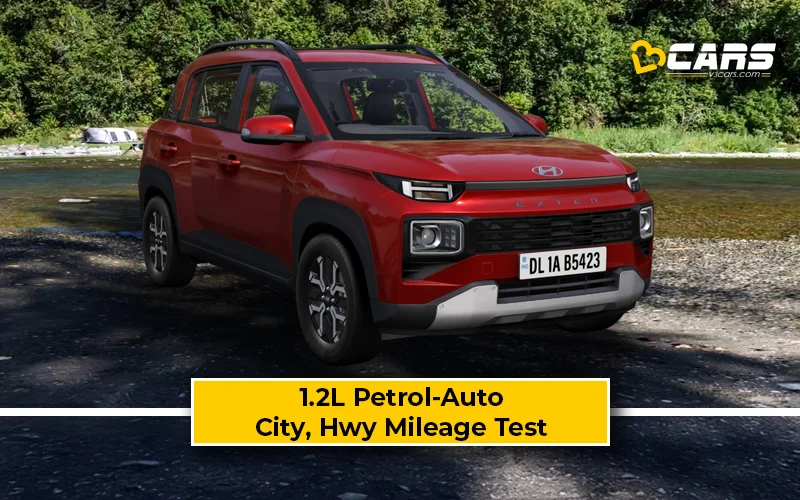
Hyundai Exter 1.2L Petrol-Auto Mileage Test: Real World City, Highway Fuel Efficiency
In this article, we’ll present the data based on V3Cars mileage test and inform you about what real-world fuel efficiency you can expect from the Hyundai Exter 1.2L petrol-automatic in city and highway driving conditions. We’ll also find out how much the mileage numbers deviate from the manufacturer-claimed fuel efficiency figures. The information presented in this article will also help you learn about the mileage differences you can expect when driving in the city vs driving on the highway.
Latest Videos
View All Car Latest Videos






Upcoming Cars In India
View All Upcoming Cars





Popular News
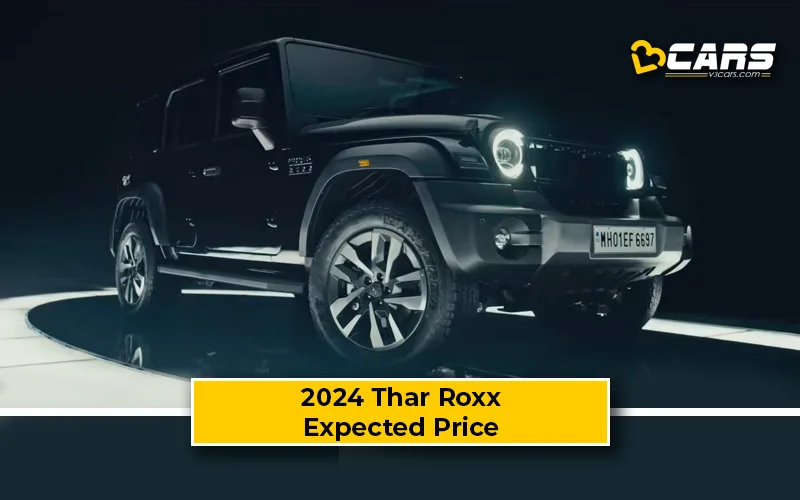
Mahindra Thar Roxx (Thar 5-door) Expected Price — #WithLogic (Updated: Jul 29)

5 Missing Features In Mahindra XUV700 Over Scorpio N

Top 5 Features Scorpio N Misses But The Tata Safari Gets

Top 5 Differences – Maruti Suzuki Grand Vitara Vs Toyota Urban Cruiser Hyryder

Maruti Suzuki Grand Vitara Ex-Showroom Price Leaked Ahead Of July 20 Debut

6 Missing Features In 2022 Hyundai Venue Facelift
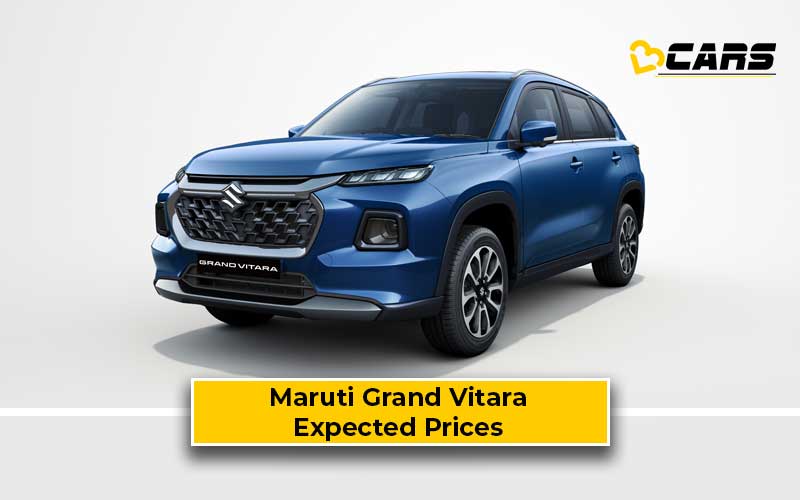
Maruti Suzuki Grand Vitara Expected Prices
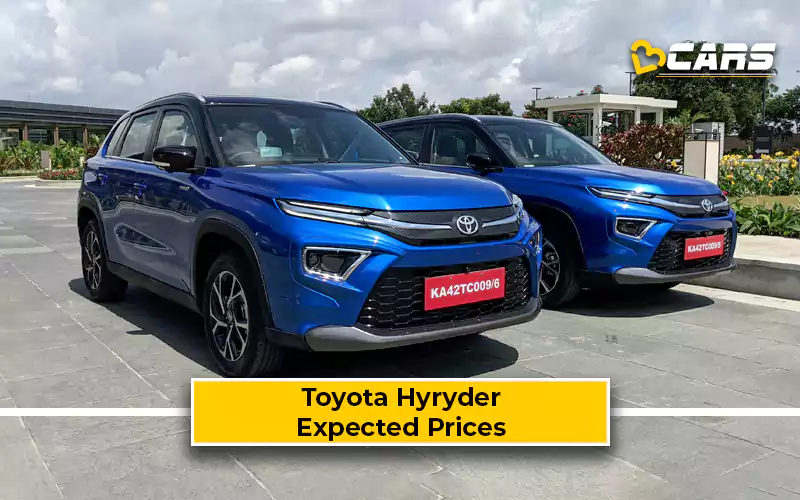
2022 Toyota Urban Cruiser Hyryder Expected Prices — Mild Hybrid, AWD And Mild Hybrid Auto
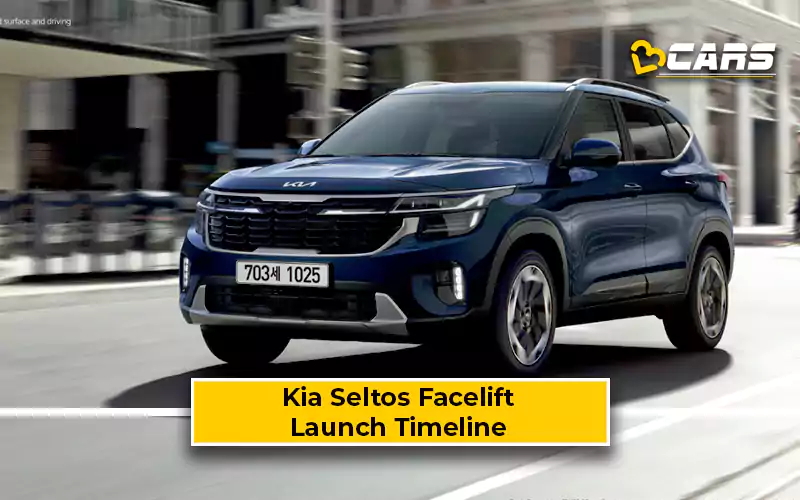
Kia Seltos Facelift Launch In 2023

2022 Mahindra Scorpio - First Teaser Drops Ft. Amitabh Bacchan
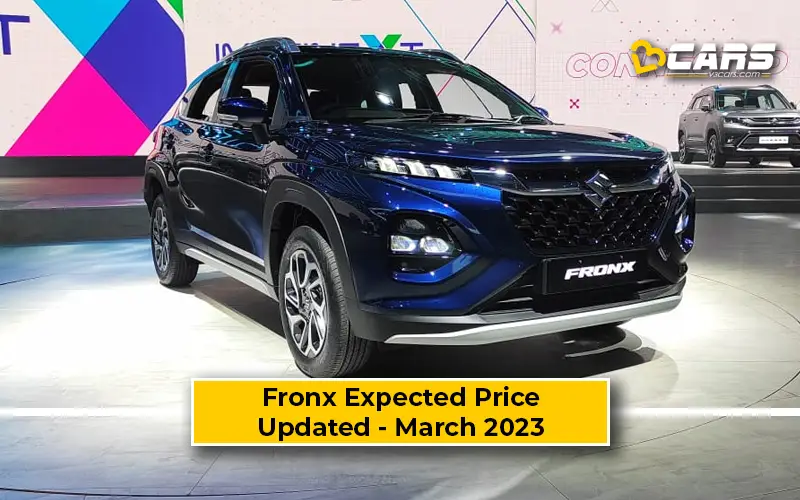
Updated Maruti Nexa Fronx Expected Price Calculation (Variant-wise) - With Logic

7 Missing Features In Hyundai Creta Over Toyota Urban Cruiser Hyryder
Latest Car News
Mahindra XUV 3XO CNG Gets 5-Star Bharat NCAP Safety Rating
Denza D9 And Z9 GT Spotted At Dealer Yard Ahead Of India Debut
November 2026: VinFast VF MPV 7 Electric Price Change - Reduced By Rs. 4.10 Lakh
Toyota Innova Crysta Limo Launched For Fleet Customers; Prices Remain Unchanged
Hyundai Introduce Usage-Based Car Insurance For Bluelink Users
2027 Kia Sonet Spied Testing – New Design, Split Headlamps, Curved Screen Expected
2026 Volkswagen Virtus Facelift Teased Ahead Of Launch
Top 10 Features Of Mercedes-Benz GLC 400 4Matic Electric SUV
Mercedes-Benz GLC Electric Launched In India At Rs. 78.50 Lakh
Hyundai Bayon CNG - Expected Price, Engine, Boot Space And Features
Nissan Offer Free CNG Retrofitment On Select Magnite And Gravite Variants This Festive Season
Comments
0 comments