

Published : 01 March 2025
Read Time : 5 min
Author: Nikil Jonathan
Advanced Driver Assistance Systems (ADAS) in cars use cameras, sensors and software to assist drivers and reduce the risk of accidents. Common ADAS features include lane departure warning, auto emergency braking, adaptive cruise control and blind spot detection. In this article, we explain what ADAS is, how ADAS features work, their benefits and limitations, and what buyers should know before choosing a car with ADAS in India.
What Is ADAS?
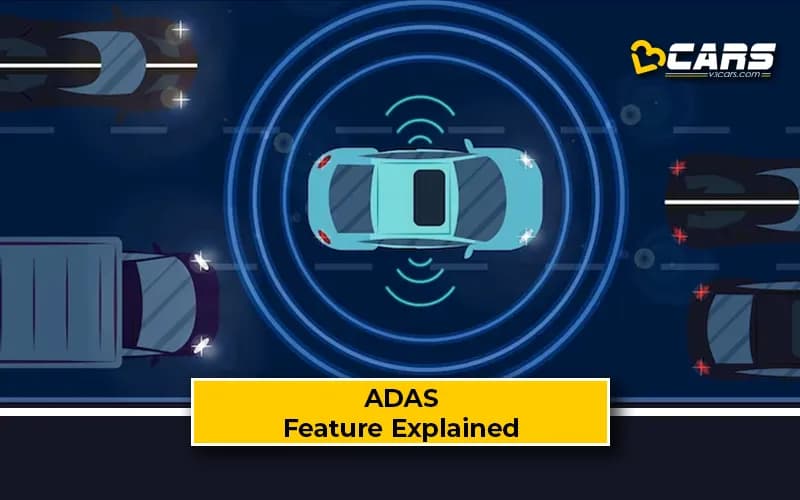
Advanced Driver Assistance Systems (ADAS) are a collection of technologies that utilise sensors, cameras, and algorithms to assist drivers in various aspects of vehicle operation. The primary objective of ADAS is to enhance safety by reducing the likelihood of accidents and minimising the severity of collisions.
How Does ADAS Work?
ADAS systems function by utilising a network of sensors, cameras, and radar systems to gather real-time data about the vehicle’s surroundings. This data is then processed by sophisticated algorithms that analyse the information and provide assistance to the driver. This assistance can range from simple warnings to automatic interventions, such as braking or steering adjustments.
ADAS Features Explained
ADAS is not a single feature. It is a package of different driver assistance features, and each feature serves a different purpose. Some ADAS features only warn the driver, while others can briefly assist with braking or steering. In the following sections, we explain common ADAS features like lane departure warning, automatic emergency braking, adaptive cruise control, blind spot detection, parking assistance, driver drowsiness detection, rear cross-traffic alert and traffic sign recognition.
Lane Departure Warning And Lane Keep Assist
Lane departure warning alerts the driver when the car starts drifting out of its lane without using the turn indicators. Lane keep assist goes a step further and can provide steering input to help the car stay within the lane. These features work best on roads with clear lane markings.
Automatic Emergency Braking
Automatic emergency braking detects a possible front collision and warns the driver. If the driver does not respond in time, the system can apply the brakes to reduce the impact or avoid the crash. The system’s performance can vary depending on speed, road conditions and sensor visibility.
Adaptive Cruise Control
Adaptive cruise control maintains a set speed like regular cruise control. It can also slow down or speed up the car based on the speed of the vehicle ahead. This feature is useful on highways as it helps maintain a safe distance without constant throttle and brake inputs.
Blind Spot Detection
Blind spot detection monitors the areas beside and behind the car that are difficult to see through the mirrors. If another vehicle enters the blind spot, the system warns the driver through a visual or sound alert. This can make lane changes safer, especially on highways.
Parking Assistance
Parking assistance uses sensors and cameras to help drivers park the car safely. Basic systems provide distance alerts while more advanced systems can also show a 360-degree camera view or assist with steering. These features are useful in tight parking spaces.
Driver Drowsiness Detection
Driver drowsiness detection monitors driver behaviour and warns them if it detects signs of fatigue. Some systems use steering inputs and driving patterns, while more advanced systems use a camera to monitor the driver’s face or eyes. This feature is useful during long-distance driving.
Rear Cross-Traffic Alert
Rear cross-traffic alert warns the driver about vehicles approaching from either side while reversing. It is especially useful when reversing out of a parking spot where the driver’s side view is blocked. Some advanced systems can also apply the brakes if the driver does not react in time.
Traffic Sign Recognition
Traffic sign recognition uses a camera to read road signs such as speed limits and warning signs. The system can display this information on the instrument cluster or touchscreen. It can help drivers stay aware of changing road rules, but the driver should still watch road signs directly.
Cars With ADAS Vs Cars Without ADAS
ADAS in cars should be seen as an extra safety layer and not as autonomous driving. A car with ADAS can warn the driver in select situations and, in some cases, assist with braking or steering. A car without ADAS depends completely on the driver’s judgement and reaction time. The effectiveness of ADAS depends on lane markings, road quality, traffic behaviour, weather, lighting, sensor cleanliness and calibration.
ADAS is most useful on access-controlled expressways and well-marked highways, where lane markings are clearer and traffic flow is more predictable. Features like adaptive cruise control, lane keep assist and blind spot detection can reduce fatigue during long drives. In the city, features like automatic emergency braking, parking assistance and rear cross-traffic alert can help in traffic and tight parking spaces, but their performance may vary in dense traffic.
Bharat NCAP also considers Safety Assist Technologies while assessing vehicle safety. These include technologies like automatic braking and lane assistance. However, buyers should not assume that a car is safer only because it offers ADAS. The car’s crash test rating, safety equipment, variant-wise feature list and real-world driver behaviour are equally important.
What Are The Pros And Cons Of ADAS?
ADAS pros or advantages:
- Accident Prevention: ADAS features like Forward Collision Warning and Lane Departure Warning help drivers avoid potential accidents by providing timely alerts and warnings.
- Enhanced Safety: ADAS systems work as an additional set of “eyes” on the road, monitoring surroundings and potential hazards, reducing the risk of collisions.
- Driver Assistance: ADAS features such as Adaptive Cruise Control and Traffic Jam Assist help reduce driver fatigue and stress by automating certain aspects of driving in specific conditions.
- Improved Vehicle Control: ADAS systems assist drivers in maintaining control of their vehicles by providing guidance, especially in challenging driving scenarios.
- Increased Awareness: Blind Spot Detection and Rear Cross Traffic Alert systems increase driver awareness of vehicles or objects in their blind spots, minimising the risk of accidents during lane changes and reversing.
ADAS cons or disadvantages:
- Reliance on Sensors: ADAS heavily relies on sensors and cameras, and adverse weather conditions or sensor malfunctions may affect system performance.
- Driver Complacency: The presence of ADAS features may lead to driver complacency and overreliance on the system, potentially diminishing driver attention and reaction times.
- System Limitations: ADAS systems have limitations and may not perform optimally in all scenarios. It is important for drivers to understand these limitations and remain vigilant while driving.
- Cost Considerations: ADAS-equipped cars and SUVs may have a higher purchase price compared to vehicles without these systems. However, the long-term safety benefits and reduced risk of having an accident may outweigh the initial cost.
Is It Possible To Install ADAS From The Aftermarket?
While some aftermarket ADAS components exist, it is generally not recommended to install a full ADAS system after purchase. These systems require complex integration with a vehicle’s existing electronics and can be difficult to calibrate correctly. Improper installation can compromise safety and may even void your vehicle’s warranty.
What Are Some Affordable Cars In India With ADAS?
Currently, the 2026 Honda Amaze is the most affordable car in India to offer ADAS. Other mass-market cars that offer ADAS include:
- Kia Sonet
- Tata Nexon
- Mahindra XUV 3XO
- Hyundai Venue
- MG Astor
- Renault Duster
- Honda Elevate
- Maruti Suzuki E Vitara
- VinFast VF 6
- Toyota Innova Hycross
Advanced Driver Assistance Systems (ADAS) have the potential to transform the way we drive, significantly improving road safety and driver assistance. By incorporating technologies such as collision warning, lane departure warning, and adaptive cruise control, ADAS systems provide an extra layer of protection and convenience on the road. Understanding the benefits and features of ADAS empowers drivers to make informed decisions when choosing a car. As technology continues to advance, ADAS will play an increasingly crucial role in creating safer and more efficient roads for everyone.
Note: You can use our Fuel Cost Calculator to see how much any petrol, diesel or CNG car will cost to run based on the latest fuel price in your city.