

 Upcoming CarsPopular CarsLatest CarsElectric Cars
Estimate costs and savings with our handy automotive calculators.
Simplify your car ownership journey with our buying, selling, and renewal tools.
Explore additional resources and comparisons for car enthusiasts.
Published : 15 September 2026
Read Time : 5 min
Author: Siddharth
The India-EU Free Trade Agreement could make it easier for carmakers to offer a wider range of European-made cars as full imports. Here is how the lower import duties and quotas work, and what they could mean for the European cars imported here.

India-EU FTA Moves Closer To Implementation
On September 11, 2026, the European Commission presented the India-EU Free Trade Agreement to the EU Council for signature and conclusion. The agreement is not in force yet, but if approved, it could make importing some European-made cars considerably cheaper.
Which European Cars Qualify For The Lower Import Duty?
Simply being a European brand is not enough. The car itself must be manufactured in the European Union to qualify for the lower duty.
For ICE and non-plug-in hybrid cars imported as completely built units (CBUs), the concession starts at a cost, insurance and freight (CIF) value of €15,000, or around Rs. 16.59 lakh at the time of publishing.
The €15,000 threshold refers to the car’s CIF value, not its ex-showroom price, so the rupee conversion should not be treated as the minimum retail price.
India-EU FTA ICE And Hybrid Car Import Duty
In Year 1, up to 1,00,000 eligible EU-made ICE and non-plug-in hybrid cars can enter under the concessional CBU quota.
The following table shows how this initial quota is divided:
Cars valued below €15,000 do not qualify. For eligible cars, the duty starts at 30% or 35% in Year 1 and falls to 10% from Year 5. The annual CBU quota also rises from 1 lakh cars in Year 1 to 1.6 lakh from Year 9 onwards.
By comparison, only 17,191 cars were imported from the EU into India in 2025, so even the first-year quota leaves manufacturers considerable room to increase CBU imports.
CKD Cars Get A Separate Quota
The FTA also offers lower duties for EU-made cars imported as CKD kits and assembled locally. Up to 75,000 ICE and non-plug-in hybrid CKD units a year can qualify during the first 5 years, with the quota reducing to 50,000 units from Year 10.
The duty drops from the current 16.5% to 13.75% in Year 1, 11% in Year 2 and 8.25% from Year 3. That could make local assembly more attractive for higher-volume models, while lower-volume cars continue to use the CBU route.
EV Import Duty Cuts Start Later
The FTA delays the lower import duty for EVs and plug-in hybrids until Year 5, giving locally manufactured electric cars a longer period without additional competition from lower-duty EU imports.
Could The FTA Bring More Than Just Halo Cars?
Today, importing a low-volume car as a CBU can make it too expensive to sell competitively, while setting up local assembly may not make financial sense if demand is limited. Lower import duties change that calculation.
The Volkswagen Golf GTI is a current example of a European model brought here in limited numbers as a CBU. Under the FTA, the same approach could potentially work for a wider variety of cars, including regular hatchbacks, wagons, MPVs and SUVs that are not expected to sell in large enough numbers to justify localisation. Volkswagen have already indicated that the FTA could allow them to widen their portfolio with select niche global models.
That does not mean every eligible European car will become cheaper. Manufacturers could use the lower duty to reduce prices, improve margins, add equipment or simply make previously unviable models worthwhile to import.
The bigger change, therefore, could be more choice rather than just lower prices.
When Do The New India-EU Car Import Rules Start?
There is no confirmed implementation date yet.
The European Commission submitted the agreement to the EU Council on September 11, 2026, but further approvals are still required before the FTA can enter into force.
Also Read: New Audi Q3 Bookings Open Ahead Of Festive Season Launch
Before you finalise your next car, these V3Cars tools can help you make a more informed decision:
Fuel Cost Calculator for Cars – Know your monthly fuel expense based on usage and mileage
Car On-Road Price Calculator – Convert ex-showroom to on-road price for any city
Sell Used Car Online – Enter your car and contact details to get an instant price estimate and book a free inspection with our partner network
Did you find this information helpful?

Associate Editor


Siddharth enjoys understanding why certain cars click with buyers and figuring out what makes people actually stop and read or watch automotive content. He also has a soft spot for cars that may not always make logical sense, but still leave a lasting impression. Travelling, photography and exploring new cuisines are among his other passions.
Car News Update
View All Latest News
November 2026: Maruti Suzuki S-Presso Price Change - Hiked By Up To 5k
Maruti Suzuki have increased the prices of the 2026 S-Presso by up to Rs. 5,000. The LXI (O) variant with the 1.0L petrol-manual powertrain received the highest percentage price hike of 1.31%. The VXI (O) variant with the same powertrain also became costlier by Rs. 5,000, translating to a price hike of 1.16%. Meanwhile, the LXI (O) variant with the 1.0L CNG-manual powertrain received a price hike of Rs. 5,000, equivalent to 1.08%. All other listed variants with the 1.0L petrol-auto (AMT) and CNG-manual powertrains also received a price hike of Rs. 5,000 each. The STD (O) variant with the 1.0L petrol-manual powertrain remains unchanged. Following the price revision, the S-Presso’s ex-showroom prices range from Rs. 3.49 lakh to Rs. 5.32 lakh.
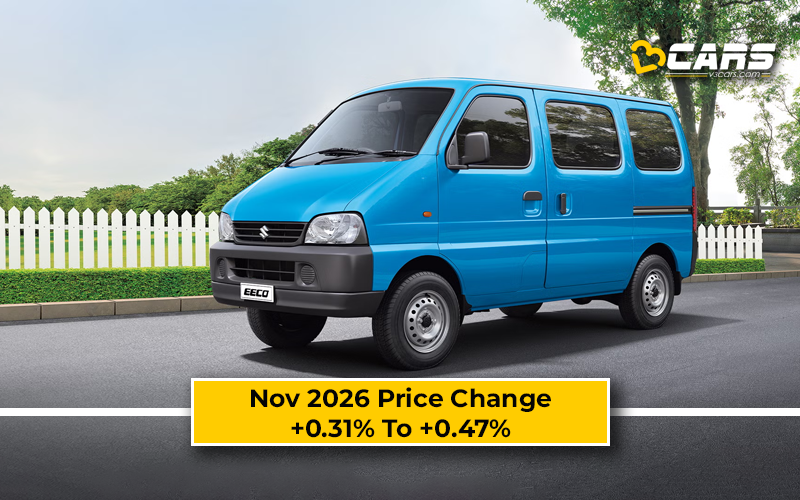
November 2026: Maruti Suzuki Eeco Price Change - Hiked By Up To 2.5k
Maruti Suzuki have increased the prices of the 2026 Eeco by up to Rs. 2,500. The Tour STD 5S and STD 5S variants with the 1.2L petrol-manual powertrain received the highest percentage price hike of 0.47%. The Cargo variant with the same powertrain also became costlier by Rs. 2,500, translating to a price hike of 0.45%. Meanwhile, the Cargo, Tour 5 STR AC, 5 STR AC and Cargo AC variants with the 1.2L CNG-manual powertrain received a price hike of Rs. 2,500 each, equivalent to 0.37% to 0.39%. All other listed petrol-manual variants also received a price hike of Rs. 2,500 each. Following the price revision, the Eeco’s ex-showroom prices range from Rs. 5.31 lakh to Rs. 8.12 lakh.
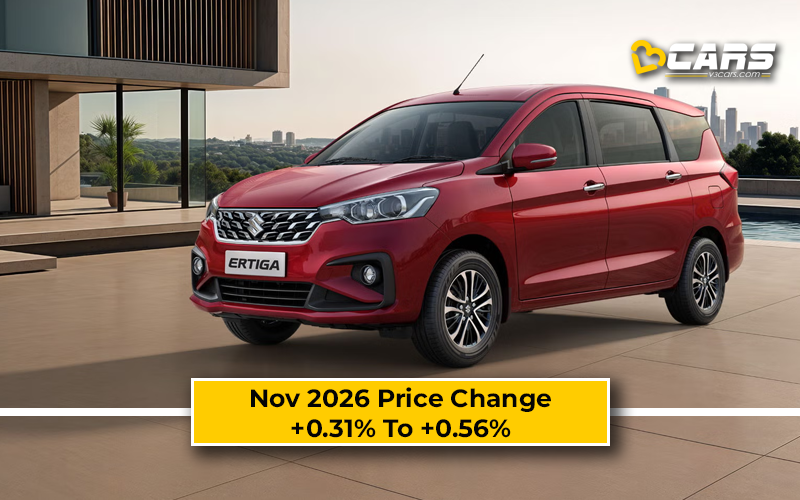
November 2026: Maruti Suzuki Ertiga Price Change - Hiked By Up To 5k
Maruti Suzuki have increased the prices of the 2026 Ertiga by up to Rs. 5,000. The LXI variant with the 1.5L petrol-manual powertrain received the highest percentage price hike of 0.56%. The ZXI variant with the same powertrain also became costlier by Rs. 5,000, translating to a price hike of 0.45%. Meanwhile, the Tour M and VXI variants with the 1.5L petrol-manual powertrain received a price hike of Rs. 3,500 each, equivalent to 0.35%. The VXI variant with the 1.5L petrol-auto (TC) powertrain received the lowest percentage price hike of 0.31%. All other listed variants also received price hikes of Rs. 3,500 or Rs. 5,000. Following the price revision, the Ertiga’s ex-showroom prices range from Rs. 8.95 lakh to Rs. 13.19 lakh.
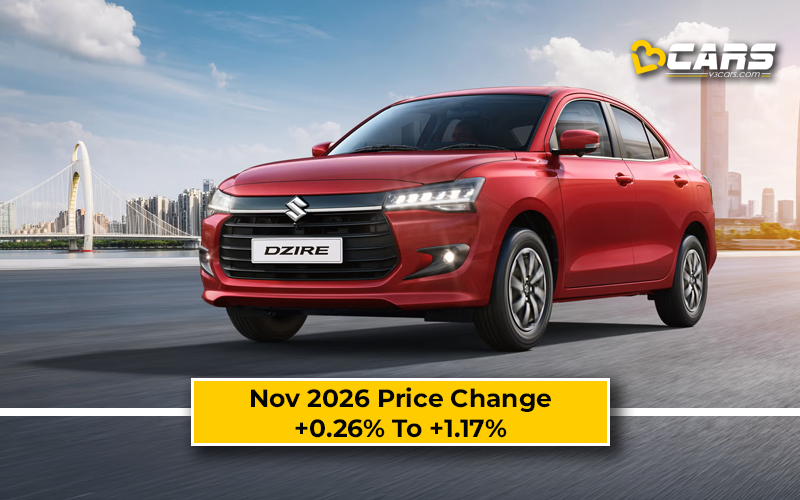
November 2026: Maruti Suzuki Dzire Price Change - Hiked By Up To 10k
Maruti Suzuki have increased the prices of the 2026 Dzire by up to Rs. 10,000. The 1.2L CNG-auto (AMT) variants received the highest price hike of Rs. 10,000, translating to a percentage increase of up to 1.17%. The 1.2L CNG-manual variants received price hikes of Rs. 2,400 to Rs. 7,500, while the 1.2L petrol-manual variants became costlier by Rs. 3,000 to Rs. 5,500. The 1.2L petrol-auto (AMT) variants received a uniform price hike of Rs. 3,000. Following the price revision, the Dzire’s ex-showroom prices range from Rs. 6.34 lakh to Rs. 9.64 lakh.

November 2026: Maruti Suzuki Victoris Price Change - Hiked By Up To 10k
Maruti Suzuki have revised the prices of the 2026 Victoris by up to Rs. 10,000. The LXI variant with the 1.5L normal petrol-manual powertrain received the highest percentage price hike of 0.95%. The LXI variant with the 1.5L normal CNG-manual powertrain also became costlier by Rs. 10,000, translating to a price hike of 0.87%. Meanwhile, the VXI variants with the 1.5L normal petrol-manual and CNG-manual powertrains received a price cut of Rs. 5,000 each, translating to reductions of 0.42% and 0.39%, respectively. The prices of all other Victoris variants across the 1.5L normal petrol-auto (TC) and 1.5L hybrid petrol-auto (CVT) powertrains, along with select petrol-manual and CNG-manual variants, remain unchanged. Following the price revision, the Victoris’ ex-showroom prices range from Rs. 10.60 lakh to Rs. 19.99 lakh.

JSW Motors List Jaeco J5 And Chery iCAR V23 On Website – Launch Expected In 2027
JSW Motors have added 2 more SUVs to their India website – the Jaecoo J5 and Chery iCAR V23. Both models are expected to launch in India in 2027, with different names and minor design changes expected for the Indian market.

November 2026: Maruti Suzuki Wagon R Price Change - Hiked By Up To 5k
Maruti Suzuki have increased the prices of the 2026 Wagon R by up to Rs. 5,000. The Tour H3 and LXI variants with the 1.0L CNG-manual powertrain received the highest percentage price hike of 0.84%. The VXI variant with the same powertrain also became costlier by Rs. 5,000, translating to a price hike of 0.77%. Meanwhile, the VXI variant with the 1.0L petrol-manual powertrain and the ZXI Plus variant with the 1.2L petrol-manual powertrain received a price hike of Rs. 2,500 each. The ZXI variant with the 1.2L petrol-manual powertrain became costlier by Rs. 1,500, while both variants with the 1.2L petrol-auto (AMT) powertrain received a price hike of Rs. 2,500 each. The prices of the Tour H3 and LXI variants with the 1.0L petrol-manual powertrain, VXI variant with the 1.0L petrol-auto (AMT) powertrain and ZXI Plus variant with the 1.2L flex-fuel-manual powertrain remain unchanged. Following the price revision, the WagonR’s ex-showroom prices range from Rs. 4.99 lakh to Rs. 7.24 lakh.
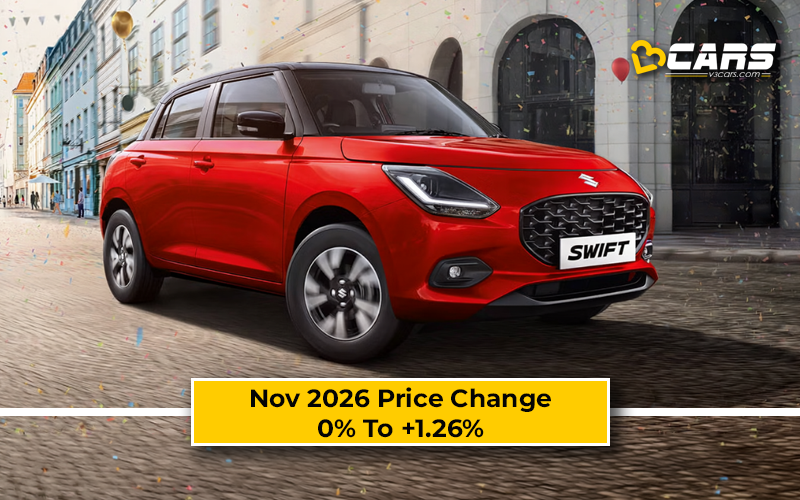
November 2026: Maruti Suzuki Swift Price Change - Hiked By Up To 10k
Maruti Suzuki have increased the prices of the 2026 Swift by up to Rs. 10,000. The VXI variant with the 1.2L CNG-auto (AMT) powertrain received the highest percentage price hike of 1.26%. The VXI (O) variant with the same powertrain also became costlier by Rs. 10,000, translating to a price hike of 1.22%. Meanwhile, the ZXI variant with the 1.2L CNG-auto (AMT) powertrain received a price hike of Rs. 10,000, equivalent to 1.13%. The prices of all variants with the 1.2L petrol-manual, petrol-auto (AMT) and CNG-manual powertrains remain unchanged. Following the price revision, the Swift’s ex-showroom prices range from Rs. 5.84 lakh to Rs. 8.96 lakh.

November 2026: Maruti Suzuki Brezza Price Change - Hiked By Up To 5k
Maruti Suzuki have increased the prices of the 2026 Brezza by up to Rs. 5,000. The LXI variant with the 1.0L turbo petrol-manual powertrain received the highest percentage price hike of 0.67%. The LXI variant with the 1.5L petrol-manual powertrain also became costlier by Rs. 5,000, translating to a price hike of 0.60%. Meanwhile, the ZXI variant with the 1.0L turbo petrol-manual powertrain received a price hike of Rs. 4,000, equivalent to 0.40%. The prices of the 1.5L petrol-manual VXI, petrol-auto (TC) VXI and CNG-manual VXI variants remain unchanged. All other listed variants received a price hike of Rs. 5,000. Following the price revision, the Brezza’s ex-showroom prices range from Rs. 7.55 lakh to Rs. 13.60 lakh.
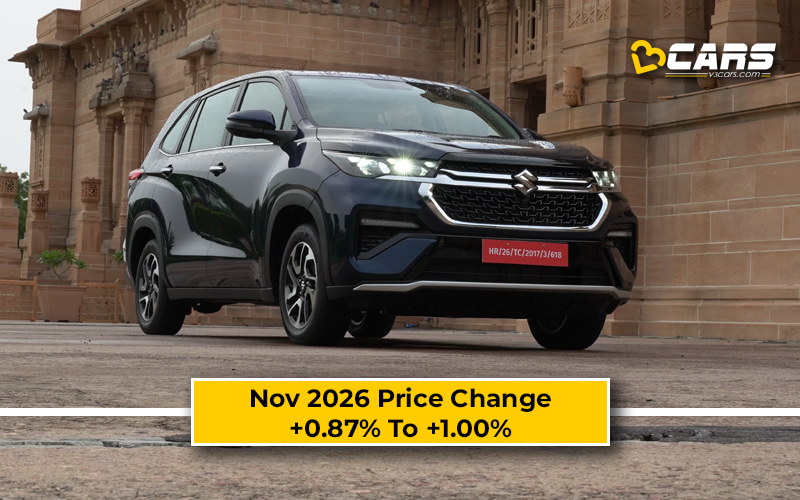
November 2026: Maruti Suzuki Invicto Price Change - Hiked By Up To 25k
Maruti Suzuki have increased the prices of the 2026 Invicto by up to Rs. 25,000. The Zeta Plus 7S variant with the 2.0L hybrid petrol-auto (CVT) powertrain received the highest percentage price hike of 1.00%. The Zeta Plus 8S variant with the same powertrain also became costlier by Rs. 25,000, translating to a price hike of 0.99%. Meanwhile, the Alpha Plus 7S variant received a price hike of Rs. 25,000, equivalent to 0.87%. Following the price revision, the Invicto’s ex-showroom prices range from Rs. 25.27 lakh to Rs. 28.96 lakh.
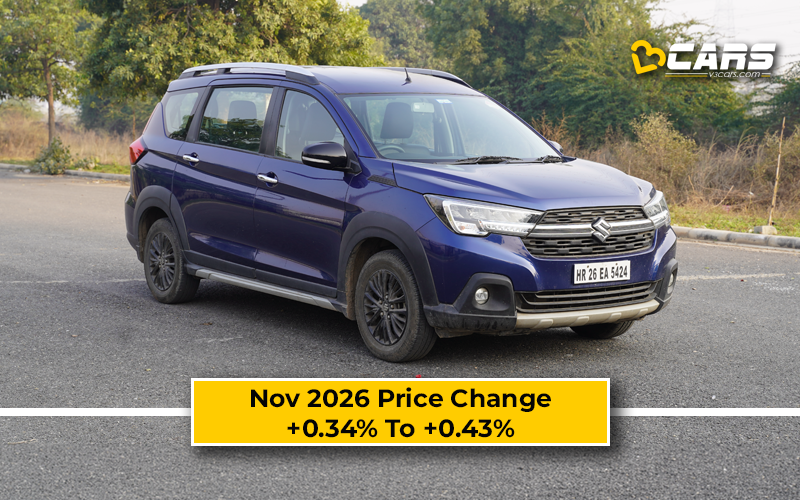
November 2026: Maruti Suzuki XL6 Price Change - Hiked By Up To 5k
Maruti Suzuki have increased the prices of the 2026 XL6 by up to Rs. 5,000. The Zeta variant with the 1.5L petrol-manual powertrain received the highest percentage price hike of 0.43%. The Alpha and Alpha Plus variants with the same powertrain also became costlier by Rs. 5,000, translating to price hikes of 0.40% and 0.38%, respectively. All variants with the 1.5L petrol-auto (TC) powertrain and the Zeta variant with the 1.5L CNG-manual powertrain also received a price hike of Rs. 5,000 each. Following the price revision, the XL6’s ex-showroom prices range from Rs. 11.67 lakh to Rs. 14.57 lakh.
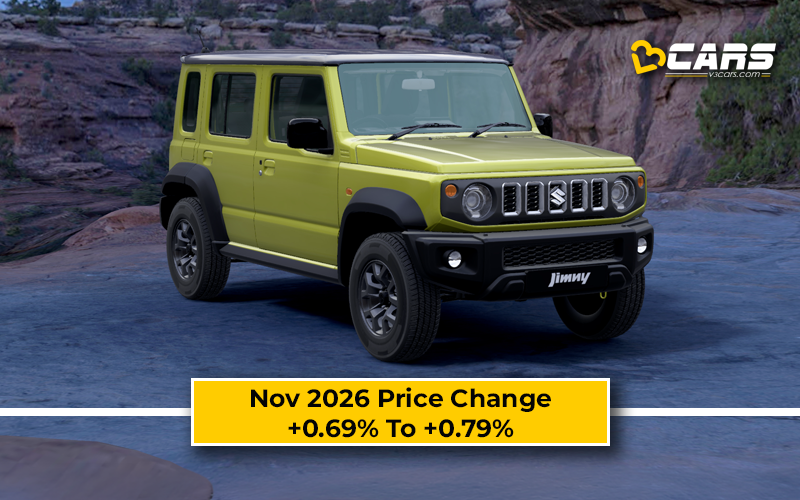
November 2026: Maruti Suzuki Jimny Price Change - Hiked By Up To 10k
Maruti Suzuki have increased the prices of the 2026 Jimny by up to Rs. 10,000. The Zeta All Grip Pro variant with the 1.5L petrol-manual powertrain received the highest percentage price hike of 0.79%. The Alpha All Grip Pro variant with the same powertrain also became costlier by Rs. 10,000. Both variants with the 1.5L petrol-automatic powertrain also received a price hike of Rs. 10,000 each. Following the price revision, the Jimny’s ex-showroom prices range from Rs. 12.69 lakh to Rs. 14.62 lakh.
Expert Car Reviews
View All Car Reviews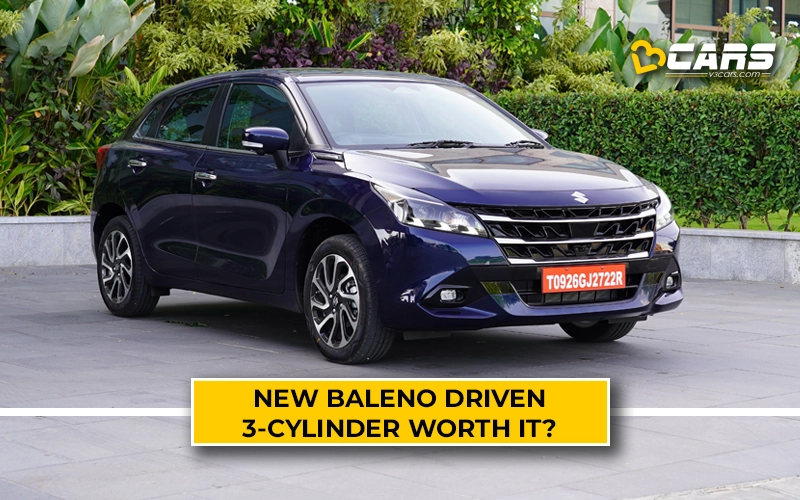
2026 Maruti Baleno Facelift Photo Gallery - Design, Features And Drive Review
The 2026 Maruti Baleno facelift gets a new 1.2L 3-cylinder petrol engine, level 2 ADAS and ventilated front seats. We drove it to see whether the new engine and added features make up for the loss of the old 4-cylinder’s refinement.
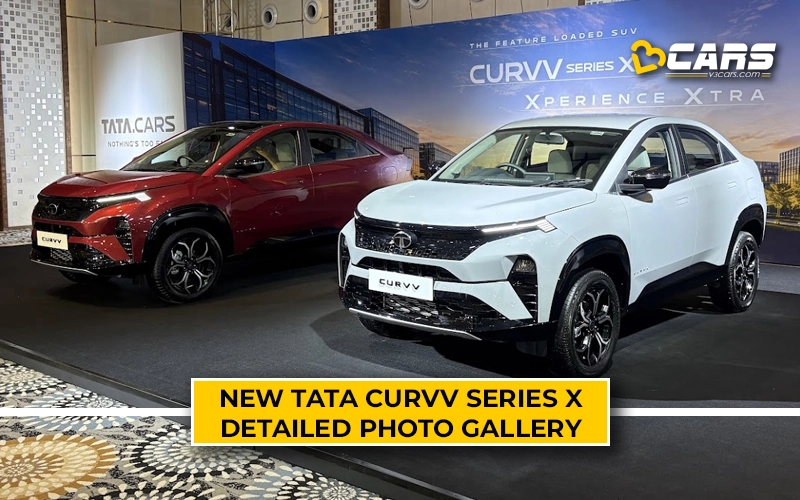
2026 Tata Curvv Series X Photo Gallery - Exterior, Interior And Features
Tata have launched the 2026 Curvv Series X with a simpler variant lineup and several features moved further down the range. We got a closer look at the new Curvv Series X, including the Pure X Plus and Creative X Plus variants. In this detailed photo gallery, we take you through their exterior differences, interior, features, rear-seat space and the construction of Tata’s R-Comfort seats.

2026 Maruti Brezza Facelift Worth Buying?
The 2026 Maruti Brezza adds a 1.0L turbo petrol engine, more features and a 5-star Bharat NCAP rating. Its underbody CNG cylinder also frees up the full 328L boot. However, not every powertrain and variant offers equally strong value. We explain which Brezza to buy and when a rival makes more sense.
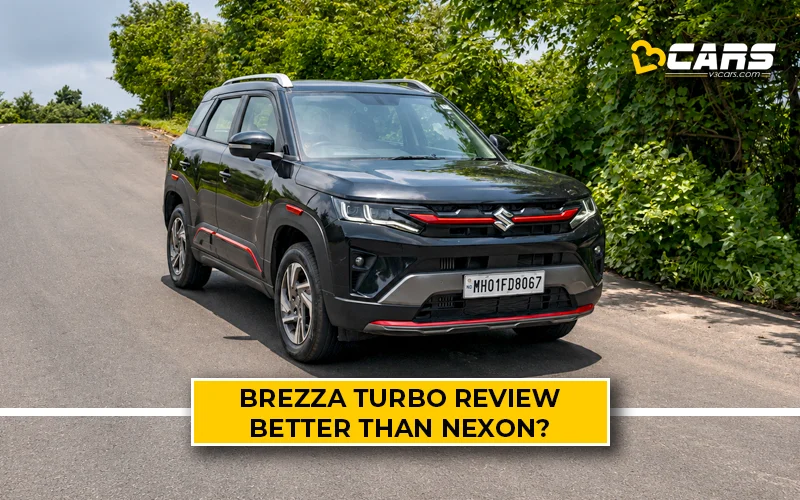
2026 Maruti Arena Brezza 1.0L Turbo Manual First Drive Review
We drove the 2026 Maruti Arena Brezza with its new 1.0L turbo petrol engine and 6-speed manual transmission. We covered roughly 50km over about 2 hours at speeds representative of typical city driving. Here are my impressions of its performance, refinement, mileage, highway manners, ride and everyday usability.
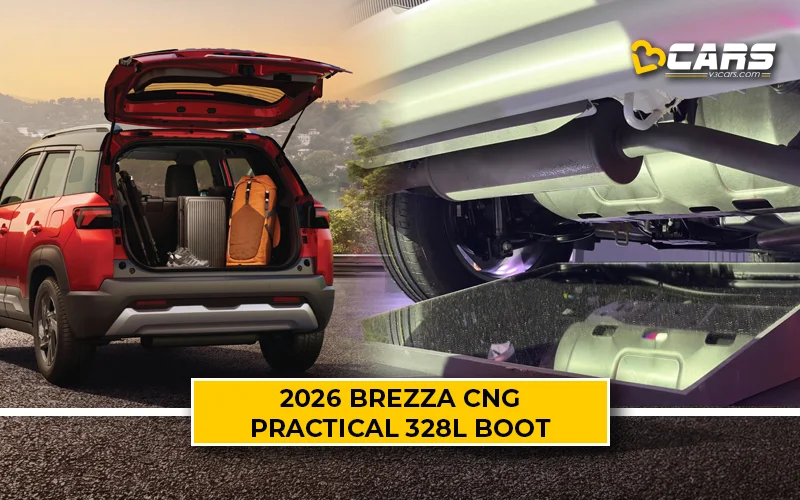
2026 Maruti Brezza CNG 328L Boot Space Explained
The 2026 Maruti Brezza CNG now has its cylinder mounted below the body, allowing it to retain the petrol version’s full 328L boot space. We examine the practical improvement, dimensions, ground clearance and boot-related features offered with each CNG variant.
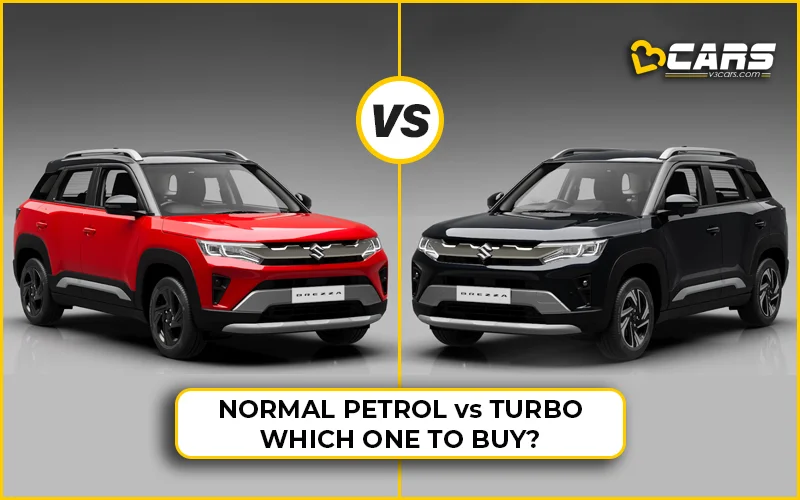
2026 Maruti Brezza 1.0L Turbo Vs 1.5L Petrol - Which One To Buy?
The 2026 Maruti Brezza offers a new 1.0L turbo petrol engine alongside the familiar 1.5L normal petrol. Both engines come with a new 6-speed manual transmission. The smaller turbo costs less and offers more power, torque and features, while the 1.5L petrol claims better mileage. We compare the 2 to determine which Brezza petrol-manual makes more sense.
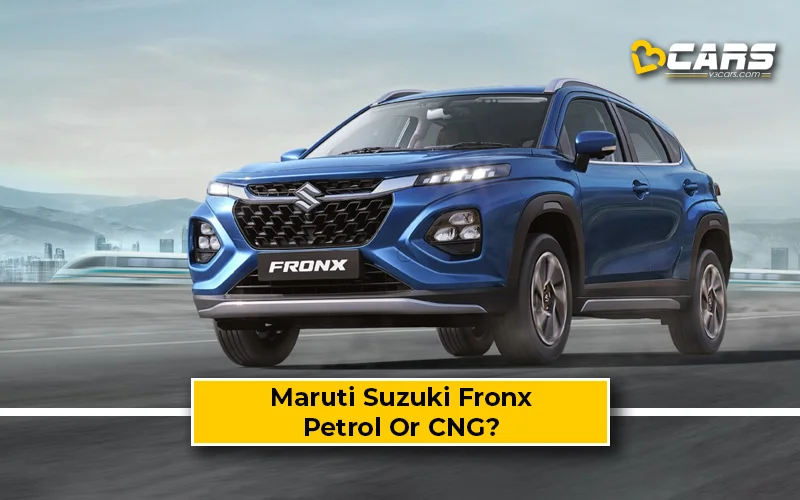
Maruti Arena Fronx Petrol Vs CNG Mileage And Running Cost
If you’re wondering whether to buy the Maruti Suzuki Fronx petrol or CNG, this article will help you make a data-backed decision. We compare the latest ex-showroom prices, official mileage figures and current fuel prices in Delhi to calculate the running cost difference between the Fronx petrol and CNG variants. We also calculate how many kilometres you need to drive the Fronx CNG to recover its higher upfront cost over the petrol variant.
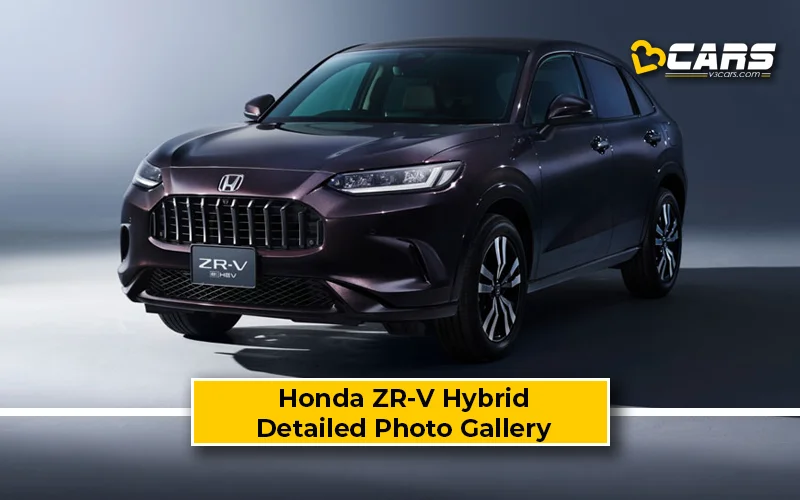
2026 Honda ZR-V Hybrid Photo Gallery
The 2026 Honda ZR-V Hybrid is set to launch in India as Honda’s new flagship SUV on May 22, 2026. Positioned above the Elevate, the ZR-V will rival premium SUVs like the Volkswagen Tiguan R-Line and Skoda Kodiaq with its strong hybrid powertrain, premium interior and advanced features. In this detailed photo gallery, we take a closer look at the ZRV Hybrid’s design, cabin, practicality, safety features and hybrid technology.
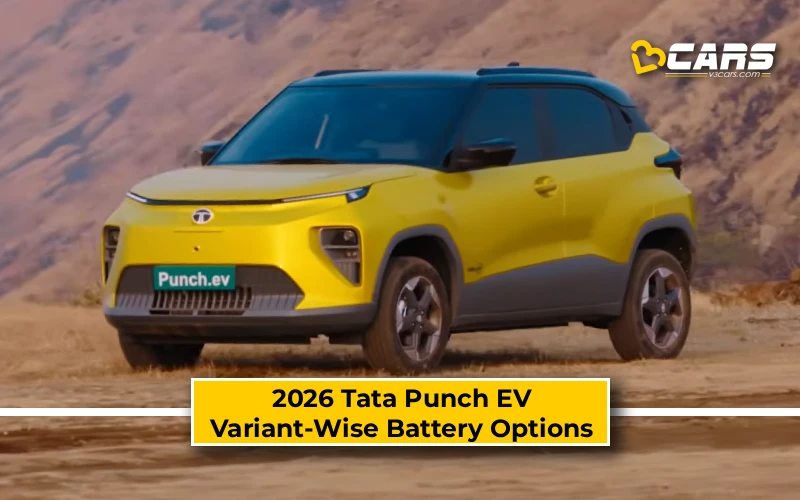
2026 Tata Punch EV Variant-Wise Powertrain Options – Battery, Range & Specifications
The 2026 Tata Punch EV is available with multiple battery pack and motor configurations, giving buyers the flexibility to choose between affordability and longer driving range. Depending on the variant, the new Punch EV offers different power outputs, battery capacities and claimed range. In this article, we break down the 2026 Punch EV’s variant-wise powertrain options and check out which variants get the 30kWh and 40kWh battery packs, along with their performance specifications, so you can pick the variant that best suits your needs.
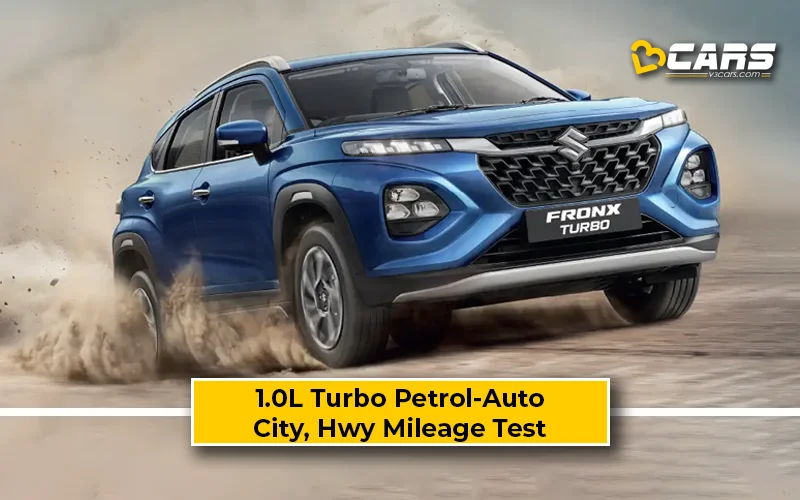
Maruti Fronx 1.0L Turbo Petrol-Auto Mileage Test: Real World City, Highway Fuel Efficiency
In this article, we’ll present the data based on V3Cars mileage test and inform you about what real-world fuel efficiency you can expect from the Maruti Fronx 1.0L turbo petrol-automatic in city and highway driving conditions. We’ll also find out how much the mileage numbers deviate from the manufacturer-claimed fuel efficiency figures. The information presented in this article will also help you learn about the mileage differences you can expect when driving in the city vs driving on the highway.
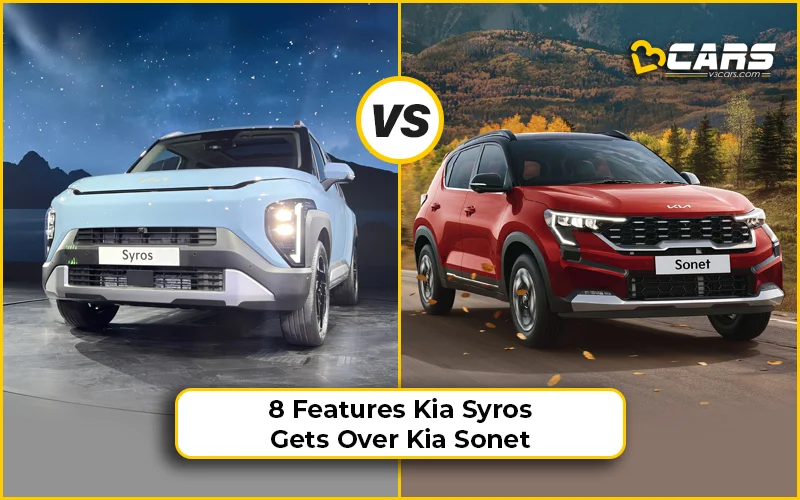
10 Features New Kia Syros Gets Over Kia Sonet
Kia unveiled their all-new B2-segment SUV, the 2025 Syros, on December 19, 2024. While Kia India are yet to reveal the variant-wise prices of the 2025 Syros, it is expected to slot in between the Sonet B2-SUV and Seltos C-SUV.
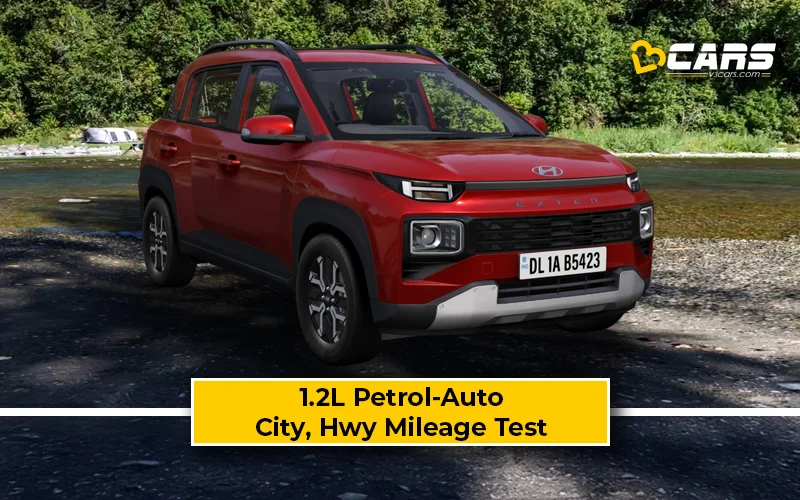
Hyundai Exter 1.2L Petrol-Auto Mileage Test: Real World City, Highway Fuel Efficiency
In this article, we’ll present the data based on V3Cars mileage test and inform you about what real-world fuel efficiency you can expect from the Hyundai Exter 1.2L petrol-automatic in city and highway driving conditions. We’ll also find out how much the mileage numbers deviate from the manufacturer-claimed fuel efficiency figures. The information presented in this article will also help you learn about the mileage differences you can expect when driving in the city vs driving on the highway.
Latest Videos
View All Car Latest Videos





Popular News
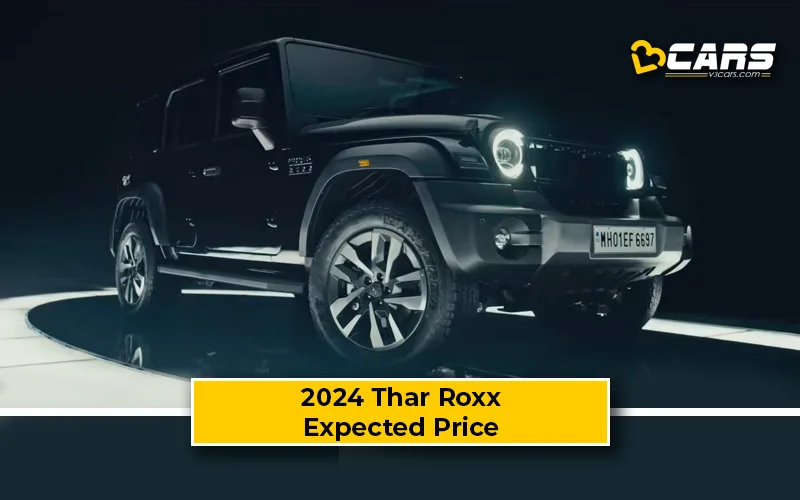
Mahindra Thar Roxx (Thar 5-door) Expected Price — #WithLogic (Updated: Jul 29)

5 Missing Features In Mahindra XUV700 Over Scorpio N

Top 5 Features Scorpio N Misses But The Tata Safari Gets
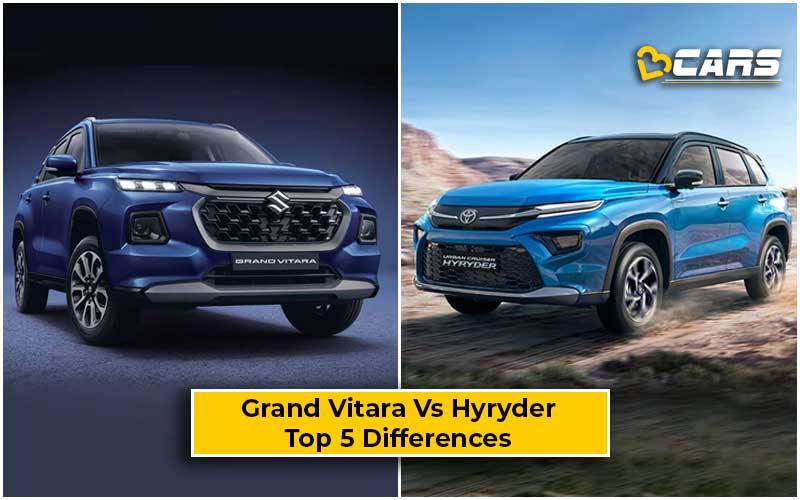
Top 5 Differences – Maruti Suzuki Grand Vitara Vs Toyota Urban Cruiser Hyryder

Maruti Suzuki Grand Vitara Ex-Showroom Price Leaked Ahead Of July 20 Debut

6 Missing Features In 2022 Hyundai Venue Facelift
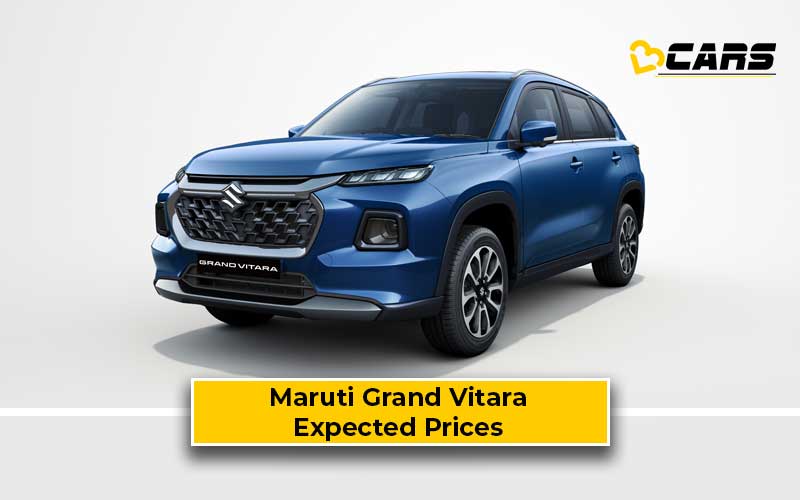
Maruti Suzuki Grand Vitara Expected Prices
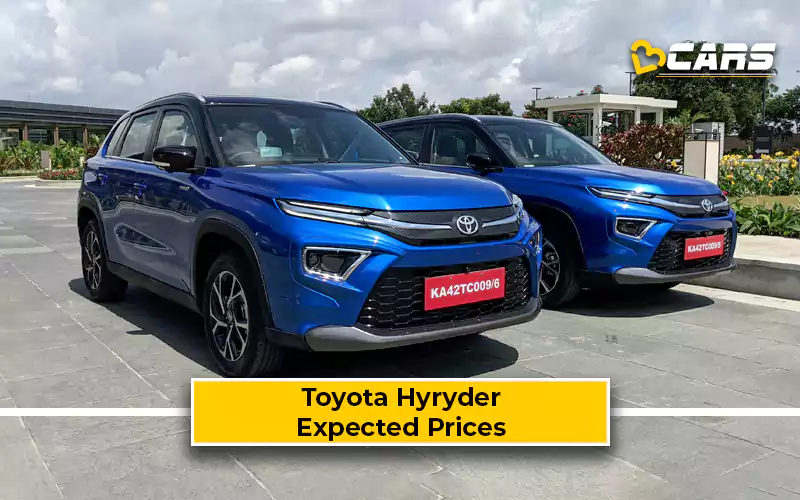
2022 Toyota Urban Cruiser Hyryder Expected Prices — Mild Hybrid, AWD And Mild Hybrid Auto
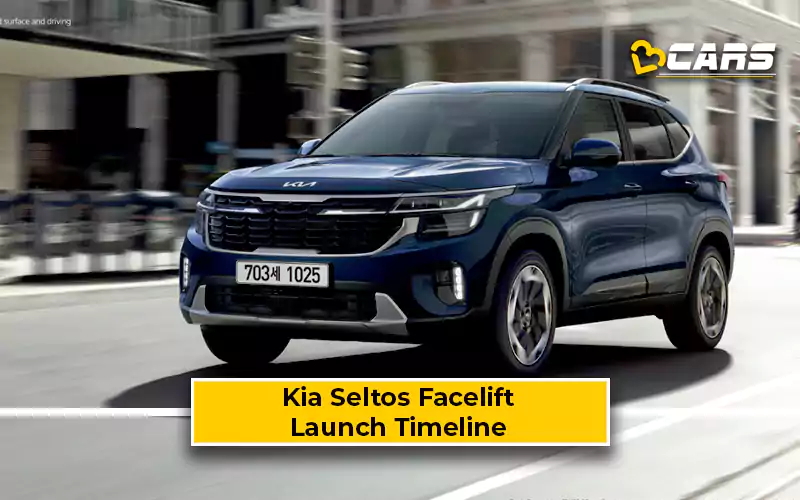
Kia Seltos Facelift Launch In 2023

2022 Mahindra Scorpio - First Teaser Drops Ft. Amitabh Bacchan
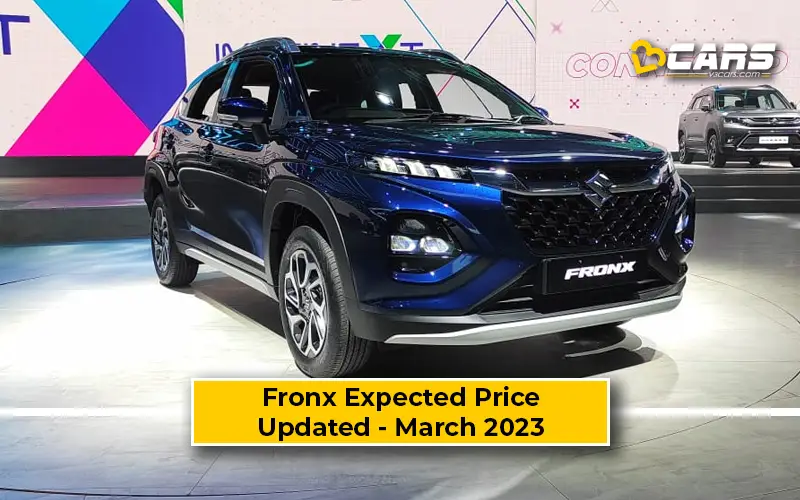
Updated Maruti Nexa Fronx Expected Price Calculation (Variant-wise) - With Logic

7 Missing Features In Hyundai Creta Over Toyota Urban Cruiser Hyryder
Latest Car News
November 2026: Maruti Suzuki S-Presso Price Change - Hiked By Up To 5k
November 2026: Maruti Suzuki Eeco Price Change - Hiked By Up To 2.5k
November 2026: Maruti Suzuki Ertiga Price Change - Hiked By Up To 5k
November 2026: Maruti Suzuki Dzire Price Change - Hiked By Up To 10k
November 2026: Maruti Suzuki Victoris Price Change - Hiked By Up To 10k
JSW Motors List Jaeco J5 And Chery iCAR V23 On Website – Launch Expected In 2027
November 2026: Maruti Suzuki Wagon R Price Change - Hiked By Up To 5k
November 2026: Maruti Suzuki Swift Price Change - Hiked By Up To 10k
November 2026: Maruti Suzuki Brezza Price Change - Hiked By Up To 5k
November 2026: Maruti Suzuki Invicto Price Change - Hiked By Up To 25k
November 2026: Maruti Suzuki XL6 Price Change - Hiked By Up To 5k
Comments
0 comments