

 Upcoming CarsPopular CarsLatest CarsElectric Cars
Estimate costs and savings with our handy automotive calculators.
Simplify your car ownership journey with our buying, selling, and renewal tools.
Explore additional resources and comparisons for car enthusiasts.
Published : 09 September 2026
Read Time : 5 min
Author: Aryan Tyagi
The 2026 Maruti Baleno facelift gets a new 1.2L 3-cylinder petrol engine, level 2 ADAS and ventilated front seats. We drove it to see whether the new engine and added features make up for the loss of the old 4-cylinder’s refinement.

The introductory starting price of the new Baleno is Rs. 6.10 lakh (ex-showroom). Maruti are yet to reveal the complete variant-wise price list.
2026 Maruti Baleno Facelift Exterior Design
Most of the cosmetic changes to the Baleno facelift are concentrated at the front. The side and rear remain largely unchanged.
2026 Maruti Baleno Facelift

The Baleno remains immediately recognisable despite the facelift. The larger grille and revised front bumper are the easiest ways to tell the updated car apart from the outgoing version.
2026 Maruti Baleno New Grille

The grille is now larger and gets 3 horizontal elements. The Suzuki logo has also moved from inside the grille to the panel above it.
2026 Maruti Baleno ADAS Radar

The radar for the new level 2 Advanced Driver Assistance Systems (ADAS) sits behind the grille. The system includes functions such as adaptive cruise control, lane keep assist and automatic braking.
2026 Maruti Baleno Front Bumper

The front bumper is also new, although the changes are relatively subtle. The Baleno therefore still looks quite similar to the outgoing model from most angles.
2026 Maruti Baleno Fender Garnish

The Baleno facelift also gets a new chrome accent on the front fender. It is one of the few changes visible from the side.
2026 Maruti Baleno Alloy Wheels

Maruti have retained the existing alloy wheel design with the facelift. Considering the exterior was already being updated, a fresh alloy wheel design would have helped distinguish the new Baleno more clearly.
2026 Maruti Baleno Shark-Fin Antenna

The conventional antenna has made way for a shark-fin antenna, which is available across the range. The new antenna also explains why the Baleno's listed height has increased by 30mm.
2026 Maruti Baleno Rear

The rear design is unchanged. The tail lamps, tailgate and bumper carry over from the outgoing Baleno.
2026 Maruti Baleno Facelift Interior And Features
The basic cabin design is unchanged. Instead, Maruti have focused on adding equipment, including ventilated front seats, ADAS, TPMS and a cooled wireless charger.
Higher variants also get a Clarion sound system. We found its output satisfactory during our time with the car.
2026 Maruti Baleno Dashboard

The dashboard retains the familiar layout with the touchscreen above the central AC vents and physical AC controls below it. The Baleno also continues to use an analogue instrument cluster with a digital display between the 2 dials.
2026 Maruti Baleno Ventilated Front Seats

One of the biggest additions is front seat ventilation. The driver and front passenger get individual controls for the ventilation, and the system worked very well during our drive. For our weather, this is one of the most useful additions to the updated Baleno.
2026 Maruti Baleno Cooled Wireless Charger

The Baleno now gets a wireless smartphone charger from the Zeta variant onwards. The charging area is also cooled, which should help the phone maintain higher wireless charging speeds for longer by reducing heat-related throttling.
2026 Maruti Baleno Physical ADAS Controls

Maruti have provided physical buttons for several of the driver assistance functions.
We particularly appreciate the dedicated button for switching automatic braking off. Drivers do not have to dig through touchscreen menus every time they want to change the setting.
2026 Maruti Baleno Adaptive Cruise Control

The steering wheel gets dedicated controls for adaptive cruise control. Unlike conventional cruise control, adaptive cruise control can adjust the Baleno's speed according to traffic ahead.
2026 Maruti Baleno ADAS Camera

The ADAS camera sits at the top of the windscreen. Together with the radar behind the front grille, it supports functions such as lane keep assist and automatic braking.
2026 Maruti Baleno Tyre Pressure Monitoring System

The facelift also adds a tyre pressure monitoring system (TPMS) from the Delta variant onwards.
2026 Maruti Baleno New 1.2L 3-Cylinder Petrol Engine
The biggest change with the facelift is under the bonnet.
Maruti have replaced the outgoing 1.2L 4-cylinder petrol engine with a new 1.2L 3-cylinder unit. It is the same basic engine used in the Dzire, although the Baleno gets marginally higher output.
2026 Maruti Baleno Engine

The new engine produces 83PS of power at 5700rpm and 112.4Nm of torque at 4500rpm. Peak torque arrives 200rpm higher than it does in the Dzire.
The following table lists the new Baleno petrol engine specifications compared to the old one:
The power and torque figures are slightly lower than those of the outgoing 4-cylinder engine.
However, the new engine feels different enough on the road that the lower outputs do not tell the full story.
New Baleno Claimed Mileage Improves
Better fuel efficiency is the main payoff for the move to the 3-cylinder engine.
Compared with the outgoing Baleno, the claimed fuel efficiency improves by 1.45kmpl with the manual transmission and 1.83kmpl with the AMT.
The new engine also helps Maruti meet stricter emission requirements.
However, the facelift's kerb weight has increased by around 30kg. We therefore want to see how much of the claimed improvement translates to real-world driving with E20 petrol.
We will answer that with a separate fuel efficiency test.
2026 Maruti Baleno 3-Cylinder Engine Drive Review
New Baleno Feels More Lively At Low RPM

The new 3-cylinder engine feels more eager at lower RPM than the outgoing 4-cylinder.
There is noticeably more peppiness where the old engine could feel slightly lazy. So despite producing slightly less power and torque, the new Baleno does not feel duller in everyday driving.
Baleno 3-Cylinder Engine Noise And Vibrations
The trade-off becomes clearer when you concentrate on refinement.

There is more engine noise at lower RPM than in the outgoing Baleno. However, vibrations are very well controlled and almost negligible inside the cabin. Compared with several other 3-cylinder engines, we did not find the Baleno excessively noisy or bothersome.
The old 4-cylinder engine was still clearly smoother. It was refined enough that there were times when you could sit inside the Baleno and barely realise the engine was running. The new engine cannot match that smooth refinement.
2026 Maruti Baleno Facelift Review - Verdict
So, will you miss the outgoing Baleno's 4-cylinder engine? If refinement matters to you, yes. The old engine was smoother and quieter. The new 3-cylinder cannot match it in that respect. However, the new engine feels more lively, promises better fuel efficiency and keeps 3-cylinder vibrations extremely well controlled.
The facelift also gives you something in return. Ventilated front seats are a genuinely useful upgrade, the new audio system is appreciable and level 2 ADAS adds useful driver assistance technology. That trade-off makes more sense with the higher variants, where the Baleno gets more of these new features.

With the lower variants, the equation is less convincing because you get fewer of the major feature upgrades while still giving up the old engine's refinement. For us, the effective ventilated seats are useful enough to make some compromise in engine refinement easier to justify.
Once Maruti reveal the complete price list, we will be able to tell you which variant of the new Baleno offers the best value.
Also Read: 2026 Maruti Baleno Engine Specs And Mileage Comparison - Old Vs New
Before you finalise your next car, these V3Cars tools can help you make a more informed decision:
Fuel Cost Calculator for Cars – Know your monthly fuel expense based on usage and mileage
Car On-Road Price Calculator – Convert ex-showroom to on-road price for any city
Sell Used Car Online – Enter your car and contact details to get an instant price estimate and book a free inspection with our partner network
Did you find this information helpful?

Production Executive


I think a car, straight out of a factory, is incomplete on its own. It finds its purpose and completes itself when it chooses and finds its owner. There’s a car of my dreams and its purpose is to rev all day, literally, on the Le Mans racetrack. I look forward to the day we meet.
Car News Update
View All Latest News
Jeep Compass Sport AT Launched At Rs. 22 Lakh
Jeep India have launched the Compass Sport base variant with a 9-speed automatic transmission at Rs. 21.99 lakh (ex-showroom). Compared to the 2026 Compass Sport manual variant, the new Compass Sport AT costs Rs. 4 lakh more and serves as the entry-level variant with an automatic gearbox. Deliveries are scheduled to begin by the second week of November 2026.
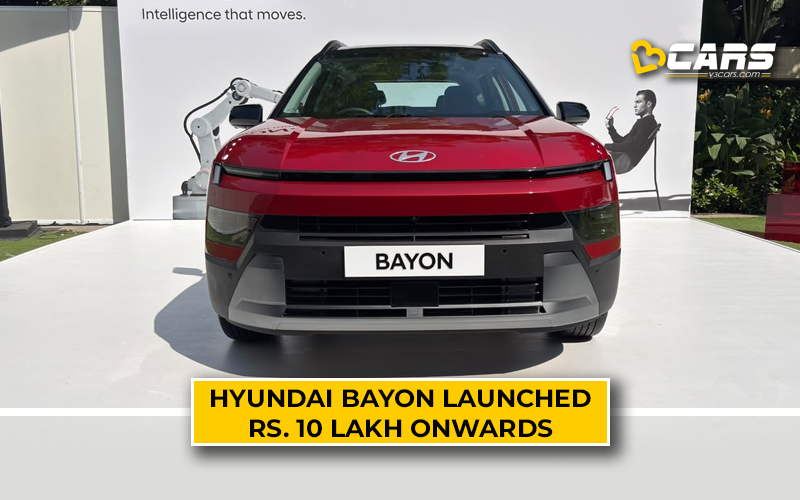
Hyundai Bayon Launched At Rs. 10 Lakh
Hyundai have launched the Bayon at an introductory starting price of Rs. 10 lakh (ex-showroom). Buyers can choose a 1.5L normal petrol engine with either a 6-speed manual transmission or CVT automatic.

Top 15 Features Of Hyundai Bayon
The Hyundai Bayon 2026 offers several premium comfort, convenience, technology and safety features. Highlights include AI-powered voice assistance, a panoramic sunroof, ventilated front seats, a 360-degree camera and Level 2 ADAS. It also gets a large 505-litre boot and a 1.5L non-turbo petrol engine with manual and CVT automatic transmission options.
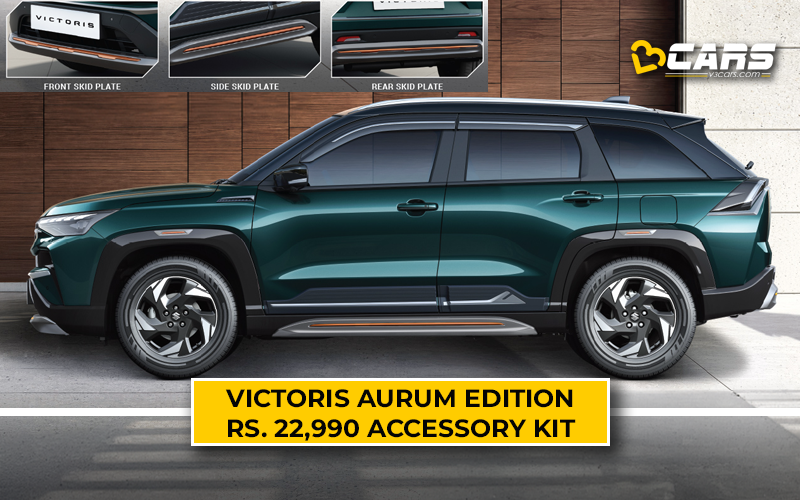
Maruti Victoris Aurum Edition Launched With Rs. 22,990 Accessory Kit
Maruti Suzuki have launched the Victoris Aurum Edition to mark the SUV’s first anniversary. Offered for the strong hybrid variants, it adds exterior styling accessories, cabin and boot mats, and a boot sill guard as a kit which costs Rs. 22,990.

Hyundai Ioniq 1 Top 5 Things To Know
Hyundai are developing a compact electric SUV, expected to be called the Ioniq 1. Here are 5 things to know about its positioning, battery options, features and expected debut.
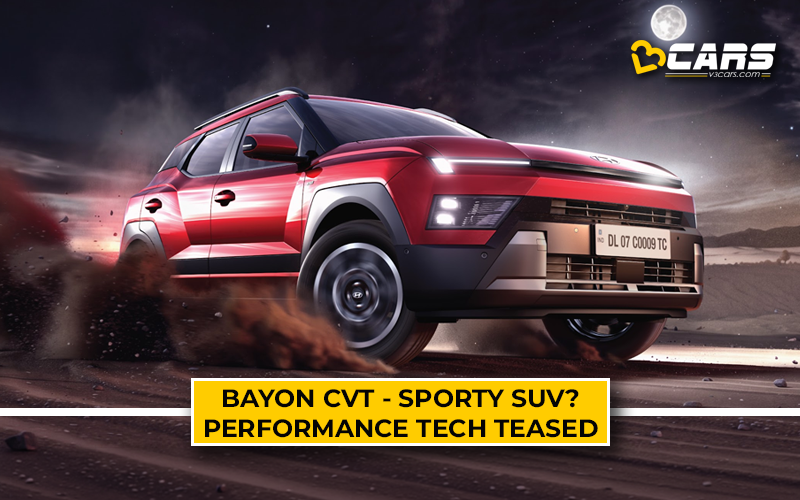
Hyundai Bayon CVT To Get 3 Drive Modes, Performance Features Revealed
Hyundai have confirmed 3 drive modes and 2 performance features for the upcoming Bayon’s CVT automatic. The performance features focus on quicker overtaking response and a sportier acceleration feel. The SUV will launch on October 26, 2026.

India To Get Stricter Car Safety Rules From 2027; New Crash Tests And Safety Features
The Ministry of Road Transport and Highways (MoRTH) has notified new car safety rules with phased implementation deadlines from October 2027 to October 2032. The changes cover crash protection, pedestrian safety, immobilisers and event data recorders.

October 2026: Mahindra XUV 7XO Price Change - Hiked By Up To 20k
Mahindra have revised the prices of the 2026 XUV 7XO. The AX7 7S variant with the 2.2L turbo diesel-manual powertrain received the biggest price hike of Rs. 20,000. The Mahindra XUV 7XO 2026 prices now start from Rs. 13.99 lakh and go up to Rs. 25.79 lakh. In percentage terms, the price hike is up to 1.02%. The AX7L 7S variant with the 2.0L turbo petrol-automatic powertrain received a nominal price reduction of Rs. 1.
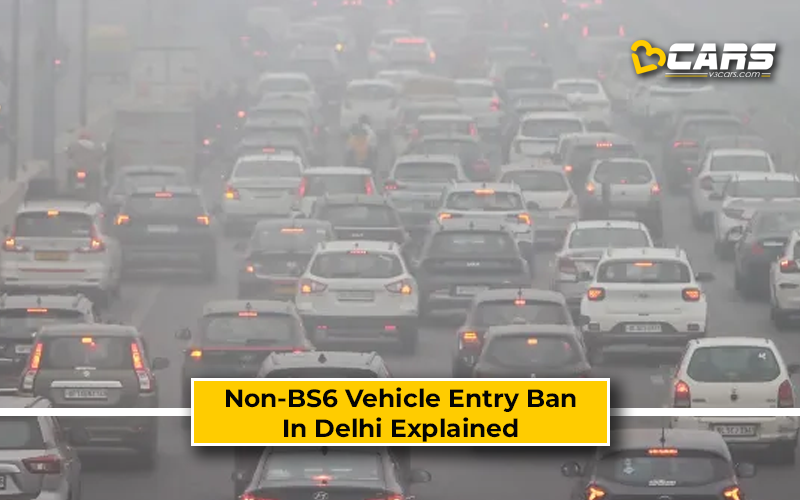
Delhi To Restrict Entry Of Non-BS6 Vehicles From November 1
Delhi will restrict the entry of vehicles registered outside the city that do not meet BS6 emission standards from November 1, 2026, to January 31, 2027. The move is part of the national capital’s winter pollution control plan, aimed at reducing vehicle emissions during the months when air quality usually deteriorates.
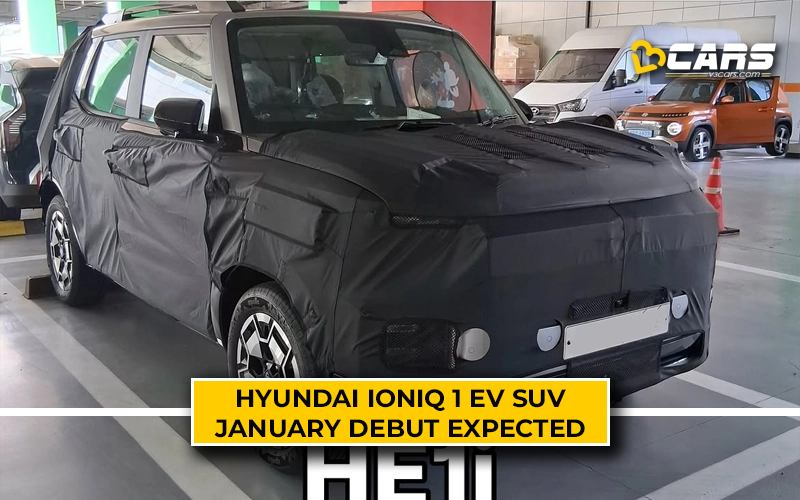
Hyundai Ioniq 1 Electric SUV Expected To Debut In January 2027
Hyundai have confirmed a new compact electric SUV as part of their upcoming product offensive. Codenamed HE1i and expected to be called the Ioniq 1, the new EV could debut in January 2027, according to the latest report.

Mahindra Bolero Bold Edition Revealed With Bronze Accents And Rear Camera
Mahindra have revealed the 2026 Bolero Bold Edition, which adds bronze exterior accents, revised seat upholstery and a reversing camera. Offered through an accessories package, the Bold Edition’s pricing remains undisclosed.
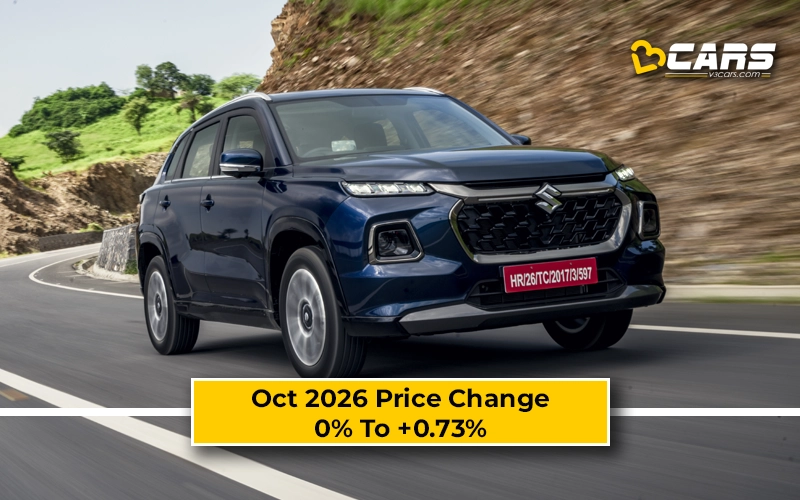
October 2026: Maruti Suzuki Grand Vitara Price Change - Hiked By Up To 10k
Maruti Suzuki have increased the prices of the 2026 Grand Vitara by up to Rs. 10,000. The Zeta variant with the 1.5L normal petrol-manual powertrain received the highest percentage price hike of 0.73%. The Alpha variant with the same powertrain and the Zeta and Alpha variants with the 1.5L normal petrol-automatic powertrain also became costlier by Rs. 10,000. Meanwhile, the Delta and Zeta variants with the 1.5L normal CNG-manual powertrain received a price hike of Rs. 5,000. The prices of all other variants remain unchanged. Following the price revision, the Grand Vitara’s ex-showroom prices range from Rs. 10.77 lakh to Rs. 19.62 lakh.
Expert Car Reviews
View All Car Reviews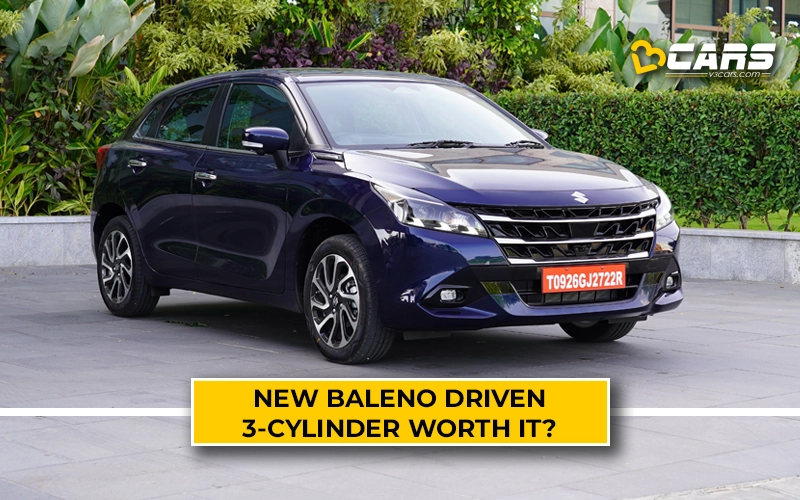
2026 Maruti Baleno Facelift Photo Gallery - Design, Features And Drive Review
The 2026 Maruti Baleno facelift gets a new 1.2L 3-cylinder petrol engine, level 2 ADAS and ventilated front seats. We drove it to see whether the new engine and added features make up for the loss of the old 4-cylinder’s refinement.

2026 Tata Curvv Series X Photo Gallery - Exterior, Interior And Features
Tata have launched the 2026 Curvv Series X with a simpler variant lineup and several features moved further down the range. We got a closer look at the new Curvv Series X, including the Pure X Plus and Creative X Plus variants. In this detailed photo gallery, we take you through their exterior differences, interior, features, rear-seat space and the construction of Tata’s R-Comfort seats.

2026 Maruti Brezza Facelift Worth Buying?
The 2026 Maruti Brezza adds a 1.0L turbo petrol engine, more features and a 5-star Bharat NCAP rating. Its underbody CNG cylinder also frees up the full 328L boot. However, not every powertrain and variant offers equally strong value. We explain which Brezza to buy and when a rival makes more sense.
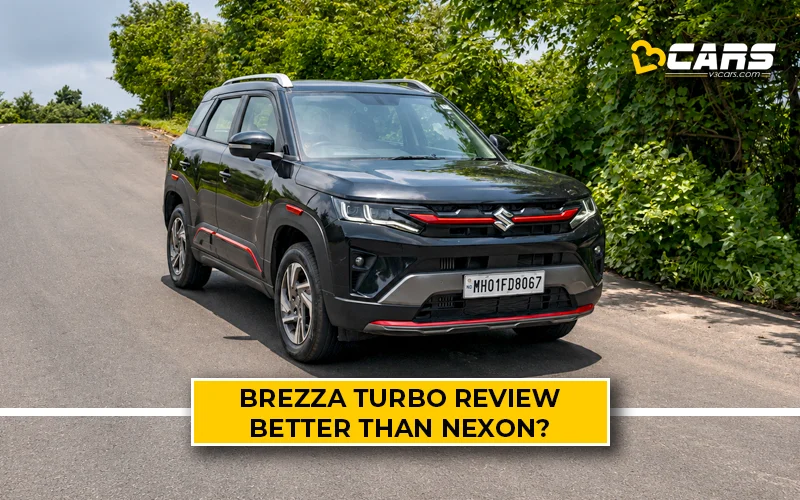
2026 Maruti Arena Brezza 1.0L Turbo Manual First Drive Review
We drove the 2026 Maruti Arena Brezza with its new 1.0L turbo petrol engine and 6-speed manual transmission. We covered roughly 50km over about 2 hours at speeds representative of typical city driving. Here are my impressions of its performance, refinement, mileage, highway manners, ride and everyday usability.
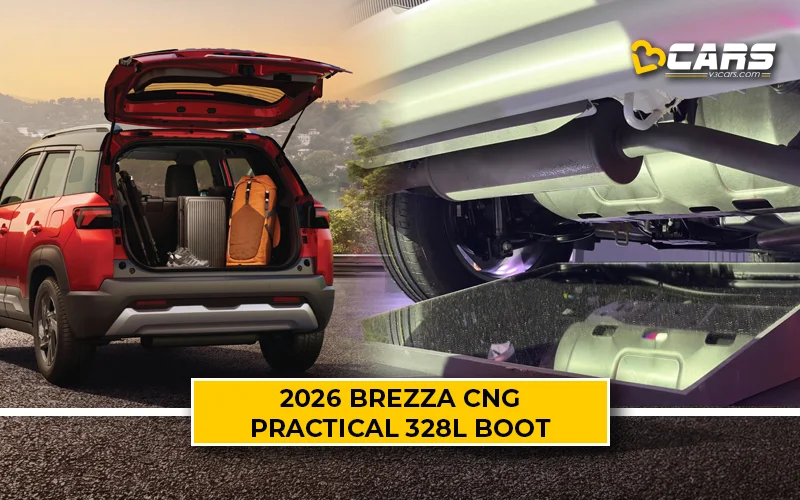
2026 Maruti Brezza CNG 328L Boot Space Explained
The 2026 Maruti Brezza CNG now has its cylinder mounted below the body, allowing it to retain the petrol version’s full 328L boot space. We examine the practical improvement, dimensions, ground clearance and boot-related features offered with each CNG variant.

2026 Maruti Brezza 1.0L Turbo Vs 1.5L Petrol - Which One To Buy?
The 2026 Maruti Brezza offers a new 1.0L turbo petrol engine alongside the familiar 1.5L normal petrol. Both engines come with a new 6-speed manual transmission. The smaller turbo costs less and offers more power, torque and features, while the 1.5L petrol claims better mileage. We compare the 2 to determine which Brezza petrol-manual makes more sense.
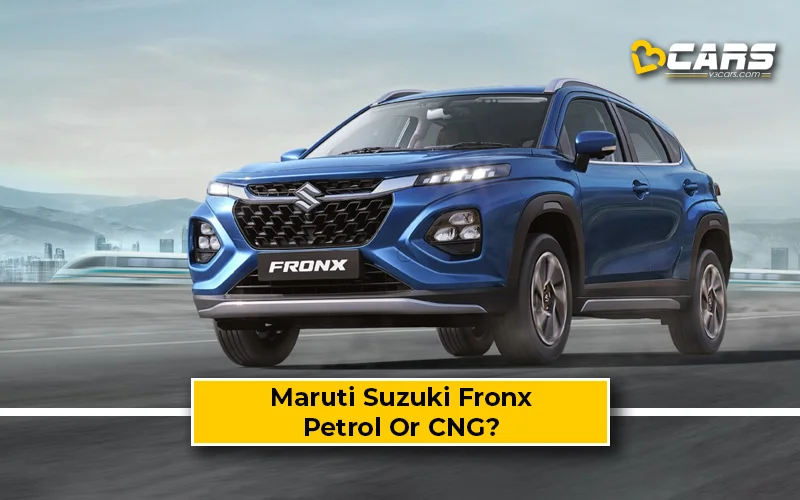
Maruti Arena Fronx Petrol Vs CNG Mileage And Running Cost
If you’re wondering whether to buy the Maruti Suzuki Fronx petrol or CNG, this article will help you make a data-backed decision. We compare the latest ex-showroom prices, official mileage figures and current fuel prices in Delhi to calculate the running cost difference between the Fronx petrol and CNG variants. We also calculate how many kilometres you need to drive the Fronx CNG to recover its higher upfront cost over the petrol variant.

2026 Honda ZR-V Hybrid Photo Gallery
The 2026 Honda ZR-V Hybrid is set to launch in India as Honda’s new flagship SUV on May 22, 2026. Positioned above the Elevate, the ZR-V will rival premium SUVs like the Volkswagen Tiguan R-Line and Skoda Kodiaq with its strong hybrid powertrain, premium interior and advanced features. In this detailed photo gallery, we take a closer look at the ZRV Hybrid’s design, cabin, practicality, safety features and hybrid technology.
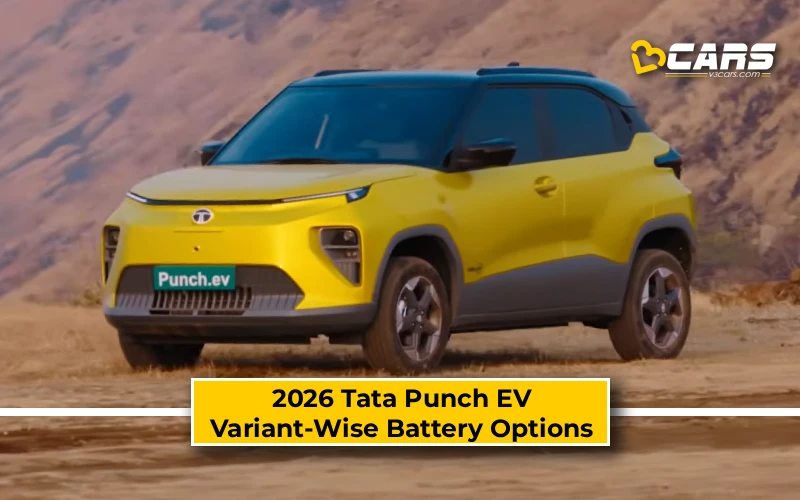
2026 Tata Punch EV Variant-Wise Powertrain Options – Battery, Range & Specifications
The 2026 Tata Punch EV is available with multiple battery pack and motor configurations, giving buyers the flexibility to choose between affordability and longer driving range. Depending on the variant, the new Punch EV offers different power outputs, battery capacities and claimed range. In this article, we break down the 2026 Punch EV’s variant-wise powertrain options and check out which variants get the 30kWh and 40kWh battery packs, along with their performance specifications, so you can pick the variant that best suits your needs.

Maruti Fronx 1.0L Turbo Petrol-Auto Mileage Test: Real World City, Highway Fuel Efficiency
In this article, we’ll present the data based on V3Cars mileage test and inform you about what real-world fuel efficiency you can expect from the Maruti Fronx 1.0L turbo petrol-automatic in city and highway driving conditions. We’ll also find out how much the mileage numbers deviate from the manufacturer-claimed fuel efficiency figures. The information presented in this article will also help you learn about the mileage differences you can expect when driving in the city vs driving on the highway.

10 Features New Kia Syros Gets Over Kia Sonet
Kia unveiled their all-new B2-segment SUV, the 2025 Syros, on December 19, 2024. While Kia India are yet to reveal the variant-wise prices of the 2025 Syros, it is expected to slot in between the Sonet B2-SUV and Seltos C-SUV.
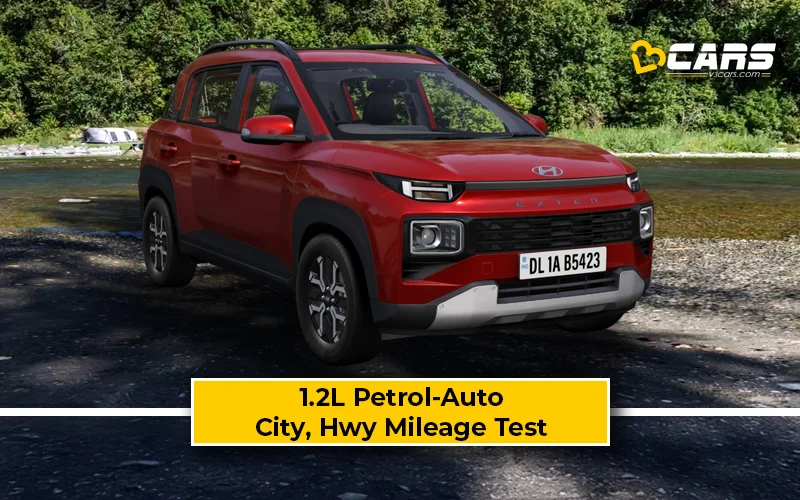
Hyundai Exter 1.2L Petrol-Auto Mileage Test: Real World City, Highway Fuel Efficiency
In this article, we’ll present the data based on V3Cars mileage test and inform you about what real-world fuel efficiency you can expect from the Hyundai Exter 1.2L petrol-automatic in city and highway driving conditions. We’ll also find out how much the mileage numbers deviate from the manufacturer-claimed fuel efficiency figures. The information presented in this article will also help you learn about the mileage differences you can expect when driving in the city vs driving on the highway.
Latest Videos
View All Car Latest Videos






Upcoming Cars In India
View All Upcoming Cars





Popular News

Mahindra Thar Roxx (Thar 5-door) Expected Price — #WithLogic (Updated: Jul 29)

5 Missing Features In Mahindra XUV700 Over Scorpio N

Top 5 Features Scorpio N Misses But The Tata Safari Gets

Top 5 Differences – Maruti Suzuki Grand Vitara Vs Toyota Urban Cruiser Hyryder

Maruti Suzuki Grand Vitara Ex-Showroom Price Leaked Ahead Of July 20 Debut

6 Missing Features In 2022 Hyundai Venue Facelift
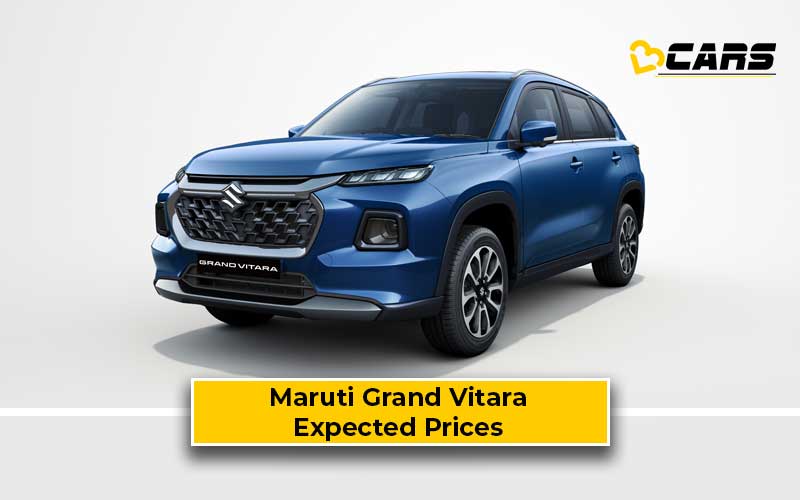
Maruti Suzuki Grand Vitara Expected Prices
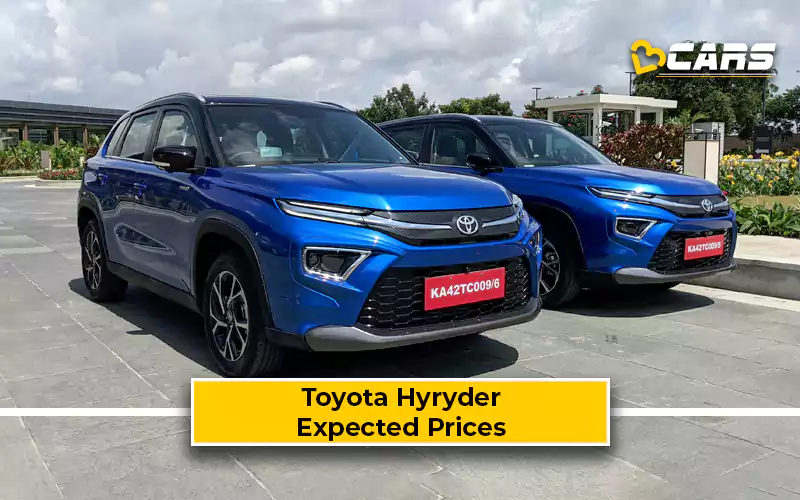
2022 Toyota Urban Cruiser Hyryder Expected Prices — Mild Hybrid, AWD And Mild Hybrid Auto

Kia Seltos Facelift Launch In 2023

2022 Mahindra Scorpio - First Teaser Drops Ft. Amitabh Bacchan
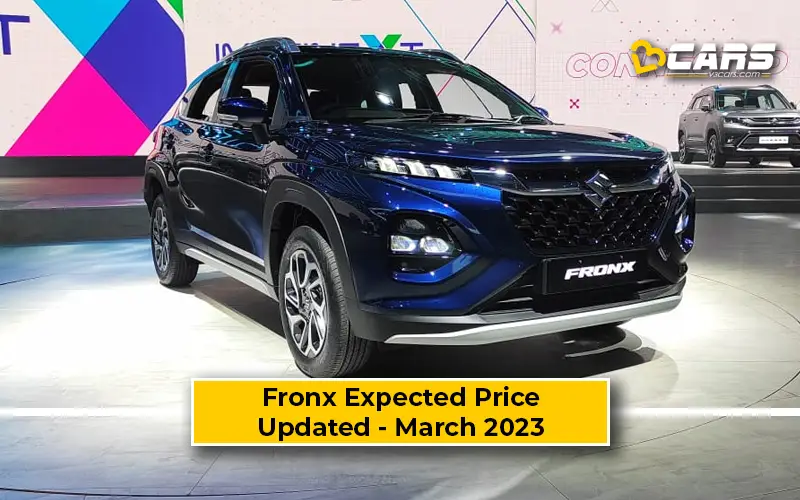
Updated Maruti Nexa Fronx Expected Price Calculation (Variant-wise) - With Logic

7 Missing Features In Hyundai Creta Over Toyota Urban Cruiser Hyryder
Latest Car News
Jeep Compass Sport AT Launched At Rs. 22 Lakh
Hyundai Bayon Launched At Rs. 10 Lakh
Top 15 Features Of Hyundai Bayon
Maruti Victoris Aurum Edition Launched With Rs. 22,990 Accessory Kit
Hyundai Ioniq 1 Top 5 Things To Know
Hyundai Bayon CVT To Get 3 Drive Modes, Performance Features Revealed
India To Get Stricter Car Safety Rules From 2027; New Crash Tests And Safety Features
October 2026: Mahindra XUV 7XO Price Change - Hiked By Up To 20k
Delhi To Restrict Entry Of Non-BS6 Vehicles From November 1
Hyundai Ioniq 1 Electric SUV Expected To Debut In January 2027
Mahindra Bolero Bold Edition Revealed With Bronze Accents And Rear Camera
Comments
0 comments