

 Upcoming CarsPopular CarsLatest CarsElectric Cars
Estimate costs and savings with our handy automotive calculators.
Simplify your car ownership journey with our buying, selling, and renewal tools.
Explore additional resources and comparisons for car enthusiasts.
Published : 09 September 2026
Read Time : 5 min
Author: Nikil Jonathan
Regular car maintenance is important to keep your car reliable and prevent expensive repairs. While manufacturers provide a scheduled service plan based on time and kilometres, there are several basic checks a car owner can perform to make sure their car is in top shape.
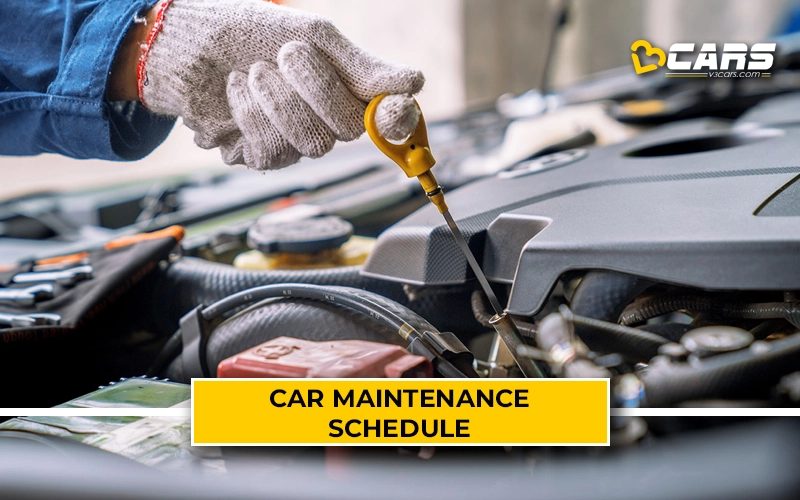
In India, factors such as extreme heat, monsoon, dust, heavy traffic and poor road surfaces can put additional stress on your car. This makes regular checks important even if the car has not covered many kilometres.
Some checks, such as tyre pressure, warning lights and fluid leaks, should be carried out frequently, while other items, including the battery, brakes, air filter, wiper blades and suspension, can be inspected periodically. Meanwhile, engine oil, filters and other consumables must be replaced according to the manufacturer’s recommended service interval.
Here is a practical car maintenance schedule covering what you should check every day, month, 6 months and once a year.
The intervals above are a general guide. Always refer to your car’s owner’s manual and manufacturer service schedule as periodic service and replacement intervals can vary between models and powertrains.
Check the cost of ownership for your car, including the cost of periodic maintenance by clicking the link below:
V3Cars Cost Of Ownerships Calculator
What To Check Every Day Before Driving
Some of you may groan at the thought of inspecting your car daily before driving. However, you do not need to perform a detailed inspection every time you start the car. A quick walkaround can help identify problems before they become a potential safety hazard.
1. Check The Tyres
Look at all 4 tyres before driving. Check for signs such as:
- A deflated tyre
- Cuts, cracks or bulges
- Nails or other objects embedded in the tread
- Uneven wear and damage to the sidewall
A tyre that looks flatter than others should be checked before driving at normal speeds. It is worth keeping a tyre pressure gauge or an air inflator in your car to check for deflated tyres and fill them back to their recommended pressure. You can find the recommended pressure listed on the tyre pressure sticker on the inside panel or the door jamb of the driver’s door or in the owner’s manual.
2. Check The Instrument Cluster
Pay attention to warning lights when you start the car. Some warning lights briefly illuminate during the self-check and then switch off. However, a warning light that remains illuminated while driving should not be ignored.
Pay attention to warnings related to:
- Engine
- Oil pressure
- Coolant temperature
- Battery/charging system
- Brakes
- ABS
- Airbags
- Tyre pressure
If the oil pressure or coolant temperature warning lights up, stop the car safely and try to determine the cause or call for roadside assistance (RSA) rather than continuing to drive.
3. Check The Lights
When was the last time you were behind a moving car or 2-wheeler and nearly ran into them because their tail lamps weren’t working? Chances are it wasn’t too long ago.
Before driving, do a quick check of the headlights, tail lamps, brake lights and indicators. This is especially important during monsoon and winter conditions when visibility can worsen. If possible, ask another person to operate the lights while you walk around the car.
4. Look For Fluid Leaks
Look underneath the car after it has been parked. A small amount of water dripping underneath a car after using the air conditioner is normal. However, coloured or oily fluid should be investigated.
Potential leaks can involve:
- Engine oil
- Coolant
- Brake fluid
- Transmission fluid
- Fuel
- Power steering fluid on cars that use hydraulic power steering
The colour and location of a leak can provide clues, but diagnosing the source and fixing the lead is best left to a professional.
5. Pay Attention To New Sounds
You know how your car normally sounds. A new squeal, knocking noise, grinding sound, vibration or rattling should not be dismissed simply because the car is still functioning.
If these sounds appear frequently or persistently, such as a squeaky fan belt, get it checked immediately. If a squealing fan belt snaps or breaks, it can lead to a sudden loss of drive and cause engine damage.
What To Check Every Week
Weekly checks are useful if your car is driven frequently or on rough and dusty roads.
1. Check Tyre Pressure
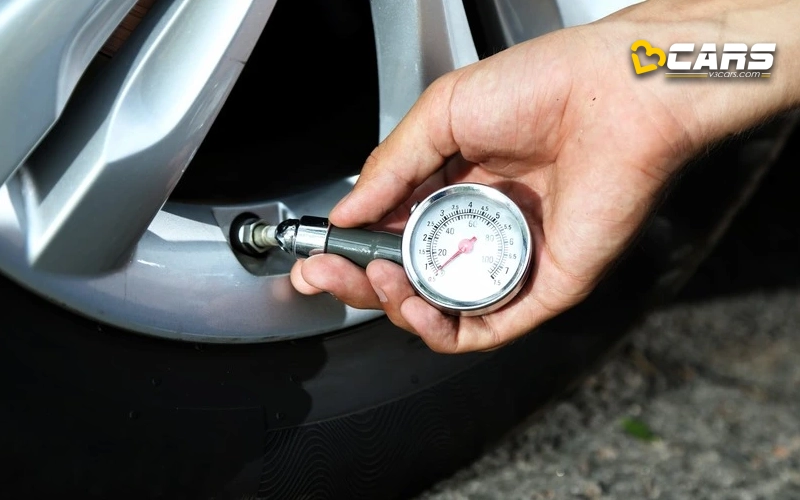
Tyre pressure can change with temperature and normal air loss. Check all 4 tyres when they are cold and adjust them to the manufacturer-recommended pressure. Do not forget the spare wheel.
An under-inflated tyre can increase rolling resistance, affect handling and mileage. Over-inflation can affect ride comfort, grip and wear.
2. Check Engine Oil Level
If your car has a conventional dipstick, park it on level ground and allow the engine to cool or follow the procedure specified in the owner’s manual. Check that the oil level sits between the minimum and maximum marks. Do not simply add oil whenever the level is slightly below the maximum mark. Use the correct grade and specification recommended by the manufacturer.
Some modern cars do not have a traditional dipstick and display the oil level electronically.
3. Check Coolant Level
Check the coolant reservoir when the engine is cold. The level should normally be between the minimum and maximum marks. Never open a hot cooling system cap unless the manufacturer specifically instructs you to do so. A pressurised cooling system can release extremely hot coolant and cause serious burns.
A repeated drop in coolant level is not normal and can indicate a leak or another cooling system problem.
4. Check Windscreen Washer Fluid
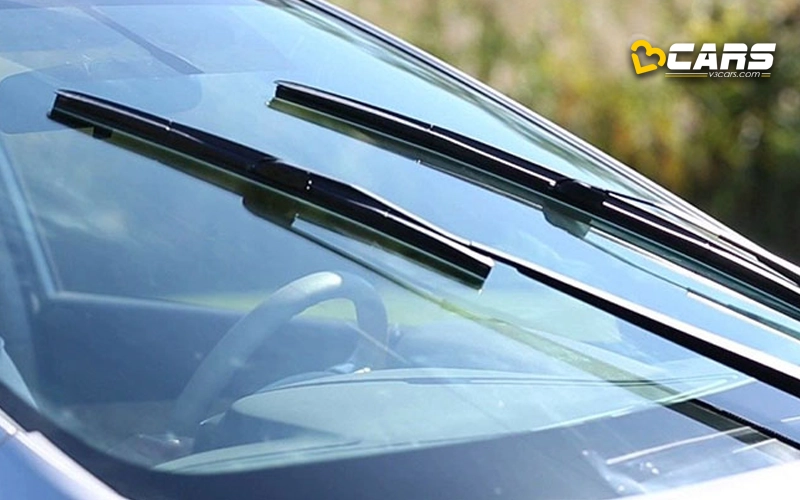
Make sure there is enough washer fluid, especially during monsoon. A clean windscreen is essential for visibility, and washer fluid is used more frequently when roads are wet and dirty.
Avoid relying on plain water if the manufacturer recommends washer fluid or if you regularly drive in dusty conditions.
What To Check Every Month
A monthly inspection can be more comprehensive and takes only a few minutes if you know what to look for.
1. Inspect The Battery
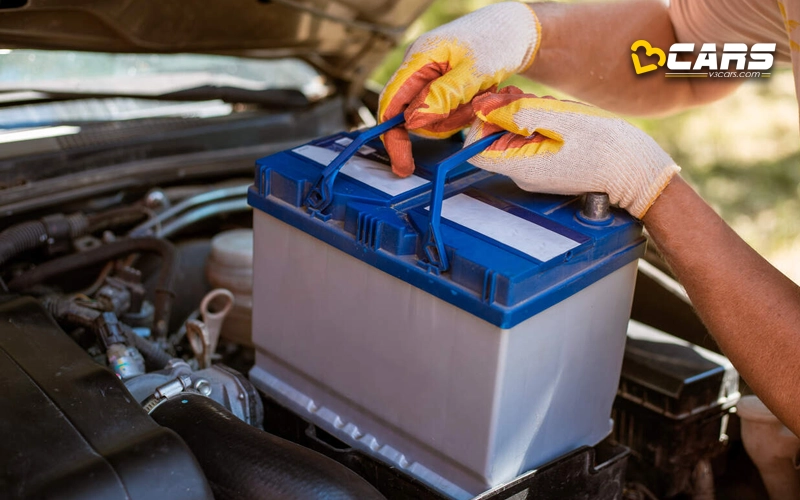
Look at the battery for:
- Corrosion around the terminals
- Loose connections
- Physical damage
- Swelling or leakage
Modern cars rely heavily on their batteries because the battery powers not only the starter motor but also numerous electronic systems. If the engine is taking longer than usual to crank, the battery should be tested rather than waiting for it to fail.
Cars that are driven mainly on short trips are more susceptible to battery-related issues because the battery may not receive enough charging time.
2. Inspect The Brakes
Pay attention to changes in braking performance.
Warning signs include:
- Squealing or grinding noises
- Vehicle pulling to one side while braking
- Excessive brake pedal travel
- Steering wheel vibration under braking
- A soft or spongy pedal
- Reduced braking performance
Do not wait for the scheduled service if you notice any of these symptoms. Brake-pad wear can vary substantially depending on driving conditions. Frequent stop-and-go traffic can wear brakes faster than long-distance highway driving.
3. Inspect The Air Filter
A dirty air filter can restrict airflow to the engine. The replacement interval varies by model and usage. If you frequently drive on dusty roads or construction-heavy routes, ask the service centre to inspect the filter rather than waiting for the standard replacement interval.
4. Inspect The Wipers
Wiper blades deteriorate because of heat, UV exposure and monsoon use.
Replace them if they:
- Leave streaks
- Skip across the windscreen
- Make excessive noise
- Fail to clear water properly
- Have cracked or damaged rubber
5. Check All Exterior Lights
Check:
- Headlights
- DRLs
- Tail lamps
- Brake lights
- Indicators
- Reverse lights
- Fog lamps, if fitted
- Number-plate illumination
A failed brake light or indicator is both a safety concern and a traffic violation.
What To Check Every 6 Months
A 6-month inspection is useful even if your car has not reached its scheduled service interval. This is particularly relevant for owners who drive relatively few kilometres but have owned the car for several months.
1. Inspect The Suspension
Indian roads can be hard on suspension components. Ask for an inspection of:
- Shock absorbers
- Struts
- Control arms
- Bushes
- Ball joints
- Tie rods
- Stabiliser links
Warning signs include excessive bouncing, knocking noises, steering instability or uneven tyre wear. Potholes and broken road surfaces can also damage wheels without immediately producing obvious symptoms.
2. Check Wheel Alignment And Balancing
Wheel alignment should be checked if the car:
- Pulls to one side
- Has an off-centre steering wheel
- Shows uneven tyre wear
- Has hit a large pothole or kerb
Alignment and balancing are different jobs. Balancing corrects wheel-and-tyre weight distribution, while alignment adjusts the geometry of the wheels.
3. Inspect Belts And Hoses
The engine bay should be inspected for cracked, damaged or deteriorated rubber components. Depending on the vehicle, this can include:
- Drive belts
- Coolant hoses
- Air-conditioning hoses
- Other rubber components
Do not attempt to replace a belt based solely on its appearance. Follow the manufacturer’s recommended replacement interval where applicable.
4. Check The Air-Conditioning System
India’s hot climate means the AC system gets extensive use. Look for issues such as:
- Reduced cooling
- Weak airflow
- Unusual smells
- Unusual noises
- Water drainage problems
- Intermittent cooling
A dirty cabin filter can reduce airflow and contribute to unpleasant smells.
5. Inspect The Underbody
An underbody inspection is useful for cars regularly driven over rough roads. Look for:
- Damaged underbody panels
- Scraped components
- Oil or fluid leaks
- Exhaust damage
- Loose heat shields
- Damaged suspension components
What To Check Every Year
An annual service is more than simply changing the engine oil. The exact list depends on the manufacturer, model and powertrain, but a standard annual inspection can include the following.
1. Engine Oil And Oil Filter
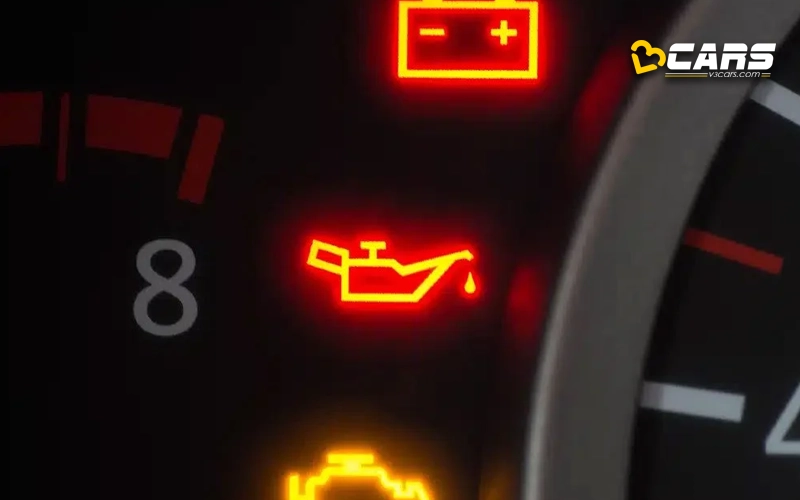
Engine oil should be replaced according to the manufacturer’s recommended time or kilometre interval, whichever comes first. Do not extend an oil-change interval simply because the car has covered very few kilometres. Time also matters because engine oil can deteriorate with use and age. Cars that frequently operate in heavy traffic, spend a lot of time idling or make many short trips require particular attention.
2. Replace Or Inspect Air And Cabin Filters
The engine air filter and cabin air filter have different functions. The engine air filter cleans the air entering the engine, while the cabin filter helps clean the air entering the passenger compartment. In dusty Indian cities, the cabin filter can become dirty relatively quickly. A clogged cabin filter can reduce AC airflow and affect cabin air quality.
3. Brake Fluid
Brake fluid absorbs moisture over time, which can affect its performance. The replacement interval varies by manufacturer, so follow the service schedule rather than assuming it needs replacement every year. If the brake fluid has deteriorated or the manufacturer specifies an interval, it should be replaced using the correct specification.
4. Coolant
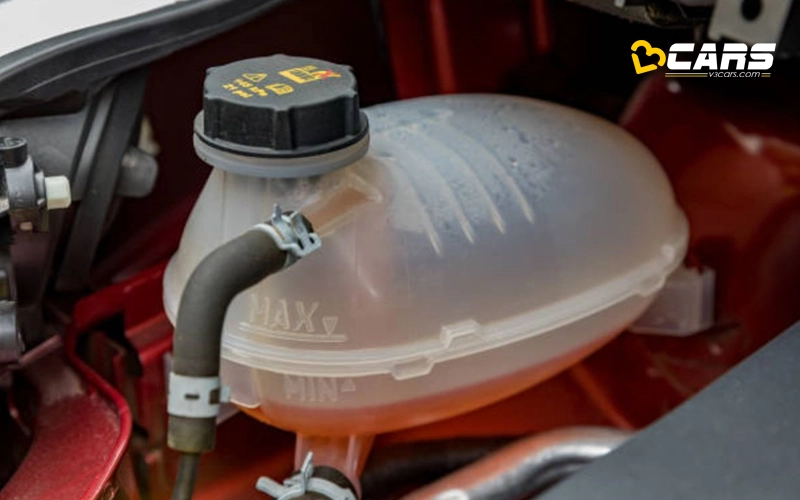
Engine coolant also has a specified replacement interval that varies between vehicles. Do not replace coolant simply because it has changed colour unless the manufacturer or technician identifies a problem. Use the correct coolant specification and mixing procedure recommended for your vehicle.
5. Battery Health
Have the battery tested if it is showing signs of weakness or is several years old. A battery can sometimes fail suddenly after showing only subtle warning signs. Battery life also depends on factors such as climate, usage, electronic features and driving patterns.
6. Spark Plugs On Petrol Engines
Petrol and CNG engines use spark plugs that have a manufacturer-specified inspection or replacement interval. The interval can vary depending on the engine and type of spark plug used. Do not assume all spark plugs need to be replaced at every annual service.
7. CNG System Inspection
CNG car owners should pay particular attention to the CNG system. The system should be inspected according to the manufacturer's prescribed schedule, including relevant components such as:
- CNG lines
- Connections
- Valves
- Pressure regulator
- Injectors
- Tank-related components
CNG cylinders and associated equipment are subject to specific safety and inspection requirements. Owners should follow the manufacturer’s instructions and government regulations rather than attempting to inspect or modify the system themselves.
8. Diesel Cars Need Additional Attention
Diesel cars that primarily operate in heavy city traffic and make frequent short trips may require more careful maintenance. Depending on the vehicle, the service schedule can include inspection or maintenance of:
- Diesel particulate filter (DPF)
- EGR system
- Fuel filter
- Turbocharger system
- AdBlue/SCR system, where applicable
If a diesel car regularly performs only short urban trips, the DPF may not get the conditions it needs for regeneration. Repeated DPF warnings should not be ignored.
Car Maintenance Before A Long Road Trip
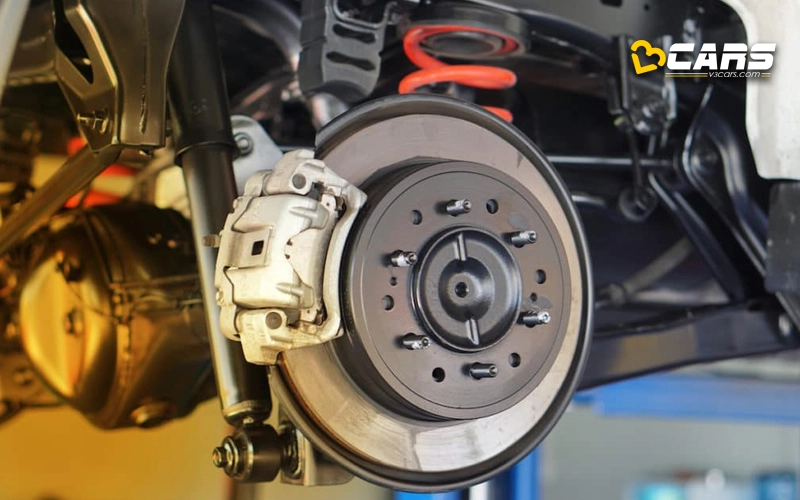
A long journey deserves a separate pre-trip inspection, even if your car was serviced recently. Check these items before leaving:
- Engine oil
- Coolant
- Brake fluid
- Windscreen washer fluid
- Tyre pressure
- Spare tyre
- Jack and wheel-spanner
- Brakes
- Wipers
- Headlights and indicators
- Battery
- AC
- Tool kit
- First-aid kit
- Emergency equipment
A puncture repair kit or tyre inflator can be useful, particularly in cars that use a space-saver spare or a tyre repair kit instead of a full-size spare wheel.
Monsoon-Specific Car Maintenance In India
The monsoon deserves additional attention because water, mud and humidity can affect several components.
1. Check Wipers And Washer Fluid
Good visibility is essential during heavy rain. Replace worn wipers before the monsoon rather than waiting for them to fail during a downpour.
2. Inspect Tyres
Tyre tread is particularly important in wet conditions. Worn tyres have less ability to evacuate water from underneath the contact patch, increasing the risk of losing grip. Check tread depth and look for uneven wear.
3. Check Brakes After Water Exposure
Wet brakes can temporarily behave differently, particularly after driving through standing water. If braking performance does not return to normal or you notice unusual noises, get the system inspected.
4. Check Underbody And Electrical Components
Frequent exposure to water and mud can leave deposits underneath the vehicle. If you regularly drive through flooded or heavily waterlogged roads, inspect the underbody and have the vehicle checked if water has entered areas that are not designed to withstand prolonged submersion.
Does Low Running Mean You Can Skip Car Service?
No. A car’s maintenance schedule is normally based on both time and kilometres. For example, if the manufacturer recommends servicing every 10,000km or one year, the service is generally due when either condition is reached. This is particularly important for cars that are not driven frequently.
A low-running car can still experience:
- Battery degradation
- Tyre ageing
- Fluid deterioration
- Brake corrosion
- Rubber-component ageing
- Wiper deterioration
- AC-system issues
A car that spends most of its life parked therefore still requires periodic maintenance.
Car Maintenance Checklist
For quick reference, here is a simple checklist you can save or print.
Every Day
- Check for visibly flat or damaged tyres
- Check warning lights
- Check headlights and indicators
- Look for fluid leaks
- Listen for unusual noises
- Check windscreen visibility
Every Week
- Check tyre pressures
- Check engine oil level where applicable
- Check coolant level
- Check washer fluid
- Inspect tyres for damage
Every Month
- Inspect battery
- Check brakes
- Check exterior lights
- Inspect wipers
- Inspect air filter
- Check for fluid leaks
Every 6 Months
- Inspect suspension
- Check wheel alignment
- Check wheel balancing if required
- Inspect belts and hoses
- Check AC performance
- Inspect underbody
- Inspect brakes
Every Year
- Follow scheduled service
- Replace engine oil and oil filter as specified
- Inspect/replace air filter
- Inspect/replace cabin filter
- Check brake fluid
- Check coolant
- Test battery
- Inspect spark plugs where applicable
- Inspect CNG system where applicable
- Inspect diesel emissions systems where applicable
Car Maintenance FAQs
How often should I service my car in India?
Follow the service interval specified by your car manufacturer, which is generally based on both kilometres and time. The service is usually due when either the specified distance or time period is reached.
How often should I check tyre pressure?
Checking tyre pressure at least once a month is a good practice, while weekly checks are useful for cars that are driven frequently. Always check the pressure when the tyres are cold and use the manufacturer's recommended pressure.
Should I change engine oil every year even if I drive very little?
If the manufacturer's service schedule specifies an annual oil change, yes. Low running does not necessarily mean that the engine oil can be used indefinitely.
How often should I replace the air filter?
There is no universal interval. Follow the manufacturer's recommendation and consider having it inspected more frequently if you regularly drive on dusty roads.
How often should I replace brake pads?
Brake pad life depends heavily on driving conditions, traffic, vehicle weight and driving style. Instead of replacing them at a fixed time, have them inspected periodically and replace them when they reach the manufacturer’s specified wear limit.
How often should I change coolant?
Coolant replacement intervals vary significantly between manufacturers and coolant types. Follow the interval specified in the owner’s manual and use the recommended coolant specification.
Do electric cars need less maintenance?
EVs generally have fewer mechanical components and do not require engine-oil changes, spark-plug replacements or many engine-related maintenance jobs. However, they still require maintenance of tyres, brakes, suspension, AC, battery systems and other vehicle components.
Is car maintenance necessary if I drive only 5,000km a year?
Yes. Time-based maintenance remains important because components such as tyres, batteries, fluids, wipers and rubber parts can deteriorate even when the car is not driven frequently.
Is a car wash part of maintenance?
Keeping the exterior and underbody reasonably clean can help prevent the accumulation of mud, dirt and contaminants. However, washing the car does not replace mechanical inspection or servicing.
Before you finalise your next car, these V3Cars tools can help you make a more informed decision:
Fuel Cost Calculator for Cars – Know your monthly fuel expense based on usage and mileage
Car On-Road Price Calculator – Convert ex-showroom to on-road price for any city
Sell Used Car Online – Enter your car and contact details to get an instant price estimate and book a free inspection with our partner network
Did you find this information helpful?

Content Writer
Nikil's a huge fan of classic cars, especially Italian beauties such as the Alfa Romeo Giulia Sprint and the Iso Grifo. His love for cars and bikes originated when he first laid his eyes on a poster of the Ferrari F40 and the MV Agusta F4 when he was just a child. He also loves all things analogue, especially vintage cameras and turntables.
Car News Update
View All Latest News
Hyundai Neira EV Revealed As Kia Carens Clavis EV Twin – India Launch Yet To Be Confirmed
Hyundai have unveiled the production-spec Neira EV, a 7-seater electric MPV for the Indonesian market. The new model is a badge-engineered sibling of the Kia Carens Clavis EV sold in India, sharing its overall design, lighting elements and features. Hyundai will showcase the Neira at the 2026 Gaikindo Auto Week (GJAW), scheduled to take place in Indonesia from November 20 to 29.

2026 Hyundai Verna Scores 5-Star Bharat NCAP Safety Rating
The 2026 Hyundai Verna has secured a 5-star Bharat NCAP safety rating for both adult and child occupant protection. The sedan scored 28.22 points out of 32 in adult occupant protection (AOP) and 44 points out of 49 in child occupant protection (COP).
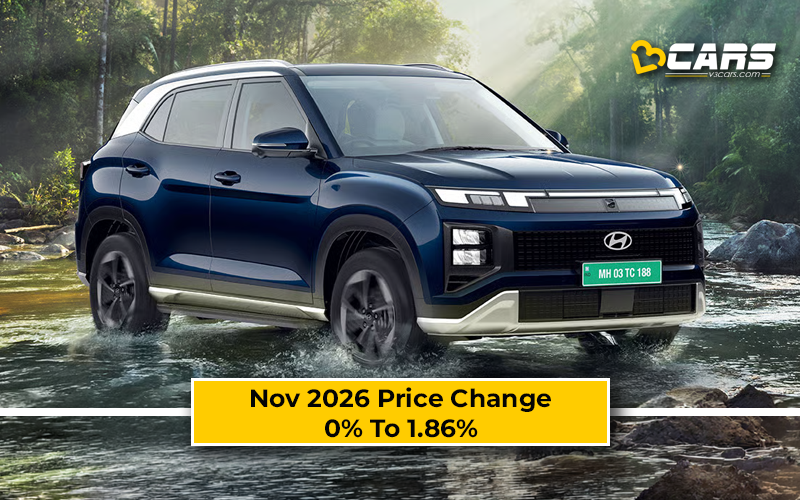
November 2026: Hyundai Creta EV Price Change - Increased By Up To Rs. 40,000
Hyundai have revised the prices of the Creta EV for November 2026. The Smart (O) and Excellence variants with the 51.4kWh battery pack have received a price hike of Rs. 40,000 each, while the prices of the remaining variants are unchanged.

Tata Sierra EV Scores 5-Star Bharat NCAP Safety Rating
The Tata Sierra EV has secured a 5-star safety rating in Bharat NCAP crash tests, scoring 30.62 points out of 32 for adult occupant protection and 45 points out of 49 for child occupant protection. The crash tests were conducted using the top-spec Empowered A 75kWh QWD variant. However, the safety rating applies to all variants of the electric SUV.

VinFast VF 5 – What To Expect From Upcoming Tata Nexon EV Rival?
VinFast have confirmed plans to launch the VF 5 electric SUV in India. The upcoming model will become the Vietnamese carmaker’s most affordable offering in the country and is expected to compete against the Tata Nexon EV and other B2-segment electric SUVs. The India-bound model is expected to be the recently revealed VF 5 facelift, which gets revised exterior styling, a more practical cabin and larger battery options.

Mini Cooper SE And Paul Smith Edition Bookings Open
Mini India have opened pre-launch bookings for the all-electric Mini Cooper SE and the new Mini Paul Smith Edition. Prices, variant-wise details and launch timelines are yet to be announced.

Mahindra XEV 9S Scores 5-Star Bharat NCAP Safety Rating
The Mahindra XEV 9S has secured a 5-star safety rating in the Bharat New Car Assessment Programme (Bharat NCAP) crash tests. The 3-row electric SUV scored 31.15 out of 32 points for Adult Occupant Protection (AOP) and 45 out of 49 points for Child Occupant Protection (COP), earning the highest 5-star rating in both categories.

2027 Audi A5 – What To Expect: Design, Features, Powertrain And Launch Timeline
The new-generation Audi A5 was spotted testing in India ahead of its expected launch in February 2027. The A5 will replace the A4 in Audi India’s lineup and compete against the BMW 3 Series and Mercedes-Benz C-Class. It will be locally assembled as part of Audi’s 3-model launch programme for India.

JSW Motors Website Goes Live Ahead Of Combat SUV Debut
JSW Motors have launched their official website ahead of the brand’s debut in India on December 3, 2026. The website allows prospective buyers to register their interest in the company’s first SUV, the Combat, which is expected to be unveiled on December 4. However, the company is not accepting bookings yet.
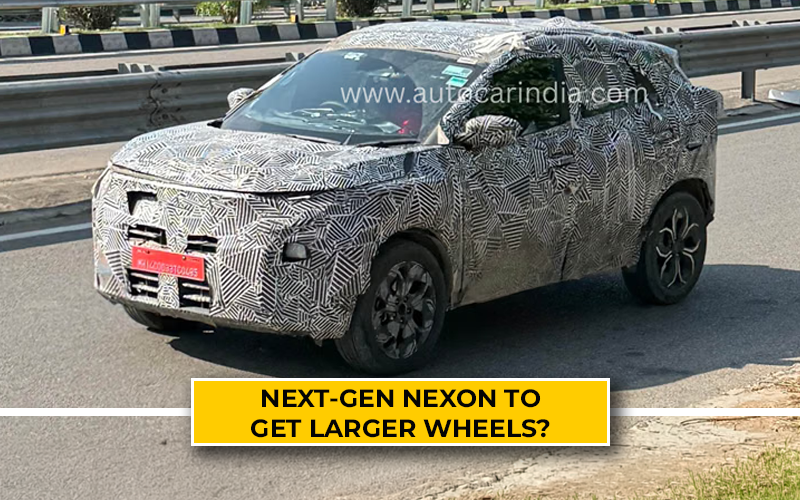
2027 Tata Nexon Spied With Curvv Alloy Wheels, New Front Design
The next-generation Tata Nexon was spotted testing again, revealing more details about its exterior design and features. Codenamed ‘Garud’, the new Nexon is expected to debut in 2027 with a redesigned exterior and interior. The latest spy shots reveal Curvv-like alloy wheels, rear disc brakes, a front radar module and a new rear windscreen design. Interior spy shots have also hinted at 2 freestanding displays.

Upcoming Cars In November 2026 - Mercedes-Benz GLC Electric, Denza, Mini & BMW
The Indian car market is set to see several new launches in November 2026, with luxury electric cars and performance models making up much of the upcoming lineup.

Toyota Innova Hycross Facelift Teased Ahead Of November 25 Launch
Toyota have released the first teaser of the updated Innova Hycross ahead of its India launch on November 25, 2026. The teaser reveals redesigned headlamps with new LED daytime running lights (DRLs).
Expert Car Reviews
View All Car Reviews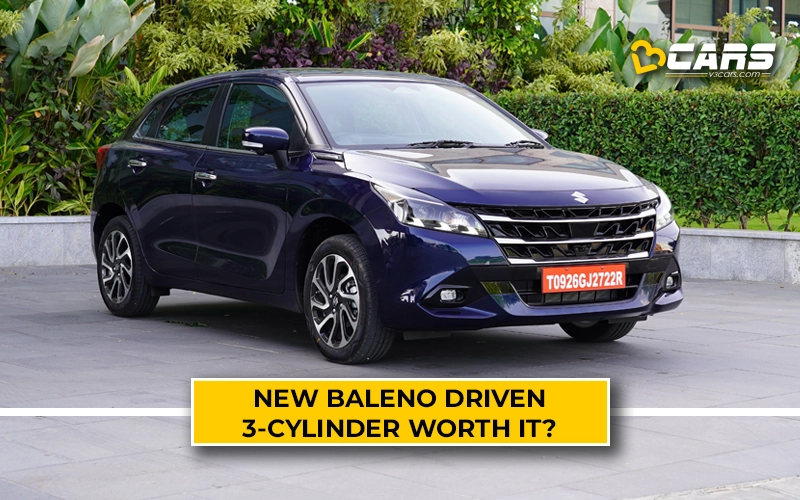
2026 Maruti Baleno Facelift Photo Gallery - Design, Features And Drive Review
The 2026 Maruti Baleno facelift gets a new 1.2L 3-cylinder petrol engine, level 2 ADAS and ventilated front seats. We drove it to see whether the new engine and added features make up for the loss of the old 4-cylinder’s refinement.
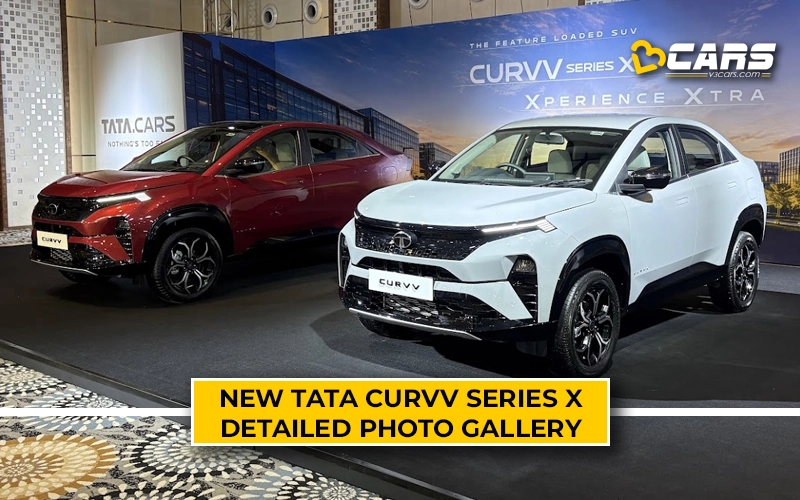
2026 Tata Curvv Series X Photo Gallery - Exterior, Interior And Features
Tata have launched the 2026 Curvv Series X with a simpler variant lineup and several features moved further down the range. We got a closer look at the new Curvv Series X, including the Pure X Plus and Creative X Plus variants. In this detailed photo gallery, we take you through their exterior differences, interior, features, rear-seat space and the construction of Tata’s R-Comfort seats.
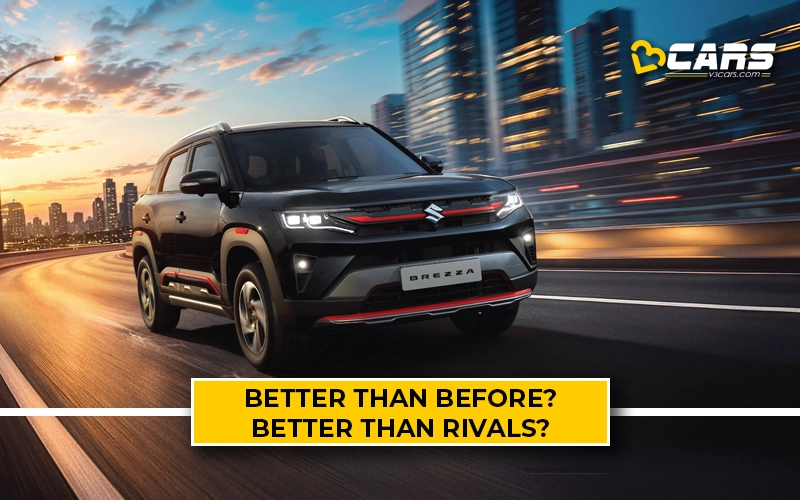
2026 Maruti Brezza Facelift Worth Buying?
The 2026 Maruti Brezza adds a 1.0L turbo petrol engine, more features and a 5-star Bharat NCAP rating. Its underbody CNG cylinder also frees up the full 328L boot. However, not every powertrain and variant offers equally strong value. We explain which Brezza to buy and when a rival makes more sense.
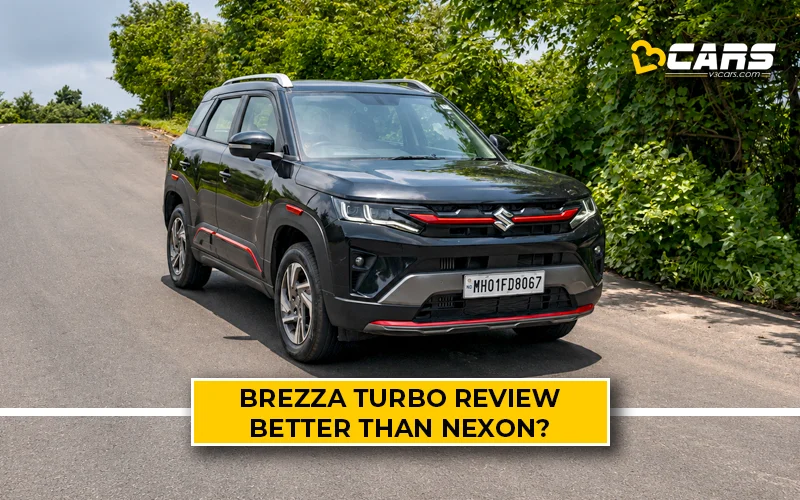
2026 Maruti Arena Brezza 1.0L Turbo Manual First Drive Review
We drove the 2026 Maruti Arena Brezza with its new 1.0L turbo petrol engine and 6-speed manual transmission. We covered roughly 50km over about 2 hours at speeds representative of typical city driving. Here are my impressions of its performance, refinement, mileage, highway manners, ride and everyday usability.
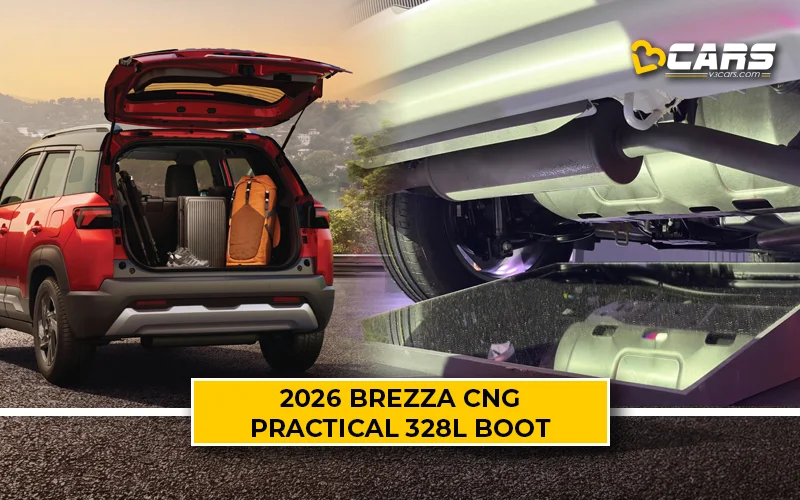
2026 Maruti Brezza CNG 328L Boot Space Explained
The 2026 Maruti Brezza CNG now has its cylinder mounted below the body, allowing it to retain the petrol version’s full 328L boot space. We examine the practical improvement, dimensions, ground clearance and boot-related features offered with each CNG variant.
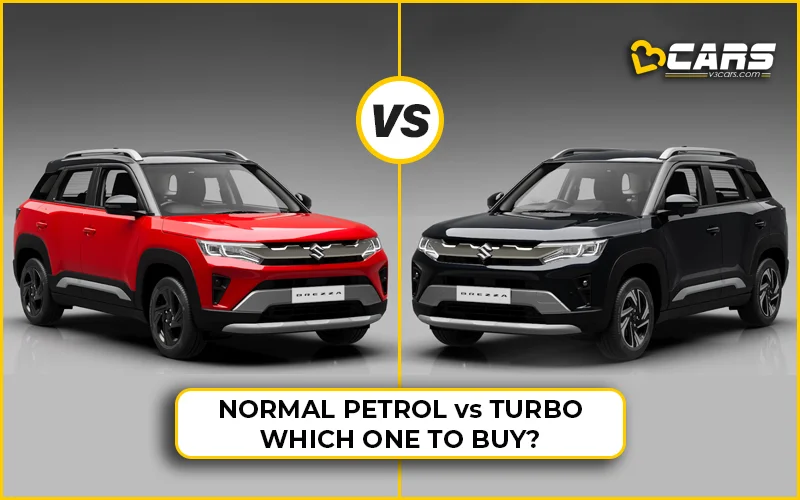
2026 Maruti Brezza 1.0L Turbo Vs 1.5L Petrol - Which One To Buy?
The 2026 Maruti Brezza offers a new 1.0L turbo petrol engine alongside the familiar 1.5L normal petrol. Both engines come with a new 6-speed manual transmission. The smaller turbo costs less and offers more power, torque and features, while the 1.5L petrol claims better mileage. We compare the 2 to determine which Brezza petrol-manual makes more sense.
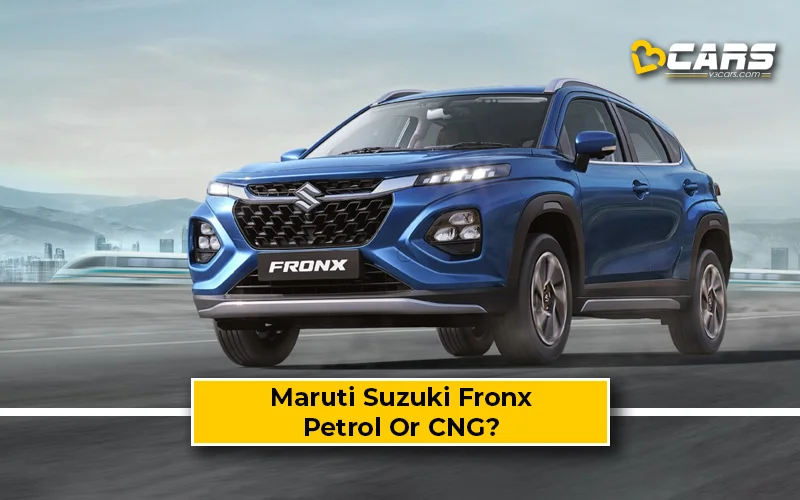
Maruti Arena Fronx Petrol Vs CNG Mileage And Running Cost
If you’re wondering whether to buy the Maruti Suzuki Fronx petrol or CNG, this article will help you make a data-backed decision. We compare the latest ex-showroom prices, official mileage figures and current fuel prices in Delhi to calculate the running cost difference between the Fronx petrol and CNG variants. We also calculate how many kilometres you need to drive the Fronx CNG to recover its higher upfront cost over the petrol variant.

2026 Honda ZR-V Hybrid Photo Gallery
The 2026 Honda ZR-V Hybrid is set to launch in India as Honda’s new flagship SUV on May 22, 2026. Positioned above the Elevate, the ZR-V will rival premium SUVs like the Volkswagen Tiguan R-Line and Skoda Kodiaq with its strong hybrid powertrain, premium interior and advanced features. In this detailed photo gallery, we take a closer look at the ZRV Hybrid’s design, cabin, practicality, safety features and hybrid technology.
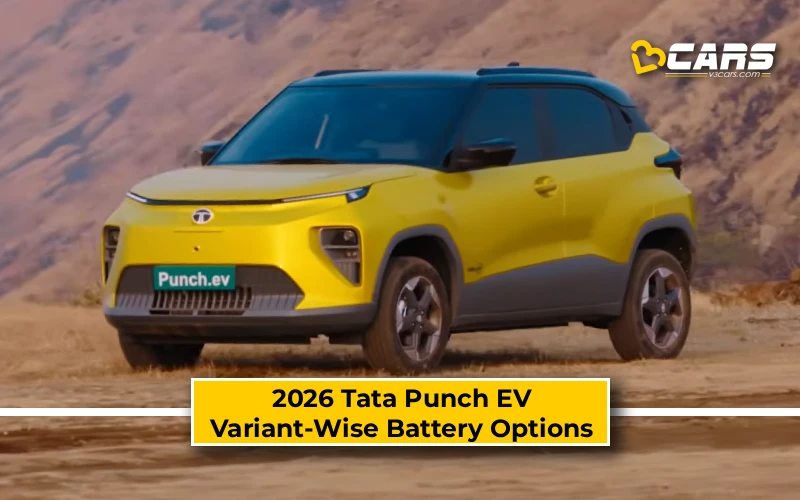
2026 Tata Punch EV Variant-Wise Powertrain Options – Battery, Range & Specifications
The 2026 Tata Punch EV is available with multiple battery pack and motor configurations, giving buyers the flexibility to choose between affordability and longer driving range. Depending on the variant, the new Punch EV offers different power outputs, battery capacities and claimed range. In this article, we break down the 2026 Punch EV’s variant-wise powertrain options and check out which variants get the 30kWh and 40kWh battery packs, along with their performance specifications, so you can pick the variant that best suits your needs.
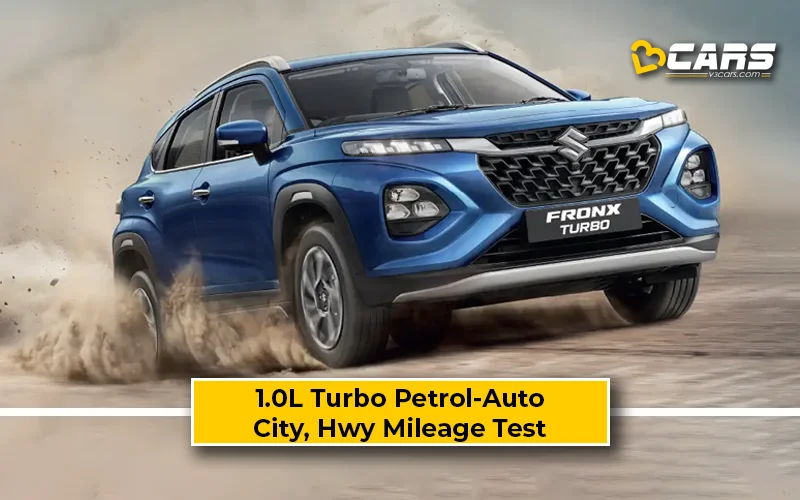
Maruti Fronx 1.0L Turbo Petrol-Auto Mileage Test: Real World City, Highway Fuel Efficiency
In this article, we’ll present the data based on V3Cars mileage test and inform you about what real-world fuel efficiency you can expect from the Maruti Fronx 1.0L turbo petrol-automatic in city and highway driving conditions. We’ll also find out how much the mileage numbers deviate from the manufacturer-claimed fuel efficiency figures. The information presented in this article will also help you learn about the mileage differences you can expect when driving in the city vs driving on the highway.

10 Features New Kia Syros Gets Over Kia Sonet
Kia unveiled their all-new B2-segment SUV, the 2025 Syros, on December 19, 2024. While Kia India are yet to reveal the variant-wise prices of the 2025 Syros, it is expected to slot in between the Sonet B2-SUV and Seltos C-SUV.
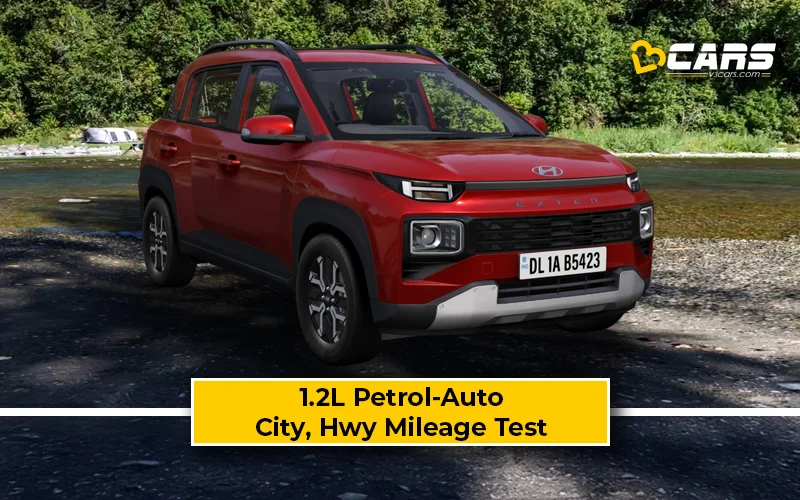
Hyundai Exter 1.2L Petrol-Auto Mileage Test: Real World City, Highway Fuel Efficiency
In this article, we’ll present the data based on V3Cars mileage test and inform you about what real-world fuel efficiency you can expect from the Hyundai Exter 1.2L petrol-automatic in city and highway driving conditions. We’ll also find out how much the mileage numbers deviate from the manufacturer-claimed fuel efficiency figures. The information presented in this article will also help you learn about the mileage differences you can expect when driving in the city vs driving on the highway.
Latest Videos
View All Car Latest Videos




Upcoming Cars In India
View All Upcoming Cars





Popular News
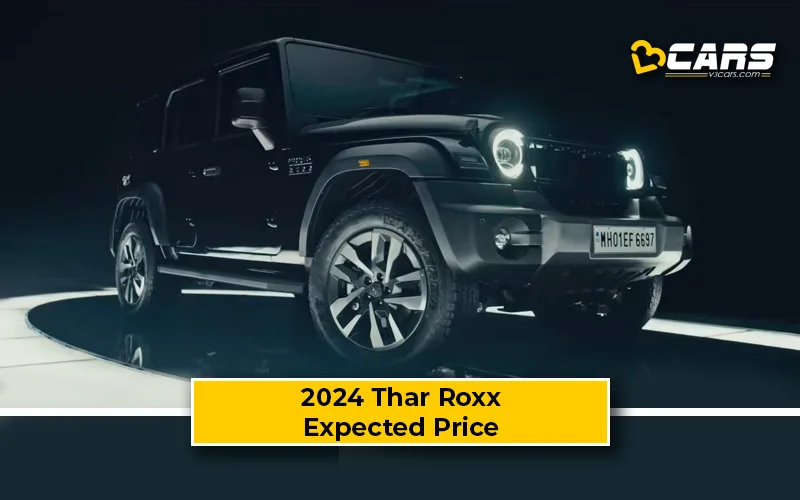
Mahindra Thar Roxx (Thar 5-door) Expected Price — #WithLogic (Updated: Jul 29)

5 Missing Features In Mahindra XUV700 Over Scorpio N

Top 5 Features Scorpio N Misses But The Tata Safari Gets

Top 5 Differences – Maruti Suzuki Grand Vitara Vs Toyota Urban Cruiser Hyryder

Maruti Suzuki Grand Vitara Ex-Showroom Price Leaked Ahead Of July 20 Debut

6 Missing Features In 2022 Hyundai Venue Facelift
Maruti Suzuki Grand Vitara Expected Prices
2022 Toyota Urban Cruiser Hyryder Expected Prices — Mild Hybrid, AWD And Mild Hybrid Auto

Kia Seltos Facelift Launch In 2023

2022 Mahindra Scorpio - First Teaser Drops Ft. Amitabh Bacchan
Updated Maruti Nexa Fronx Expected Price Calculation (Variant-wise) - With Logic

7 Missing Features In Hyundai Creta Over Toyota Urban Cruiser Hyryder
Latest Car News
Hyundai Neira EV Revealed As Kia Carens Clavis EV Twin – India Launch Yet To Be Confirmed
2026 Hyundai Verna Scores 5-Star Bharat NCAP Safety Rating
November 2026: Hyundai Creta EV Price Change - Increased By Up To Rs. 40,000
Tata Sierra EV Scores 5-Star Bharat NCAP Safety Rating
VinFast VF 5 – What To Expect From Upcoming Tata Nexon EV Rival?
Mini Cooper SE And Paul Smith Edition Bookings Open
Mahindra XEV 9S Scores 5-Star Bharat NCAP Safety Rating
2027 Audi A5 – What To Expect: Design, Features, Powertrain And Launch Timeline
JSW Motors Website Goes Live Ahead Of Combat SUV Debut
2027 Tata Nexon Spied With Curvv Alloy Wheels, New Front Design
Upcoming Cars In November 2026 - Mercedes-Benz GLC Electric, Denza, Mini & BMW
Comments
0 comments