

 Upcoming CarsPopular CarsLatest CarsElectric Cars
Estimate costs and savings with our handy automotive calculators.
Simplify your car ownership journey with our buying, selling, and renewal tools.
Explore additional resources and comparisons for car enthusiasts.
Published : 20 November 2026
Read Time : 5 min
Author: Nikil Jonathan
The government has amended Rule 115(7) of the Central Motor Vehicles Rules to revise the validity periods of Pollution Under Control (PUC) certificates. The new framework, notified by the Ministry of Road Transport and Highways (MoRTH), links certificate validity to a vehicle’s emission standard, age and transport category, with longer validity periods for newer BS6 vehicles.

Under the revised rules, BS1, BS2 and BS3 vehicles will get PUC certificates valid for 3 months, while BS4 vehicles will receive certificates valid for 6 months. For BS6 vehicles, validity will depend on their age, calculated from the date of first registration.
The amendment aims to reduce the compliance burden on owners of newer and cleaner vehicles while continuing to monitor emissions from older vehicles.
Revised PUC Certificate Validity Periods
The revised validity periods vary according to the vehicle’s emission standard and, for BS6 vehicles, its age and classification as a transport or non-transport vehicle.
This means newer BS6 non-transport vehicles will have the longest PUC certificate validity of 3 years. The corresponding validity period for BS6 transport vehicles is 2 years. For both categories, validity reduces as the vehicle gets older, with certificates for vehicles over 10 years old valid for 6 months.
Existing PUC Certificates: When Will The New Validity Rules Apply?
The amendment also includes a transitional arrangement for existing PUC certificates. Certificates issued before the new rules come into force will continue under their existing validity period until their first renewal after the amendment takes effect.
The revised validity period will therefore not automatically apply to every certificate already in circulation. It will become applicable when the vehicle's existing PUC certificate is renewed for the first time after the amendment comes into force.
New Rules For PUC Certificate Renewal
MoRTH have also clarified how the validity of a renewed PUC certificate will be calculated, depending on when the owner applies for renewal.
- Renewal within the final 10 days: If the certificate is renewed within the 10 days immediately before its expiry, the new certificate's validity will begin from the existing certificate's expiry date.
- Renewal after expiry: If the owner renews the certificate after its validity has ended, the new certificate will take effect from the actual date of renewal.
This provision allows vehicle owners who renew their PUC certificates shortly before expiry to retain the remaining validity of their existing certificates without losing those days.
Also Read: Stricter Car Safety Rules From 2027; New Crash Tests And Safety Features
Why Has The Government Revised PUC Certificate Validity?
According to MoRTH, the government’s revised framework is intended to align emission testing frequency with the age and emission standards of vehicles. Newer and cleaner vehicles will have to undergo PUC testing less frequently, while older vehicles will continue to be monitored at shorter intervals.
The changes are also intended to make the PUC certification process more efficient and reduce the compliance burden on vehicle owners.
The amendment revises the validity periods under Rule 115(7) of the Central Motor Vehicles Rules. The effective date will depend on the commencement of the amendment, and vehicle owners should check the applicable rules when renewing their certificates.
Also Read: Government Allows E100 Fuel For Flex-Fuel Cars – What Changes For Buyers?
Before you finalise your next car, these V3Cars tools can help you make a more informed decision:
Fuel Cost Calculator for Cars – Know your monthly fuel expense based on usage and mileage
Car On-Road Price Calculator – Convert ex-showroom to on-road price for any city
Sell Used Car Online – Enter your car and contact details to get an instant price estimate and book a free inspection with our partner network
Did you find this information helpful?

Content Writer
Nikil's a huge fan of classic cars, especially Italian beauties such as the Alfa Romeo Giulia Sprint and the Iso Grifo. His love for cars and bikes originated when he first laid his eyes on a poster of the Ferrari F40 and the MV Agusta F4 when he was just a child. He also loves all things analogue, especially vintage cameras and turntables.
Car News Update
View All Latest News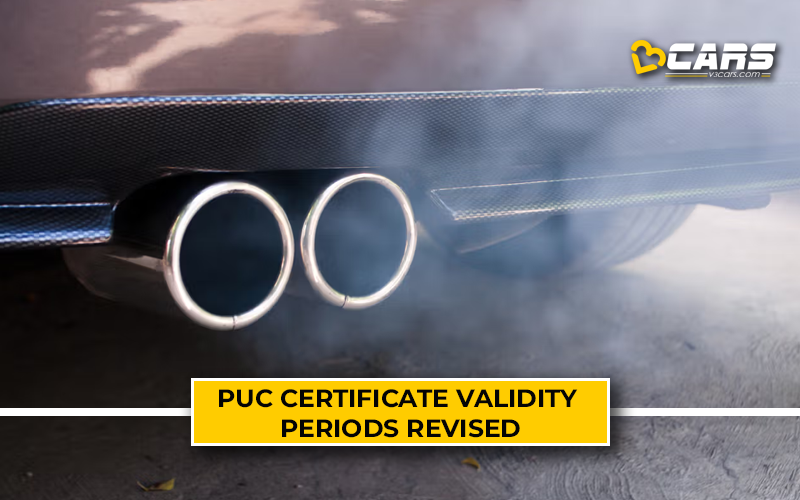
PUC Certificate Validity Periods Revised Based On Vehicle Age And Emission Norms
The government has amended Rule 115(7) of the Central Motor Vehicles Rules to revise the validity periods of Pollution Under Control (PUC) certificates. The new framework, notified by the Ministry of Road Transport and Highways (MoRTH), links certificate validity to a vehicle’s emission standard, age and transport category, with longer validity periods for newer BS6 vehicles.

Hyundai Neira EV Revealed As Kia Carens Clavis EV Twin – India Launch Yet To Be Confirmed
Hyundai have unveiled the production-spec Neira EV, a 7-seater electric MPV for the Indonesian market. The new model is a badge-engineered sibling of the Kia Carens Clavis EV sold in India, sharing its overall design, lighting elements and features. Hyundai will showcase the Neira at the 2026 Gaikindo Auto Week (GJAW), scheduled to take place in Indonesia from November 20 to 29.

2026 Hyundai Verna Scores 5-Star Bharat NCAP Safety Rating
The 2026 Hyundai Verna has secured a 5-star Bharat NCAP safety rating for both adult and child occupant protection. The sedan scored 28.22 points out of 32 in adult occupant protection (AOP) and 44 points out of 49 in child occupant protection (COP).
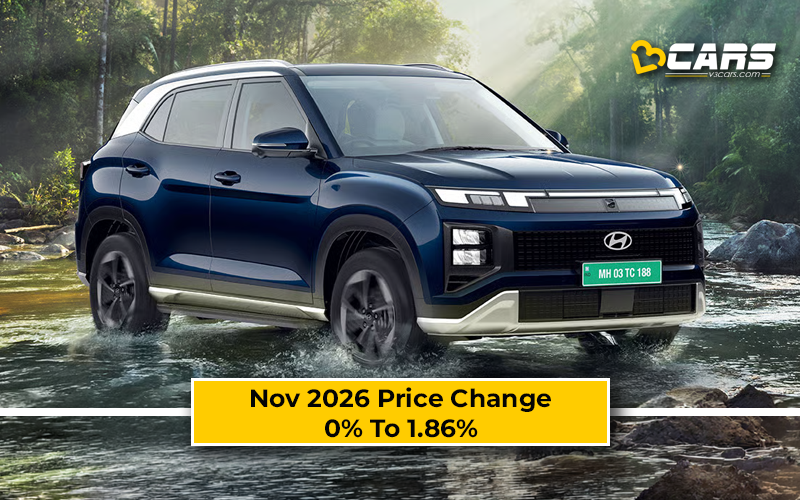
November 2026: Hyundai Creta EV Price Change - Increased By Up To Rs. 40,000
Hyundai have revised the prices of the Creta EV for November 2026. The Smart (O) and Excellence variants with the 51.4kWh battery pack have received a price hike of Rs. 40,000 each, while the prices of the remaining variants are unchanged.

Tata Sierra EV Scores 5-Star Bharat NCAP Safety Rating
The Tata Sierra EV has secured a 5-star safety rating in Bharat NCAP crash tests, scoring 30.62 points out of 32 for adult occupant protection and 45 points out of 49 for child occupant protection. The crash tests were conducted using the top-spec Empowered A 75kWh QWD variant. However, the safety rating applies to all variants of the electric SUV.

VinFast VF 5 – What To Expect From Upcoming Tata Nexon EV Rival?
VinFast have confirmed plans to launch the VF 5 electric SUV in India. The upcoming model will become the Vietnamese carmaker’s most affordable offering in the country and is expected to compete against the Tata Nexon EV and other B2-segment electric SUVs. The India-bound model is expected to be the recently revealed VF 5 facelift, which gets revised exterior styling, a more practical cabin and larger battery options.

Mini Cooper SE And Paul Smith Edition Bookings Open
Mini India have opened pre-launch bookings for the all-electric Mini Cooper SE and the new Mini Paul Smith Edition. Prices, variant-wise details and launch timelines are yet to be announced.

Mahindra XEV 9S Scores 5-Star Bharat NCAP Safety Rating
The Mahindra XEV 9S has secured a 5-star safety rating in the Bharat New Car Assessment Programme (Bharat NCAP) crash tests. The 3-row electric SUV scored 31.15 out of 32 points for Adult Occupant Protection (AOP) and 45 out of 49 points for Child Occupant Protection (COP), earning the highest 5-star rating in both categories.

2027 Audi A5 – What To Expect: Design, Features, Powertrain And Launch Timeline
The new-generation Audi A5 was spotted testing in India ahead of its expected launch in February 2027. The A5 will replace the A4 in Audi India’s lineup and compete against the BMW 3 Series and Mercedes-Benz C-Class. It will be locally assembled as part of Audi’s 3-model launch programme for India.

JSW Motors Website Goes Live Ahead Of Combat SUV Debut
JSW Motors have launched their official website ahead of the brand’s debut in India on December 3, 2026. The website allows prospective buyers to register their interest in the company’s first SUV, the Combat, which is expected to be unveiled on December 4. However, the company is not accepting bookings yet.
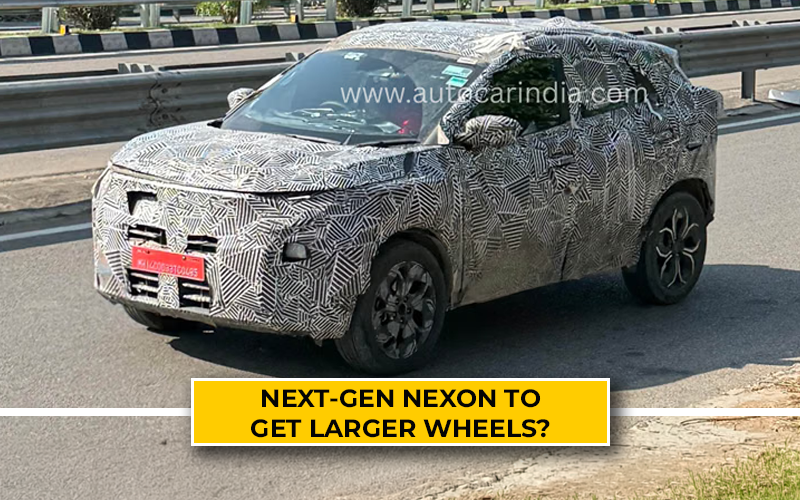
2027 Tata Nexon Spied With Curvv Alloy Wheels, New Front Design
The next-generation Tata Nexon was spotted testing again, revealing more details about its exterior design and features. Codenamed ‘Garud’, the new Nexon is expected to debut in 2027 with a redesigned exterior and interior. The latest spy shots reveal Curvv-like alloy wheels, rear disc brakes, a front radar module and a new rear windscreen design. Interior spy shots have also hinted at 2 freestanding displays.

Upcoming Cars In November 2026 - Mercedes-Benz GLC Electric, Denza, Mini & BMW
The Indian car market is set to see several new launches in November 2026, with luxury electric cars and performance models making up much of the upcoming lineup.
Expert Car Reviews
View All Car Reviews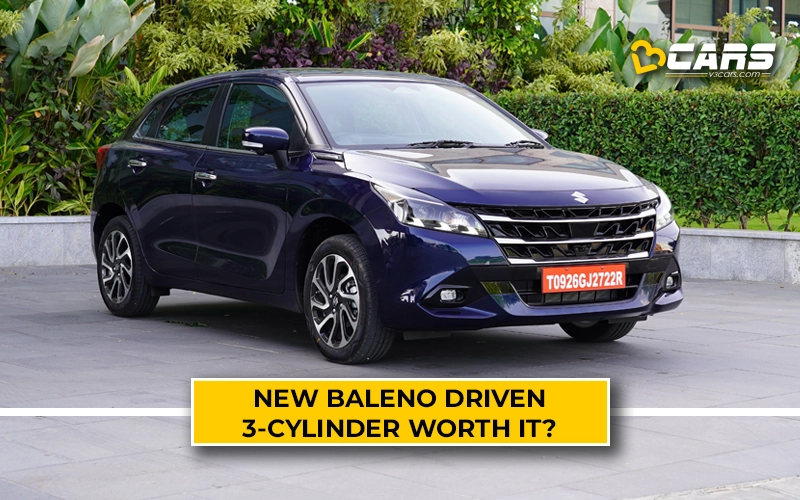
2026 Maruti Baleno Facelift Photo Gallery - Design, Features And Drive Review
The 2026 Maruti Baleno facelift gets a new 1.2L 3-cylinder petrol engine, level 2 ADAS and ventilated front seats. We drove it to see whether the new engine and added features make up for the loss of the old 4-cylinder’s refinement.
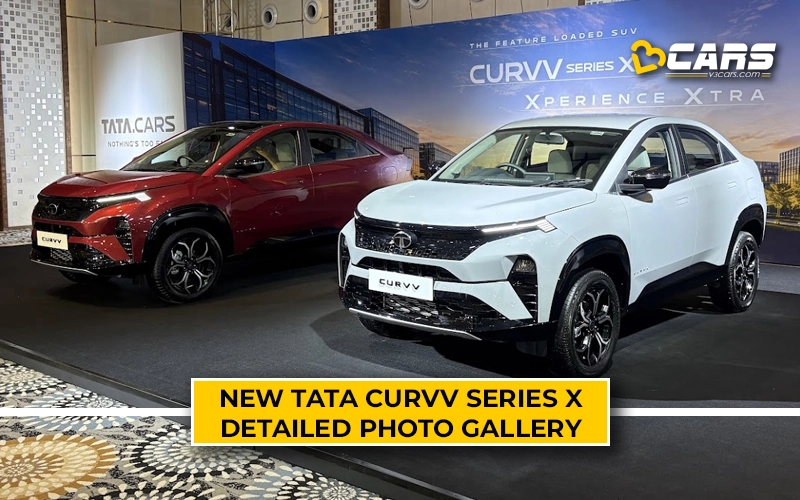
2026 Tata Curvv Series X Photo Gallery - Exterior, Interior And Features
Tata have launched the 2026 Curvv Series X with a simpler variant lineup and several features moved further down the range. We got a closer look at the new Curvv Series X, including the Pure X Plus and Creative X Plus variants. In this detailed photo gallery, we take you through their exterior differences, interior, features, rear-seat space and the construction of Tata’s R-Comfort seats.
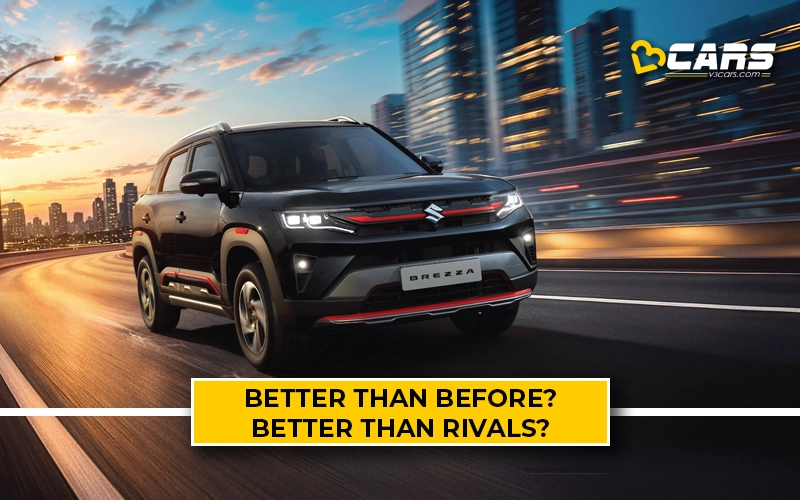
2026 Maruti Brezza Facelift Worth Buying?
The 2026 Maruti Brezza adds a 1.0L turbo petrol engine, more features and a 5-star Bharat NCAP rating. Its underbody CNG cylinder also frees up the full 328L boot. However, not every powertrain and variant offers equally strong value. We explain which Brezza to buy and when a rival makes more sense.
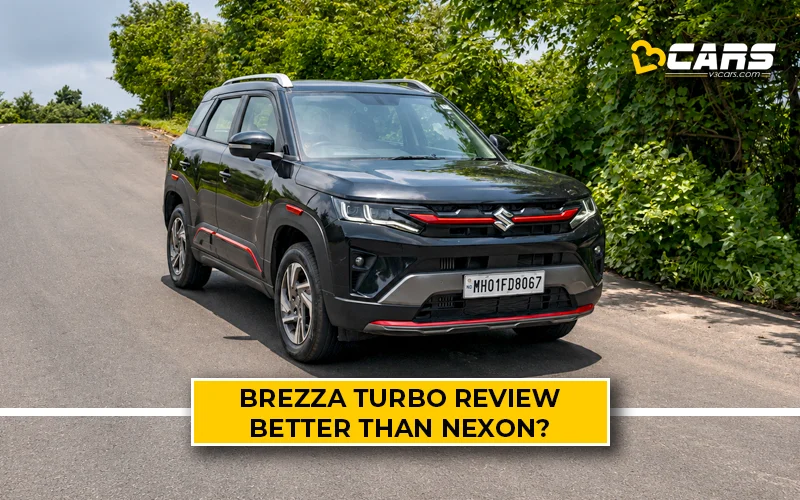
2026 Maruti Arena Brezza 1.0L Turbo Manual First Drive Review
We drove the 2026 Maruti Arena Brezza with its new 1.0L turbo petrol engine and 6-speed manual transmission. We covered roughly 50km over about 2 hours at speeds representative of typical city driving. Here are my impressions of its performance, refinement, mileage, highway manners, ride and everyday usability.
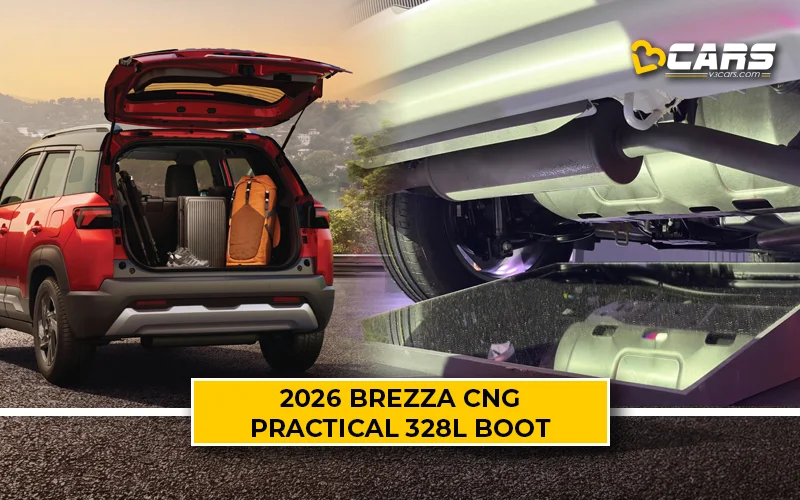
2026 Maruti Brezza CNG 328L Boot Space Explained
The 2026 Maruti Brezza CNG now has its cylinder mounted below the body, allowing it to retain the petrol version’s full 328L boot space. We examine the practical improvement, dimensions, ground clearance and boot-related features offered with each CNG variant.
2026 Maruti Brezza 1.0L Turbo Vs 1.5L Petrol - Which One To Buy?
The 2026 Maruti Brezza offers a new 1.0L turbo petrol engine alongside the familiar 1.5L normal petrol. Both engines come with a new 6-speed manual transmission. The smaller turbo costs less and offers more power, torque and features, while the 1.5L petrol claims better mileage. We compare the 2 to determine which Brezza petrol-manual makes more sense.
Maruti Arena Fronx Petrol Vs CNG Mileage And Running Cost
If you’re wondering whether to buy the Maruti Suzuki Fronx petrol or CNG, this article will help you make a data-backed decision. We compare the latest ex-showroom prices, official mileage figures and current fuel prices in Delhi to calculate the running cost difference between the Fronx petrol and CNG variants. We also calculate how many kilometres you need to drive the Fronx CNG to recover its higher upfront cost over the petrol variant.
2026 Honda ZR-V Hybrid Photo Gallery
The 2026 Honda ZR-V Hybrid is set to launch in India as Honda’s new flagship SUV on May 22, 2026. Positioned above the Elevate, the ZR-V will rival premium SUVs like the Volkswagen Tiguan R-Line and Skoda Kodiaq with its strong hybrid powertrain, premium interior and advanced features. In this detailed photo gallery, we take a closer look at the ZRV Hybrid’s design, cabin, practicality, safety features and hybrid technology.
2026 Tata Punch EV Variant-Wise Powertrain Options – Battery, Range & Specifications
The 2026 Tata Punch EV is available with multiple battery pack and motor configurations, giving buyers the flexibility to choose between affordability and longer driving range. Depending on the variant, the new Punch EV offers different power outputs, battery capacities and claimed range. In this article, we break down the 2026 Punch EV’s variant-wise powertrain options and check out which variants get the 30kWh and 40kWh battery packs, along with their performance specifications, so you can pick the variant that best suits your needs.
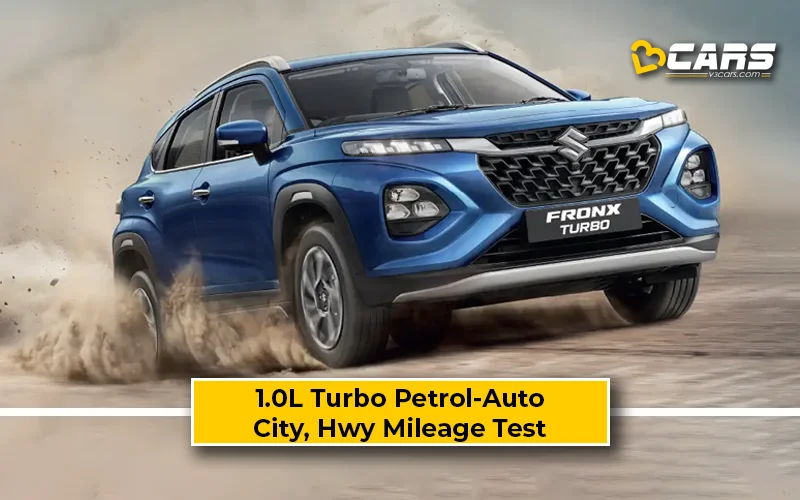
Maruti Fronx 1.0L Turbo Petrol-Auto Mileage Test: Real World City, Highway Fuel Efficiency
In this article, we’ll present the data based on V3Cars mileage test and inform you about what real-world fuel efficiency you can expect from the Maruti Fronx 1.0L turbo petrol-automatic in city and highway driving conditions. We’ll also find out how much the mileage numbers deviate from the manufacturer-claimed fuel efficiency figures. The information presented in this article will also help you learn about the mileage differences you can expect when driving in the city vs driving on the highway.
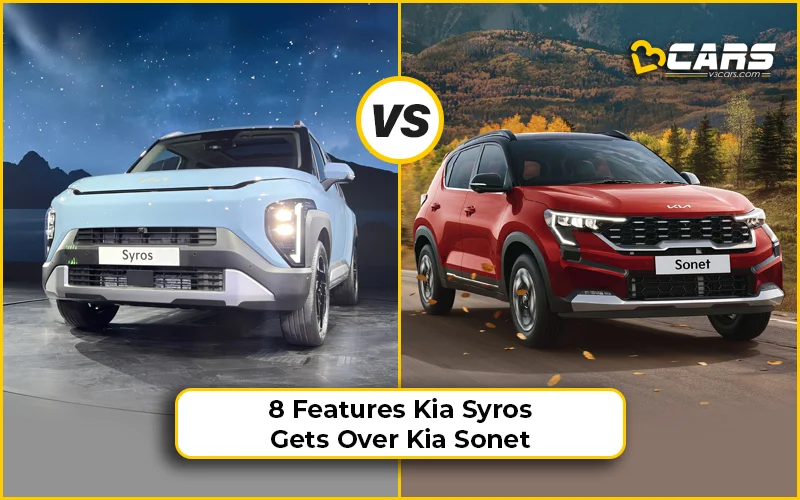
10 Features New Kia Syros Gets Over Kia Sonet
Kia unveiled their all-new B2-segment SUV, the 2025 Syros, on December 19, 2024. While Kia India are yet to reveal the variant-wise prices of the 2025 Syros, it is expected to slot in between the Sonet B2-SUV and Seltos C-SUV.
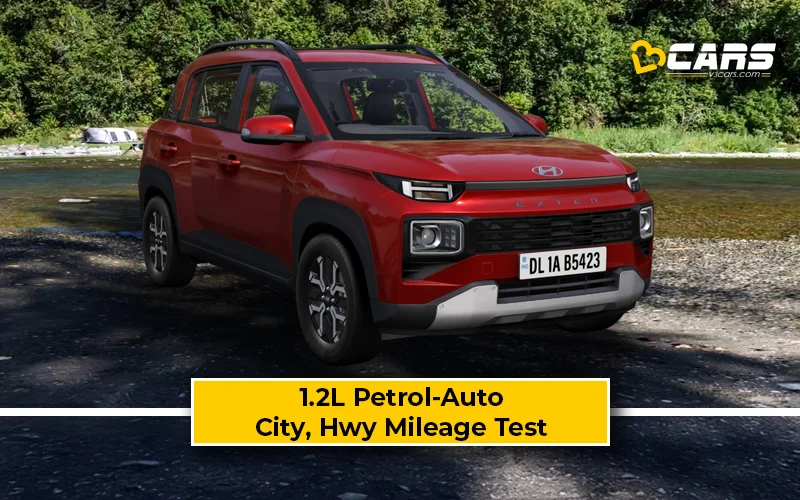
Hyundai Exter 1.2L Petrol-Auto Mileage Test: Real World City, Highway Fuel Efficiency
In this article, we’ll present the data based on V3Cars mileage test and inform you about what real-world fuel efficiency you can expect from the Hyundai Exter 1.2L petrol-automatic in city and highway driving conditions. We’ll also find out how much the mileage numbers deviate from the manufacturer-claimed fuel efficiency figures. The information presented in this article will also help you learn about the mileage differences you can expect when driving in the city vs driving on the highway.
Latest Videos
View All Car Latest Videos





Popular News
Mahindra Thar Roxx (Thar 5-door) Expected Price — #WithLogic (Updated: Jul 29)

5 Missing Features In Mahindra XUV700 Over Scorpio N

Top 5 Features Scorpio N Misses But The Tata Safari Gets
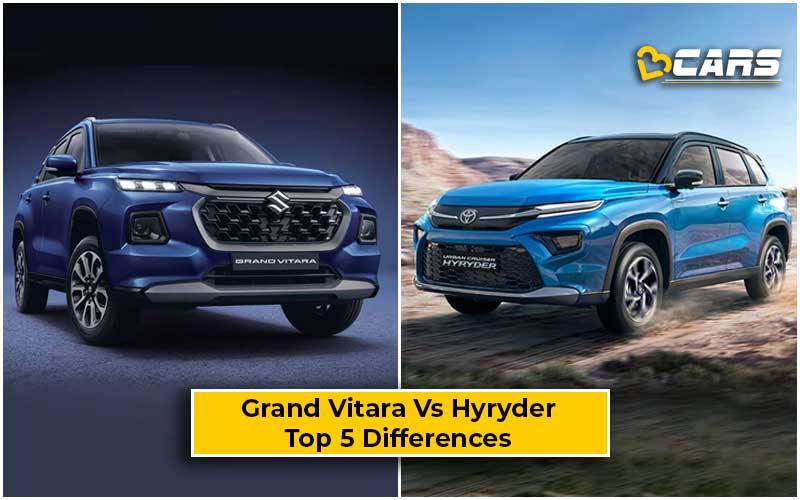
Top 5 Differences – Maruti Suzuki Grand Vitara Vs Toyota Urban Cruiser Hyryder
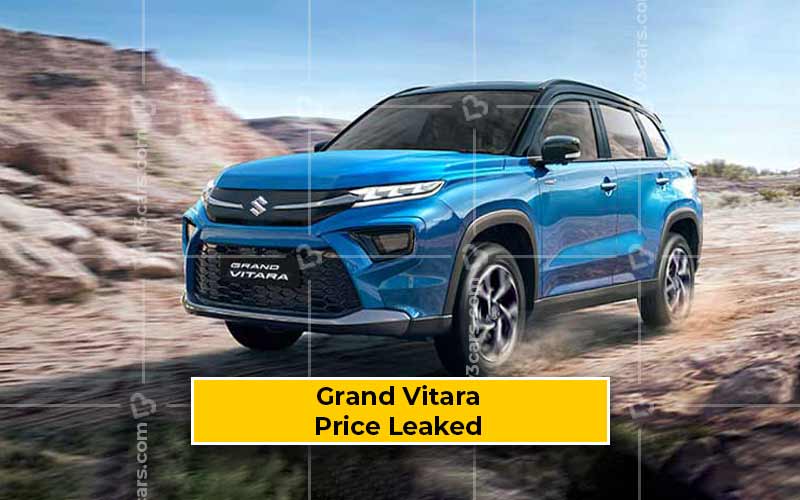
Maruti Suzuki Grand Vitara Ex-Showroom Price Leaked Ahead Of July 20 Debut

6 Missing Features In 2022 Hyundai Venue Facelift
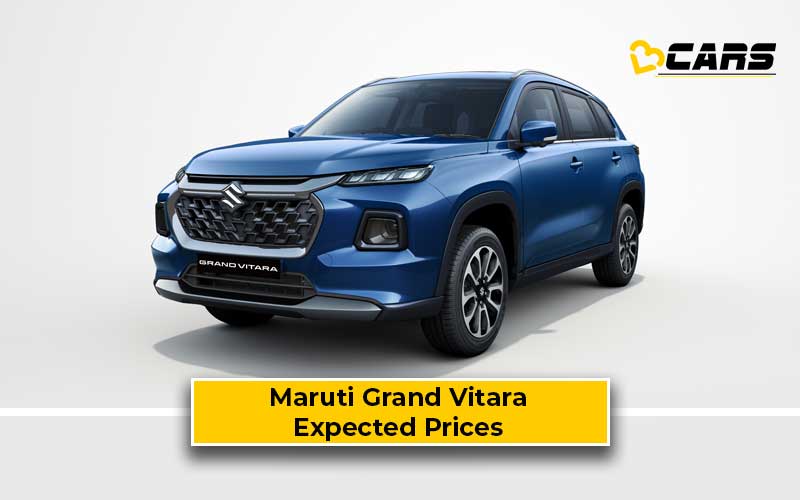
Maruti Suzuki Grand Vitara Expected Prices
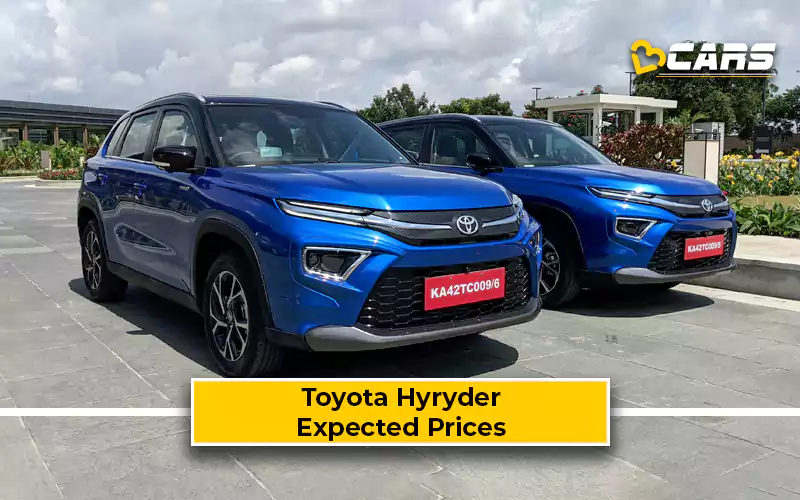
2022 Toyota Urban Cruiser Hyryder Expected Prices — Mild Hybrid, AWD And Mild Hybrid Auto
Kia Seltos Facelift Launch In 2023
2022 Mahindra Scorpio - First Teaser Drops Ft. Amitabh Bacchan
Updated Maruti Nexa Fronx Expected Price Calculation (Variant-wise) - With Logic

7 Missing Features In Hyundai Creta Over Toyota Urban Cruiser Hyryder
Latest Car News
PUC Certificate Validity Periods Revised Based On Vehicle Age And Emission Norms
Hyundai Neira EV Revealed As Kia Carens Clavis EV Twin – India Launch Yet To Be Confirmed
2026 Hyundai Verna Scores 5-Star Bharat NCAP Safety Rating
November 2026: Hyundai Creta EV Price Change - Increased By Up To Rs. 40,000
Tata Sierra EV Scores 5-Star Bharat NCAP Safety Rating
VinFast VF 5 – What To Expect From Upcoming Tata Nexon EV Rival?
Mini Cooper SE And Paul Smith Edition Bookings Open
Mahindra XEV 9S Scores 5-Star Bharat NCAP Safety Rating
2027 Audi A5 – What To Expect: Design, Features, Powertrain And Launch Timeline
JSW Motors Website Goes Live Ahead Of Combat SUV Debut
2027 Tata Nexon Spied With Curvv Alloy Wheels, New Front Design
Comments
0 comments