

 Upcoming CarsPopular CarsLatest CarsElectric Cars
Estimate costs and savings with our handy automotive calculators.
Simplify your car ownership journey with our buying, selling, and renewal tools.
Explore additional resources and comparisons for car enthusiasts.
Published : 17 September 2026
Read Time : 5 min
Author: Navneet Kumar
In this article, we’ll compare the Maruti Baleno Delta 1.2L petrol manual Vs Maruti Swift VXI (O) 1.2L petrol manual models to find out which one offers the best value for money over a 5-year ownership period. This is the most detailed comparison between the two cars. Here, we’ll compare the upfront ex-showroom prices, fuel costs, maintenance costs, dimensions, engine specs, and feature differences. Since we assign a monetary value to each aspect of the car, we can calculate their overall value for money. We can also tell you how much better one car’s value is than the other.

Note 1: In this Maruti Baleno vs Maruti Swift comparison Baleno Delta and Swift VXI (O) variants), each of the two cars will follow a red (Maruti Baleno) and blue (Maruti Swift) colour scheme. In some cases, having a lower cost is better (e.g. fuel cost), while in other cases, having a higher cost is favourable (e.g. feature differences). Wherever the red car is at an advantage, the difference in the monetary value will be mentioned in red. When the blue car has the upper hand, in that particular cell, the difference will have a blue shade. Thus, the final result is easy for you to crosscheck by simply adding up the red and blue values to find out which one is a better option.
Note 2: This article is divided into 2 main sections — cost of ownership and upfront value. Within the total cost of ownership, we’ll compare:
- Upfront on-road price differences
- 5-year/50,000km maintenance cost
- 5-year/50,000km fuel cost
In the upfront value section, we’ll cover:
- Dimensions
- Engine and performance specifications
- Feature differences
The final verdict section will merge the values from each of the 2 main sections and present the recommendation.
Let’s start with the ownership cost section.
Total Cost Of Ownership (TCO)
The first step towards comparing the Maruti Baleno Delta vs Maruti Swift VXI (O) total ownership costs is to start with their upfront cost.
Maruti Baleno Delta vs Maruti Swift VXI (O) — Price Comparison
The Maruti Baleno Delta costs Rs.6,000 more than the Maruti Swift VXI (O). Once you factor in the on-road price, the price gap increases to Rs.6,731, which might be significant for you as a buyer. Let’s see how this gap widens or narrows as we progress.
Maruti Baleno Delta vs Maruti Swift VXI (O) — 5-year Maintenance Cost Comparison
Official periodic maintenance costs for both the Maruti Baleno and Maruti Swift are available for comparison. According to the respective manufacturers’ periodic maintenance cost calculators, the Maruti Baleno Delta 1.2L will cost about Rs. 20,750 to maintain over 5 years or 50,000km, while the Maruti Swift 1.2L will cost about Rs. 20,450 over 5 years or 50,000km. Therefore, the Maruti Swift has an advantage of Rs. 300 over the Maruti Baleno in terms of periodic maintenance costs over the respective 5-year service schedules.
Maruti Baleno Delta vs Maruti Swift VXI (O) — 5-year Fuel Cost Comparison
Driving these cars for about 50,000km with a fuel cost assumption of Rs. 100 per litre will result in a fuel cost difference of about Rs. 8,471 in favour of the Maruti Swift. Of course, real-world fuel efficiency may vary, but to keep the comparison consistent, we’ve used only the ARAI mileage figures to arrive at these estimates.
Here, the Maruti Swift 1.2L has a higher ARAI mileage of 24.80kmpl compared with the Maruti Baleno 1.2L’s 23.80kmpl. As a result, the Swift is estimated to cost Rs. 2,01,613 in fuel over 50,000km, which is Rs. 8,471 less than the Baleno’s estimated fuel cost of Rs. 2,10,084.
Maruti Baleno Delta vs Maruti Swift VXI (O) — TCO Comparison Summary
In the TCO (total cost of ownership) comparison, we found that the Maruti Swift VXI (O) has an advantage over the Maruti Baleno Delta in terms of upfront cost, periodic maintenance costs and fuel cost over 50,000km. As a result, the Maruti Swift retains an advantage of Rs. 15,502 in the 5-year TCO, costing Rs. 10,07,580 compared with Rs. 10,23,082 for the Maruti Baleno Delta.
Upfront Value For Money
To estimate the upfront value for money of the Maruti Baleno Delta vs Maruti Swift VXI (O), we’ll first compare their dimensions and engine specifications to find out which car offers better value for money.
Then, before comparing the features of the Maruti Baleno Delta vs Maruti Swift VXI (O), we’ll first get the common features out of the way. We’ll then focus on the exclusive and unique features each car offers to find out which one delivers better value for money.
Maruti Baleno Delta vs Maruti Swift VXI (O) — Dimension Comparison
The Maruti Baleno Delta is longer and wider than the Maruti Swift VXI (O), with a 130mm advantage in length and a 10mm advantage in width. The Baleno also has a 10mm advantage in height, a 70mm longer wheelbase, 7mm more ground clearance and 53-litre larger boot space. Both cars have the same 37-litre fuel tank capacity, while the Baleno gets larger 185/65 R15 tyres compared to the Swift’s 165/80 R14 tyres. Overall, based on the size differences, the Maruti Baleno 1.2L Delta Manual has a total size value advantage of Rs. 53,650 over the Maruti Swift 1.2L VXI (O) Manual.
Maruti Baleno Delta vs Maruti Swift VXI (O) — Engine Specs Comparison
In terms of performance, the Maruti Baleno Delta and Maruti Swift VXI (O) use the same 1.2L petrol engine with a displacement of 1197cc. Both engines are 3-cylinder units and produce 112Nm of torque, although the Baleno delivers it at 4,500rpm compared with 4,300rpm in the Swift. The Baleno produces 83PS of power, giving it a 1PS advantage over the Swift, which produces 82PS. However, the Swift has a 2PS/t advantage in power-to-weight ratio and a 4Nm/t advantage in torque-to-weight ratio, owing to its 30kg lower kerb weight. Both cars use a 5-speed manual transmission and front-wheel-drive layout, while the Swift has a 1.00kmpl advantage in claimed mileage at 24.80kmpl versus 23.80kmpl in the Baleno.
We place greater emphasis on torque as it significantly influences everyday drivability, particularly in terms of acceleration and the engine's ability to deliver stronger pull at lower and mid-range engine speeds. In this comparison, both cars produce the same peak torque of 112Nm, so neither has an advantage in absolute torque output. However, the Swift's lower kerb weight gives it a higher torque-to-weight ratio of 122Nm/t compared with 118Nm/t in the Baleno.
Therefore, the Maruti Swift VXI (O) has an advantage over the Maruti Baleno Delta in this round, with a total engine value advantage of Rs. 3,668.
Maruti Baleno Delta vs Maruti Swift VXI (O) — Feature Comparison
Let’s now compare the Maruti Baleno Delta features with Maruti Swift VXI (O) to first see what’s common for these two cars and then find out what unique features they each bring to the table.
Maruti Baleno Delta vs Maruti Swift VXI (O) — Common Features
The Maruti Baleno Delta vs Maruti Swift VXI (O) offers the following notable common features:
Maruti Baleno Delta — Unique Features
The following list presents the Maruti Baleno Delta unique features, which are not available in the Maruti Swift VXI (O):
Maruti Swift VXI (O) — Unique Features
Likewise, the Maruti Swift VXI (O) also has the following features, which aren’t available in the Maruti Baleno Delta.
Maruti Baleno Delta vs Maruti Swift VXI (O) — VFM Comparison Summary
With a significantly richer feature set, the Maruti Baleno Delta takes the crown over the Maruti Swift with a net perceived value advantage of Rs. 76,052.
Now, let’s sum up the two main comparison headings and see which one offers better value and to what degree.
Also Read: Why Minor Scratches On Car Makes You Angry? Grow YOUR Wealth!
Note: If You Want to Buy a New Car, Calculate Car Loan EMI with V3Cars
Maruti Baleno Delta vs Maruti Swift VXI (O) — Verdict
In the total cost of ownership (TCO) section, the Maruti Swift 1.2L VXI (O) Manual takes the lead with a cost savings advantage of Rs. 15,502 over the Maruti Baleno 1.2L Delta Manual. However, the Maruti Baleno 1.2L Delta Manual has a significantly higher value-for-money (VFM) advantage of Rs. 76,052.
Hence, the final winner in this comparison is the Maruti Baleno Delta, with a net overall value advantage of Rs. 60,550 over the Maruti Swift VXI (O).
If you manage to get a discount on one of these vehicles, then you can use this net value in your calculations. This will help you find out whether the Maruti Baleno Delta or Maruti Swift VXI (O) is offering a better value proposition after factoring in the prevailing discounts.
To learn how you can get discounts when buying a new car, you can refer to the following article and use them to sharpen your bargaining skills:
Also Read: Volkswagen Virtus Highline Plus Vs Hyundai Verna HX6 Plus - Which One To Buy?
Nissan Tekton Acenta Vs Renault Duster Evolution - Which One To Buy?
How To Get The Best Discount On Buying New Car (11 Tips)
Note: Calculate Car Fuel Cost with V3Cars for India and Other Countries
Did you find this information helpful?

Web Content Writer


Navneet is drawn to systems that work with clarity and purpose—clean, efficient, and built to last. He values solutions that feel intuitive and seamless, even if the effort behind them is anything but simple.
Car News Update
View All Latest News
Hyundai Neira EV Revealed As Kia Carens Clavis EV Twin – India Launch Yet To Be Confirmed
Hyundai have unveiled the production-spec Neira EV, a 7-seater electric MPV for the Indonesian market. The new model is a badge-engineered sibling of the Kia Carens Clavis EV sold in India, sharing its overall design, lighting elements and features. Hyundai will showcase the Neira at the 2026 Gaikindo Auto Week (GJAW), scheduled to take place in Indonesia from November 20 to 29.

2026 Hyundai Verna Scores 5-Star Bharat NCAP Safety Rating
The 2026 Hyundai Verna has secured a 5-star Bharat NCAP safety rating for both adult and child occupant protection. The sedan scored 28.22 points out of 32 in adult occupant protection (AOP) and 44 points out of 49 in child occupant protection (COP).
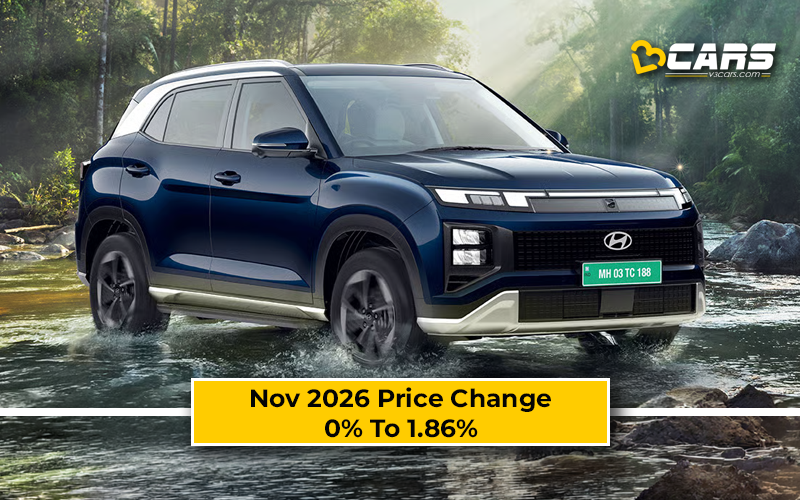
November 2026: Hyundai Creta EV Price Change - Increased By Up To Rs. 40,000
Hyundai have revised the prices of the Creta EV for November 2026. The Smart (O) and Excellence variants with the 51.4kWh battery pack have received a price hike of Rs. 40,000 each, while the prices of the remaining variants are unchanged.

Tata Sierra EV Scores 5-Star Bharat NCAP Safety Rating
The Tata Sierra EV has secured a 5-star safety rating in Bharat NCAP crash tests, scoring 30.62 points out of 32 for adult occupant protection and 45 points out of 49 for child occupant protection. The crash tests were conducted using the top-spec Empowered A 75kWh QWD variant. However, the safety rating applies to all variants of the electric SUV.

VinFast VF 5 – What To Expect From Upcoming Tata Nexon EV Rival?
VinFast have confirmed plans to launch the VF 5 electric SUV in India. The upcoming model will become the Vietnamese carmaker’s most affordable offering in the country and is expected to compete against the Tata Nexon EV and other B2-segment electric SUVs. The India-bound model is expected to be the recently revealed VF 5 facelift, which gets revised exterior styling, a more practical cabin and larger battery options.

Mini Cooper SE And Paul Smith Edition Bookings Open
Mini India have opened pre-launch bookings for the all-electric Mini Cooper SE and the new Mini Paul Smith Edition. Prices, variant-wise details and launch timelines are yet to be announced.

Mahindra XEV 9S Scores 5-Star Bharat NCAP Safety Rating
The Mahindra XEV 9S has secured a 5-star safety rating in the Bharat New Car Assessment Programme (Bharat NCAP) crash tests. The 3-row electric SUV scored 31.15 out of 32 points for Adult Occupant Protection (AOP) and 45 out of 49 points for Child Occupant Protection (COP), earning the highest 5-star rating in both categories.

2027 Audi A5 – What To Expect: Design, Features, Powertrain And Launch Timeline
The new-generation Audi A5 was spotted testing in India ahead of its expected launch in February 2027. The A5 will replace the A4 in Audi India’s lineup and compete against the BMW 3 Series and Mercedes-Benz C-Class. It will be locally assembled as part of Audi’s 3-model launch programme for India.

JSW Motors Website Goes Live Ahead Of Combat SUV Debut
JSW Motors have launched their official website ahead of the brand’s debut in India on December 3, 2026. The website allows prospective buyers to register their interest in the company’s first SUV, the Combat, which is expected to be unveiled on December 4. However, the company is not accepting bookings yet.
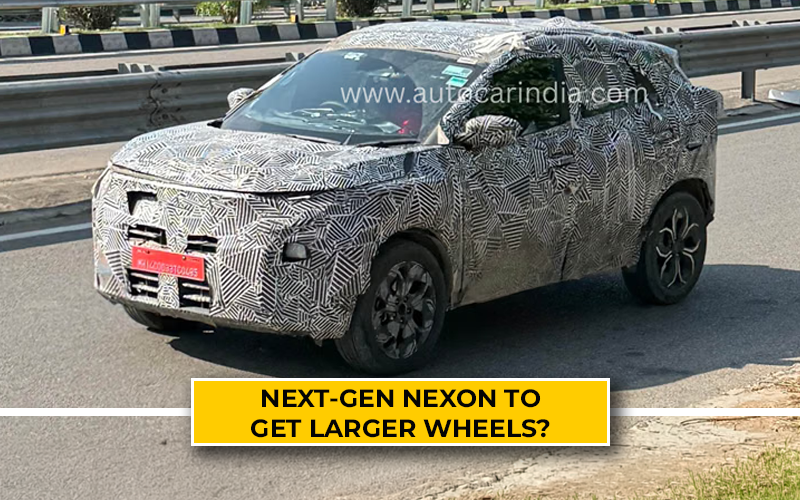
2027 Tata Nexon Spied With Curvv Alloy Wheels, New Front Design
The next-generation Tata Nexon was spotted testing again, revealing more details about its exterior design and features. Codenamed ‘Garud’, the new Nexon is expected to debut in 2027 with a redesigned exterior and interior. The latest spy shots reveal Curvv-like alloy wheels, rear disc brakes, a front radar module and a new rear windscreen design. Interior spy shots have also hinted at 2 freestanding displays.

Upcoming Cars In November 2026 - Mercedes-Benz GLC Electric, Denza, Mini & BMW
The Indian car market is set to see several new launches in November 2026, with luxury electric cars and performance models making up much of the upcoming lineup.

Toyota Innova Hycross Facelift Teased Ahead Of November 25 Launch
Toyota have released the first teaser of the updated Innova Hycross ahead of its India launch on November 25, 2026. The teaser reveals redesigned headlamps with new LED daytime running lights (DRLs).
Expert Car Reviews
View All Car Reviews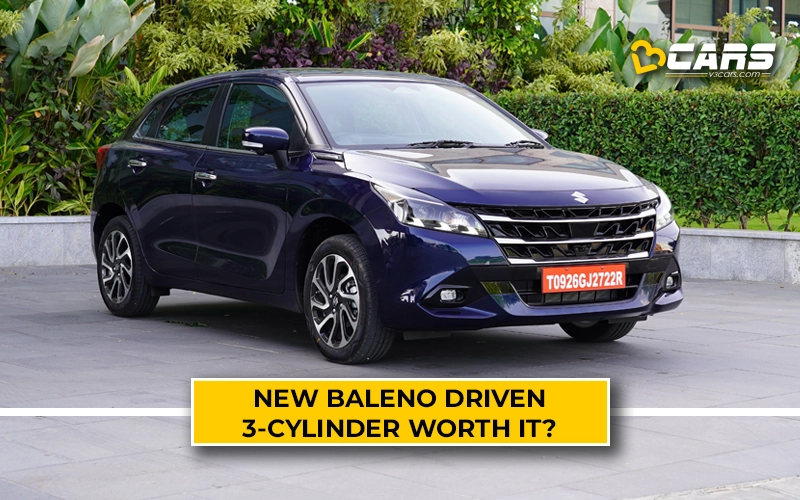
2026 Maruti Baleno Facelift Photo Gallery - Design, Features And Drive Review
The 2026 Maruti Baleno facelift gets a new 1.2L 3-cylinder petrol engine, level 2 ADAS and ventilated front seats. We drove it to see whether the new engine and added features make up for the loss of the old 4-cylinder’s refinement.
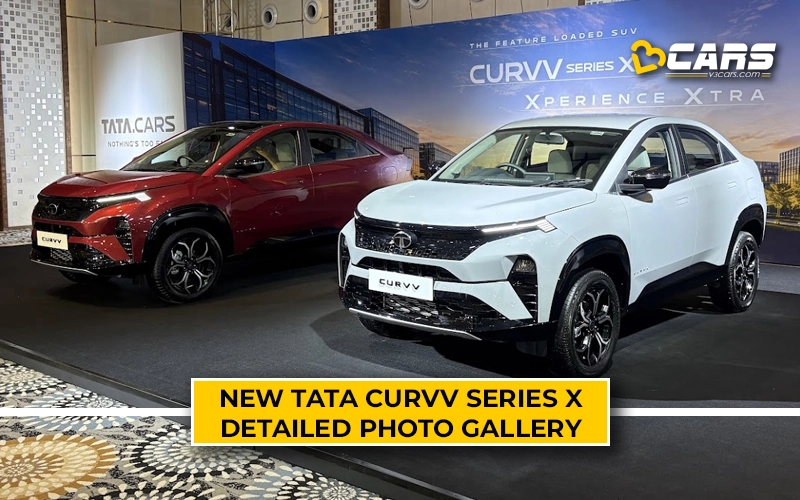
2026 Tata Curvv Series X Photo Gallery - Exterior, Interior And Features
Tata have launched the 2026 Curvv Series X with a simpler variant lineup and several features moved further down the range. We got a closer look at the new Curvv Series X, including the Pure X Plus and Creative X Plus variants. In this detailed photo gallery, we take you through their exterior differences, interior, features, rear-seat space and the construction of Tata’s R-Comfort seats.
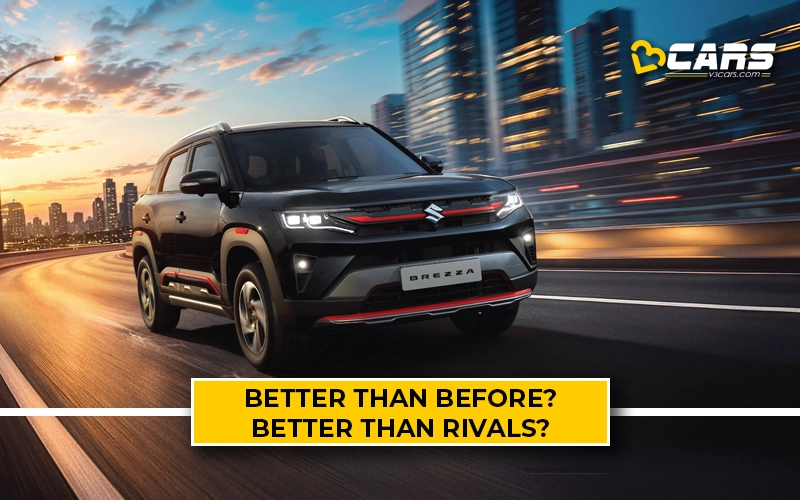
2026 Maruti Brezza Facelift Worth Buying?
The 2026 Maruti Brezza adds a 1.0L turbo petrol engine, more features and a 5-star Bharat NCAP rating. Its underbody CNG cylinder also frees up the full 328L boot. However, not every powertrain and variant offers equally strong value. We explain which Brezza to buy and when a rival makes more sense.
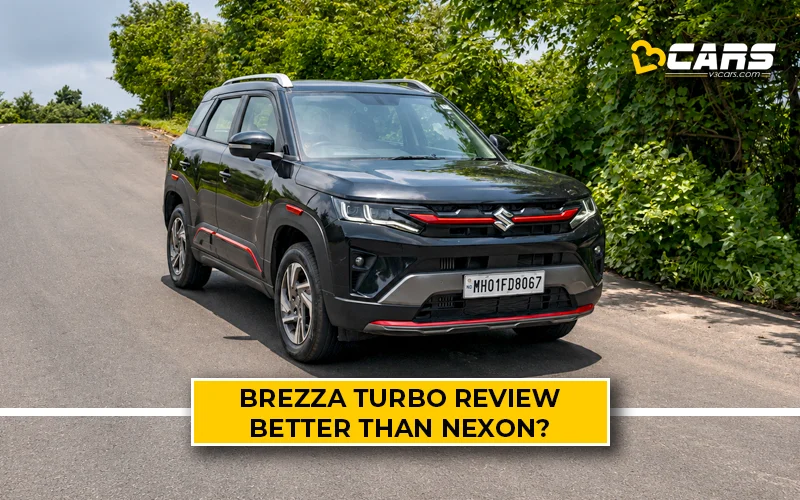
2026 Maruti Arena Brezza 1.0L Turbo Manual First Drive Review
We drove the 2026 Maruti Arena Brezza with its new 1.0L turbo petrol engine and 6-speed manual transmission. We covered roughly 50km over about 2 hours at speeds representative of typical city driving. Here are my impressions of its performance, refinement, mileage, highway manners, ride and everyday usability.
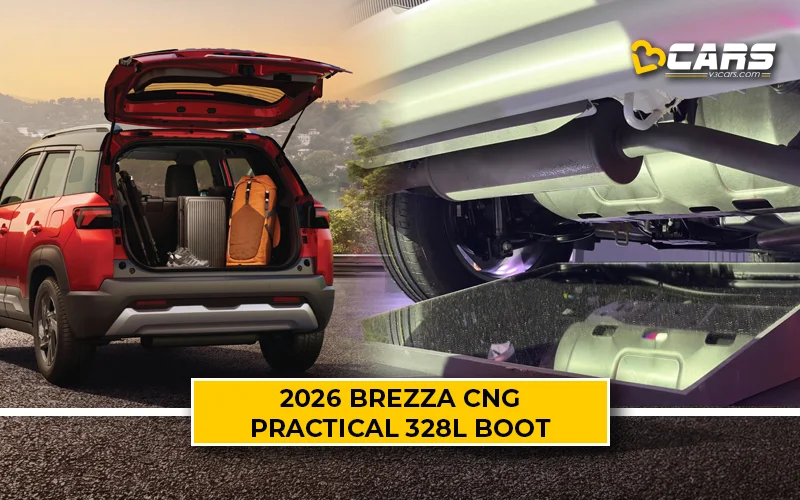
2026 Maruti Brezza CNG 328L Boot Space Explained
The 2026 Maruti Brezza CNG now has its cylinder mounted below the body, allowing it to retain the petrol version’s full 328L boot space. We examine the practical improvement, dimensions, ground clearance and boot-related features offered with each CNG variant.
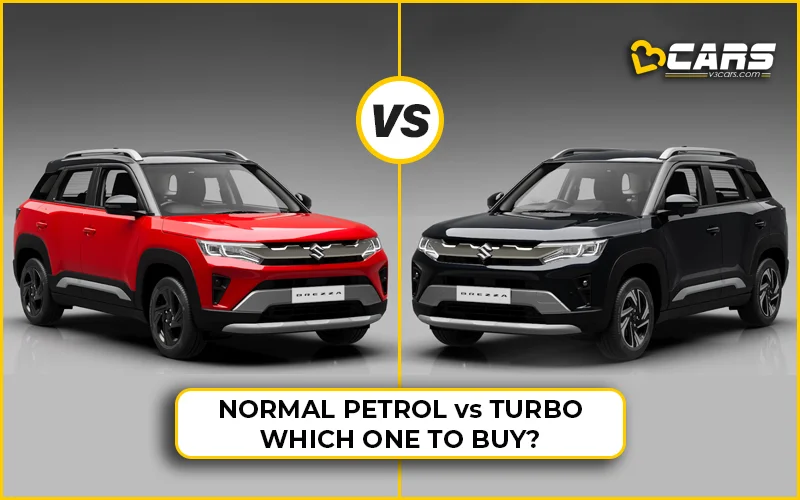
2026 Maruti Brezza 1.0L Turbo Vs 1.5L Petrol - Which One To Buy?
The 2026 Maruti Brezza offers a new 1.0L turbo petrol engine alongside the familiar 1.5L normal petrol. Both engines come with a new 6-speed manual transmission. The smaller turbo costs less and offers more power, torque and features, while the 1.5L petrol claims better mileage. We compare the 2 to determine which Brezza petrol-manual makes more sense.
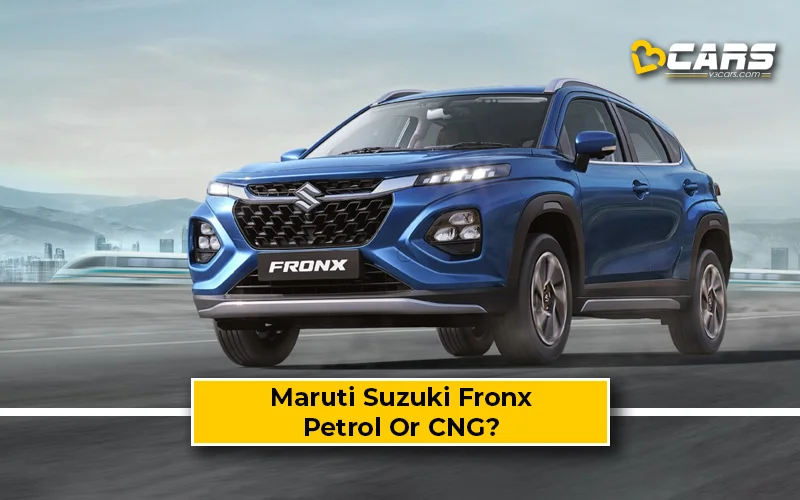
Maruti Arena Fronx Petrol Vs CNG Mileage And Running Cost
If you’re wondering whether to buy the Maruti Suzuki Fronx petrol or CNG, this article will help you make a data-backed decision. We compare the latest ex-showroom prices, official mileage figures and current fuel prices in Delhi to calculate the running cost difference between the Fronx petrol and CNG variants. We also calculate how many kilometres you need to drive the Fronx CNG to recover its higher upfront cost over the petrol variant.
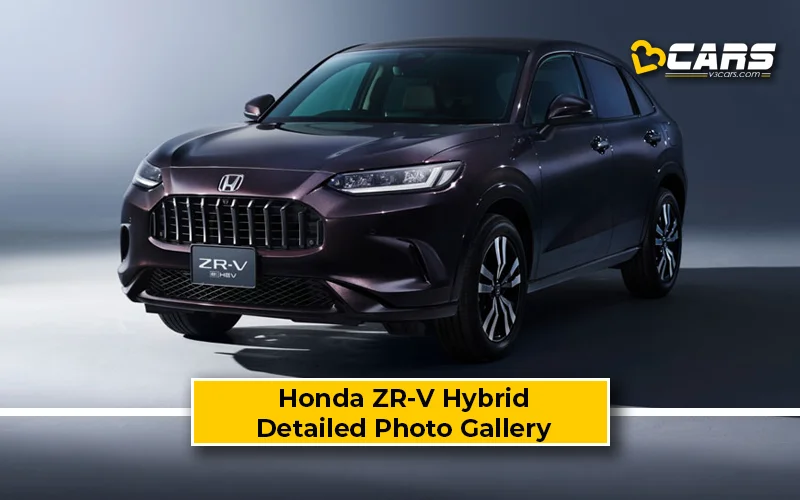
2026 Honda ZR-V Hybrid Photo Gallery
The 2026 Honda ZR-V Hybrid is set to launch in India as Honda’s new flagship SUV on May 22, 2026. Positioned above the Elevate, the ZR-V will rival premium SUVs like the Volkswagen Tiguan R-Line and Skoda Kodiaq with its strong hybrid powertrain, premium interior and advanced features. In this detailed photo gallery, we take a closer look at the ZRV Hybrid’s design, cabin, practicality, safety features and hybrid technology.
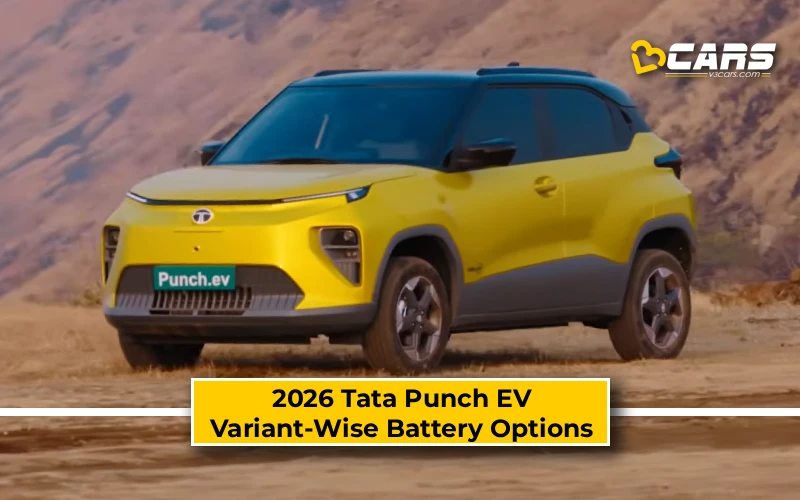
2026 Tata Punch EV Variant-Wise Powertrain Options – Battery, Range & Specifications
The 2026 Tata Punch EV is available with multiple battery pack and motor configurations, giving buyers the flexibility to choose between affordability and longer driving range. Depending on the variant, the new Punch EV offers different power outputs, battery capacities and claimed range. In this article, we break down the 2026 Punch EV’s variant-wise powertrain options and check out which variants get the 30kWh and 40kWh battery packs, along with their performance specifications, so you can pick the variant that best suits your needs.
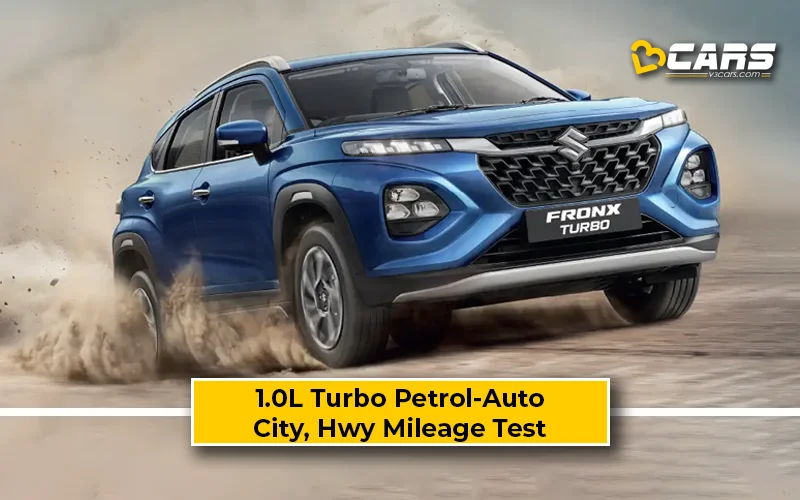
Maruti Fronx 1.0L Turbo Petrol-Auto Mileage Test: Real World City, Highway Fuel Efficiency
In this article, we’ll present the data based on V3Cars mileage test and inform you about what real-world fuel efficiency you can expect from the Maruti Fronx 1.0L turbo petrol-automatic in city and highway driving conditions. We’ll also find out how much the mileage numbers deviate from the manufacturer-claimed fuel efficiency figures. The information presented in this article will also help you learn about the mileage differences you can expect when driving in the city vs driving on the highway.
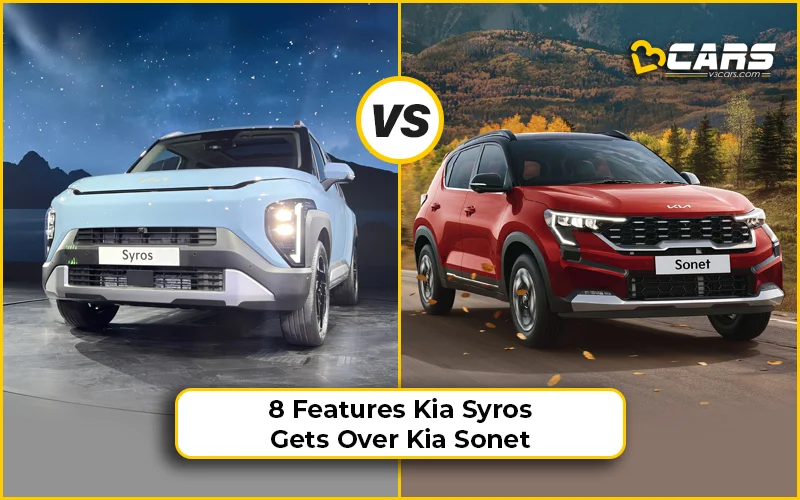
10 Features New Kia Syros Gets Over Kia Sonet
Kia unveiled their all-new B2-segment SUV, the 2025 Syros, on December 19, 2024. While Kia India are yet to reveal the variant-wise prices of the 2025 Syros, it is expected to slot in between the Sonet B2-SUV and Seltos C-SUV.
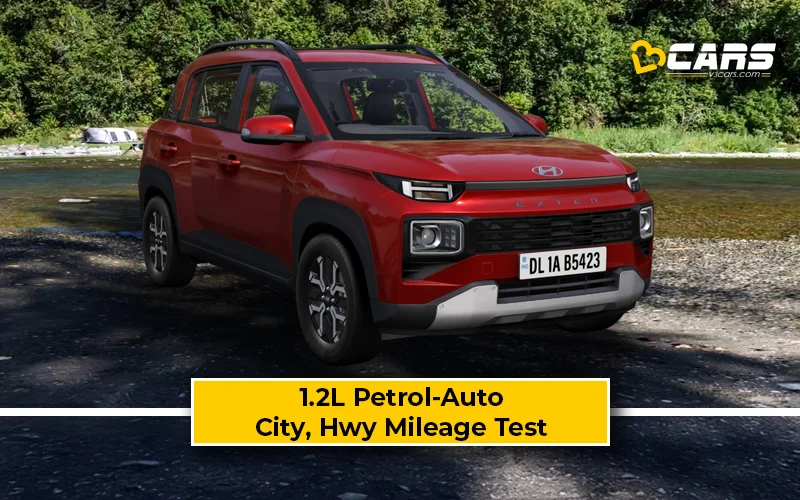
Hyundai Exter 1.2L Petrol-Auto Mileage Test: Real World City, Highway Fuel Efficiency
In this article, we’ll present the data based on V3Cars mileage test and inform you about what real-world fuel efficiency you can expect from the Hyundai Exter 1.2L petrol-automatic in city and highway driving conditions. We’ll also find out how much the mileage numbers deviate from the manufacturer-claimed fuel efficiency figures. The information presented in this article will also help you learn about the mileage differences you can expect when driving in the city vs driving on the highway.
Latest Videos
View All Car Latest Videos

Upcoming Cars In India
View All Upcoming Cars




Popular News
Mahindra Thar Roxx (Thar 5-door) Expected Price — #WithLogic (Updated: Jul 29)

5 Missing Features In Mahindra XUV700 Over Scorpio N

Top 5 Features Scorpio N Misses But The Tata Safari Gets
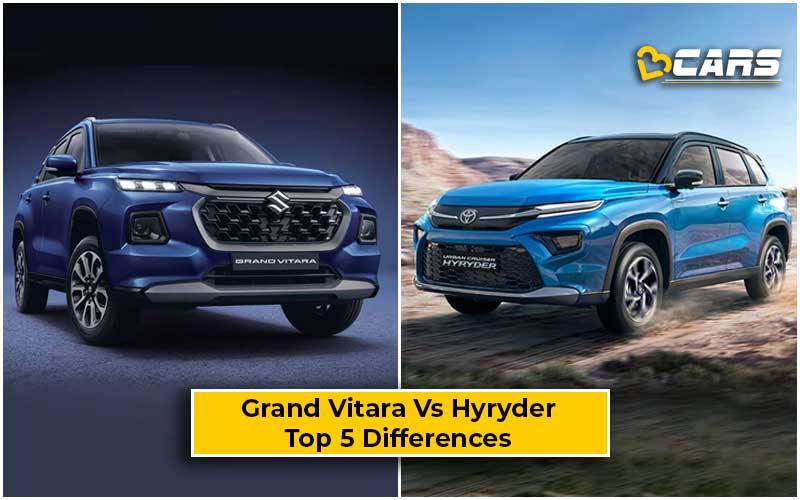
Top 5 Differences – Maruti Suzuki Grand Vitara Vs Toyota Urban Cruiser Hyryder
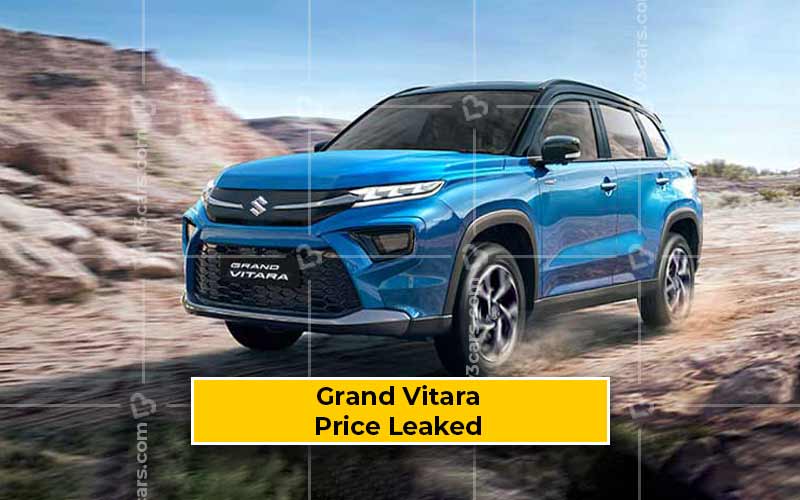
Maruti Suzuki Grand Vitara Ex-Showroom Price Leaked Ahead Of July 20 Debut

6 Missing Features In 2022 Hyundai Venue Facelift
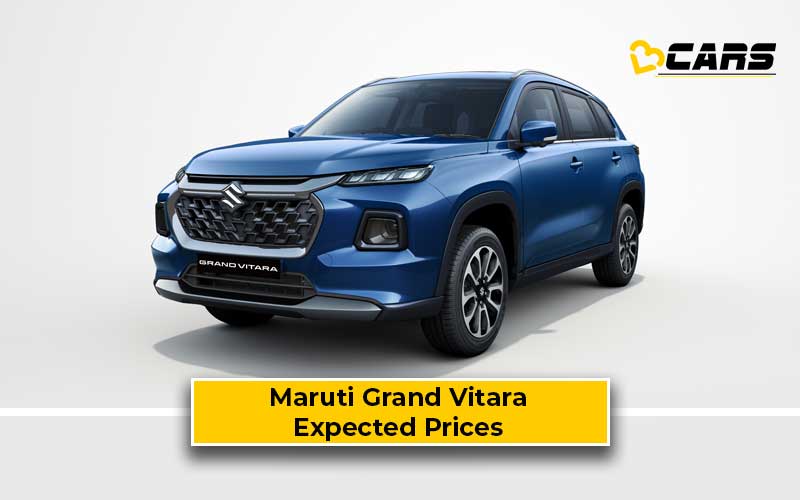
Maruti Suzuki Grand Vitara Expected Prices
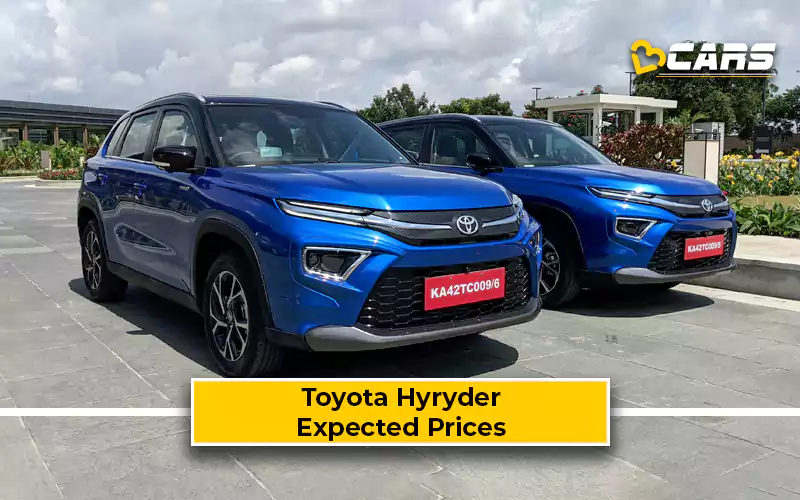
2022 Toyota Urban Cruiser Hyryder Expected Prices — Mild Hybrid, AWD And Mild Hybrid Auto
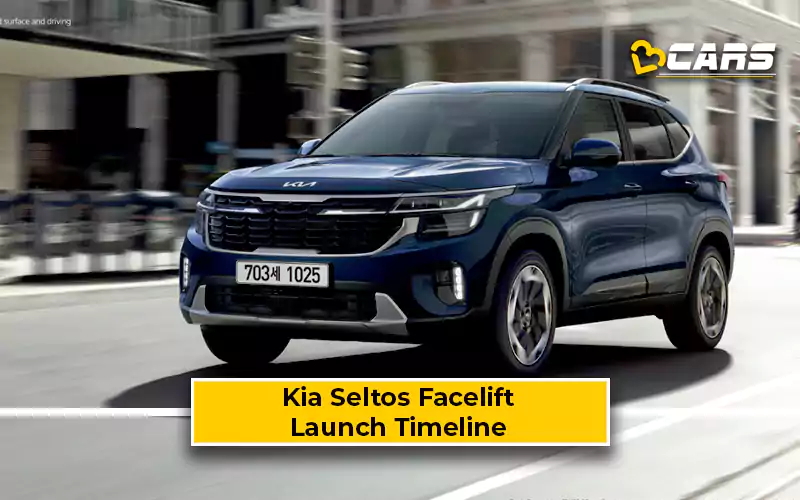
Kia Seltos Facelift Launch In 2023

2022 Mahindra Scorpio - First Teaser Drops Ft. Amitabh Bacchan
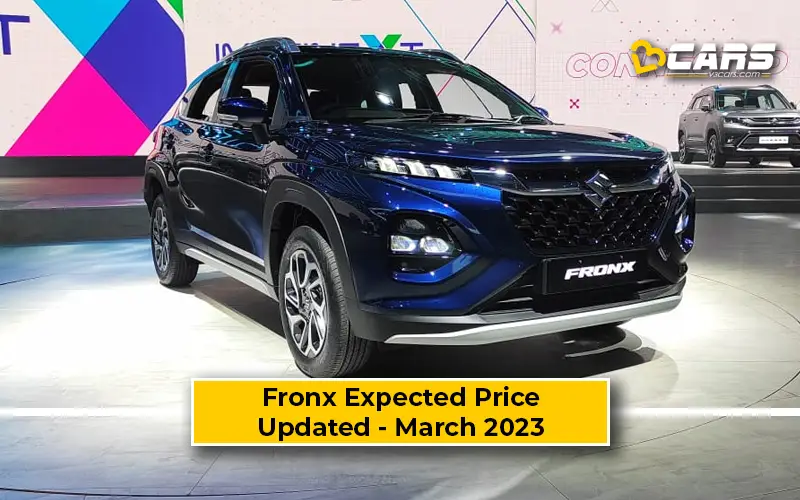
Updated Maruti Nexa Fronx Expected Price Calculation (Variant-wise) - With Logic

7 Missing Features In Hyundai Creta Over Toyota Urban Cruiser Hyryder
Latest Car News
Hyundai Neira EV Revealed As Kia Carens Clavis EV Twin – India Launch Yet To Be Confirmed
2026 Hyundai Verna Scores 5-Star Bharat NCAP Safety Rating
November 2026: Hyundai Creta EV Price Change - Increased By Up To Rs. 40,000
Tata Sierra EV Scores 5-Star Bharat NCAP Safety Rating
VinFast VF 5 – What To Expect From Upcoming Tata Nexon EV Rival?
Mini Cooper SE And Paul Smith Edition Bookings Open
Mahindra XEV 9S Scores 5-Star Bharat NCAP Safety Rating
2027 Audi A5 – What To Expect: Design, Features, Powertrain And Launch Timeline
JSW Motors Website Goes Live Ahead Of Combat SUV Debut
2027 Tata Nexon Spied With Curvv Alloy Wheels, New Front Design
Upcoming Cars In November 2026 - Mercedes-Benz GLC Electric, Denza, Mini & BMW
Comments
0 comments