

 Upcoming CarsPopular CarsLatest CarsElectric Cars
Estimate costs and savings with our handy automotive calculators.
Simplify your car ownership journey with our buying, selling, and renewal tools.
Explore additional resources and comparisons for car enthusiasts.
Published : 04 July 2026
Read Time : 5 min
Author: Nikil Jonathan
If you've ever looked underneath an SUV or off-road vehicle, you have probably noticed a thick metal or composite panel protecting various mechanical components. This is known as a skid plate.

While automotive skid plates are standard equipment on many SUVs and pickup trucks, they are also becoming increasingly common on crossovers and even some hatchbacks sold in India. But are they actually useful for everyday driving, or are they only meant for serious off-roading?
In this guide, we explain what are skid plates on a car, the different types available, their advantages and disadvantages, and whether installing one is worth the investment.
What Is A Skid Plate?
A car skid plate is a protective panel mounted underneath a vehicle to shield mechanical components from damage caused by rocks, speed breakers, potholes and other road obstacles.
Instead of allowing the impact to directly hit expensive components, the skid plate absorbs or deflects the force.
Depending on the vehicle, skid plates protect:
- Engine oil sump
- Transmission
- Transfer case
- Front differential
- Rear differential
- Fuel tank
- Exhaust system
- Battery pack (EVs)
- Steering components
Most car skid plates are installed at the front because this area houses important components such as the engine and transmission. Many SUVs come equipped with a front skid plate to protect them from damage while driving over rough roads or trails.
What Are Skid Plates On A Car Made Of?
Automotive skid plates are available in several materials, each offering different levels of protection.
1. Steel Skid Plates
Steel is the strongest and most commonly used material on hardcore off-road vehicles. It is extremely durable, relatively affordable and offers excellent impact resistance. However, it also makes the vehicle heavy, which can slightly affect your car’s mileage. It is also prone to rust if not properly coated. Steel skid plates are ideal for frequent off-road use.
2. Aluminium Skid Plates
Many premium SUVs now use aluminium instead of steel. They are much lighter, rust-resistant and offers good strength. However, they are more expensive and can dent more easily. Aluminium offers an excellent balance between weight and protection.
3. Composite Or Plastic Skid Plates
Most small and compact SUVs based on monocoque platforms use composite materials for their skid plates. They are very lightweight, corrosion-free and weigh less than steel or aluminium skip plates. However, they are not suitable for serious off-roading, offer lower impact resistance and can crack under heavy impacts. These are generally offered in mass-market compact SUVs and hatchbacks as an aesthetic addition rather than a functional one.
Types Of Automotive Skid Plates
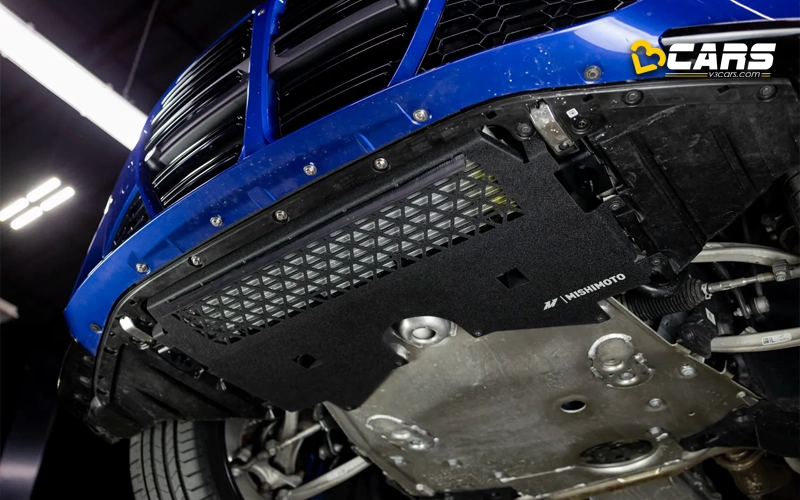
Not every skid plate protects the same component. Depending on the vehicle, manufacturers may install one or several of the following.
Engine Skid Plate
The most common front skid plate, protecting the engine oil sump and lower engine components. This is particularly useful in India, where deep potholes, broken roads and oversized speed breakers are common.
Transmission Skid Plate
Protects the gearbox from rocks and road debris. More commonly found on SUVs with 4-wheel-drive systems.
Transfer Case Skid Plate
Found mainly on 4WD vehicles, it protects the transfer case that distributes power between the front and rear axles.
Fuel Tank Skid Plate
Protects the fuel tank against punctures during off-road driving. It is useful for SUVs regularly driven over rocky terrain.
Differential Skid Plate
Shields the front or rear differential housing from impacts. It is mostly found on body-on-frame SUVs.
Battery Skid Plate (Electric Vehicles)
Electric vehicles feature a large battery pack mounted underneath the floor.
Manufacturers may install reinforced aluminium or steel plates to protect the battery from impacts.
Benefits Of A Car Skid Plate
Installing a quality car skid plate offers several advantages.
Protects Expensive Components: A damaged oil sump, gearbox or battery pack can cost thousands, or even lakhs, of rupees to repair. A skid plate acts as the first line of defence.
Better Off-Road Capability: Off-road driving often involves rocks, gravel, tree roots, uneven terrain and water crossings A skid plate allows the vehicle to slide over obstacles without damaging vital components.
Peace Of Mind On Indian Roads: Even if you never go off-road, Indian roads can present plenty of hazards, including large potholes, broken concrete, construction debris and abnormally high speed breakers. A skid plate reduces the chances of underbody damage.
Disadvantages Of Skid Plates
Despite their benefits, skid plates aren't perfect.
Increased Weight: Steel skid plates can add anywhere between 15kg and 40kg depending on coverage. This can marginally reduce mileage and performance.
Higher Maintenance Time: Mechanics may need to remove the skid plate before performing oil changes, gearbox servicing and underside inspections This can increase labour time and cost.
Added Cost: Factory-fitted skid plates are usually reasonably priced. However, aftermarket heavy-duty skid plates can cost anywhere from Rs. 5,000 to over Rs. 40,000 depending on the vehicle and material.
False Sense Of Security: A skid plate protects against impacts, not misuse. Driving aggressively over large rocks or deep obstacles can still damage suspension, steering or chassis components.
Do All Cars Need A Skid Plate?
Not necessarily. If your car is primarily driven inside cities, on highways or on well-maintained roads, a heavy-duty aftermarket skid plate may not be necessary. However, if you frequently drive on rural roads, broken highways, mountain roads, construction zones and off-road trails, a skid plate can prove to be a worthwhile investment.
Are Factory-Fitted Skid Plates Enough?
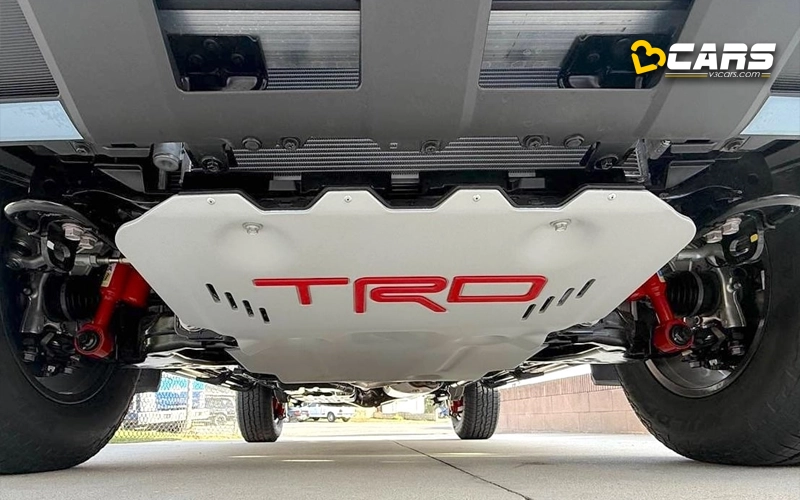
For most owners, yes. Manufacturers typically design factory skid plates to suit the intended use of the vehicle. Urban hatchbacks usually don't require heavy-duty protection while most compact SUVs receive basic underbody protection. Dedicated off-road SUVs generally get stronger steel or aluminium skid plates. Only enthusiasts who regularly tackle challenging off-road terrain may benefit from upgrading to thicker aftermarket skid plates.
Can You Install An Aftermarket Skid Plate?
Yes. Several aftermarket companies offer vehicle-specific skid plates for popular SUVs and pickup trucks. When choosing one, ensure that:
- It doesn't interfere with suspension movement.
- It doesn't reduce ground clearance excessively.
- It includes proper ventilation for engine cooling.
- It allows easy access for routine servicing.
Avoid universal skid plates that require extensive modifications unless installed by an experienced workshop.
Which Cars In India Come With Factory-Fitted Skid Plates?
Several SUVs sold in India offer underbody protection either as standard or on higher variants.
Examples include:
- Mahindra Thar
- Mahindra Scorpio N
- Mahindra Bolero Neo
- Tata Harrier
- Tata Safari
- Tata Sierra
- Tata Punch (decorative)
- Toyota Fortuner
- Isuzu D-Max V-Cross
- Jeep Compass Trail Edition
- Maruti Suzuki Jimny
- Force Gurkha
It's worth noting that not every visible silver panel under the bumper is a functional skid plate. On many passenger cars, the exposed silver trim is purely cosmetic and offers little or no impact protection.
Should You Buy A Skid Plate?
If your driving mostly involves city commutes and highways, the factory underbody protection fitted by the manufacturer is generally sufficient. However, buyers who frequently drive on poor roads, visit hilly regions, or enjoy off-road adventures should consider getting a high-quality automotive skid plate. Compared to the cost of repairing an engine sump, gearbox or EV battery pack, a skid plate is a relatively inexpensive form of insurance.
For most Indian buyers, a front skid plate offers the greatest benefit, as the engine and transmission are the components most likely to encounter impacts from poorly maintained roads and oversized speed breakers.
Frequently Asked Questions (FAQs)
What are skid plates on a car?
Skid plates are protective panels fitted underneath a vehicle to shield critical components such as the engine, transmission, fuel tank and battery pack from impacts.
Is a front skid plate useful for city driving?
Yes. A front skid plate can help protect the engine and oil sump from damage caused by potholes, broken roads and tall speed breakers.
Do all SUVs come with skid plates?
No. While many SUVs feature skid plates, some only offer cosmetic silver cladding that resembles a skid plate without providing meaningful protection.
Are aftermarket skid plates better than factory ones?
Heavy-duty aftermarket skid plates generally offer better protection for serious off-road use. However, for everyday driving, factory-fitted skid plates are usually sufficient.
Can a skid plate reduce ground clearance?
A well-designed vehicle-specific skid plate has minimal impact on ground clearance. Poorly designed aftermarket units, however, may hang lower and reduce clearance.
Also Read: Terrain Modes In Cars Explained – What Are They And How Do They Work?
Before you finalise your next car, these V3Cars tools can help you make a more informed decision:
Fuel Cost Calculator for Cars – Know your monthly fuel expense based on usage and mileage
Car On-Road Price Calculator – Convert ex-showroom to on-road price for any city
Sell Used Car Online – Enter your car and contact details to get an instant price estimate and book a free inspection with our partner network
Did you find this information helpful?

Content Writer
Nikil's a huge fan of classic cars, especially Italian beauties such as the Alfa Romeo Giulia Sprint and the Iso Grifo. His love for cars and bikes originated when he first laid his eyes on a poster of the Ferrari F40 and the MV Agusta F4 when he was just a child. He also loves all things analogue, especially vintage cameras and turntables.
Car News Update
View All Latest News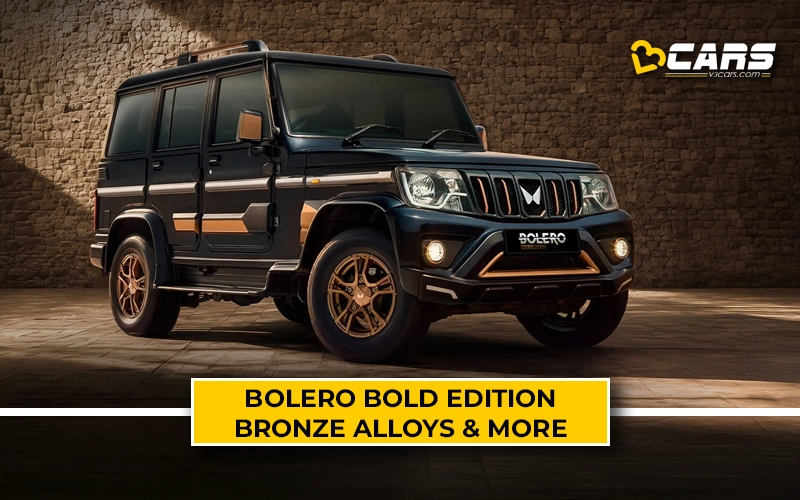
Mahindra Bolero Bold Edition Revealed With Bronze Accents And Rear Camera
Mahindra have revealed the 2026 Bolero Bold Edition, which adds bronze exterior accents, revised seat upholstery and a reversing camera. Offered through an accessories package, the Bold Edition’s pricing remains undisclosed.
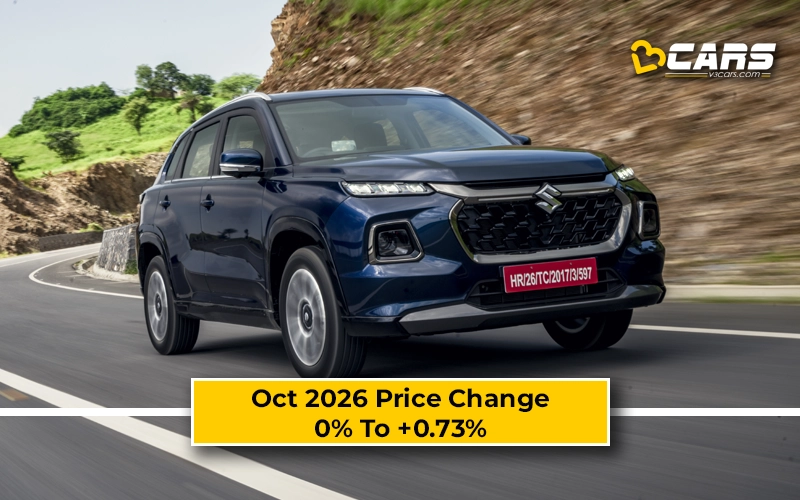
October 2026: Maruti Suzuki Grand Vitara Price Change - Hiked By Up To 10k
Maruti Suzuki have increased the prices of the 2026 Grand Vitara by up to Rs. 10,000. The Zeta variant with the 1.5L normal petrol-manual powertrain received the highest percentage price hike of 0.73%. The Alpha variant with the same powertrain and the Zeta and Alpha variants with the 1.5L normal petrol-automatic powertrain also became costlier by Rs. 10,000. Meanwhile, the Delta and Zeta variants with the 1.5L normal CNG-manual powertrain received a price hike of Rs. 5,000. The prices of all other variants remain unchanged. Following the price revision, the Grand Vitara’s ex-showroom prices range from Rs. 10.77 lakh to Rs. 19.62 lakh.
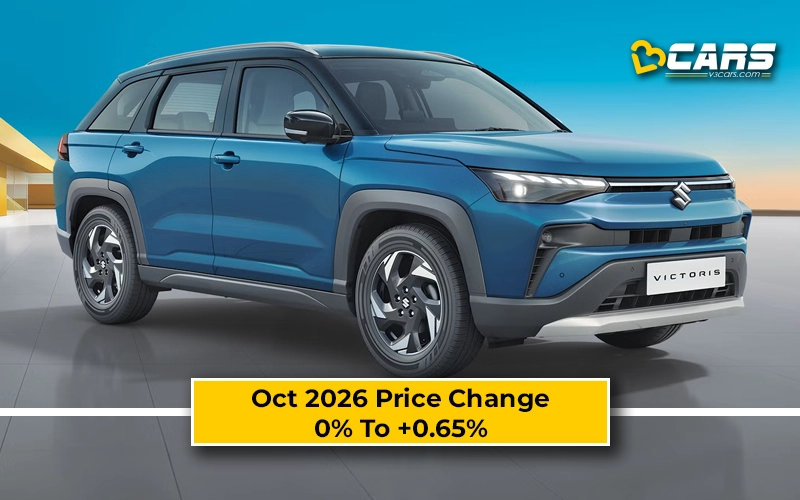
October 2026: Maruti Suzuki Victoris Price Change - Hiked By Up To 10k
Maruti Suzuki have increased the prices of the 2026 Victoris by up to Rs. 10,000. The ZXI Plus variant with the 1.5L normal petrol-manual powertrain received the highest percentage price hike of 0.65%. The ZXI Plus variant with the 1.5L normal petrol-automatic powertrain also became costlier by Rs. 10,000, while the prices of all other listed variants remain unchanged. Following the price revision, the Victoris’s ex-showroom prices range from Rs. 10.50 lakh to Rs. 19.99 lakh.
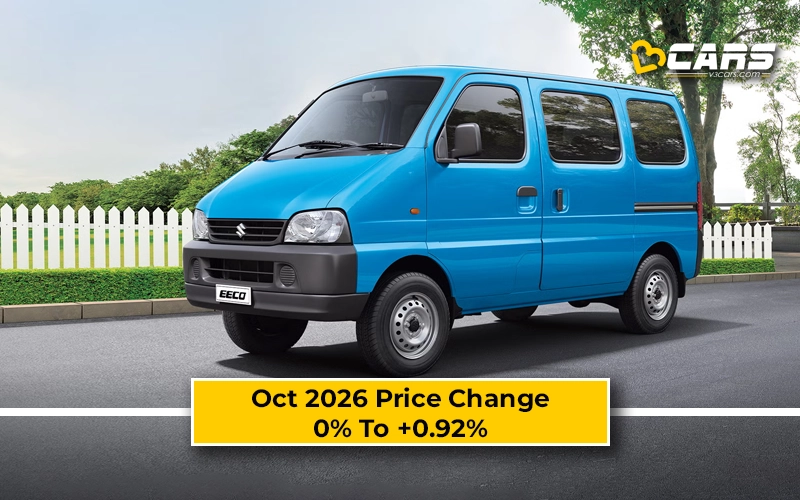
October 2026: Maruti Suzuki Eeco Price Change - Hiked By Up To 5k
Maruti Suzuki have increased the prices of the 2026 Eeco by up to Rs. 5,000. The Cargo variant with the 1.2L petrol-manual powertrain received the highest percentage price hike of 0.92%. Select variants with the 1.2L CNG-manual powertrain also became costlier by up to Rs. 5,000, while several other variants received smaller price increases of Rs. 2,500 or remained unchanged. Following the price revision, the Eeco’s ex-showroom prices range from Rs. 5.28 lakh to Rs. 8.09 lakh.
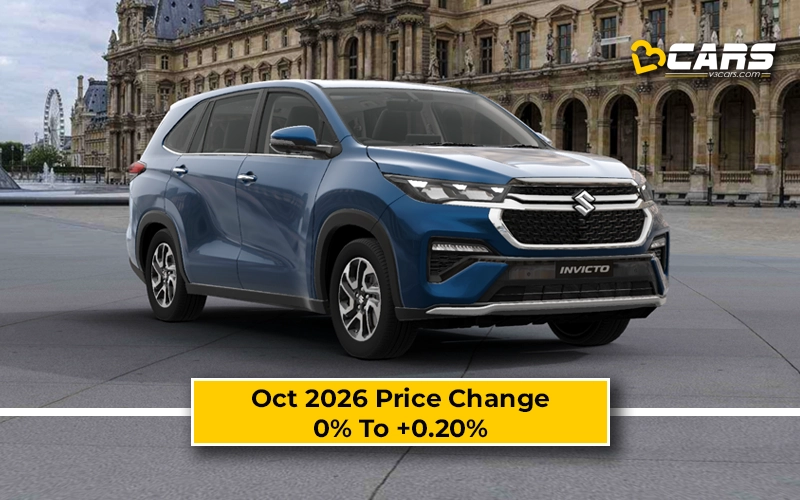
October 2026: Maruti Suzuki Invicto Price Change - Hiked By Up To 5k
Maruti Suzuki have increased the prices of the 2026 Invicto by up to Rs. 5,000. The Zeta Plus 7S variant with the 2.0L hybrid petrol-automatic powertrain received a price hike of Rs. 5,000, representing an increase of 0.20%. The prices of the Zeta Plus 8S and Alpha Plus 7S variants remain unchanged. Following the price revision, the Invicto’s ex-showroom prices range from Rs. 25.02 lakh to Rs. 28.71 lakh.

October 2026: Maruti Suzuki Jimny Price Change - Hiked By Up To 5k
Maruti Suzuki have increased the prices of the 2026 Jimny by up to Rs. 5,000. The Zeta All Grip Pro variant with the 1.5L petrol-manual powertrain received the highest percentage price hike of 0.40%. The Zeta All Grip Pro variant with the 1.5L petrol-automatic powertrain also became costlier by Rs. 5,000. Following the price revision, the Jimny’s ex-showroom prices range from Rs. 12.59 lakh to Rs. 14.52 lakh.

October 2026: Maruti Suzuki Brezza Price Change - Hiked By Up To 10k
Maruti Suzuki have increased the prices of the 2026 Brezza by up to Rs. 10,000. The LXI variant with the 1.0L turbo petrol-manual powertrain received the highest percentage price hike of 1.35%. The prices of select variants with the 1.5L petrol-manual and CNG-manual powertrains also increased by Rs. 5,000, while the prices of the listed petrol-automatic variants and some other variants remained unchanged. Following the price revision, the Brezza’s ex-showroom prices range from Rs. 7.50 lakh to Rs. 13.55 lakh.
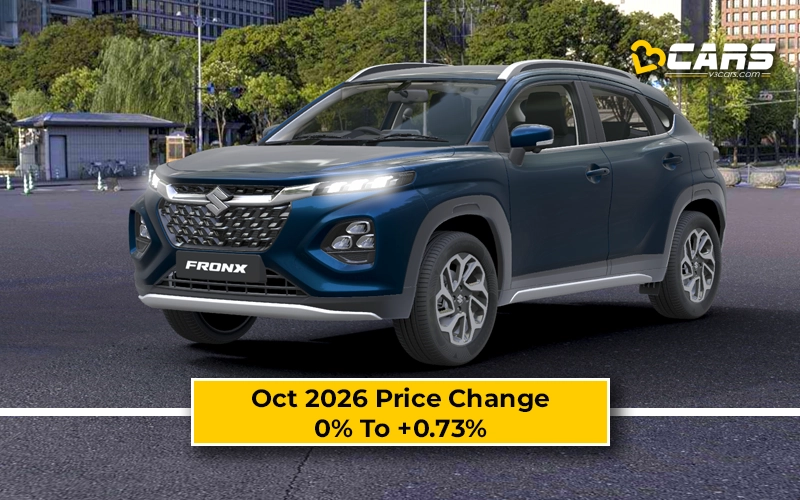
October 2026: Maruti Suzuki Fronx Price Change - Hiked By Up To 5k
Maruti Suzuki have increased the prices of the 2026 Fronx by up to Rs. 5,000. The Sigma variant with the 1.2L normal petrol-manual powertrain received the highest percentage price hike of 0.73%. Select variants with the 1.2L CNG and 1.0L turbo petrol powertrains also became costlier by Rs. 5,000. Following the price revision, the Fronx’s ex-showroom prices range from Rs. 6.89 lakh to Rs. 11.88 lakh.
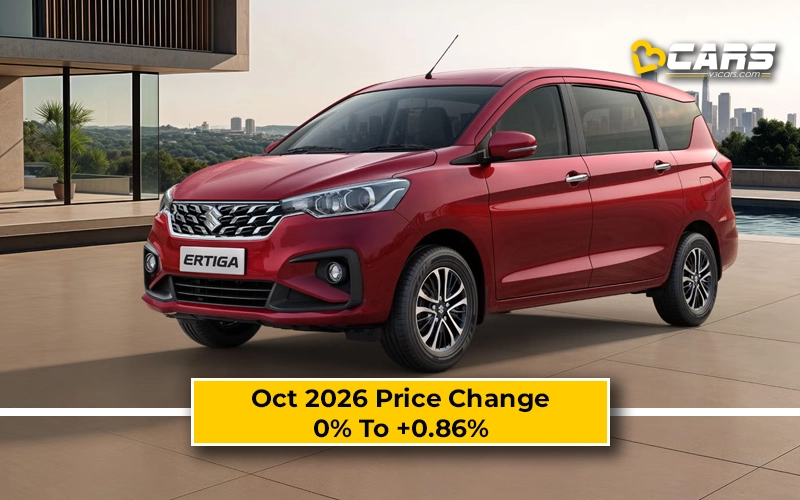
October 2026: Maruti Suzuki Ertiga Price Change — Hiked By Up To 10k
Maruti Suzuki have recently increased the prices of the 2026 Ertiga. The ZXI Plus variants with the 1.5L petrol-manual and petrol-automatic powertrains received the biggest price hike of Rs. 10,000. The Maruti Suzuki Ertiga 2026 prices now start from Rs. 8.90 lakh and go up to Rs. 13.14 lakh. In percentage terms, this is a price hike of up to 0.86%.
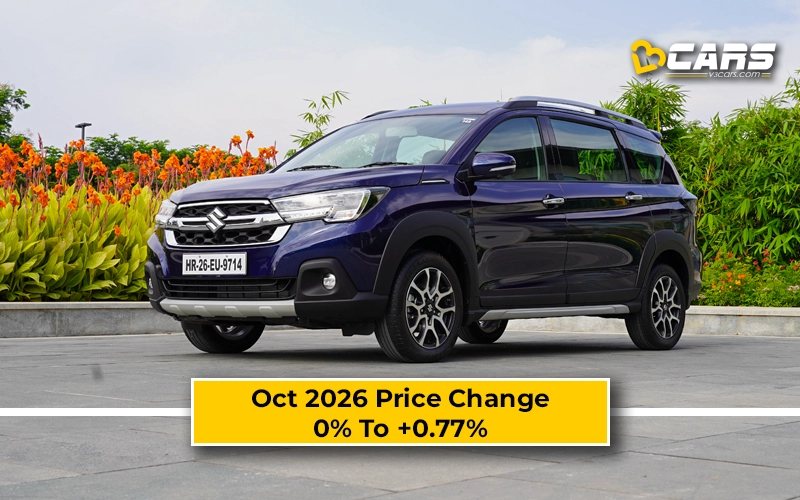
October 2026: Maruti Suzuki XL6 Price Change — Hiked By Up To 10k
Maruti Suzuki have recently increased the prices of the 2026 XL6. The Alpha Plus variants with the 1.5L petrol-manual and petrol-automatic powertrains received the biggest price hike of Rs. 10,000. The Maruti Suzuki XL6 2026 prices now start from Rs. 11.62 lakh and go up to Rs. 14.52 lakh. In percentage terms, this is a price hike of up to 0.77%.
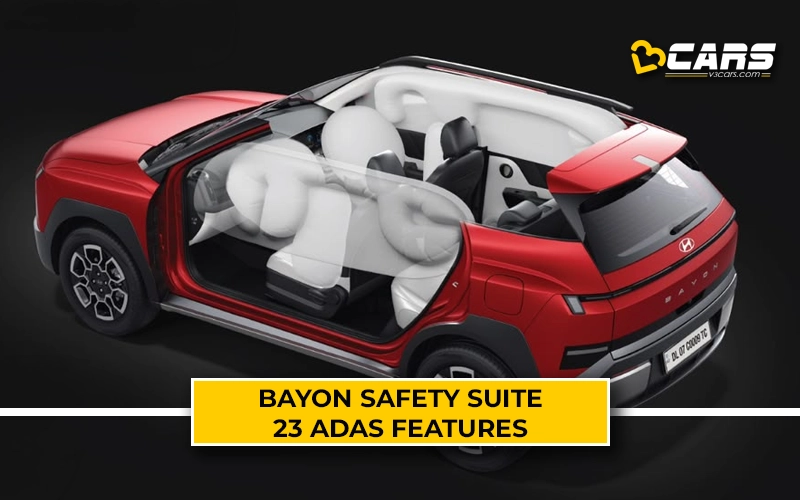
Hyundai Bayon Safety Features Revealed Ahead Of October 26 Launch
Hyundai have revealed the Bayon’s safety features ahead of its October 26 launch. The SUV will offer 6 airbags, electronic stability control and tyre pressure monitoring as standard. Its available driver assistance package includes adaptive cruise control, blind-spot collision avoidance and navigation-based speed assistance.
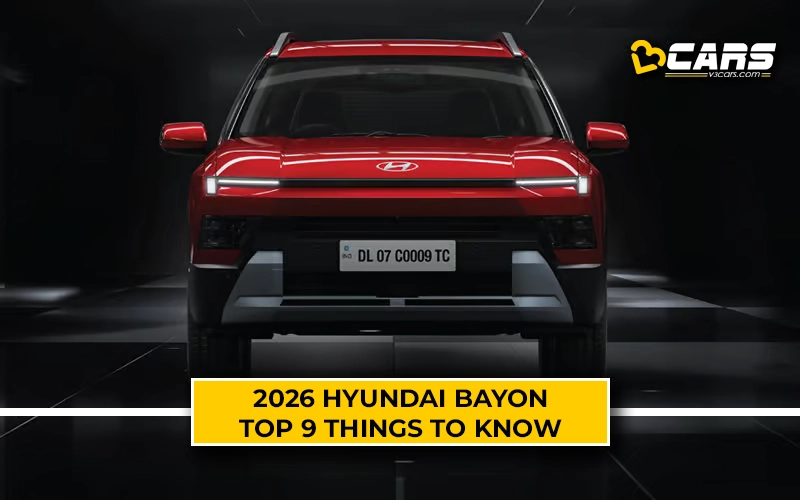
2026 Hyundai Bayon Top 9 Things To Know Before Launch
Hyundai have revealed the 2026 Bayon and detailed its safety equipment ahead of its October 26 launch. The new SUV is expected to sit between the Venue and Creta. Here are the top 9 things you should know about its design, powertrain, features and safety before launch.
Expert Car Reviews
View All Car Reviews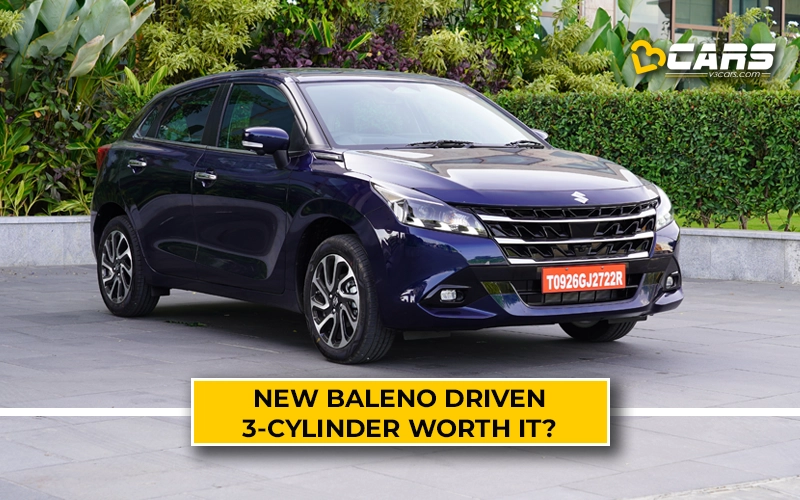
2026 Maruti Baleno Facelift Photo Gallery - Design, Features And Drive Review
The 2026 Maruti Baleno facelift gets a new 1.2L 3-cylinder petrol engine, level 2 ADAS and ventilated front seats. We drove it to see whether the new engine and added features make up for the loss of the old 4-cylinder’s refinement.
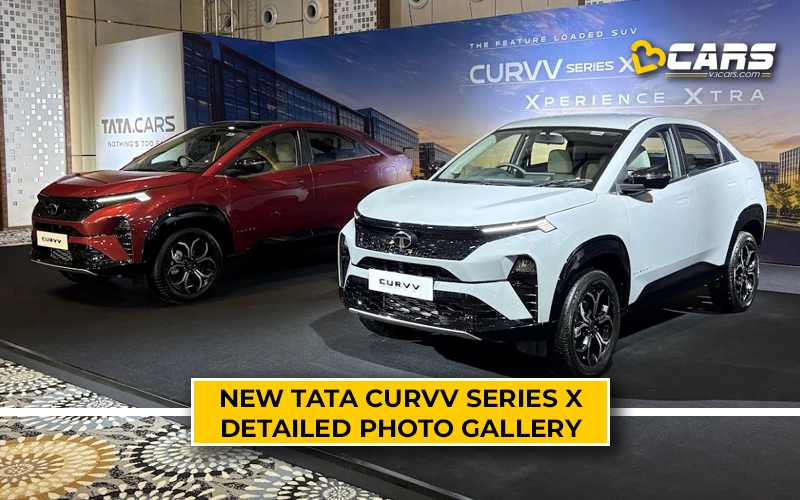
2026 Tata Curvv Series X Photo Gallery - Exterior, Interior And Features
Tata have launched the 2026 Curvv Series X with a simpler variant lineup and several features moved further down the range. We got a closer look at the new Curvv Series X, including the Pure X Plus and Creative X Plus variants. In this detailed photo gallery, we take you through their exterior differences, interior, features, rear-seat space and the construction of Tata’s R-Comfort seats.
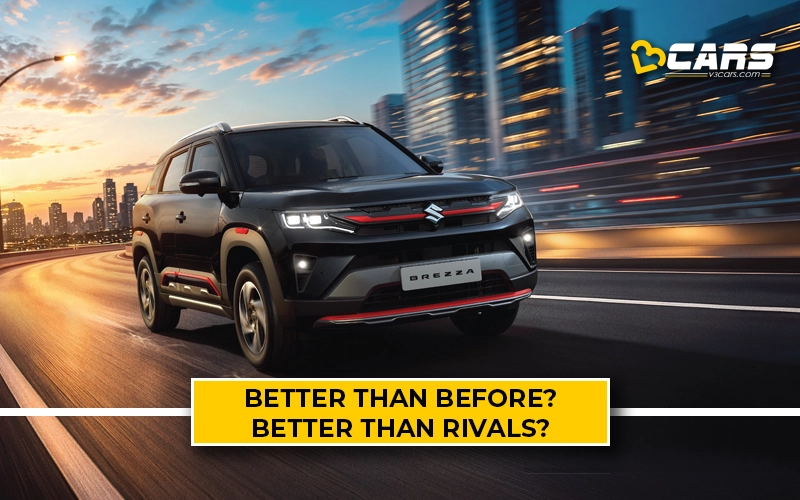
2026 Maruti Brezza Facelift Worth Buying?
The 2026 Maruti Brezza adds a 1.0L turbo petrol engine, more features and a 5-star Bharat NCAP rating. Its underbody CNG cylinder also frees up the full 328L boot. However, not every powertrain and variant offers equally strong value. We explain which Brezza to buy and when a rival makes more sense.
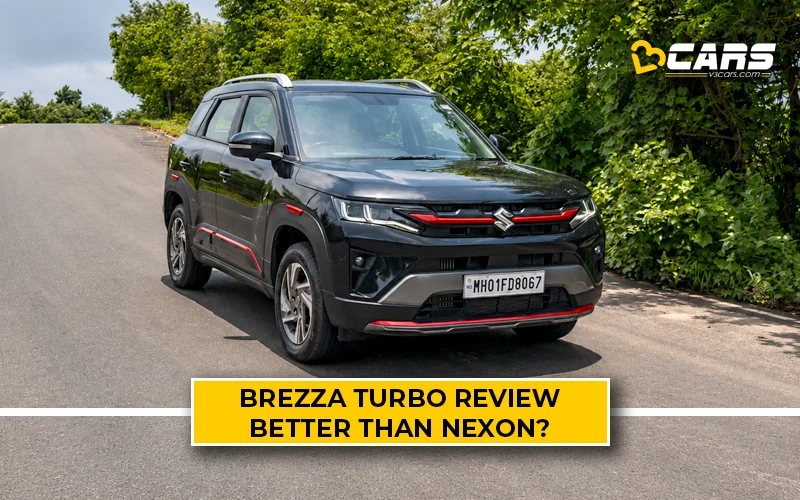
2026 Maruti Arena Brezza 1.0L Turbo Manual First Drive Review
We drove the 2026 Maruti Arena Brezza with its new 1.0L turbo petrol engine and 6-speed manual transmission. We covered roughly 50km over about 2 hours at speeds representative of typical city driving. Here are my impressions of its performance, refinement, mileage, highway manners, ride and everyday usability.
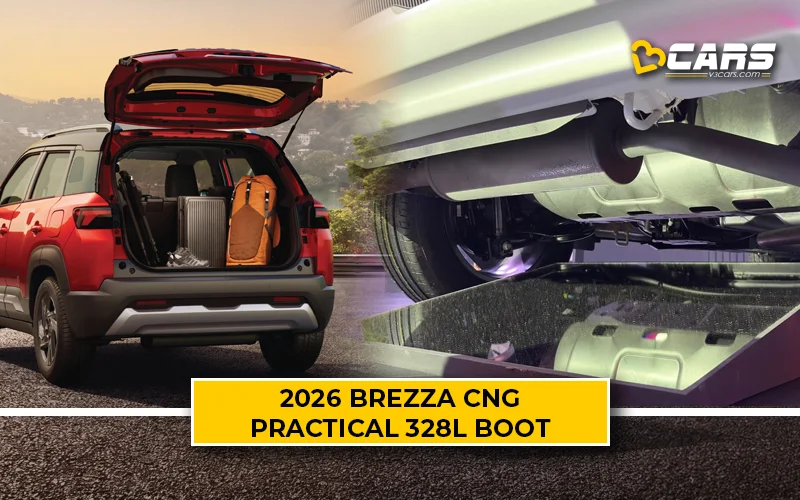
2026 Maruti Brezza CNG 328L Boot Space Explained
The 2026 Maruti Brezza CNG now has its cylinder mounted below the body, allowing it to retain the petrol version’s full 328L boot space. We examine the practical improvement, dimensions, ground clearance and boot-related features offered with each CNG variant.
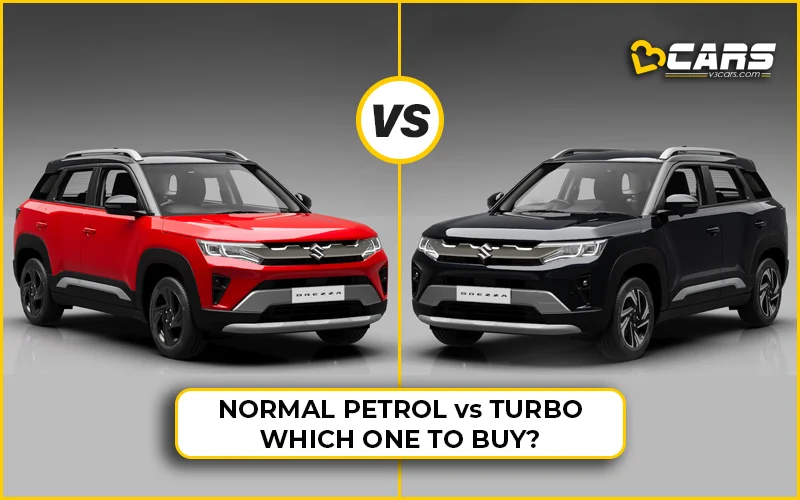
2026 Maruti Brezza 1.0L Turbo Vs 1.5L Petrol - Which One To Buy?
The 2026 Maruti Brezza offers a new 1.0L turbo petrol engine alongside the familiar 1.5L normal petrol. Both engines come with a new 6-speed manual transmission. The smaller turbo costs less and offers more power, torque and features, while the 1.5L petrol claims better mileage. We compare the 2 to determine which Brezza petrol-manual makes more sense.
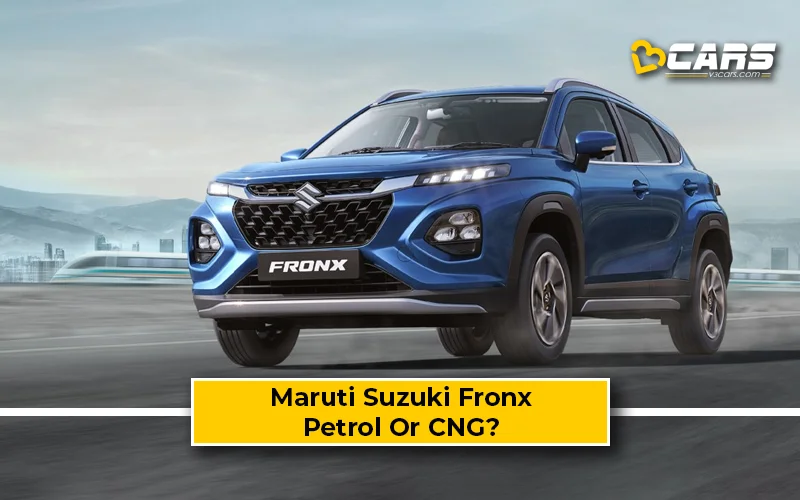
Maruti Arena Fronx Petrol Vs CNG Mileage And Running Cost
If you’re wondering whether to buy the Maruti Suzuki Fronx petrol or CNG, this article will help you make a data-backed decision. We compare the latest ex-showroom prices, official mileage figures and current fuel prices in Delhi to calculate the running cost difference between the Fronx petrol and CNG variants. We also calculate how many kilometres you need to drive the Fronx CNG to recover its higher upfront cost over the petrol variant.
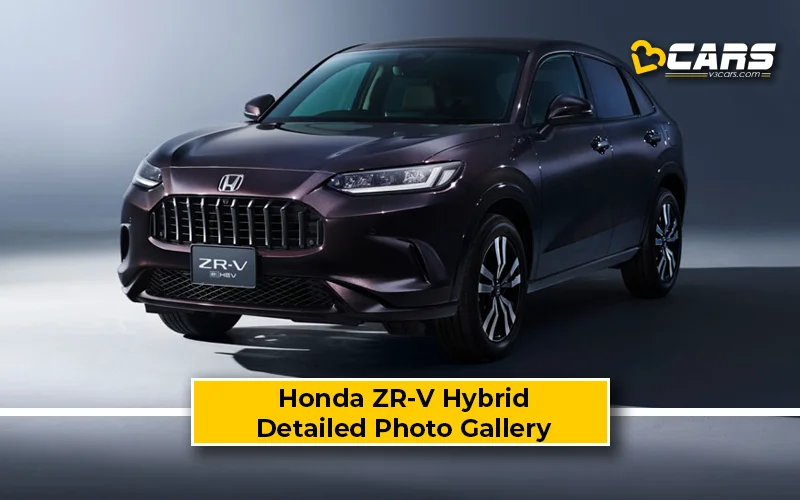
2026 Honda ZR-V Hybrid Photo Gallery
The 2026 Honda ZR-V Hybrid is set to launch in India as Honda’s new flagship SUV on May 22, 2026. Positioned above the Elevate, the ZR-V will rival premium SUVs like the Volkswagen Tiguan R-Line and Skoda Kodiaq with its strong hybrid powertrain, premium interior and advanced features. In this detailed photo gallery, we take a closer look at the ZRV Hybrid’s design, cabin, practicality, safety features and hybrid technology.
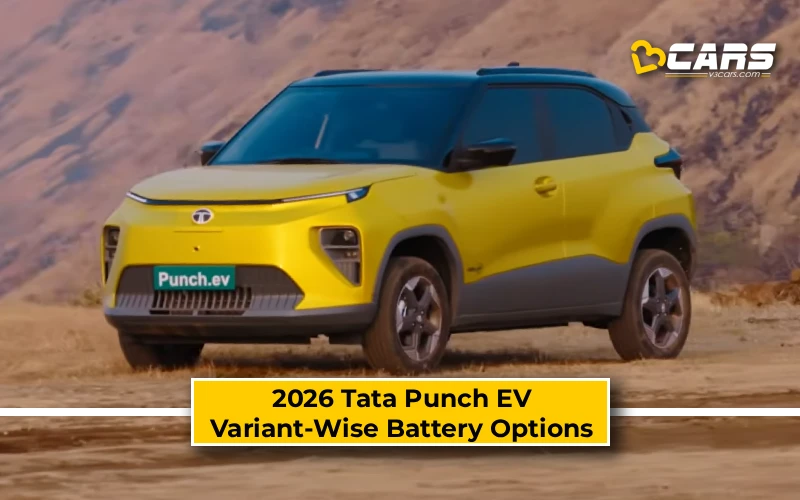
2026 Tata Punch EV Variant-Wise Powertrain Options – Battery, Range & Specifications
The 2026 Tata Punch EV is available with multiple battery pack and motor configurations, giving buyers the flexibility to choose between affordability and longer driving range. Depending on the variant, the new Punch EV offers different power outputs, battery capacities and claimed range. In this article, we break down the 2026 Punch EV’s variant-wise powertrain options and check out which variants get the 30kWh and 40kWh battery packs, along with their performance specifications, so you can pick the variant that best suits your needs.
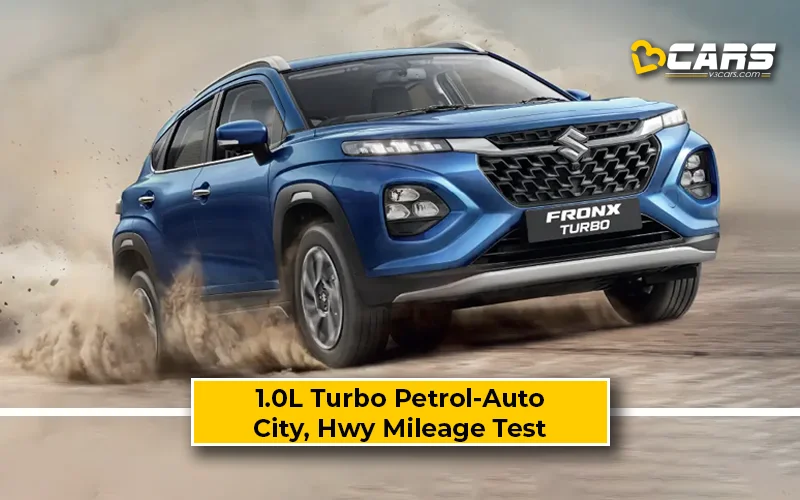
Maruti Fronx 1.0L Turbo Petrol-Auto Mileage Test: Real World City, Highway Fuel Efficiency
In this article, we’ll present the data based on V3Cars mileage test and inform you about what real-world fuel efficiency you can expect from the Maruti Fronx 1.0L turbo petrol-automatic in city and highway driving conditions. We’ll also find out how much the mileage numbers deviate from the manufacturer-claimed fuel efficiency figures. The information presented in this article will also help you learn about the mileage differences you can expect when driving in the city vs driving on the highway.
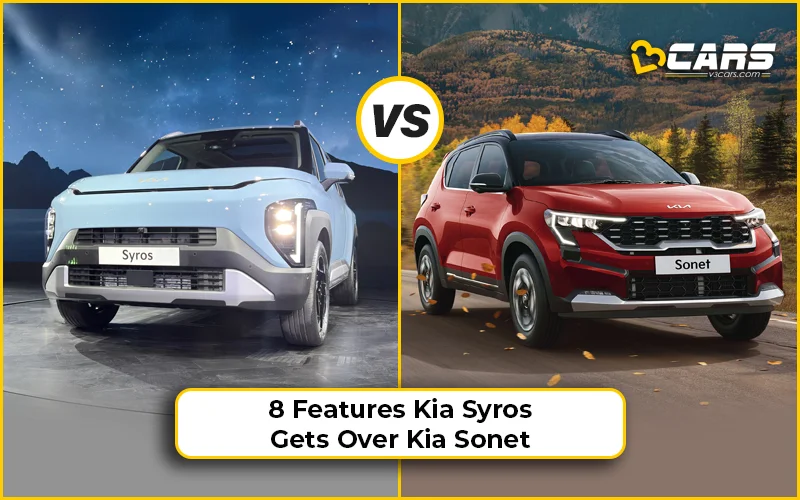
10 Features New Kia Syros Gets Over Kia Sonet
Kia unveiled their all-new B2-segment SUV, the 2025 Syros, on December 19, 2024. While Kia India are yet to reveal the variant-wise prices of the 2025 Syros, it is expected to slot in between the Sonet B2-SUV and Seltos C-SUV.
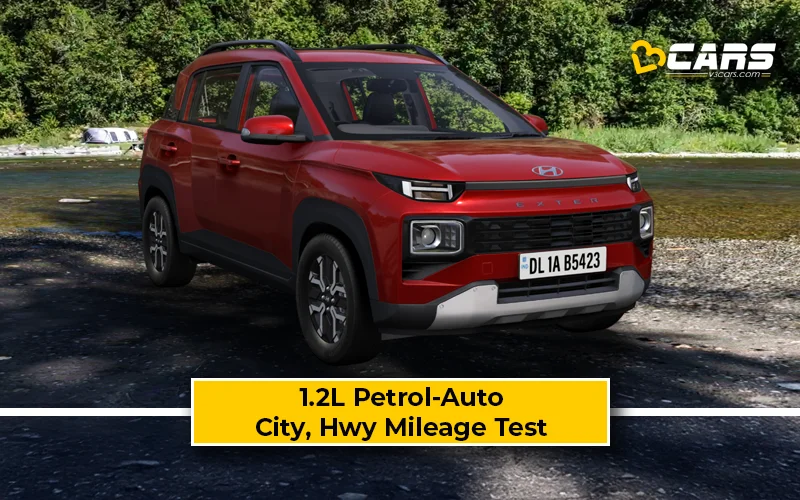
Hyundai Exter 1.2L Petrol-Auto Mileage Test: Real World City, Highway Fuel Efficiency
In this article, we’ll present the data based on V3Cars mileage test and inform you about what real-world fuel efficiency you can expect from the Hyundai Exter 1.2L petrol-automatic in city and highway driving conditions. We’ll also find out how much the mileage numbers deviate from the manufacturer-claimed fuel efficiency figures. The information presented in this article will also help you learn about the mileage differences you can expect when driving in the city vs driving on the highway.
Latest Videos
View All Car Latest Videos

-7S-Vs-Hycross-ZX.webp)
![[MOST DETAILED] Maruti Suzuki Baleno Pros & Cons Wala Review (₹5.99 - 9.99 lakh) | V3Cars](https://assets.v3cars.com/media/videoImages/642928Maruti-Baleno-2026-Pros-Cons-Review.webp)
.webp)

Upcoming Cars In India
View All Upcoming Cars.jpg)



Popular News
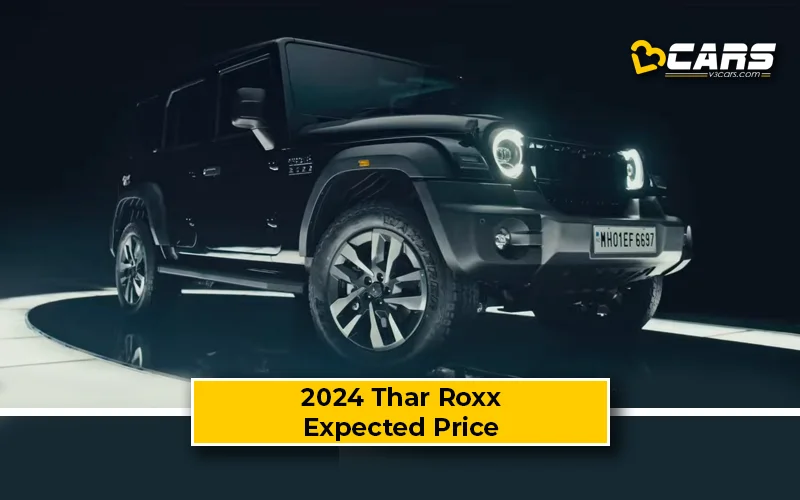
Mahindra Thar Roxx (Thar 5-door) Expected Price — #WithLogic (Updated: Jul 29)

5 Missing Features In Mahindra XUV700 Over Scorpio N

Top 5 Features Scorpio N Misses But The Tata Safari Gets
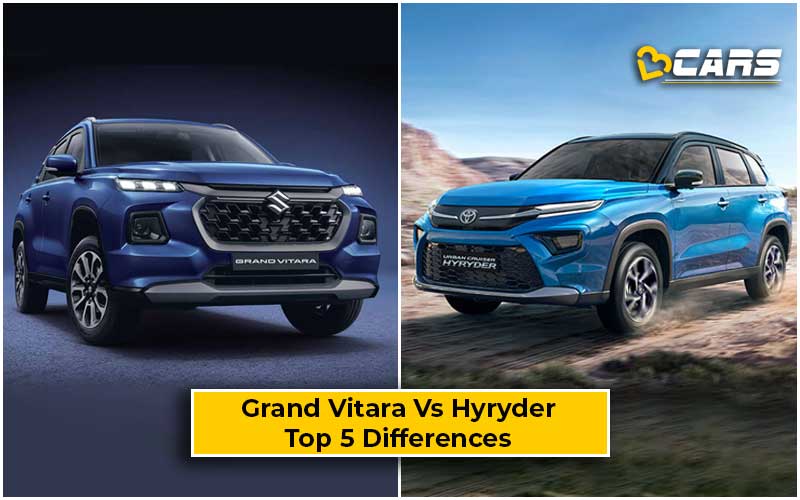
Top 5 Differences – Maruti Suzuki Grand Vitara Vs Toyota Urban Cruiser Hyryder
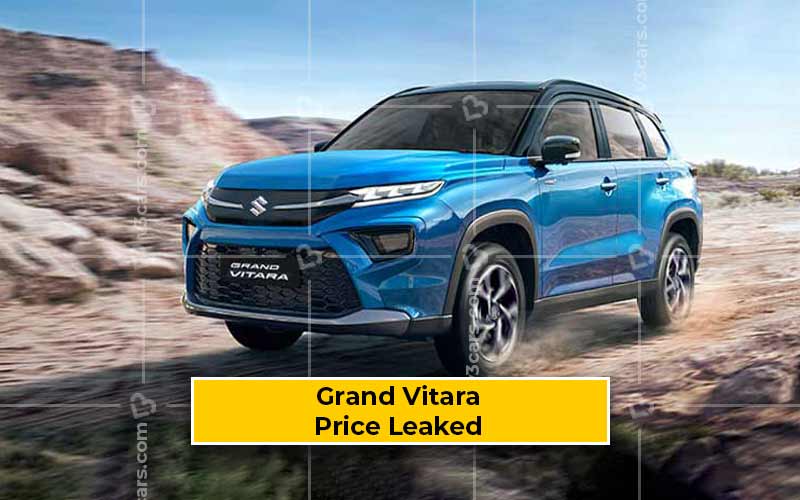
Maruti Suzuki Grand Vitara Ex-Showroom Price Leaked Ahead Of July 20 Debut

6 Missing Features In 2022 Hyundai Venue Facelift
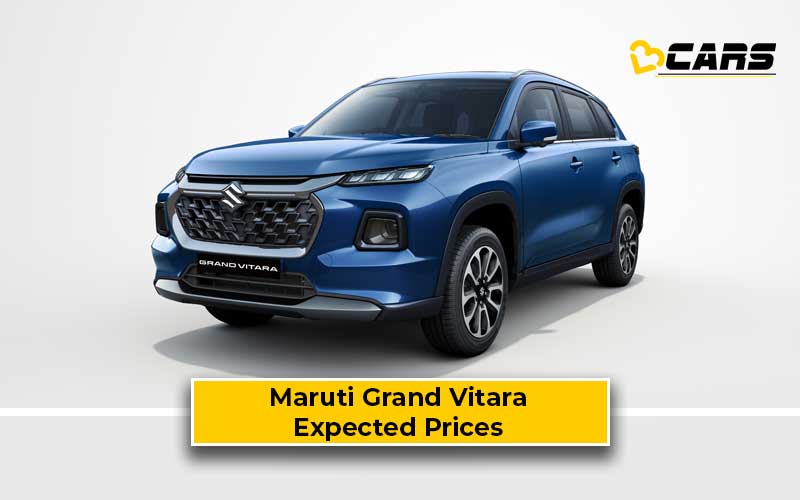
Maruti Suzuki Grand Vitara Expected Prices
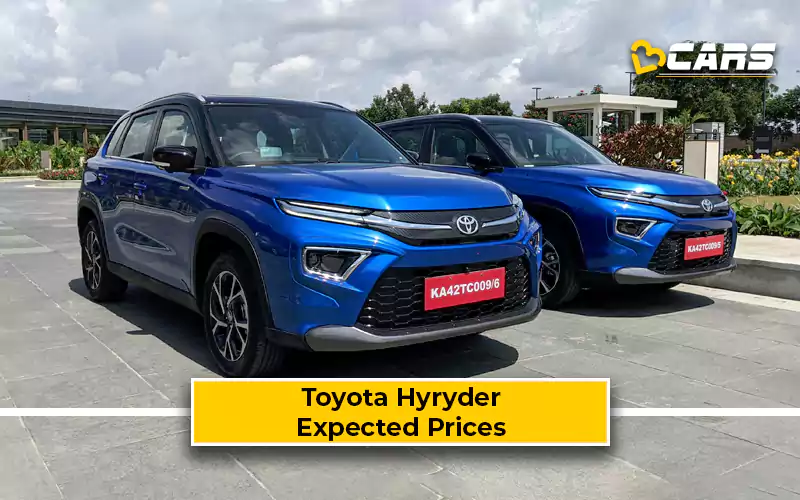
2022 Toyota Urban Cruiser Hyryder Expected Prices — Mild Hybrid, AWD And Mild Hybrid Auto
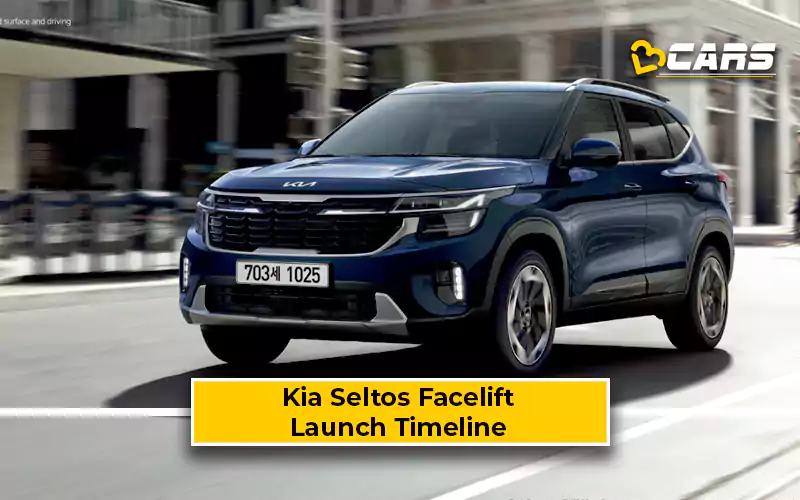
Kia Seltos Facelift Launch In 2023

2022 Mahindra Scorpio - First Teaser Drops Ft. Amitabh Bacchan
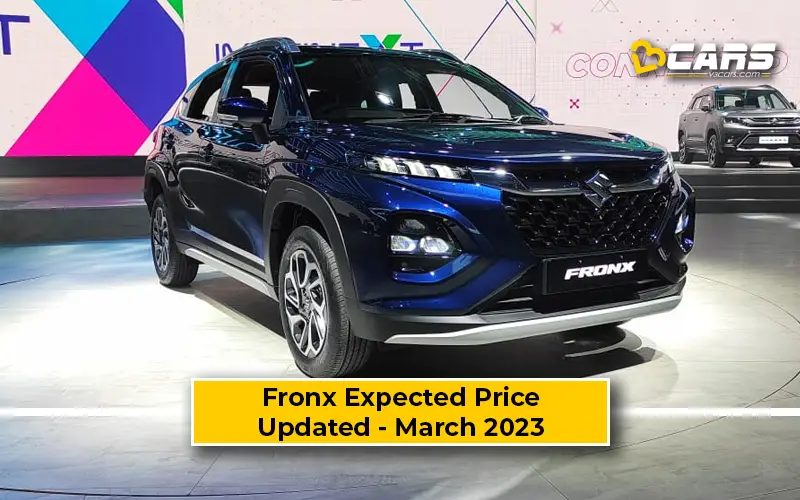
Updated Maruti Nexa Fronx Expected Price Calculation (Variant-wise) - With Logic
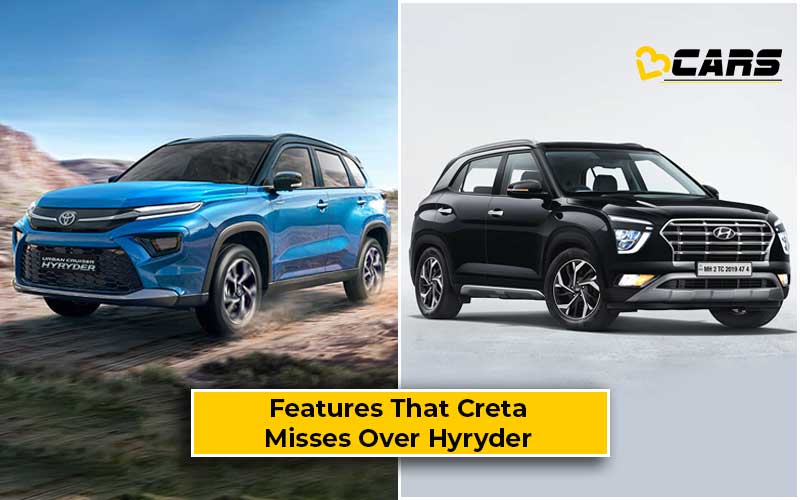
7 Missing Features In Hyundai Creta Over Toyota Urban Cruiser Hyryder
Latest Car News
Mahindra Bolero Bold Edition Revealed With Bronze Accents And Rear Camera
October 2026: Maruti Suzuki Grand Vitara Price Change - Hiked By Up To 10k
October 2026: Maruti Suzuki Victoris Price Change - Hiked By Up To 10k
October 2026: Maruti Suzuki Eeco Price Change - Hiked By Up To 5k
October 2026: Maruti Suzuki Invicto Price Change - Hiked By Up To 5k
October 2026: Maruti Suzuki Jimny Price Change - Hiked By Up To 5k
October 2026: Maruti Suzuki Brezza Price Change - Hiked By Up To 10k
October 2026: Maruti Suzuki Fronx Price Change - Hiked By Up To 5k
October 2026: Maruti Suzuki Ertiga Price Change — Hiked By Up To 10k
October 2026: Maruti Suzuki XL6 Price Change — Hiked By Up To 10k
Hyundai Bayon Safety Features Revealed Ahead Of October 26 Launch
Comments
0 comments