

 Upcoming CarsPopular CarsLatest CarsElectric Cars
Estimate costs and savings with our handy automotive calculators.
Simplify your car ownership journey with our buying, selling, and renewal tools.
Explore additional resources and comparisons for car enthusiasts.
Published : 07 September 2026
Read Time : 5 min
Author: Nikil Jonathan
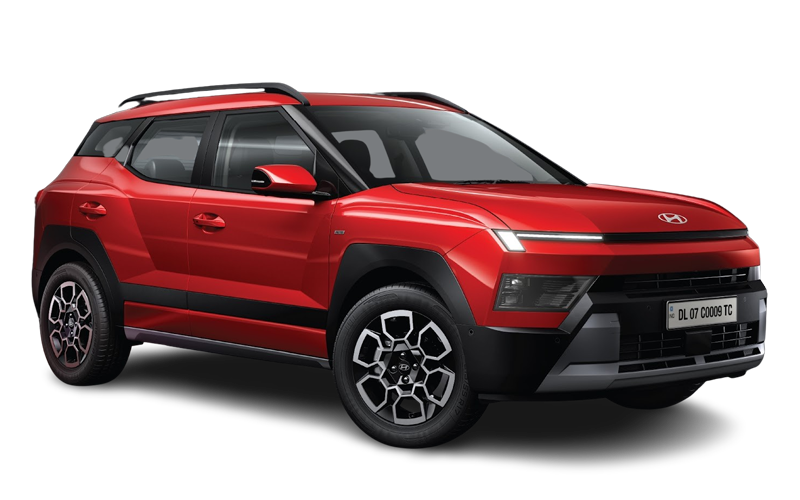
Hyundai have confirmed plans to introduce a new electric SUV in India as part of their upcoming product offensive. Based on our earlier reports and the latest information available to V3Cars, the new EV is expected to make its India debut in December 2026, followed by its market launch in January 2027 at the Bharat Mobility Global Expo.
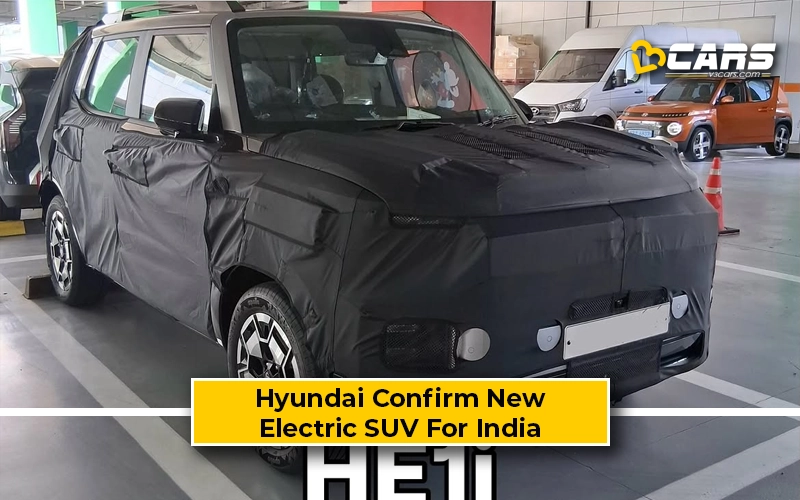
Update (September 7, 2026): Hyundai have confirmed that their upcoming electric SUV will meet the government’s PLI localisation requirements from launch. To qualify under the scheme, eligible vehicles need at least 50 percent domestic value addition.
The upcoming Hyundai electric SUV will sit below the Creta Electric in the brand’s India lineup and is expected to compete in the fast-growing B2-segment electric SUV space. It will rival models such as the Tata Nexon EV, Mahindra XUV 3XO EV and the Kia Syros EV.
New Hyundai Electric SUV: What To Expect?
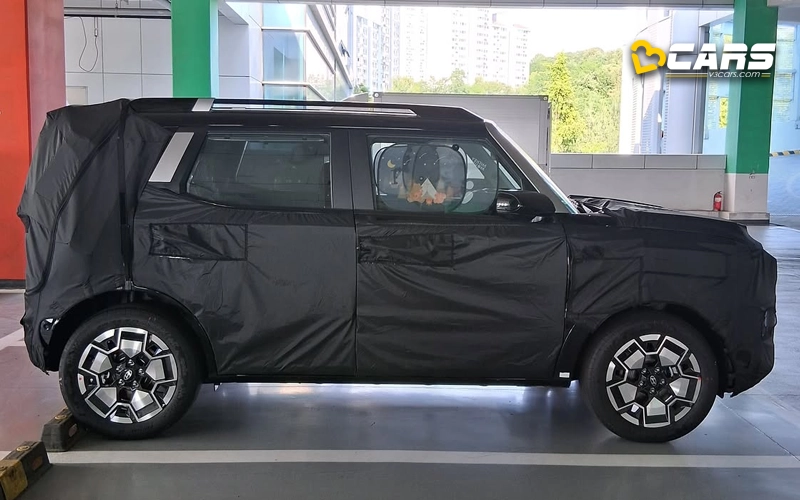
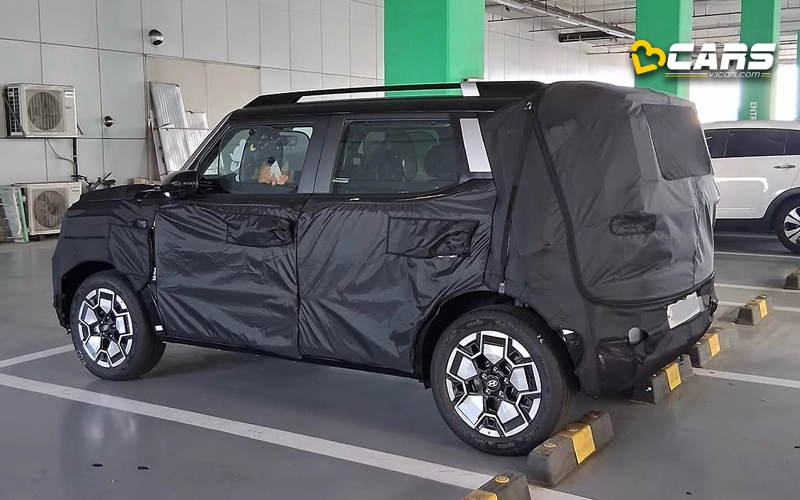
The upcoming EV was spotted testing in India a few months earlier, giving us an idea of its proportions and design direction. The test mule points towards a compact but upright SUV with short overhangs and a relatively long wheelbase for its size.
The new model is expected to have a wheelbase of over 2500mm, while ground clearance could be around 190mm. Its overall footprint is expected to be close to that of the Hyundai Venue and Kia Syros, although the EV should offer better cabin space thanks to its dedicated electric architecture.
For Hyundai, this will be an important addition as the brand currently does not have an electric SUV positioned in this price-sensitive part of the market.
New Hyundai Electric SUV: Exterior Design
The test mules indicate that Hyundai will give the upcoming EV a boxy and upright design. It appears to borrow some styling cues from the company’s global electric models, particularly the Inster, while adopting a larger and more SUV-like stance for India.
The design elements expected on the India-spec model include:
- Split headlamp setup
- LED DRLs above the closed-off grille
- LED headlamps lower down on the bumper
- Pixel-inspired lighting elements
- Minimal overhangs
- Thick black body cladding
- Roof rails
- Flat roofline
- Upright tailgate
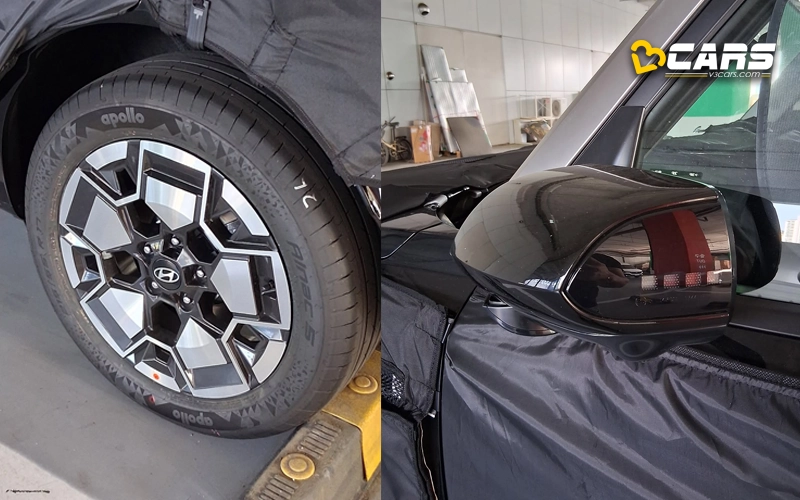
The compact dimensions and short overhangs should also make the upcoming EV relatively easy to manoeuvre in urban environments, while the upright body could help maximise interior space.
New Hyundai Electric SUV: Expected Features
Hyundai have confirmed the upcoming electric SUV will feature the brand’s next generation infotainment system. It will also offer Level-2 ADAS features. Apart from these details, the company is expected to equip it with a comprehensive feature list to compete with the increasingly feature-rich electric SUVs in this segment.
Expected equipment could include:
- Dual 10.25-inch displays
- Wireless Android Auto and Apple CarPlay
- Automatic climate control
- Ventilated front seats
- Panoramic sunroof
- Connected car technology
- 360-degree camera
- Vehicle-to-load (V2L) functionality
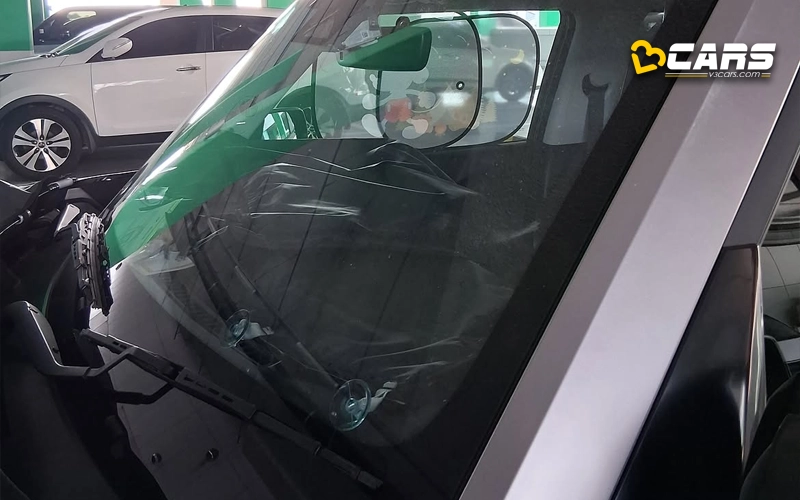
Safety equipment is expected to include 6 airbags, electronic stability control, tyre pressure monitoring system, blind-view monitor, adaptive cruise control, autonomous emergency braking and lane-keep assist.
New Hyundai Electric SUV: Battery And Range
Hyundai have not yet revealed the battery specifications of the upcoming EV. Hyundai have also confirmed that the upcoming electric SUV will meet the government’s PLI localisation requirements from launch. Under the scheme, eligible vehicles need at least 50 percent domestic value addition, suggesting Hyundai will source or manufacture a significant share of the EV’s components locally. However, we expect it to be offered with multiple battery options borrowed from global models and the Hyundai Creta Electric.
The global Hyundai Inster is available with 42kWh and 49kWh battery packs. Hyundai could use a similar battery strategy for India, allowing it to offer different price points and range figures.
We also expect the India-spec EV to support DC fast charging, potentially allowing a 10 to 80 percent charge in around 30 minutes using a compatible fast charger. Exact battery capacity, motor output and range figures will be confirmed closer to the launch.
The upcoming EV will become Hyundai's most affordable electric SUV in India, sitting below the Creta Electric. This will give Hyundai a presence in a segment that is expected to see increasing competition over the next couple of years.
Hyundai India Product Offensive
The new electric SUV is only one part of Hyundai's upcoming product offensive. The company is also expected to introduce a Bayon-inspired SUV in October 2026, which will sit alongside the current Creta.
Meanwhile, the next-generation Creta is expected to arrive in March 2027 and is likely to move further upmarket. This would give Hyundai a more comprehensive SUV portfolio, with the new compact EV positioned below the Creta Electric and the upcoming Bayon-inspired SUV and next-gen Creta addressing higher segments.
The upcoming EV will therefore play an important role in Hyundai's strategy to expand its electric vehicle presence beyond the Creta Electric. With the compact SUV segment accounting for a significant share of India's EV demand, this model could potentially become Hyundai's highest-volume electric vehicle once launched.
Also Read: Upcoming Hyundai Electric SUV Spied – Likely To Debut In December 2026
Is This The Hyundai Bayon-based Crossover For The Indian Market?
Before you finalise your next car, these V3Cars tools can help you make a more informed decision:
Fuel Cost Calculator for Cars – Know your monthly fuel expense based on usage and mileage
Car On-Road Price Calculator – Convert ex-showroom to on-road price for any city
Sell Used Car Online – Enter your car and contact details to get an instant price estimate and book a free inspection with our partner network
Did you find this information helpful?

Content Writer
Nikil's a huge fan of classic cars, especially Italian beauties such as the Alfa Romeo Giulia Sprint and the Iso Grifo. His love for cars and bikes originated when he first laid his eyes on a poster of the Ferrari F40 and the MV Agusta F4 when he was just a child. He also loves all things analogue, especially vintage cameras and turntables.
Car News Update
View All Latest News
Mahindra Bolero Bold Edition Revealed With Bronze Accents And Rear Camera
Mahindra have revealed the 2026 Bolero Bold Edition, which adds bronze exterior accents, revised seat upholstery and a reversing camera. Offered through an accessories package, the Bold Edition’s pricing remains undisclosed.
October 2026: Maruti Suzuki Grand Vitara Price Change - Hiked By Up To 10k
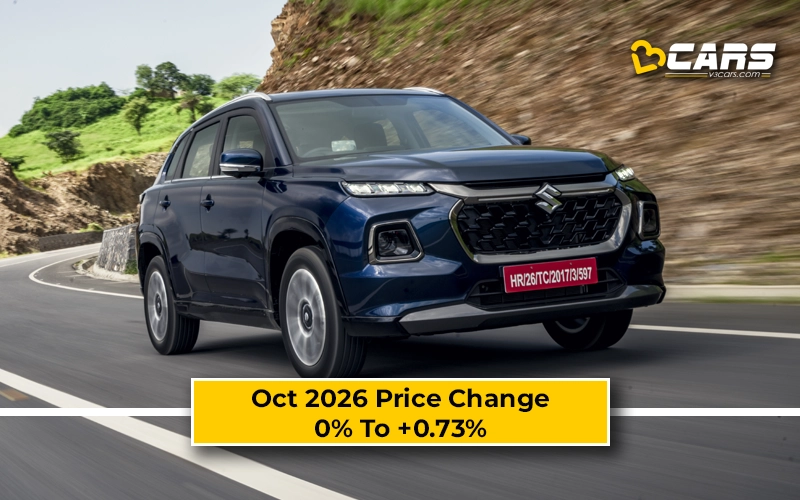
Maruti Suzuki have increased the prices of the 2026 Grand Vitara by up to Rs. 10,000. The Zeta variant with the 1.5L normal petrol-manual powertrain received the highest percentage price hike of 0.73%. The Alpha variant with the same powertrain and the Zeta and Alpha variants with the 1.5L normal petrol-automatic powertrain also became costlier by Rs. 10,000. Meanwhile, the Delta and Zeta variants with the 1.5L normal CNG-manual powertrain received a price hike of Rs. 5,000. The prices of all other variants remain unchanged. Following the price revision, the Grand Vitara’s ex-showroom prices range from Rs. 10.77 lakh to Rs. 19.62 lakh.
October 2026: Maruti Suzuki Victoris Price Change - Hiked By Up To 10k
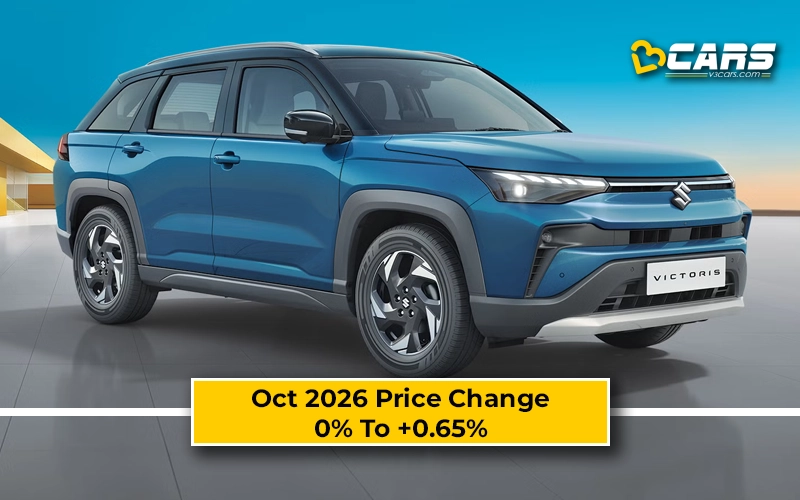
Maruti Suzuki have increased the prices of the 2026 Victoris by up to Rs. 10,000. The ZXI Plus variant with the 1.5L normal petrol-manual powertrain received the highest percentage price hike of 0.65%. The ZXI Plus variant with the 1.5L normal petrol-automatic powertrain also became costlier by Rs. 10,000, while the prices of all other listed variants remain unchanged. Following the price revision, the Victoris’s ex-showroom prices range from Rs. 10.50 lakh to Rs. 19.99 lakh.
October 2026: Maruti Suzuki Eeco Price Change - Hiked By Up To 5k
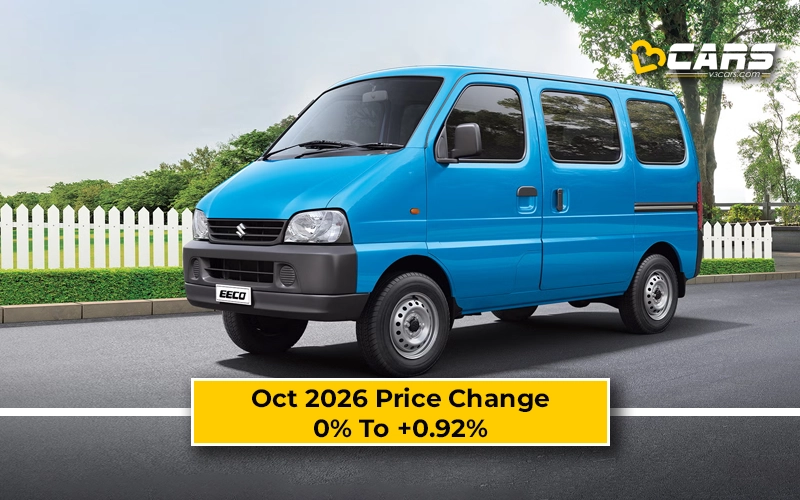
Maruti Suzuki have increased the prices of the 2026 Eeco by up to Rs. 5,000. The Cargo variant with the 1.2L petrol-manual powertrain received the highest percentage price hike of 0.92%. Select variants with the 1.2L CNG-manual powertrain also became costlier by up to Rs. 5,000, while several other variants received smaller price increases of Rs. 2,500 or remained unchanged. Following the price revision, the Eeco’s ex-showroom prices range from Rs. 5.28 lakh to Rs. 8.09 lakh.
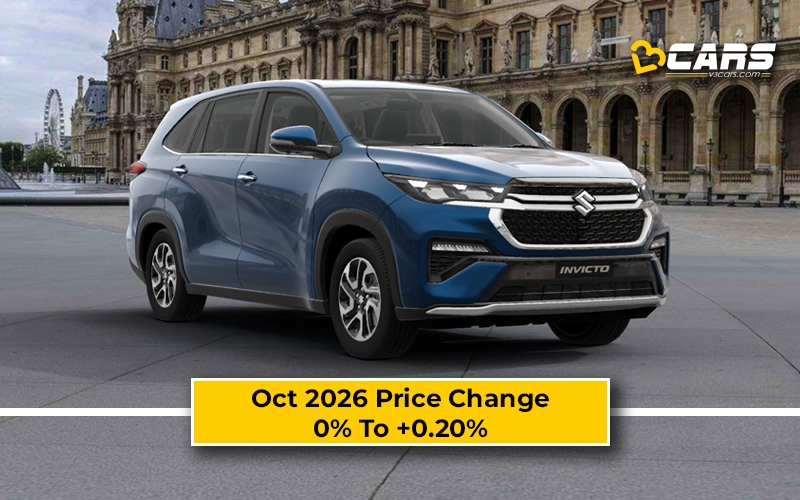
October 2026: Maruti Suzuki Invicto Price Change - Hiked By Up To 5k
Maruti Suzuki have increased the prices of the 2026 Invicto by up to Rs. 5,000. The Zeta Plus 7S variant with the 2.0L hybrid petrol-automatic powertrain received a price hike of Rs. 5,000, representing an increase of 0.20%. The prices of the Zeta Plus 8S and Alpha Plus 7S variants remain unchanged. Following the price revision, the Invicto’s ex-showroom prices range from Rs. 25.02 lakh to Rs. 28.71 lakh.

October 2026: Maruti Suzuki Jimny Price Change - Hiked By Up To 5k
Maruti Suzuki have increased the prices of the 2026 Jimny by up to Rs. 5,000. The Zeta All Grip Pro variant with the 1.5L petrol-manual powertrain received the highest percentage price hike of 0.40%. The Zeta All Grip Pro variant with the 1.5L petrol-automatic powertrain also became costlier by Rs. 5,000. Following the price revision, the Jimny’s ex-showroom prices range from Rs. 12.59 lakh to Rs. 14.52 lakh.

October 2026: Maruti Suzuki Brezza Price Change - Hiked By Up To 10k
Maruti Suzuki have increased the prices of the 2026 Brezza by up to Rs. 10,000. The LXI variant with the 1.0L turbo petrol-manual powertrain received the highest percentage price hike of 1.35%. The prices of select variants with the 1.5L petrol-manual and CNG-manual powertrains also increased by Rs. 5,000, while the prices of the listed petrol-automatic variants and some other variants remained unchanged. Following the price revision, the Brezza’s ex-showroom prices range from Rs. 7.50 lakh to Rs. 13.55 lakh.
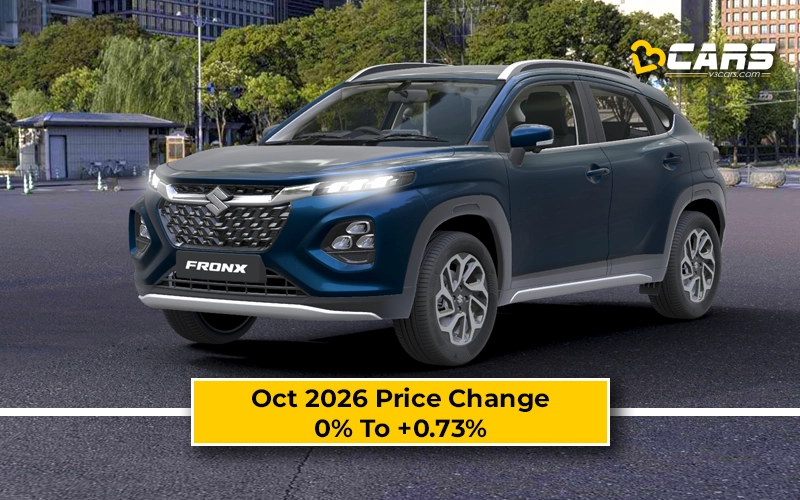
October 2026: Maruti Suzuki Fronx Price Change - Hiked By Up To 5k
Maruti Suzuki have increased the prices of the 2026 Fronx by up to Rs. 5,000. The Sigma variant with the 1.2L normal petrol-manual powertrain received the highest percentage price hike of 0.73%. Select variants with the 1.2L CNG and 1.0L turbo petrol powertrains also became costlier by Rs. 5,000. Following the price revision, the Fronx’s ex-showroom prices range from Rs. 6.89 lakh to Rs. 11.88 lakh.
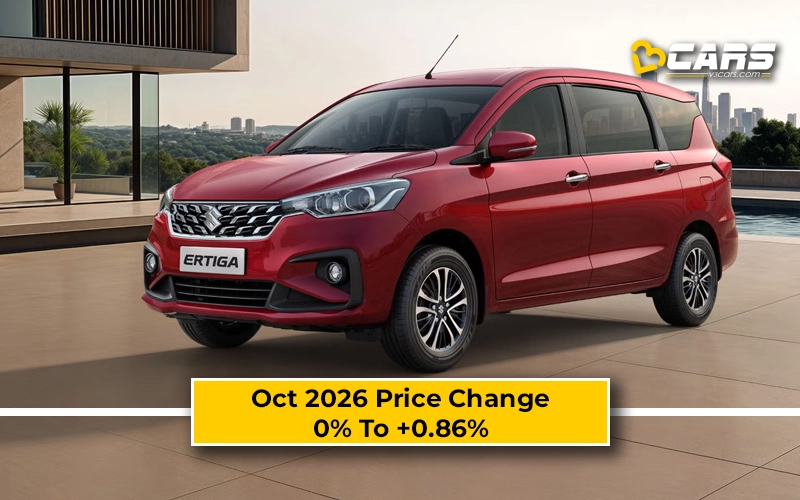
October 2026: Maruti Suzuki Ertiga Price Change — Hiked By Up To 10k
Maruti Suzuki have recently increased the prices of the 2026 Ertiga. The ZXI Plus variants with the 1.5L petrol-manual and petrol-automatic powertrains received the biggest price hike of Rs. 10,000. The Maruti Suzuki Ertiga 2026 prices now start from Rs. 8.90 lakh and go up to Rs. 13.14 lakh. In percentage terms, this is a price hike of up to 0.86%.
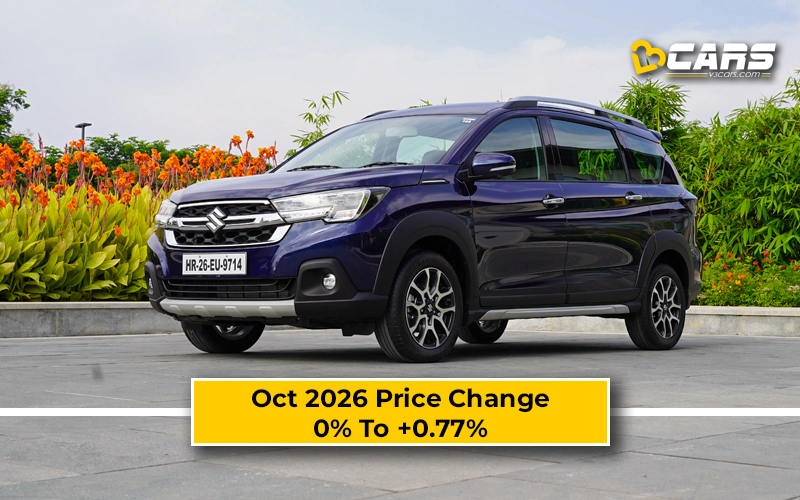
October 2026: Maruti Suzuki XL6 Price Change — Hiked By Up To 10k
Maruti Suzuki have recently increased the prices of the 2026 XL6. The Alpha Plus variants with the 1.5L petrol-manual and petrol-automatic powertrains received the biggest price hike of Rs. 10,000. The Maruti Suzuki XL6 2026 prices now start from Rs. 11.62 lakh and go up to Rs. 14.52 lakh. In percentage terms, this is a price hike of up to 0.77%.

Hyundai Bayon Safety Features Revealed Ahead Of October 26 Launch
Hyundai have revealed the Bayon’s safety features ahead of its October 26 launch. The SUV will offer 6 airbags, electronic stability control and tyre pressure monitoring as standard. Its available driver assistance package includes adaptive cruise control, blind-spot collision avoidance and navigation-based speed assistance.
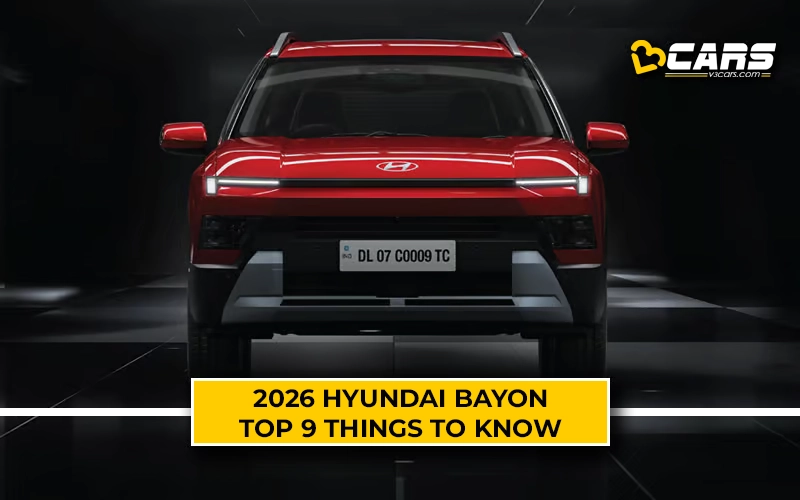
2026 Hyundai Bayon Top 9 Things To Know Before Launch
Hyundai have revealed the 2026 Bayon and detailed its safety equipment ahead of its October 26 launch. The new SUV is expected to sit between the Venue and Creta. Here are the top 9 things you should know about its design, powertrain, features and safety before launch.
Expert Car Reviews
View All Car Reviews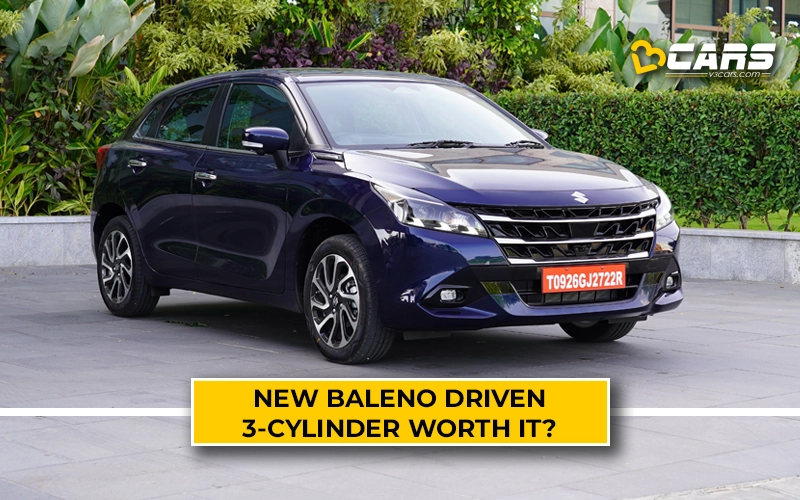
2026 Maruti Baleno Facelift Photo Gallery - Design, Features And Drive Review
The 2026 Maruti Baleno facelift gets a new 1.2L 3-cylinder petrol engine, level 2 ADAS and ventilated front seats. We drove it to see whether the new engine and added features make up for the loss of the old 4-cylinder’s refinement.
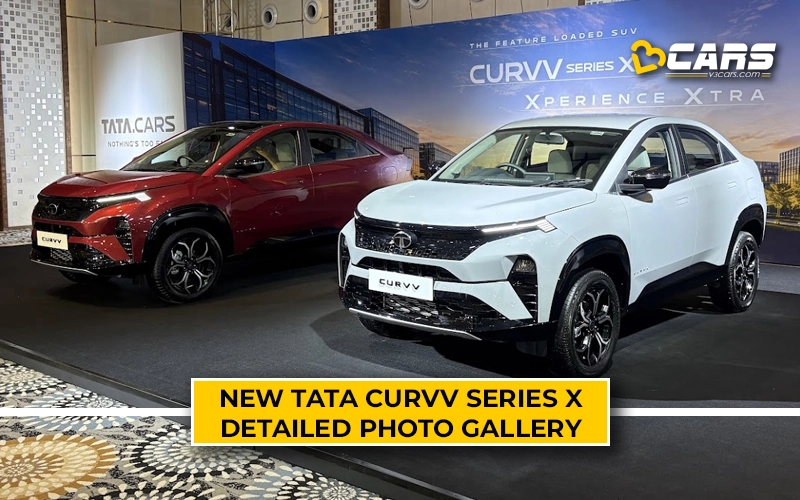
2026 Tata Curvv Series X Photo Gallery - Exterior, Interior And Features
Tata have launched the 2026 Curvv Series X with a simpler variant lineup and several features moved further down the range. We got a closer look at the new Curvv Series X, including the Pure X Plus and Creative X Plus variants. In this detailed photo gallery, we take you through their exterior differences, interior, features, rear-seat space and the construction of Tata’s R-Comfort seats.

2026 Maruti Brezza Facelift Worth Buying?
The 2026 Maruti Brezza adds a 1.0L turbo petrol engine, more features and a 5-star Bharat NCAP rating. Its underbody CNG cylinder also frees up the full 328L boot. However, not every powertrain and variant offers equally strong value. We explain which Brezza to buy and when a rival makes more sense.
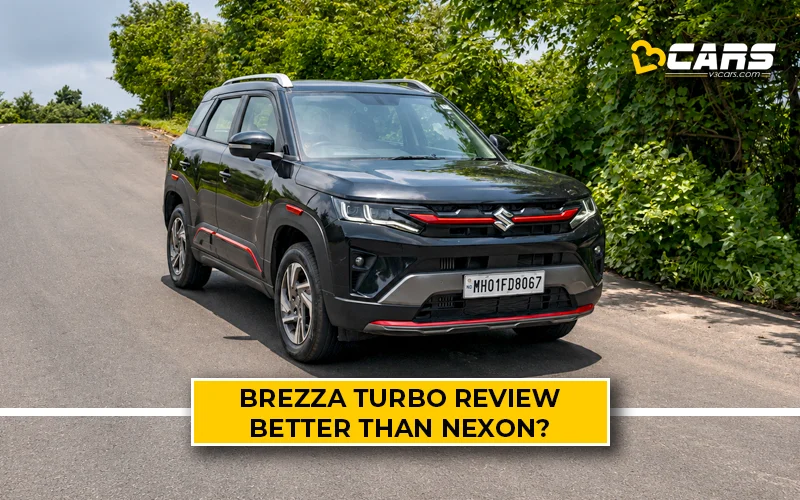
2026 Maruti Arena Brezza 1.0L Turbo Manual First Drive Review
We drove the 2026 Maruti Arena Brezza with its new 1.0L turbo petrol engine and 6-speed manual transmission. We covered roughly 50km over about 2 hours at speeds representative of typical city driving. Here are my impressions of its performance, refinement, mileage, highway manners, ride and everyday usability.
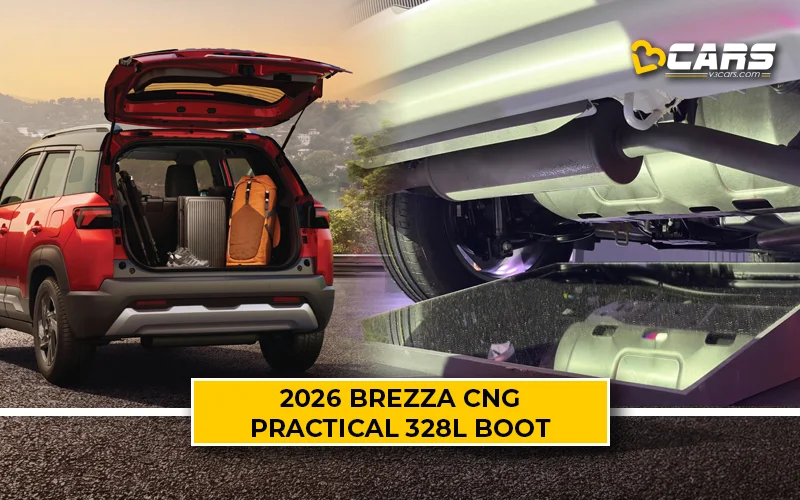
2026 Maruti Brezza CNG 328L Boot Space Explained
The 2026 Maruti Brezza CNG now has its cylinder mounted below the body, allowing it to retain the petrol version’s full 328L boot space. We examine the practical improvement, dimensions, ground clearance and boot-related features offered with each CNG variant.
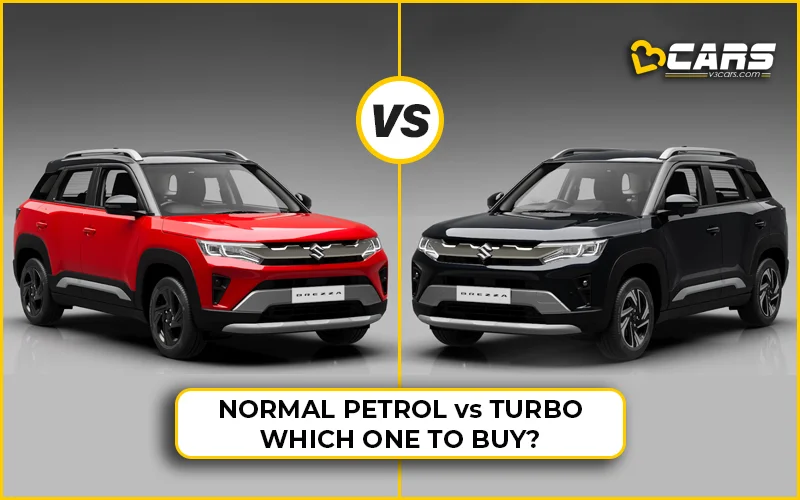
2026 Maruti Brezza 1.0L Turbo Vs 1.5L Petrol - Which One To Buy?
The 2026 Maruti Brezza offers a new 1.0L turbo petrol engine alongside the familiar 1.5L normal petrol. Both engines come with a new 6-speed manual transmission. The smaller turbo costs less and offers more power, torque and features, while the 1.5L petrol claims better mileage. We compare the 2 to determine which Brezza petrol-manual makes more sense.
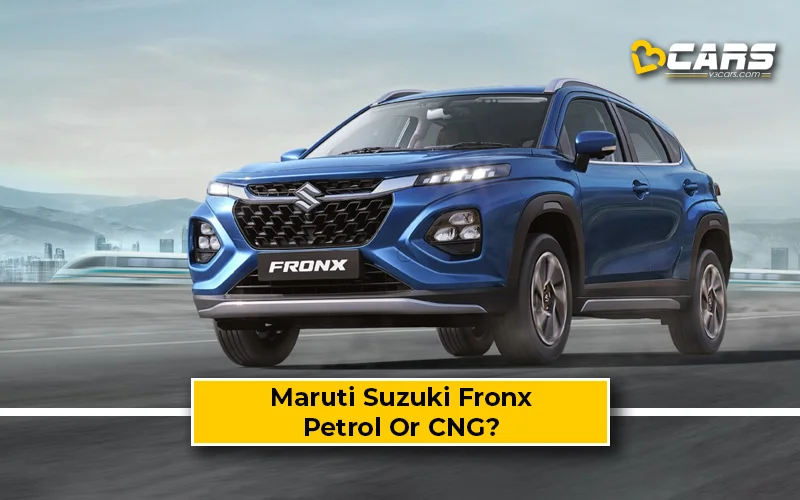
Maruti Arena Fronx Petrol Vs CNG Mileage And Running Cost
If you’re wondering whether to buy the Maruti Suzuki Fronx petrol or CNG, this article will help you make a data-backed decision. We compare the latest ex-showroom prices, official mileage figures and current fuel prices in Delhi to calculate the running cost difference between the Fronx petrol and CNG variants. We also calculate how many kilometres you need to drive the Fronx CNG to recover its higher upfront cost over the petrol variant.

2026 Honda ZR-V Hybrid Photo Gallery
The 2026 Honda ZR-V Hybrid is set to launch in India as Honda’s new flagship SUV on May 22, 2026. Positioned above the Elevate, the ZR-V will rival premium SUVs like the Volkswagen Tiguan R-Line and Skoda Kodiaq with its strong hybrid powertrain, premium interior and advanced features. In this detailed photo gallery, we take a closer look at the ZRV Hybrid’s design, cabin, practicality, safety features and hybrid technology.
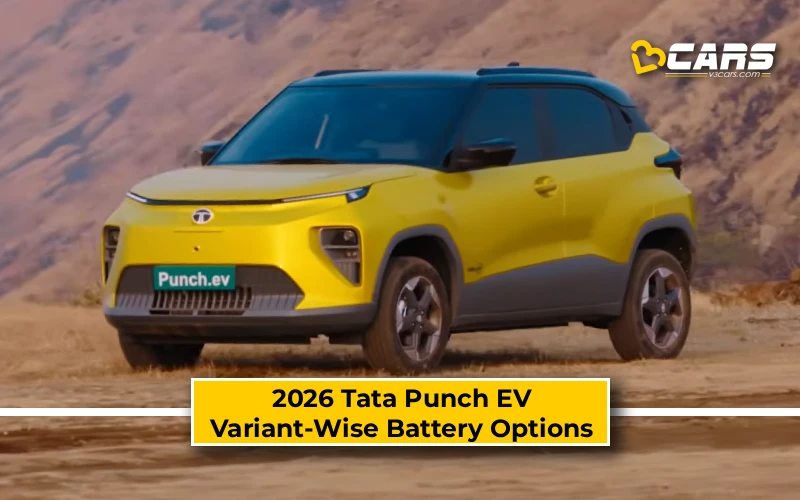
2026 Tata Punch EV Variant-Wise Powertrain Options – Battery, Range & Specifications
The 2026 Tata Punch EV is available with multiple battery pack and motor configurations, giving buyers the flexibility to choose between affordability and longer driving range. Depending on the variant, the new Punch EV offers different power outputs, battery capacities and claimed range. In this article, we break down the 2026 Punch EV’s variant-wise powertrain options and check out which variants get the 30kWh and 40kWh battery packs, along with their performance specifications, so you can pick the variant that best suits your needs.

Maruti Fronx 1.0L Turbo Petrol-Auto Mileage Test: Real World City, Highway Fuel Efficiency
In this article, we’ll present the data based on V3Cars mileage test and inform you about what real-world fuel efficiency you can expect from the Maruti Fronx 1.0L turbo petrol-automatic in city and highway driving conditions. We’ll also find out how much the mileage numbers deviate from the manufacturer-claimed fuel efficiency figures. The information presented in this article will also help you learn about the mileage differences you can expect when driving in the city vs driving on the highway.

10 Features New Kia Syros Gets Over Kia Sonet
Kia unveiled their all-new B2-segment SUV, the 2025 Syros, on December 19, 2024. While Kia India are yet to reveal the variant-wise prices of the 2025 Syros, it is expected to slot in between the Sonet B2-SUV and Seltos C-SUV.
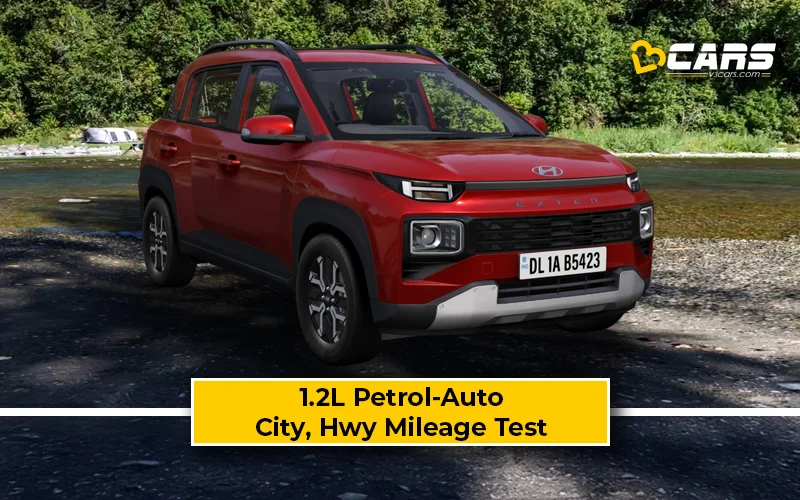
Hyundai Exter 1.2L Petrol-Auto Mileage Test: Real World City, Highway Fuel Efficiency
In this article, we’ll present the data based on V3Cars mileage test and inform you about what real-world fuel efficiency you can expect from the Hyundai Exter 1.2L petrol-automatic in city and highway driving conditions. We’ll also find out how much the mileage numbers deviate from the manufacturer-claimed fuel efficiency figures. The information presented in this article will also help you learn about the mileage differences you can expect when driving in the city vs driving on the highway.
Latest Videos
View All Car Latest Videos






Popular News
Mahindra Thar Roxx (Thar 5-door) Expected Price — #WithLogic (Updated: Jul 29)

5 Missing Features In Mahindra XUV700 Over Scorpio N

Top 5 Features Scorpio N Misses But The Tata Safari Gets

Top 5 Differences – Maruti Suzuki Grand Vitara Vs Toyota Urban Cruiser Hyryder

Maruti Suzuki Grand Vitara Ex-Showroom Price Leaked Ahead Of July 20 Debut

6 Missing Features In 2022 Hyundai Venue Facelift
Maruti Suzuki Grand Vitara Expected Prices
2022 Toyota Urban Cruiser Hyryder Expected Prices — Mild Hybrid, AWD And Mild Hybrid Auto
Kia Seltos Facelift Launch In 2023

2022 Mahindra Scorpio - First Teaser Drops Ft. Amitabh Bacchan
Updated Maruti Nexa Fronx Expected Price Calculation (Variant-wise) - With Logic

7 Missing Features In Hyundai Creta Over Toyota Urban Cruiser Hyryder
Latest Car News
Mahindra Bolero Bold Edition Revealed With Bronze Accents And Rear Camera
October 2026: Maruti Suzuki Grand Vitara Price Change - Hiked By Up To 10k
October 2026: Maruti Suzuki Victoris Price Change - Hiked By Up To 10k
October 2026: Maruti Suzuki Eeco Price Change - Hiked By Up To 5k
October 2026: Maruti Suzuki Invicto Price Change - Hiked By Up To 5k
October 2026: Maruti Suzuki Jimny Price Change - Hiked By Up To 5k
October 2026: Maruti Suzuki Brezza Price Change - Hiked By Up To 10k
October 2026: Maruti Suzuki Fronx Price Change - Hiked By Up To 5k
October 2026: Maruti Suzuki Ertiga Price Change — Hiked By Up To 10k
October 2026: Maruti Suzuki XL6 Price Change — Hiked By Up To 10k
Hyundai Bayon Safety Features Revealed Ahead Of October 26 Launch
Comments
0 comments