

 Upcoming CarsPopular CarsLatest CarsElectric Cars
Estimate costs and savings with our handy automotive calculators.
Simplify your car ownership journey with our buying, selling, and renewal tools.
Explore additional resources and comparisons for car enthusiasts.
Published : 25 June 2024
Read Time : 5 min
Author: Prathu Sharma
If you’re wondering whether you should buy the Hyundai Alcazar petrol or diesel then this article will help you come to a conclusion. Here, we’ll take the latest ex-showroom prices of the Alcazar and look at the price difference. Based on the current petrol and diesel prices, we’ll calculate the kilometres you need to drive the car to recover the higher upfront cost. This should help you decide which engine option of the Alcazar will work best for you and save you money in the long run. Let’s start with the difference in their ex-showroom prices.

Hyundai Alcazar Petrol Vs Diesel - Price Comparison
Let’s look at the latest ex-showroom prices of the Hyundai Alcazar petrol and diesel to see what extra cost you’re paying for the Alcazar diesel over the Alcazar petrol.
For the Hyundai Alcazar diesel manual, you’re paying between Rs. 1.01 lakh and Rs. 1.01 lakh more than the petrol.
With the automatic transmission, the ex-showroom price for the Alcazar diesel is Rs. 64,800 to Rs. 84,900 higher than the petrol.
Hyundai Alcazar Petrol Vs Diesel - Running Cost Calculation - June 2024
Now, let’s compare the per kilometre fuel cost you’ll incur with both the engine options. For this, we’ll use the latest petrol and diesel prices in Delhi and the official mileage figures as a baseline.
At the current fuel prices, the Hyundai Alcazar petrol manual will cost you Rs. 1.12 more than the Hyundai Alcazar diesel manual for every kilometre you drive.
With the automatic, the Hyundai Alcazar diesel will save you Rs. 0.5 compared to the petrol automatic.
Kilometres To Breakeven With Hyundai Alcazar Diesel
Depending on the variant, you’ll have to cover 90,088 to 90,446 km with the Hyundai Alcazar diesel manual to recover the extra price you pay upfront over the Alcazar petrol.
With the automatic, depending on the variant, you’ll have to cover 1.3 lakh to 1.7 lakh km with the Alcazar diesel to recover the extra price you pay upfront over the Alcazar petrol.
Should You Buy Hyundai Alcazar Petrol Or Diesel?
With the Hyundai Alcazar, choosing between the turbo petrol and turbo diesel variants may look simple at first. However, there are many factors to consider if you are in the market for the Hyundai Alcazar. With a kilometre-to-breakeven figure of over 90,000km, we would recommend the Alcazar turbo diesel only if you are considering long-term ownership and plan to drive the 3-row SUV for at least 1 lakh kilometres. If your requirements do not meet either of these conditions, then buy the Alcazar turbo petrol manual. However, it is important to note that the real world mileage of the turbo petrol manual powertrain will largely depend on your driving style as turbo petrol engines are sensitive to your right foot and traffic conditions.
If you are considering the Hyundai Alcazar with an automatic transmission, then we’d recommend the Alcazar turbo diesel automatic despite its greater kilometre-to-break even figure of 1.30 lakh to 1.70 lakh kilometres. DCT type of automatics, like the one found in the Alcazar turbo petrol automatic, are yet to establish themselves as long-term reliable workhorses in Indian climatic and driving conditions. Hence, we’d steer clear of the Alcazar turbo petrol automatic since both the 1.5-litre turbo petrol engine as well as the DCT transmission are relatively new in the market and are yet to prove themselves as reliable workhorses. On the other hand, the Alcazar turbo diesel combined with the TC automatic transmission has been around for years and this combination has proven itself to be reliable in Indian traffic conditions. That said, if you do not plan on owning the Hyundai Alcazar for a long term and want to experience the new turbo petrol-DCT combination, then by all means, go for the Hyundai Alcazar turbo petrol automatic.
You can use our Fuel Cost Calculator to see how any petrol, diesel or CNG car will cost to run based on the latest fuel price in your city.
Did you find this information helpful?

Data Analyst


Engineer by upbringing, artist by passion, motorhead because ,why not! Likes to know about everything related to technology, switches between american muscle and german innovation depending on the day. Wants to own 69' Mustang Mach 1 and to drive BMW M3 87'someday.
Car News Update
View All Latest News
Honda Alpha Electric SUV Teased Ahead Of December 2 Reveal
Honda have released the first teaser for the Alpha electric SUV and confirmed its global premiere for December 2, 2026. The Alpha is the production version of the 0 Alpha prototype showcased at the 2025 Japan Mobility Show. Expected to go on sale in India in early 2027, it will be Honda’s first electric car for the Indian market.

Range Rover SV Sawai Collection Launched In India At Rs. 4.9 Crore – Limited To 18 Units
Range Rover have unveiled the exclusive SV Sawai Collection in India, comprising 3 special editions inspired by the architectural heritage of Rajasthan. Limited to just 18 units, the collection includes 6 examples each of the Sawai Jaipur, Sawai Jodhpur and Sawai Jaisalmer editions. Each SUV is priced at Rs. 4.9 crore (ex-showroom).

November 2026: MG Majestor Price Change - Hiked By Up To 1 Lakh
MG have revised the prices of the Majestor for November 2026. All three variants with the 2.0L turbo diesel-automatic (TC) powertrain received a price hike of Rs. 1 lakh. The Savvy 2WD 6S, Savvy 2WD 7S and Savvy 4WD 7S variants have all become Rs. 1 lakh more expensive.
The MG Majestor 2026 prices now start from Rs. 43.49 lakh and go up to Rs. 45.99 lakh. In percentage terms, the price hike ranges from 2.22% to 2.35%.

Upcoming Cars In November 2026 - Mercedes-Benz GLC Electric, Denza, Mini & BMW
The Indian car market is set to see several new launches in November 2026, with luxury electric cars and performance models making up much of the upcoming lineup.
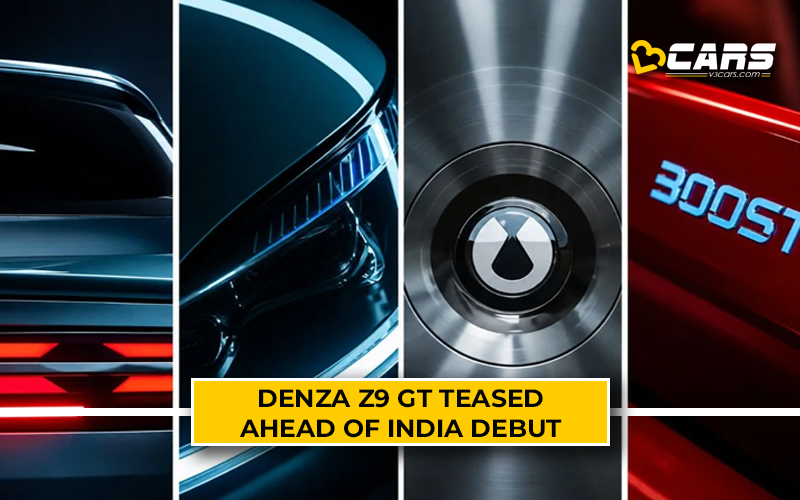
Denza Z9 GT Teased Ahead Of India Debut; Gets 1,156PS Tri-Motor Setup
Denza have officially teased the Z9 GT ahead of the brand’s India debut on November 13, 2026. The teaser offers a glimpse of the upcoming electric shooting brake’s exterior and interior design, marking the first time Denza have showcased the India-bound model.
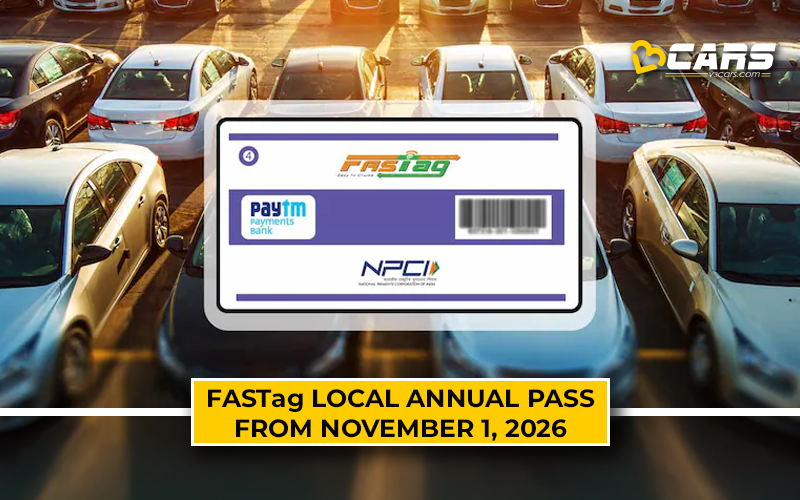
FASTag Local Annual Pass From November 1, 2026 – Eligibility, Fees And Benefits Explained
The Ministry of Road Transport and Highways (MoRTH) will introduce a concessional annual FASTag pass for eligible private non-commercial vehicle owners living within 20km of a National Highway toll plaza from November 1, 2026. The scheme is intended to make regular toll crossings more affordable for eligible local residents.

2026 Maruti Suzuki Fronx Facelift Spied – Top 5 Expected Changes
Maruti Suzuki have begun testing the Fronx facelift, with the first spy shots revealing a heavily camouflaged test mule. Launched in April 2023, the Fronx is due for a mid-cycle update that could bring revised styling, additional safety and convenience features, and a new 3-cylinder petrol engine.

Land Rover Defender Prices Cut By Up To Rs. 34 Lakh After Local Assembly
The Land Rover Defender 110 is now up to Rs. 34 lakh cheaper in India after Jaguar Land Rover (JLR) started assembling the luxury SUV at its Pune facility. Prices now start at Rs. 99 lakh (ex-showroom), taking the entry-level locally assembled version below the Rs. 1 crore mark. The price reduction is a result of shifting from importing fully built vehicles to assembling them in India using imported kits.
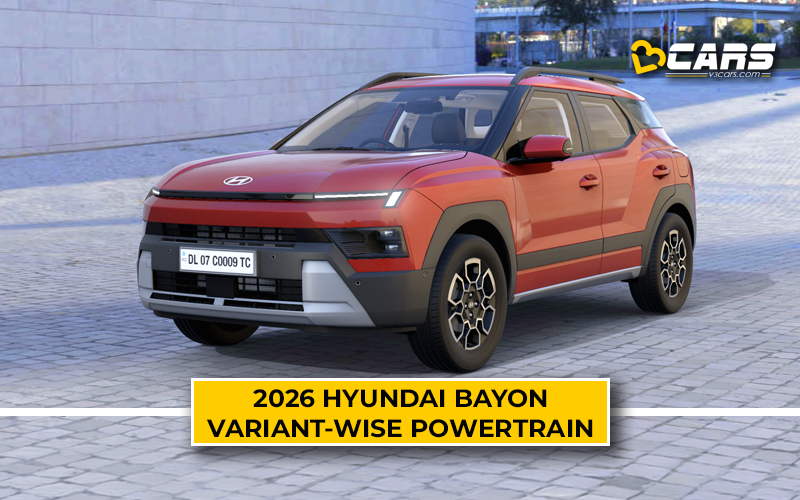
Hyundai Bayon – Variant-Wise Powertrain Options
Hyundai have launched the 2026 Bayon SUV with prices starting at Rs. 10 lakh (ex-showroom). Hyundai offer the 2026 Bayon in 7 variants with petrol-manual and petrol-automatic powertrain options. However, the automatic transmission is not available in all variants.

New Maruti Suzuki YMC Electric MPV Spotted
A new Maruti Suzuki electric MPV, internally codenamed YMC, was spotted testing recently, with fresh spy shots revealing more details about its exterior styling and cabin. Expected to share its underpinnings with the e Vitara, the upcoming electric MPV could expand Maruti Suzuki’s EV lineup with a more spacious family-oriented model.
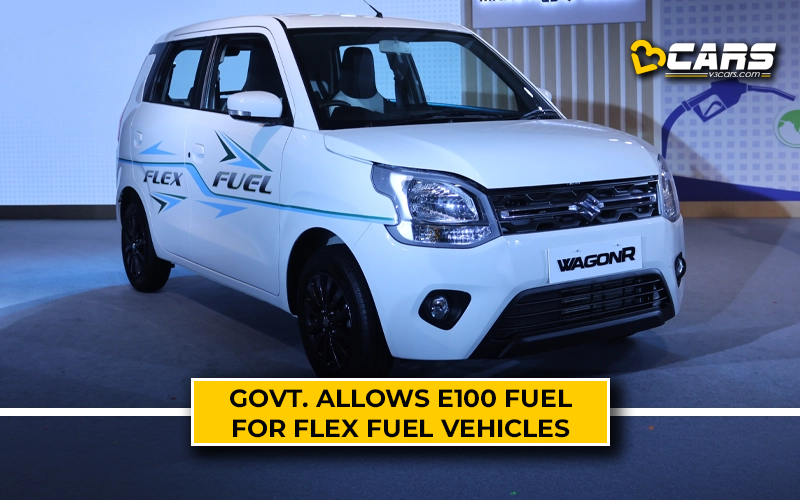
Government Allows E100 Fuel For Flex-Fuel Cars – What Changes For Buyers?
The Ministry of Road Transport and Highways (MoRTH) have amended the Central Motor Vehicles Rules (CMVR), 1989, to formally recognise E100 fuel for compatible flex-fuel vehicles. The change creates a clearer regulatory pathway for automakers to develop and certify vehicles that can run on higher ethanol blends, including fuel containing 100% ethanol. However, it does not mean that existing petrol cars can use E100 or that the fuel will become available at every petrol pump immediately.
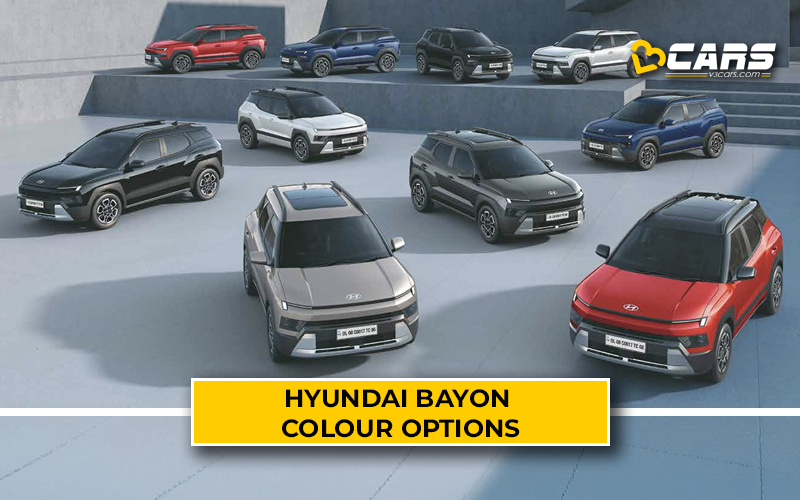
Hyundai Bayon Variant-Wise Colours
Hyundai offer 10 exterior colour options for the Bayon. These include 6 single-tone shades, 2 matte finishes and 2 dual-tone combinations. Here’s their variant-wise availability, along with the interior colour themes paired with them.
Expert Car Reviews
View All Car Reviews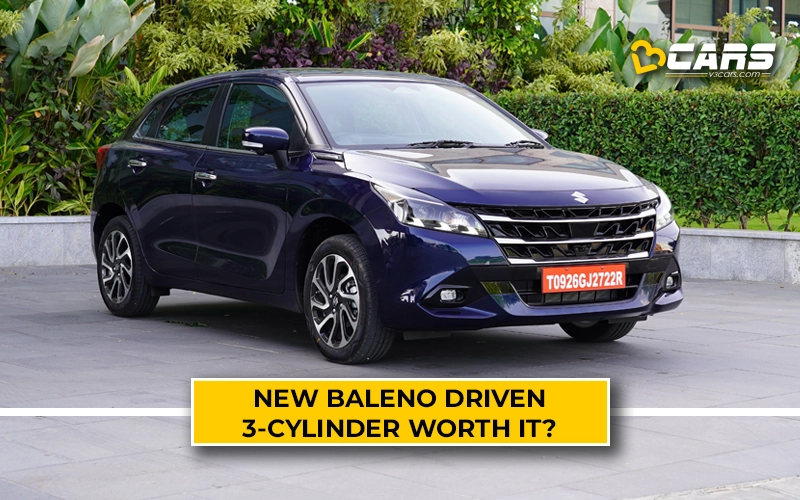
2026 Maruti Baleno Facelift Photo Gallery - Design, Features And Drive Review
The 2026 Maruti Baleno facelift gets a new 1.2L 3-cylinder petrol engine, level 2 ADAS and ventilated front seats. We drove it to see whether the new engine and added features make up for the loss of the old 4-cylinder’s refinement.
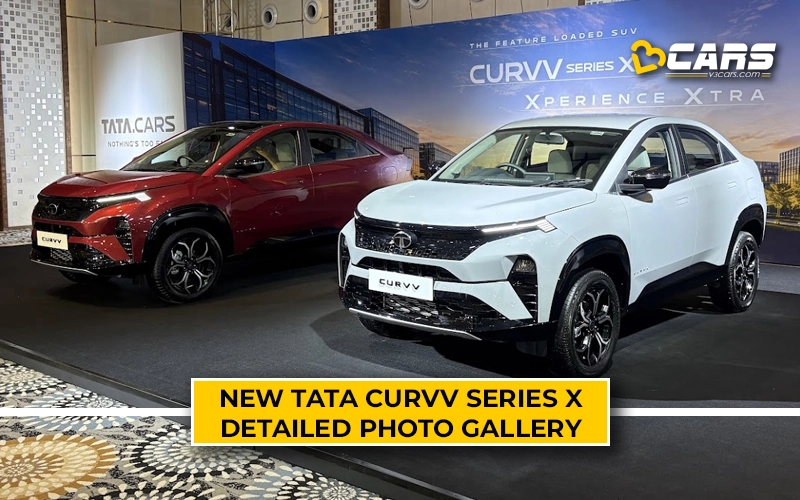
2026 Tata Curvv Series X Photo Gallery - Exterior, Interior And Features
Tata have launched the 2026 Curvv Series X with a simpler variant lineup and several features moved further down the range. We got a closer look at the new Curvv Series X, including the Pure X Plus and Creative X Plus variants. In this detailed photo gallery, we take you through their exterior differences, interior, features, rear-seat space and the construction of Tata’s R-Comfort seats.

2026 Maruti Brezza Facelift Worth Buying?
The 2026 Maruti Brezza adds a 1.0L turbo petrol engine, more features and a 5-star Bharat NCAP rating. Its underbody CNG cylinder also frees up the full 328L boot. However, not every powertrain and variant offers equally strong value. We explain which Brezza to buy and when a rival makes more sense.
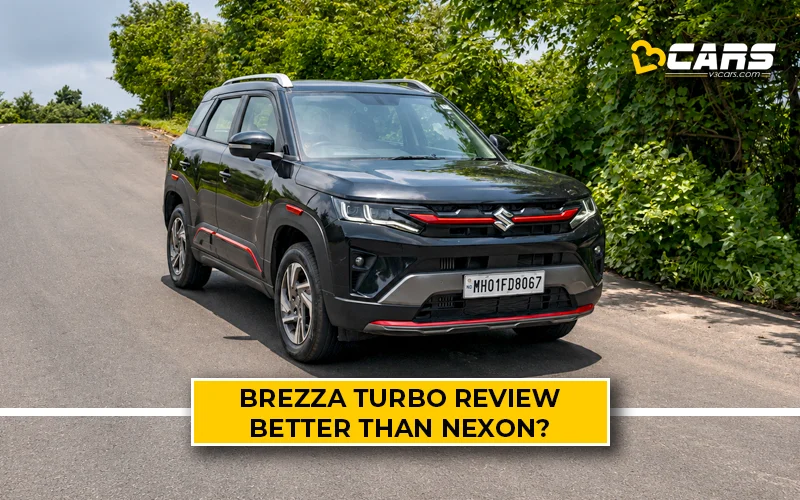
2026 Maruti Arena Brezza 1.0L Turbo Manual First Drive Review
We drove the 2026 Maruti Arena Brezza with its new 1.0L turbo petrol engine and 6-speed manual transmission. We covered roughly 50km over about 2 hours at speeds representative of typical city driving. Here are my impressions of its performance, refinement, mileage, highway manners, ride and everyday usability.
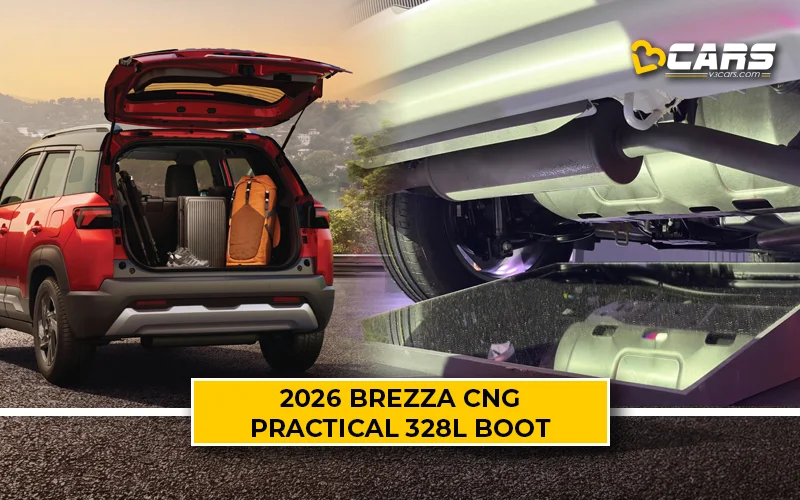
2026 Maruti Brezza CNG 328L Boot Space Explained
The 2026 Maruti Brezza CNG now has its cylinder mounted below the body, allowing it to retain the petrol version’s full 328L boot space. We examine the practical improvement, dimensions, ground clearance and boot-related features offered with each CNG variant.
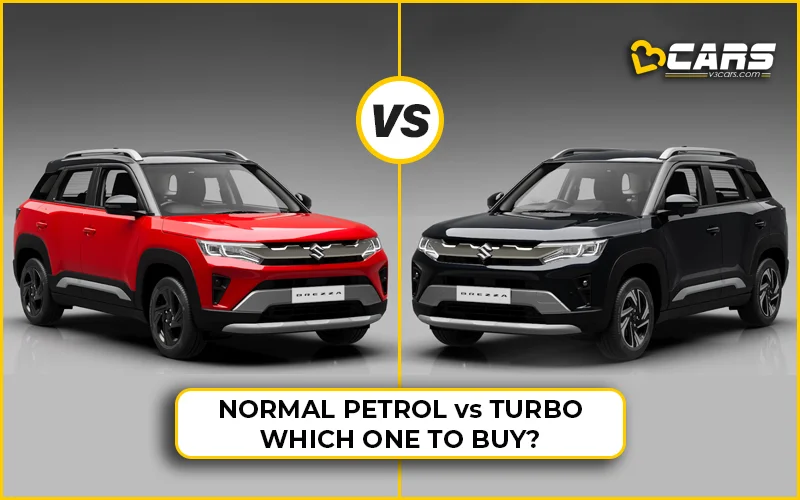
2026 Maruti Brezza 1.0L Turbo Vs 1.5L Petrol - Which One To Buy?
The 2026 Maruti Brezza offers a new 1.0L turbo petrol engine alongside the familiar 1.5L normal petrol. Both engines come with a new 6-speed manual transmission. The smaller turbo costs less and offers more power, torque and features, while the 1.5L petrol claims better mileage. We compare the 2 to determine which Brezza petrol-manual makes more sense.
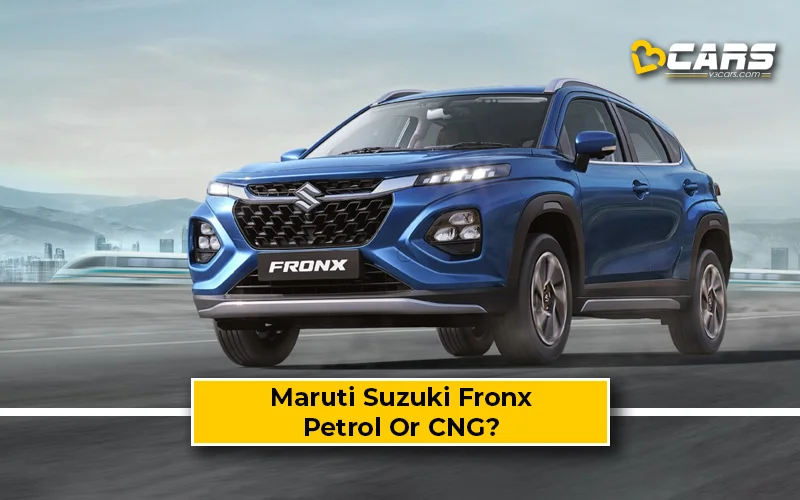
Maruti Arena Fronx Petrol Vs CNG Mileage And Running Cost
If you’re wondering whether to buy the Maruti Suzuki Fronx petrol or CNG, this article will help you make a data-backed decision. We compare the latest ex-showroom prices, official mileage figures and current fuel prices in Delhi to calculate the running cost difference between the Fronx petrol and CNG variants. We also calculate how many kilometres you need to drive the Fronx CNG to recover its higher upfront cost over the petrol variant.

2026 Honda ZR-V Hybrid Photo Gallery
The 2026 Honda ZR-V Hybrid is set to launch in India as Honda’s new flagship SUV on May 22, 2026. Positioned above the Elevate, the ZR-V will rival premium SUVs like the Volkswagen Tiguan R-Line and Skoda Kodiaq with its strong hybrid powertrain, premium interior and advanced features. In this detailed photo gallery, we take a closer look at the ZRV Hybrid’s design, cabin, practicality, safety features and hybrid technology.
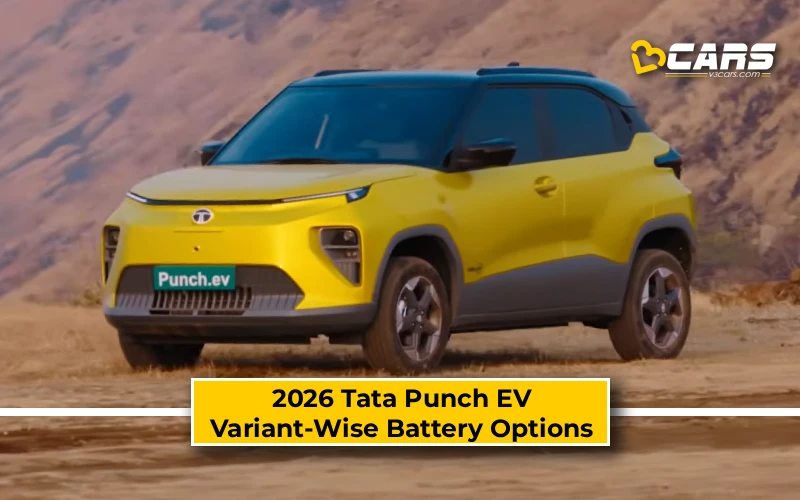
2026 Tata Punch EV Variant-Wise Powertrain Options – Battery, Range & Specifications
The 2026 Tata Punch EV is available with multiple battery pack and motor configurations, giving buyers the flexibility to choose between affordability and longer driving range. Depending on the variant, the new Punch EV offers different power outputs, battery capacities and claimed range. In this article, we break down the 2026 Punch EV’s variant-wise powertrain options and check out which variants get the 30kWh and 40kWh battery packs, along with their performance specifications, so you can pick the variant that best suits your needs.
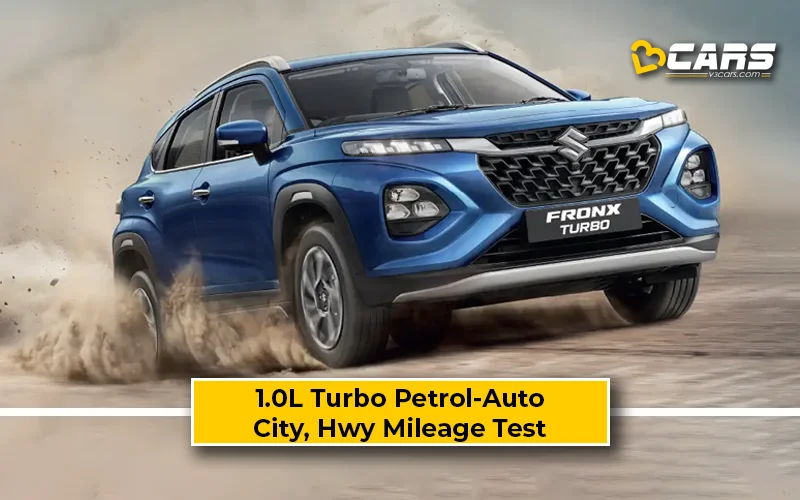
Maruti Fronx 1.0L Turbo Petrol-Auto Mileage Test: Real World City, Highway Fuel Efficiency
In this article, we’ll present the data based on V3Cars mileage test and inform you about what real-world fuel efficiency you can expect from the Maruti Fronx 1.0L turbo petrol-automatic in city and highway driving conditions. We’ll also find out how much the mileage numbers deviate from the manufacturer-claimed fuel efficiency figures. The information presented in this article will also help you learn about the mileage differences you can expect when driving in the city vs driving on the highway.
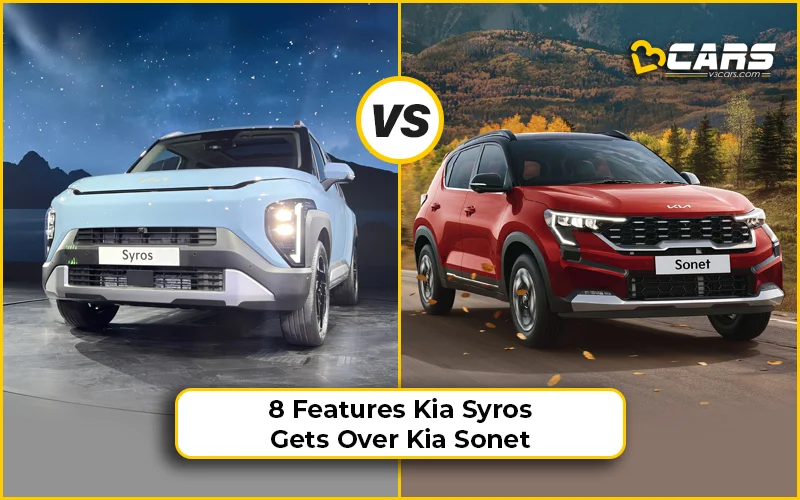
10 Features New Kia Syros Gets Over Kia Sonet
Kia unveiled their all-new B2-segment SUV, the 2025 Syros, on December 19, 2024. While Kia India are yet to reveal the variant-wise prices of the 2025 Syros, it is expected to slot in between the Sonet B2-SUV and Seltos C-SUV.
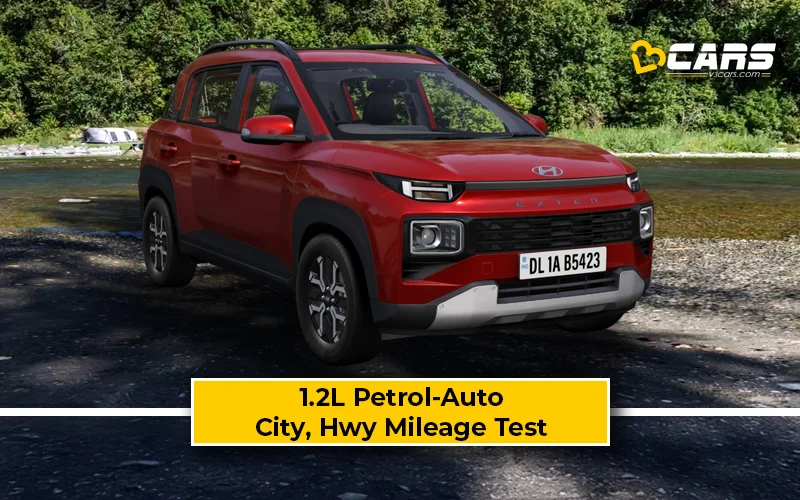
Hyundai Exter 1.2L Petrol-Auto Mileage Test: Real World City, Highway Fuel Efficiency
In this article, we’ll present the data based on V3Cars mileage test and inform you about what real-world fuel efficiency you can expect from the Hyundai Exter 1.2L petrol-automatic in city and highway driving conditions. We’ll also find out how much the mileage numbers deviate from the manufacturer-claimed fuel efficiency figures. The information presented in this article will also help you learn about the mileage differences you can expect when driving in the city vs driving on the highway.
Latest Videos
View All Car Latest Videos




Upcoming Cars In India
View All Upcoming Cars




Popular News

Mahindra Thar Roxx (Thar 5-door) Expected Price — #WithLogic (Updated: Jul 29)

5 Missing Features In Mahindra XUV700 Over Scorpio N

Top 5 Features Scorpio N Misses But The Tata Safari Gets
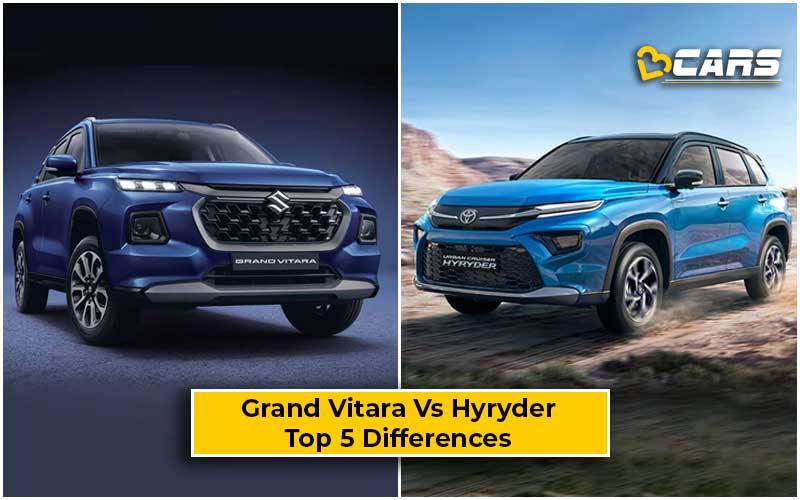
Top 5 Differences – Maruti Suzuki Grand Vitara Vs Toyota Urban Cruiser Hyryder

Maruti Suzuki Grand Vitara Ex-Showroom Price Leaked Ahead Of July 20 Debut

6 Missing Features In 2022 Hyundai Venue Facelift
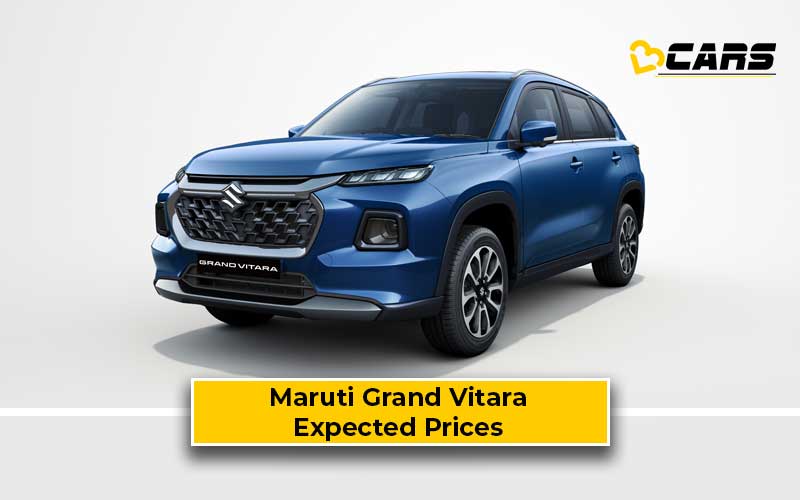
Maruti Suzuki Grand Vitara Expected Prices
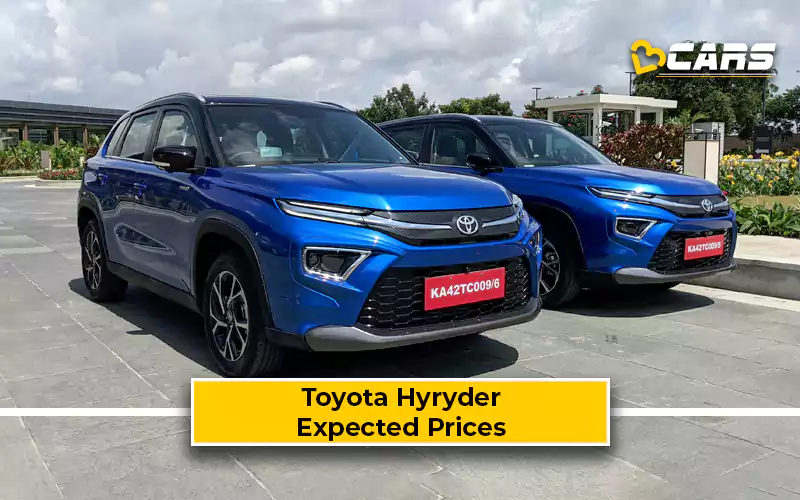
2022 Toyota Urban Cruiser Hyryder Expected Prices — Mild Hybrid, AWD And Mild Hybrid Auto

Kia Seltos Facelift Launch In 2023

2022 Mahindra Scorpio - First Teaser Drops Ft. Amitabh Bacchan
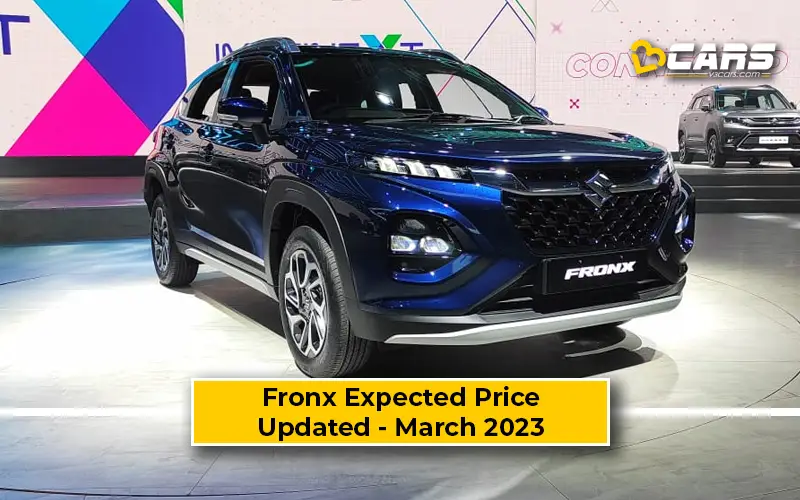
Updated Maruti Nexa Fronx Expected Price Calculation (Variant-wise) - With Logic

7 Missing Features In Hyundai Creta Over Toyota Urban Cruiser Hyryder
Latest Car News
Honda Alpha Electric SUV Teased Ahead Of December 2 Reveal
Range Rover SV Sawai Collection Launched In India At Rs. 4.9 Crore – Limited To 18 Units
November 2026: MG Majestor Price Change - Hiked By Up To 1 Lakh
Upcoming Cars In November 2026 - Mercedes-Benz GLC Electric, Denza, Mini & BMW
Denza Z9 GT Teased Ahead Of India Debut; Gets 1,156PS Tri-Motor Setup
FASTag Local Annual Pass From November 1, 2026 – Eligibility, Fees And Benefits Explained
2026 Maruti Suzuki Fronx Facelift Spied – Top 5 Expected Changes
Land Rover Defender Prices Cut By Up To Rs. 34 Lakh After Local Assembly
Hyundai Bayon – Variant-Wise Powertrain Options
New Maruti Suzuki YMC Electric MPV Spotted
Government Allows E100 Fuel For Flex-Fuel Cars – What Changes For Buyers?
Comments
0 comments