

 Upcoming CarsPopular CarsLatest CarsElectric Cars
Estimate costs and savings with our handy automotive calculators.
Simplify your car ownership journey with our buying, selling, and renewal tools.
Explore additional resources and comparisons for car enthusiasts.
Published : 03 September 2026
Read Time : 5 min
Author: Guest Author
A car used to offer the same experience every time you got in it. That's no longer true. Voice assistants, personalised settings, software updates and configurable driving modes are turning cars into machines that adapt to their users.

The Mahindra BE 6 Sporteq is a good example of where this is headed. It runs on 5G connectivity, comes with Amazon Alexa built in and layers on Mahindra's own TEQ_Me, TEQ_Drive and, on the higher variants, TEQ_Talk with Google Gemini. The point isn't to cram in more screens - it's to make the things you do every day, like adjusting the AC or finding a charger, take fewer taps.
What Does An "AI-Powered Car" Actually Mean?
In practice, it comes down to a handful of things: the car recognises who's driving and adjusts itself accordingly, you can talk to it in plain language instead of memorising commands, it gets smarter over time through software updates and it can react to road and driving conditions rather than staying fixed in one setup.
Your Car Remembers You Now
This is probably the change people notice first. Instead of resetting the mirrors and climate every time someone else drives the car, a connected vehicle can just recognise you and load your setup.
In the BE 6 Sporteq, that's handled by TEQ_Me, which auto-detects the driver from the Two variant upward. Step up further and you also get a powered driver's seat with memory settings and mirrors that auto-dip when you reverse - small things, but they add up over a year of daily driving.
Talking To Your Car Is Finally Getting Less Awkward
Older voice systems needed exact phrases - say it wrong and nothing happens. That's changing. The BE 6 Sporteq ships with Amazon Alexa built in across the range, and on the Four, Launch Edition and FE Four variants, TEQ_Talk brings in Google Gemini for a noticeably more natural back-and-forth.
The real test for any in-car assistant isn't how impressive the demo looks - it's whether it actually saves you from digging through menus while you're driving.
It's Not Just Phone Mirroring Anymore
Wireless Android Auto and Apple CarPlay are standard at this point, but the BE 6 Sporteq goes further with 5G-based connected car features, a built-in app suite and over-the-air software updates. That last part matters more than it sounds - it means the car you buy today isn't the car you're stuck with for the next 5 years. Features can arrive after delivery, not just at launch.
Under the hood of the infotainment system, the base variant runs on a Qualcomm 8155 Snapdragon chipset, moving up to the more powerful 8295 chip on Four, Launch Edition and FE Four. For an EV that leans this heavily on software, chip power ends up shaping how the cabin actually feels to use.
6 Ways To Drive The Same Car
Software also decides how the car responds to your right foot. The BE 6 Sporteq offers Default, Range, Everyday, Race, Custom and Snow drive modes, and TEQ_Drive adds a couple of unusual ones on top: Drift Mode, which switches off the Electronic Stability Program (ESP) for controlled conditions, and Revive / Revive SOS, which squeezes out extra range when you're stuck at 0 percent and need to limp to a charger.
There's also multi-level regenerative braking and single-pedal driving throughout the range, with an Auto regen setting that kicks in on the mid-and-higher variants.
Driver Assistance Gets More Serious As You Go Up The Range
Advanced Driver Assistance Systems (ADAS) aren't a single on/off feature here - they scale with the variant. Three Plus introduces Level 2 ADAS using 1 radar and 1 camera. Move up to Four, Launch Edition or FE Four and it becomes Level 2+, backed by 5 radars and 1 camera.
Worth saying plainly: none of this replaces paying attention. These systems assist - they don't drive the car for you.
The Car Keeps Watching After You've Parked It
Security doesn't switch off when the ignition does. On the higher variants, Secure360 Pro gives you 360-degree monitoring around the parked car, live view, audio relay, intrusion alerts and continuous dashcam recording - all accessible through the Me4U app. It's a genuinely useful layer on top of normal parking precautions, not a replacement for them.
The Cabin Is Becoming An Entertainment Space Too
On the Four, Launch Edition and FE Four variants, TEQ_Play adds private Bluetooth audio streaming, an in-car gaming suite with support for up to 4 controllers, Dolby Vision and karaoke. Three Plus gets GrooveMe Party, and TEQ_xting lets you personalise the LED tail-lamp display with your own messages and animations.
Not everyone will care about the gaming suite the same way they care about the ADAS package - and that's fine. This is the kind of feature set where different buyers will weight things differently, and that's by design.
More Screens Don't Make A Smarter Car
Screen count is an easy thing to market and an easy thing to over-value. The base One variant gets dual 31.24cm Super HD screens with a Halo instrument cluster. Two, Three, Three Plus and Four move to a coast-to-coast triple-screen layout with a straight instrument panel. FE and FE Four go back to a dual-screen setup, also with the Halo cluster.
What actually matters is whether you can find what you need without hunting - and on the higher variants, the VisionX augmented-reality head-up display adds a layer of information you don't even need to glance down for.
The Bottom Line
None of this is really about how many screens a car has or how many acronyms are printed on the spec sheet. It's about whether the technology removes friction from an ordinary Tuesday commute - fewer menus to dig through, settings that are already the way you like them, a car that keeps an eye on things when you're not around.
The Mahindra BE 6 Sporteq pulls a lot of that together: driver profiles, a proper voice assistant, configurable drive behaviour, connected security and ADAS that scales with the variant. Whether it's the right car for you depends less on the feature list and more on which of these you'd actually use every day.
Frequently Asked Questions
Does The Mahindra BE 6 Sporteq Have Google Gemini?
Yes - but only on the Four, Launch Edition and FE Four variants, where it powers TEQ_Talk. Lower variants still get built-in Amazon Alexa.
Which BE 6 Sporteq Variant Is The First To Get ADAS?
Level 2 ADAS with 1 radar and 1 camera starts at Three Plus. Level 2+ ADAS with 5 radars and 1 camera is available from Four, Launch Edition and FE Four.
Does The BE 6 Sporteq Get Software Updates After Purchase?
Yes, it supports over-the-air (OTA) software updates, so new features can be added after the car has already been delivered.
What Is TEQ_Me?
It's Mahindra's driver-profile system. From the Two variant onward, it automatically detects who's driving and adjusts seat, mirror, climate and infotainment settings to match.
What Does Drift Mode Do?
It temporarily disables the ESP to allow controlled drifting. It's meant for controlled environments only, not public roads.
Disclaimer: The views, opinions or facts expressed in this article are solely those of the guest author or contributor. These opinions do not represent those of V3Cars and/or those of V3Cars’ representatives or authors.
Did you find this information helpful?

Guest Author
Our guest author is excited to share their passion for automobiles and looks forward to connecting with readers who share their love for everything on wheels. Through their writing, they aim to inspire, educate, and celebrate the timeless allure of the automotive world.
Car News Update
View All Latest News
Mahindra XUV 3XO CNG Gets 5-Star Bharat NCAP Safety Rating
Bharat NCAP has extended the Mahindra XUV 3XO’s 5-star safety rating to its factory-fitted CNG variants, sold as the XUV 3XO ZNG. The CNG version earned 5 stars in both categories, scoring 29.36 out of 32.00 for adult occupant protection and 45.00 out of 49.00 for child occupant protection.
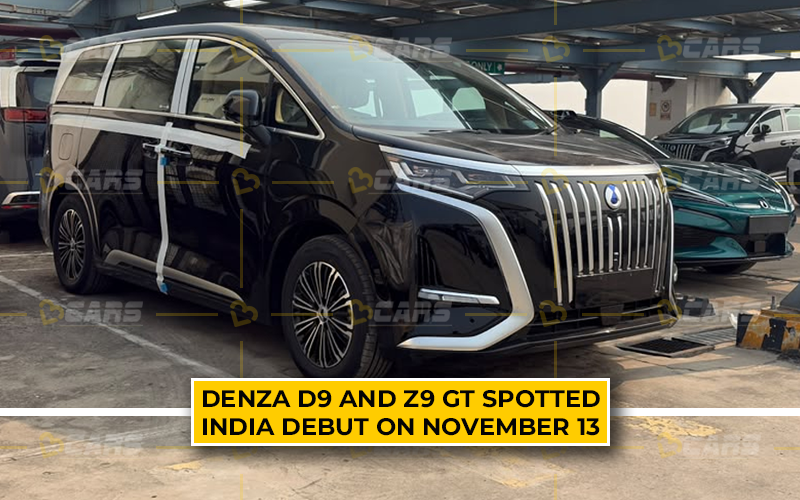
Denza D9 And Z9 GT Spotted At Dealer Yard Ahead Of India Debut
V3Cars have obtained exclusive photos of at least 3 Denza D9 electric MPVs at a dealer yard. A green Denza Z9 GT, the brand’s high-performance electric estate, is parked nearby. BYD’s luxury brand will make its India debut in Mumbai on November 13, 2026.

November 2026: VinFast VF MPV 7 Electric Price Change - Reduced By Rs. 4.10 Lakh
VinFast have revised the prices of the VF MPV 7 Electric for November 2026. The VF MPV 7 Electric with the 60.13kWh battery pack received a price cut of Rs. 4.10 lakh, making it significantly more affordable.
The VinFast VF MPV 7 Electric 2026 price now stands at Rs. 20.39 lakh, down from its previous price of Rs. 24.49 lakh. In percentage terms, the price reduction stands at 16.74%.

Toyota Innova Crysta Limo Launched For Fleet Customers; Prices Remain Unchanged
Toyota have introduced the Innova Crysta Limo, a dedicated offering for fleet and commercial mobility customers. Available exclusively in the GX-SLF variant, the new Limo branding aims to give Toyota’s professional mobility offering a distinct identity.
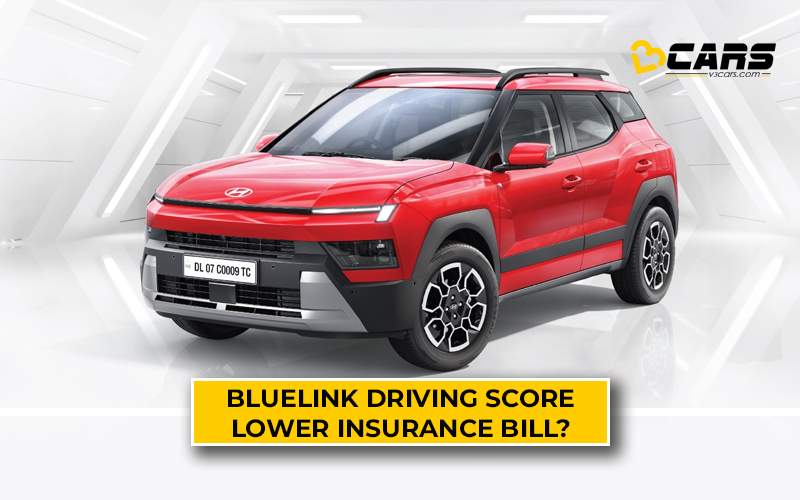
Hyundai Introduce Usage-Based Car Insurance For Bluelink Users
Hyundai have introduced usage-based insurance for owners of Bluelink-connected cars across their range. It lets insurance companies offer up to 15 percent off the own-damage premium at renewal, depending on the car’s driving score on the Bluelink app.

2027 Kia Sonet Spied Testing – New Design, Split Headlamps, Curved Screen Expected
Kia have begun testing the 2nd-generation Sonet in India ahead of its expected launch in 2027. The latest spy shots of the upcoming B2-segment SUV reveals several changes to its exterior design.
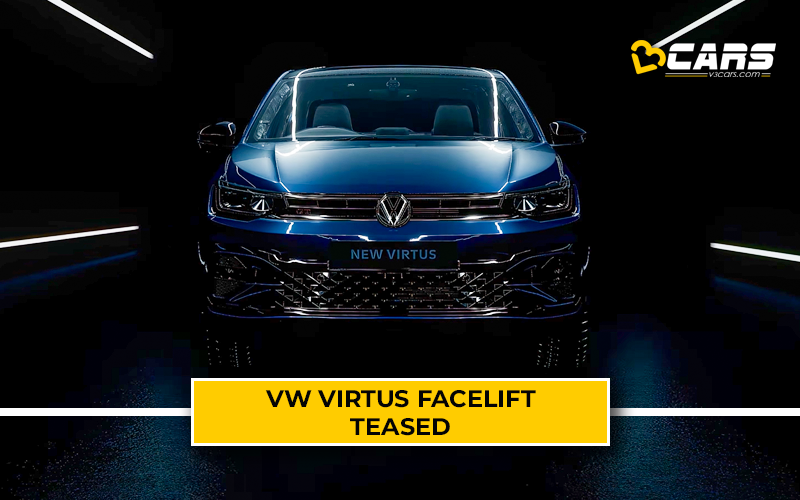
2026 Volkswagen Virtus Facelift Teased Ahead Of Launch
Volkswagen have released a teaser of the updated Virtus, offering an early look at the facelifted sedan’s revised styling. The 2026 Virtus facelift is expected to make its India debut in late November, ahead of an early-December launch.
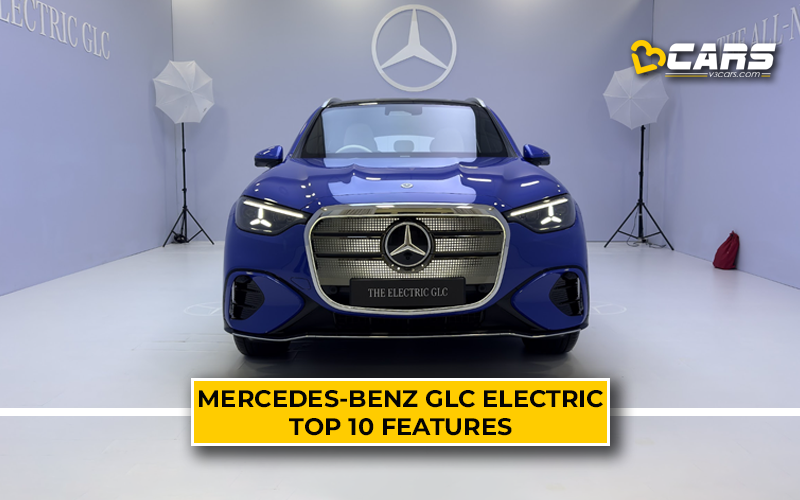
Top 10 Features Of Mercedes-Benz GLC 400 4Matic Electric SUV
Mercedes-Benz have launched the GLC Electric in India at Rs. 78.50 lakh (ex-showroom). The electric SUV comes in the GLC 400 4MATIC variant with AMG Line styling and a 94kWh battery.

Mercedes-Benz GLC Electric Launched In India At Rs. 78.50 Lakh
Mercedes-Benz have launched the GLC Electric in India at Rs. 78.50 lakh (ex-showroom). The electric SUV comes in the GLC 400 4MATIC variant with AMG Line styling and a 94kWh battery. It offers 4-wheel drive and a claimed WLTP range of 711km. Locally assembled at Chakan, Pune, it joins the existing petrol and diesel GLC in the brand’s India lineup. Here’s a look at its price, range, charging capabilities and key features.
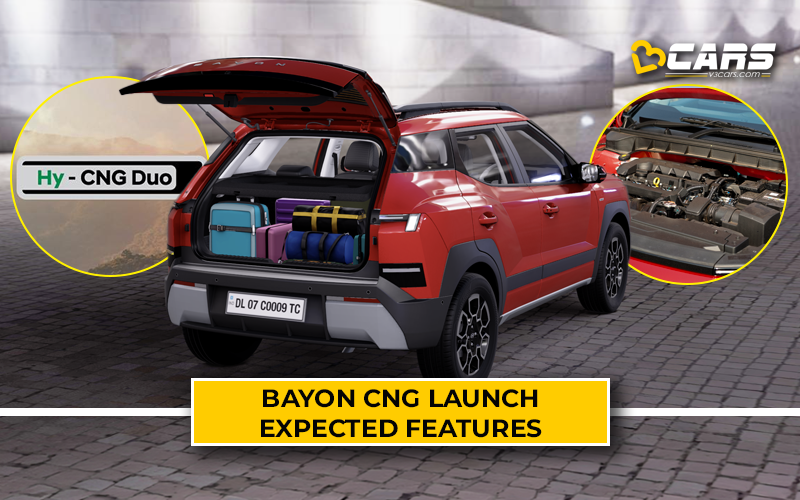
Hyundai Bayon CNG - Expected Price, Engine, Boot Space And Features
Hyundai will launch the Bayon CNG in January 2027, expanding the SUV’s powertrain lineup beyond petrol-manual and petrol-CVT options. The CNG version is expected to use the existing 1.5L engine, with lower power and torque outputs. For buyers considering it, the price premium, luggage space and variant-wise features will matter alongside mileage. Here’s what we know and what to expect from the upcoming Hyundai Bayon CNG.

Nissan Offer Free CNG Retrofitment On Select Magnite And Gravite Variants This Festive Season
Nissan Motor India have announced a limited-period festive offer that provides CNG retrofitment at no additional cost on select variants of the Magnite and Gravite. The offer, valid until November 16, 2026, covers government-approved CNG kits worth Rs. 74,999 for the Magnite and Rs. 85,999 for the Gravite.
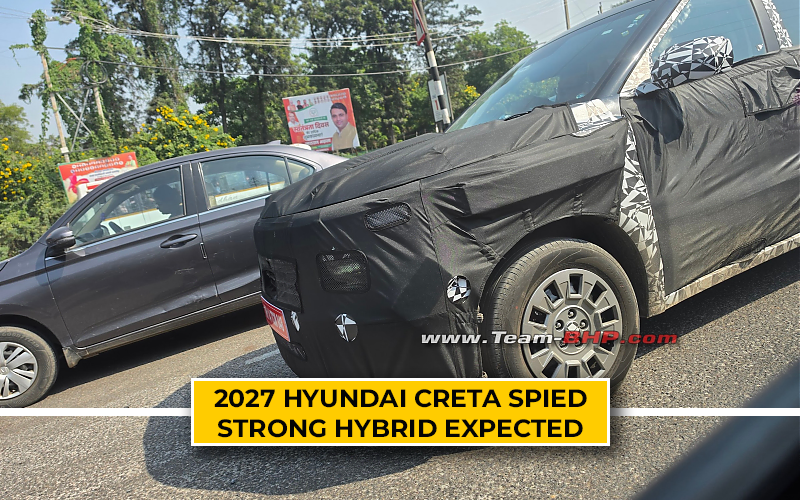
2027 Hyundai Creta Spied – Pleos Connect, Strong Hybrid Powertrain Expected
The next-generation Hyundai Creta was spotted testing in Manali recently, revealing fresh exterior design details. The 3rd generation Creta will launch in India in April 2027 and is expected to be positioned above the new Bayon 2026.
Expert Car Reviews
View All Car Reviews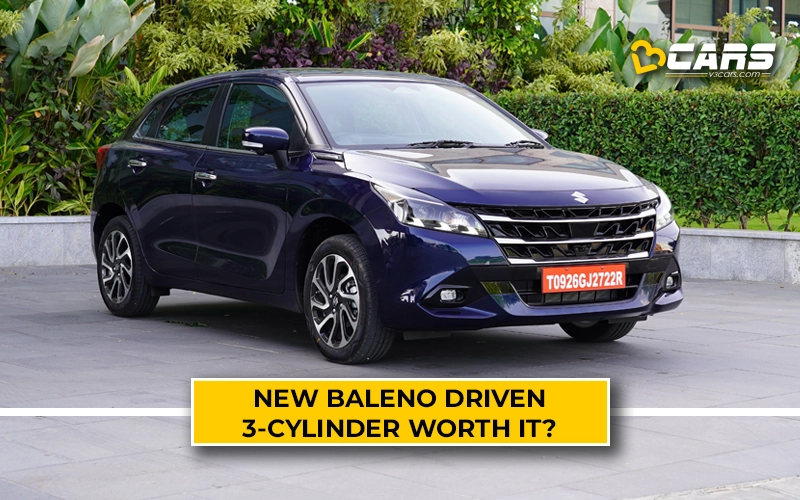
2026 Maruti Baleno Facelift Photo Gallery - Design, Features And Drive Review
The 2026 Maruti Baleno facelift gets a new 1.2L 3-cylinder petrol engine, level 2 ADAS and ventilated front seats. We drove it to see whether the new engine and added features make up for the loss of the old 4-cylinder’s refinement.
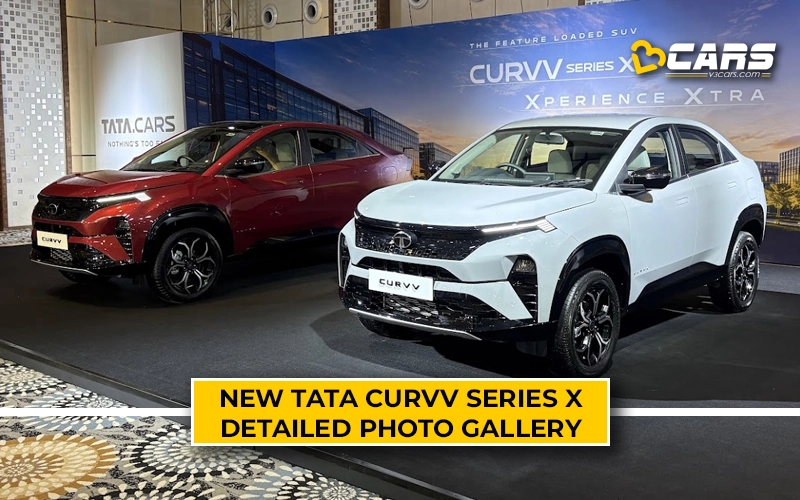
2026 Tata Curvv Series X Photo Gallery - Exterior, Interior And Features
Tata have launched the 2026 Curvv Series X with a simpler variant lineup and several features moved further down the range. We got a closer look at the new Curvv Series X, including the Pure X Plus and Creative X Plus variants. In this detailed photo gallery, we take you through their exterior differences, interior, features, rear-seat space and the construction of Tata’s R-Comfort seats.
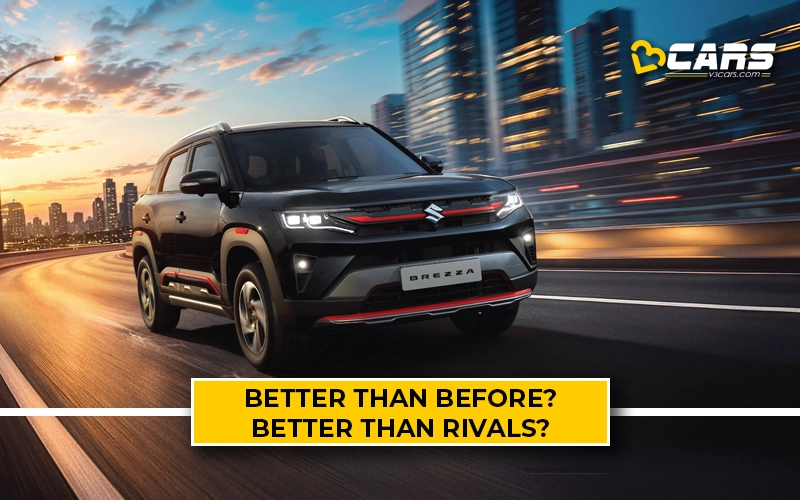
2026 Maruti Brezza Facelift Worth Buying?
The 2026 Maruti Brezza adds a 1.0L turbo petrol engine, more features and a 5-star Bharat NCAP rating. Its underbody CNG cylinder also frees up the full 328L boot. However, not every powertrain and variant offers equally strong value. We explain which Brezza to buy and when a rival makes more sense.
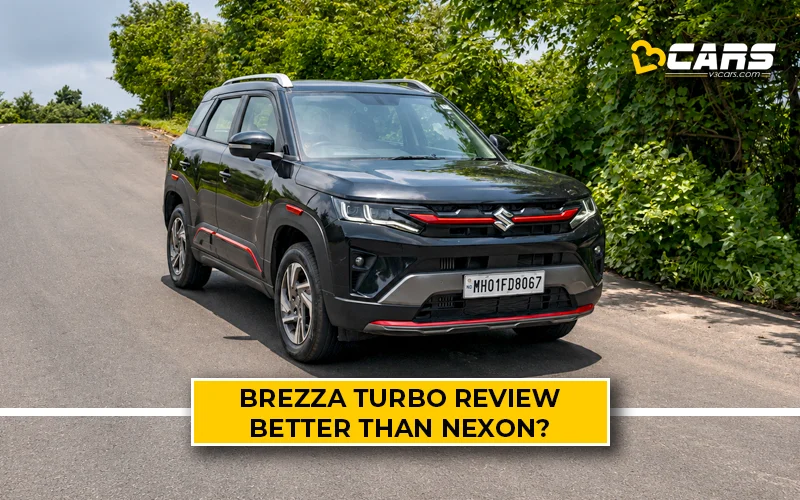
2026 Maruti Arena Brezza 1.0L Turbo Manual First Drive Review
We drove the 2026 Maruti Arena Brezza with its new 1.0L turbo petrol engine and 6-speed manual transmission. We covered roughly 50km over about 2 hours at speeds representative of typical city driving. Here are my impressions of its performance, refinement, mileage, highway manners, ride and everyday usability.
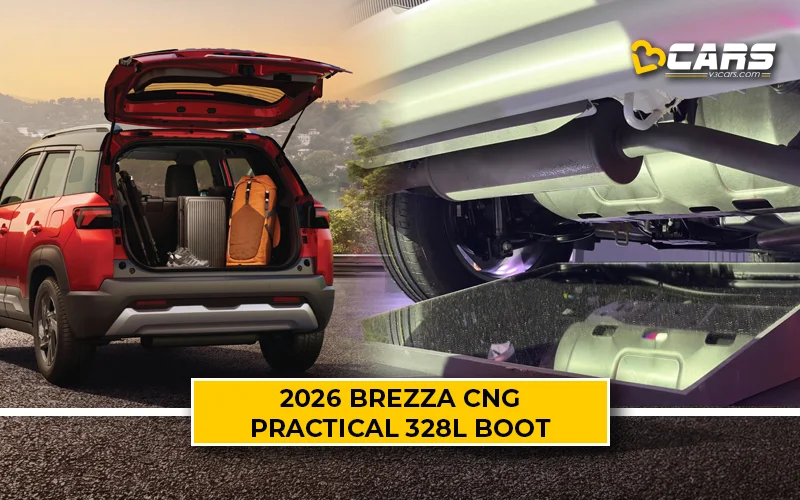
2026 Maruti Brezza CNG 328L Boot Space Explained
The 2026 Maruti Brezza CNG now has its cylinder mounted below the body, allowing it to retain the petrol version’s full 328L boot space. We examine the practical improvement, dimensions, ground clearance and boot-related features offered with each CNG variant.
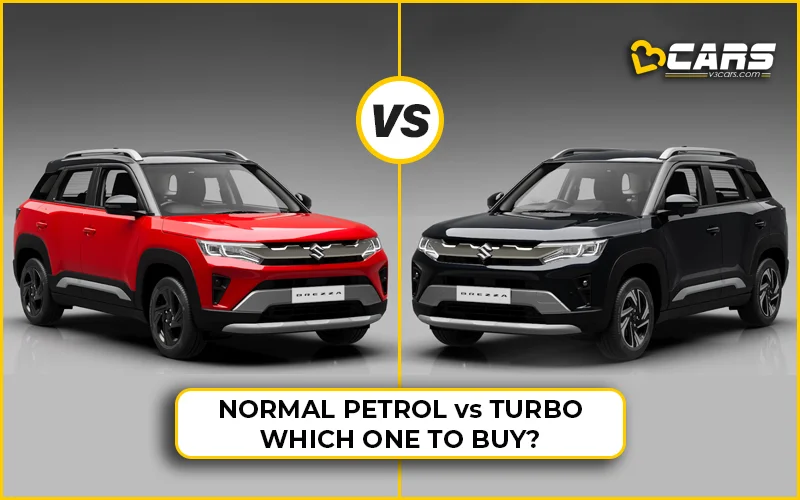
2026 Maruti Brezza 1.0L Turbo Vs 1.5L Petrol - Which One To Buy?
The 2026 Maruti Brezza offers a new 1.0L turbo petrol engine alongside the familiar 1.5L normal petrol. Both engines come with a new 6-speed manual transmission. The smaller turbo costs less and offers more power, torque and features, while the 1.5L petrol claims better mileage. We compare the 2 to determine which Brezza petrol-manual makes more sense.
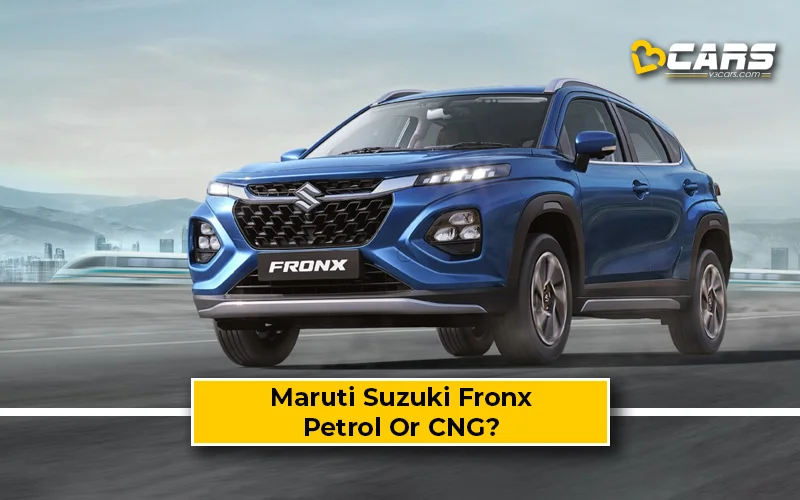
Maruti Arena Fronx Petrol Vs CNG Mileage And Running Cost
If you’re wondering whether to buy the Maruti Suzuki Fronx petrol or CNG, this article will help you make a data-backed decision. We compare the latest ex-showroom prices, official mileage figures and current fuel prices in Delhi to calculate the running cost difference between the Fronx petrol and CNG variants. We also calculate how many kilometres you need to drive the Fronx CNG to recover its higher upfront cost over the petrol variant.
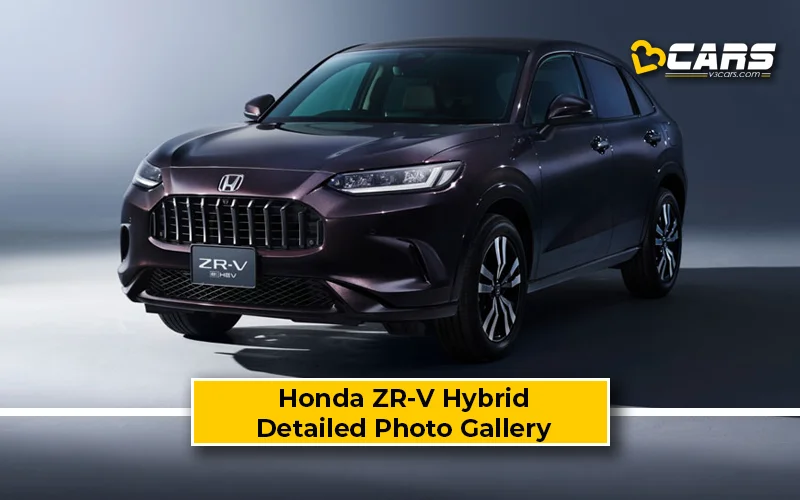
2026 Honda ZR-V Hybrid Photo Gallery
The 2026 Honda ZR-V Hybrid is set to launch in India as Honda’s new flagship SUV on May 22, 2026. Positioned above the Elevate, the ZR-V will rival premium SUVs like the Volkswagen Tiguan R-Line and Skoda Kodiaq with its strong hybrid powertrain, premium interior and advanced features. In this detailed photo gallery, we take a closer look at the ZRV Hybrid’s design, cabin, practicality, safety features and hybrid technology.
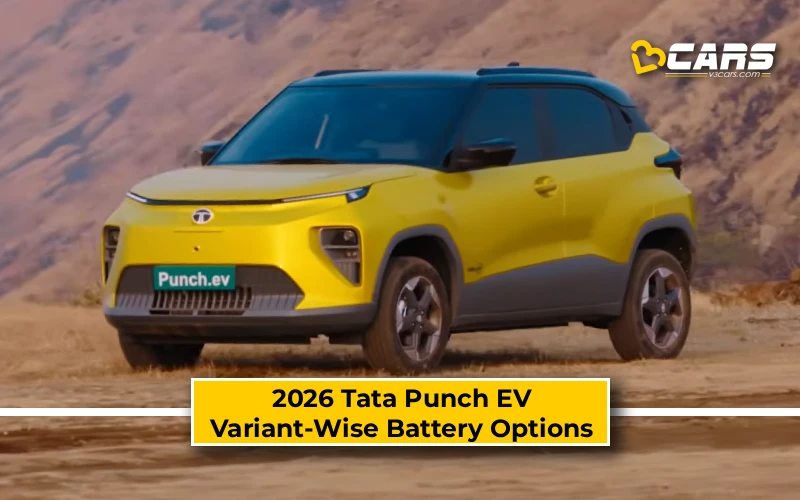
2026 Tata Punch EV Variant-Wise Powertrain Options – Battery, Range & Specifications
The 2026 Tata Punch EV is available with multiple battery pack and motor configurations, giving buyers the flexibility to choose between affordability and longer driving range. Depending on the variant, the new Punch EV offers different power outputs, battery capacities and claimed range. In this article, we break down the 2026 Punch EV’s variant-wise powertrain options and check out which variants get the 30kWh and 40kWh battery packs, along with their performance specifications, so you can pick the variant that best suits your needs.
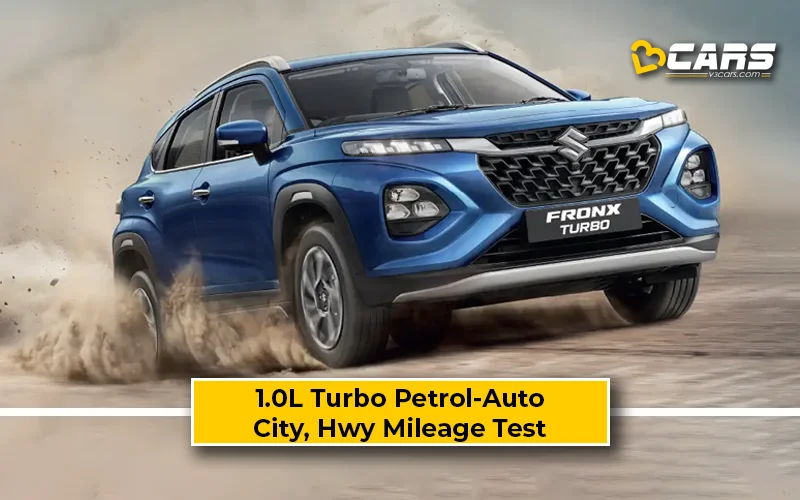
Maruti Fronx 1.0L Turbo Petrol-Auto Mileage Test: Real World City, Highway Fuel Efficiency
In this article, we’ll present the data based on V3Cars mileage test and inform you about what real-world fuel efficiency you can expect from the Maruti Fronx 1.0L turbo petrol-automatic in city and highway driving conditions. We’ll also find out how much the mileage numbers deviate from the manufacturer-claimed fuel efficiency figures. The information presented in this article will also help you learn about the mileage differences you can expect when driving in the city vs driving on the highway.
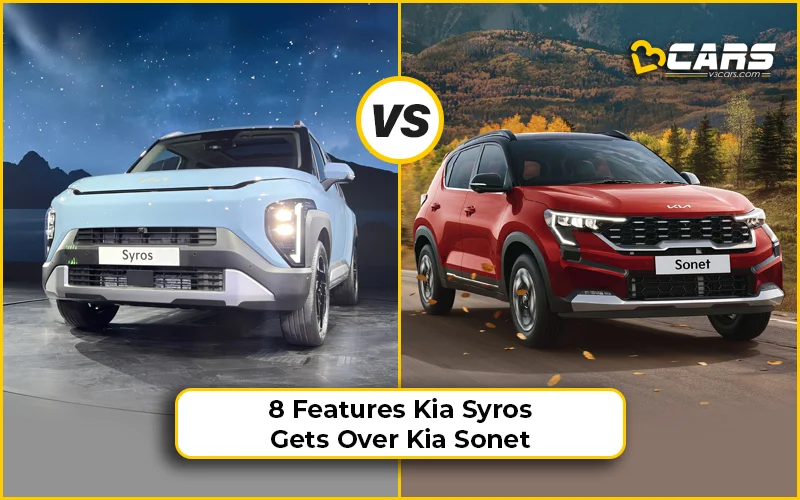
10 Features New Kia Syros Gets Over Kia Sonet
Kia unveiled their all-new B2-segment SUV, the 2025 Syros, on December 19, 2024. While Kia India are yet to reveal the variant-wise prices of the 2025 Syros, it is expected to slot in between the Sonet B2-SUV and Seltos C-SUV.
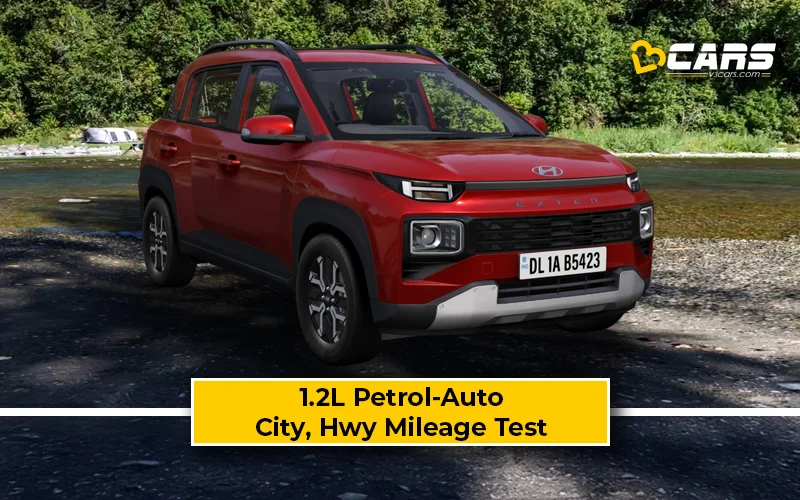
Hyundai Exter 1.2L Petrol-Auto Mileage Test: Real World City, Highway Fuel Efficiency
In this article, we’ll present the data based on V3Cars mileage test and inform you about what real-world fuel efficiency you can expect from the Hyundai Exter 1.2L petrol-automatic in city and highway driving conditions. We’ll also find out how much the mileage numbers deviate from the manufacturer-claimed fuel efficiency figures. The information presented in this article will also help you learn about the mileage differences you can expect when driving in the city vs driving on the highway.
Latest Videos
View All Car Latest Videos


Upcoming Cars In India
View All Upcoming Cars




Popular News
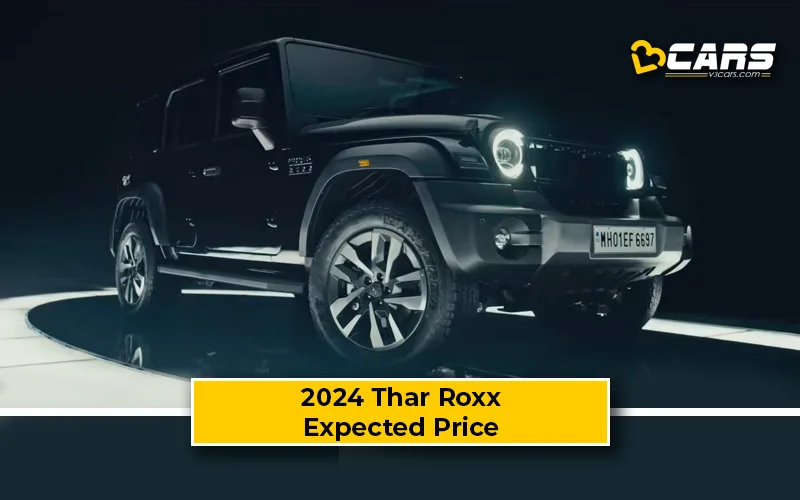
Mahindra Thar Roxx (Thar 5-door) Expected Price — #WithLogic (Updated: Jul 29)

5 Missing Features In Mahindra XUV700 Over Scorpio N

Top 5 Features Scorpio N Misses But The Tata Safari Gets
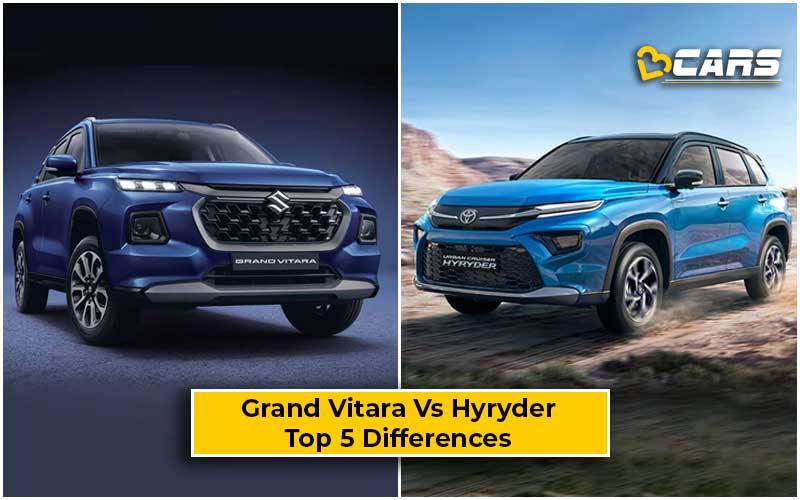
Top 5 Differences – Maruti Suzuki Grand Vitara Vs Toyota Urban Cruiser Hyryder
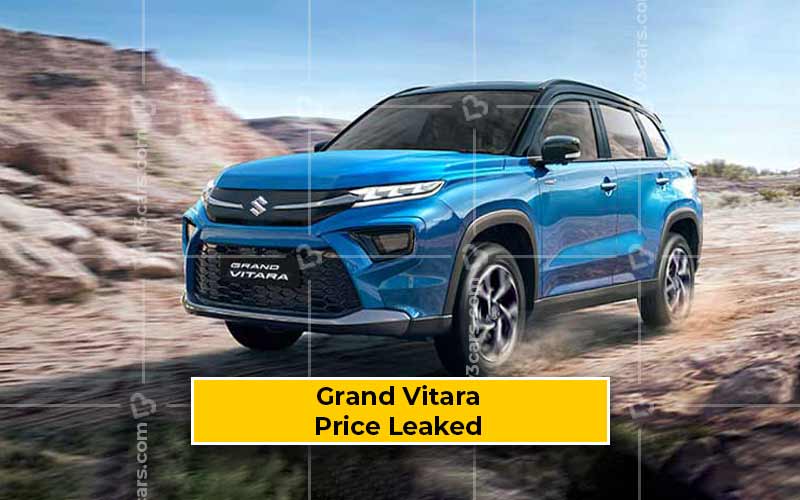
Maruti Suzuki Grand Vitara Ex-Showroom Price Leaked Ahead Of July 20 Debut

6 Missing Features In 2022 Hyundai Venue Facelift
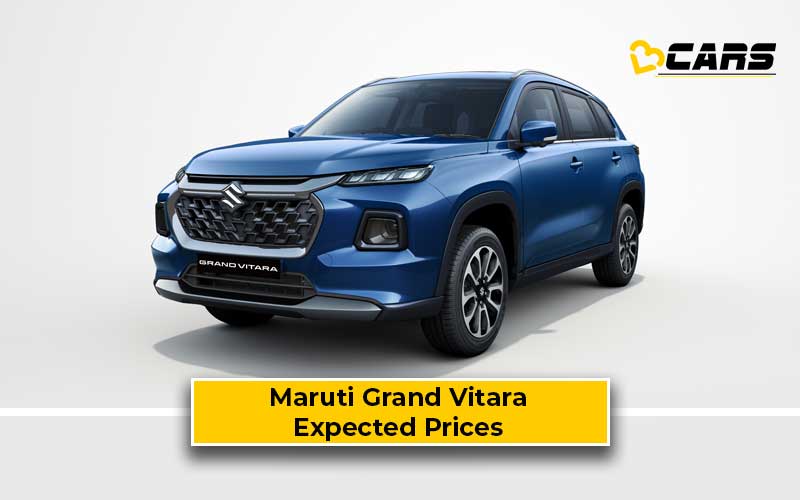
Maruti Suzuki Grand Vitara Expected Prices
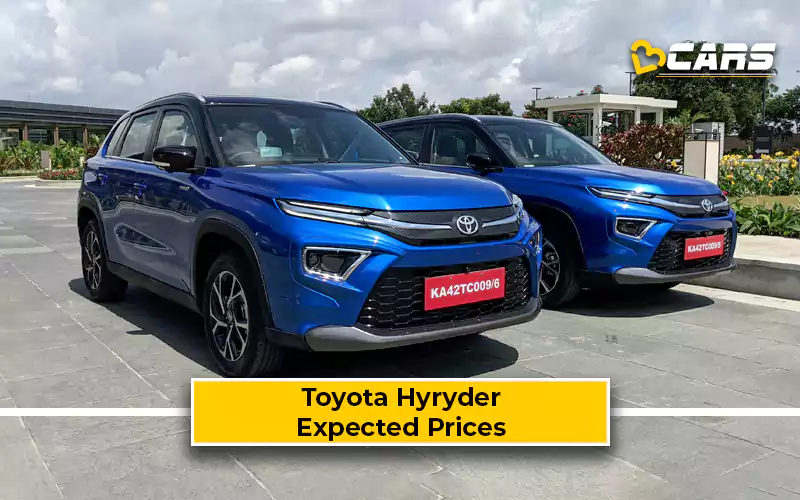
2022 Toyota Urban Cruiser Hyryder Expected Prices — Mild Hybrid, AWD And Mild Hybrid Auto
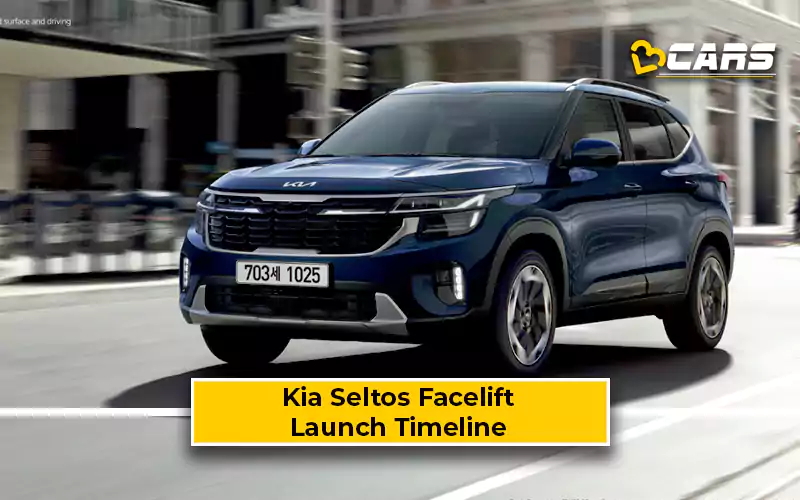
Kia Seltos Facelift Launch In 2023
2022 Mahindra Scorpio - First Teaser Drops Ft. Amitabh Bacchan
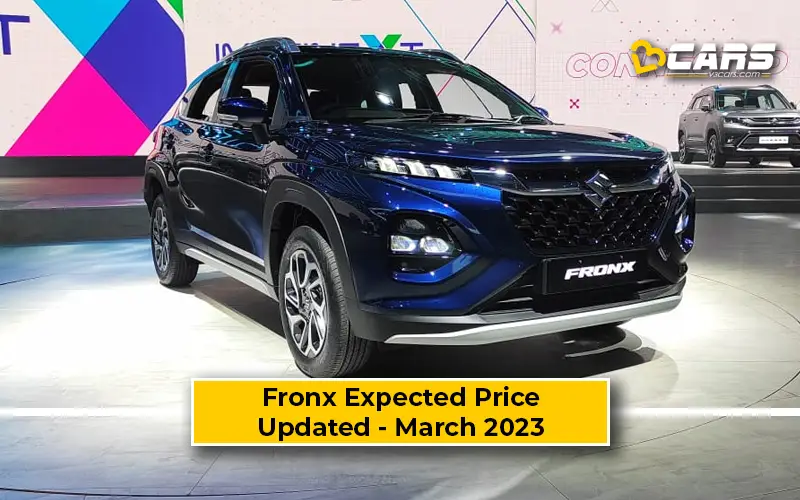
Updated Maruti Nexa Fronx Expected Price Calculation (Variant-wise) - With Logic
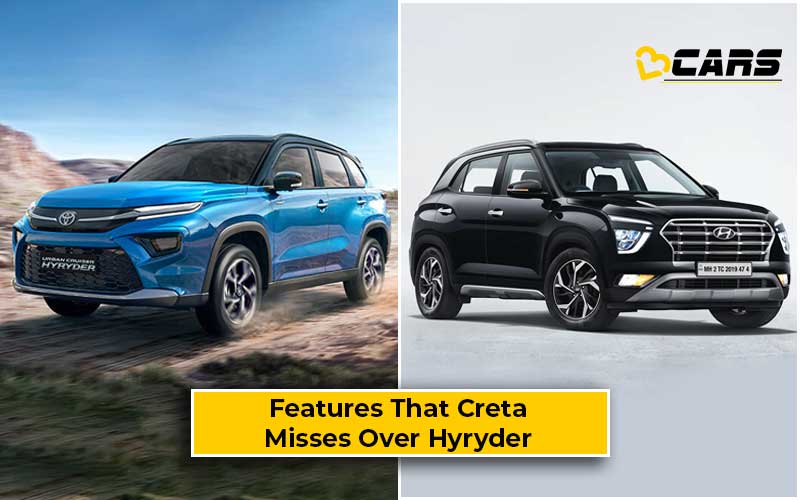
7 Missing Features In Hyundai Creta Over Toyota Urban Cruiser Hyryder
Latest Car News
Mahindra XUV 3XO CNG Gets 5-Star Bharat NCAP Safety Rating
Denza D9 And Z9 GT Spotted At Dealer Yard Ahead Of India Debut
November 2026: VinFast VF MPV 7 Electric Price Change - Reduced By Rs. 4.10 Lakh
Toyota Innova Crysta Limo Launched For Fleet Customers; Prices Remain Unchanged
Hyundai Introduce Usage-Based Car Insurance For Bluelink Users
2027 Kia Sonet Spied Testing – New Design, Split Headlamps, Curved Screen Expected
2026 Volkswagen Virtus Facelift Teased Ahead Of Launch
Top 10 Features Of Mercedes-Benz GLC 400 4Matic Electric SUV
Mercedes-Benz GLC Electric Launched In India At Rs. 78.50 Lakh
Hyundai Bayon CNG - Expected Price, Engine, Boot Space And Features
Nissan Offer Free CNG Retrofitment On Select Magnite And Gravite Variants This Festive Season
Comments
0 comments