

 Upcoming CarsPopular CarsLatest CarsElectric Cars
Estimate costs and savings with our handy automotive calculators.
Simplify your car ownership journey with our buying, selling, and renewal tools.
Explore additional resources and comparisons for car enthusiasts.
Published : 23 September 2026
Read Time : 5 min
Author: Siddharth
The new Mahindra Thar OG may look like a heavily updated version of the outgoing Thar, but some of its most important changes are underneath the body. Mahindra have reworked the frame, suspension, dampers and steering to improve its ride, handling and stability.
Mahindra claim these changes make the Thar OG more comfortable on the road without compromising its off-road ability. We have not independently verified these improvements yet, so let’s look at what has changed and what each update is designed to achieve.

Thar OG Gets A Lighter And Stiffer Frame
The Thar OG is based on Mahindra’s M_Glyde 4G body-on-frame platform. It continues to use a separate ladder-frame chassis but gets high-strength steel, revised frame geometry and sections with a thinner gauge.
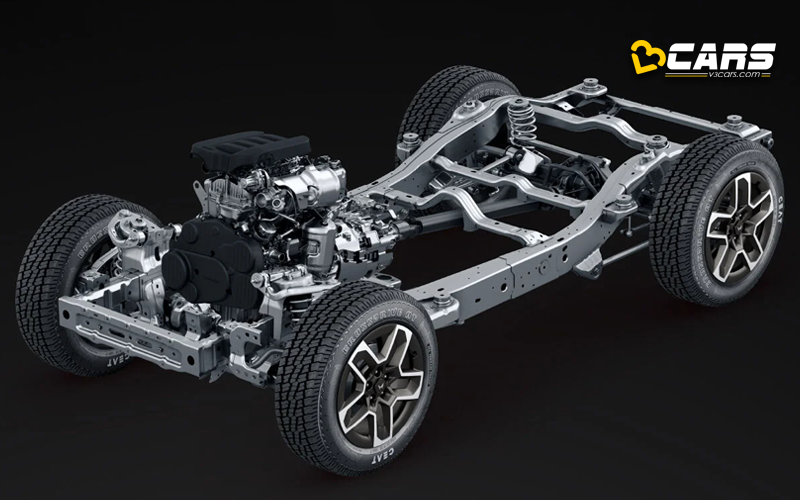
Mahindra quoted the following improvements over the previous frame:
- 5 percent lower frame mass - A lighter frame reduces the weight that the suspension and engines need to manage.
- 9 percent higher bending frequency
- 11 percent higher torsional frequency - The higher bending and torsional frequencies indicate improved stiffness relative to the frame’s mass.
A stiffer foundation should allow the suspension and steering to work more consistently. It is also intended to reduce unwanted flex when the SUV encounters broken roads or uneven terrain.
Revised Front Suspension
The basic suspension architecture remains familiar. The Thar OG continues to use independent double-wishbone front suspension and a solid rear axle.

However, Mahindra have revised several components within this layout. The front suspension uses a combination of softer bushes for ride comfort and stiffer bushes for more direct steering response. It also gets taller steering knuckles, which Mahindra say improve steering feel and cornering ability.
Watts Link Rear Suspension Setup
At the rear, the Thar OG gets a Pentalink suspension with a Watts link. The outgoing Thar used a multilink solid rear axle with coil springs and a stabiliser bar.
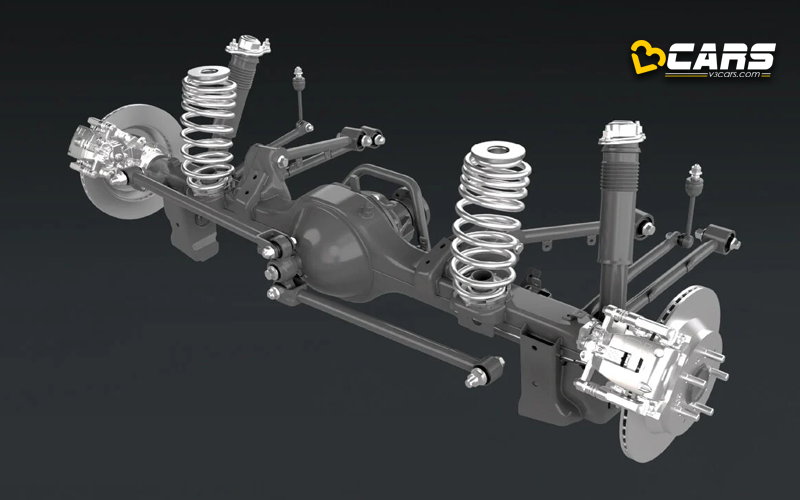
A Watts link controls the sideways movement of a solid rear axle as the suspension moves up and down. It is designed to keep the axle more accurately centred beneath the vehicle. Mahindra say this arrangement should reduce unwanted lateral movement and improve stability while cornering.
The rear dampers are also mounted farther apart, with a quoted span of 1003mm, to help control body roll.
New Davinci Dampers - How Do They Work?
The Thar OG gets what Mahindra call Davinci damping technology. The system uses a revised piston-valve design to vary the damping force according to suspension movement.
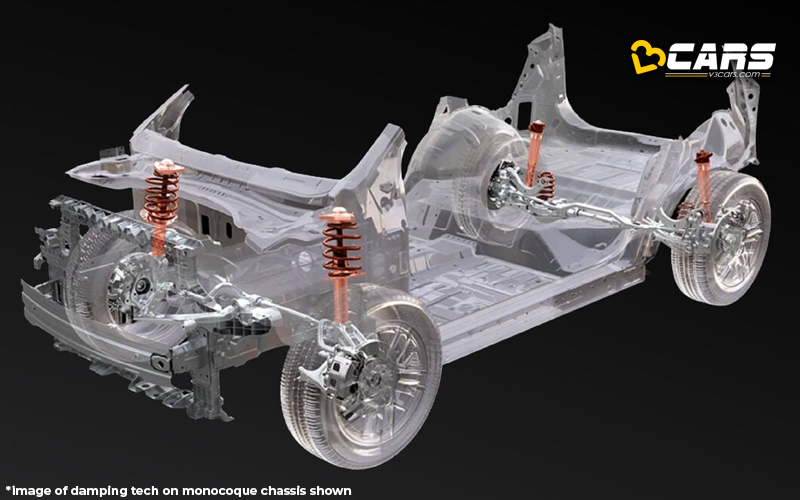
At low piston speeds, the dampers are designed to provide greater resistance and control larger body movements. At higher piston speeds, they can reduce damping force to absorb sharper impacts more comfortably.
This approach is intended to balance body control with ride comfort instead of using a single damper setting for every situation.
Frequency Dependent Damping
Frequency Dependent Damping (FDD) distinguishes between lower-frequency body movement and higher-frequency wheel movement.
In simple terms, it is designed to control body movement during cornering and direction changes while allowing the wheels to absorb smaller, faster bumps. The standard Davinci dampers are available across the range, but FDD is exclusive to the ZXT variant.
Hydraulic Electric Power Steering
The Thar OG switches to electric power steering across all 3 variants.
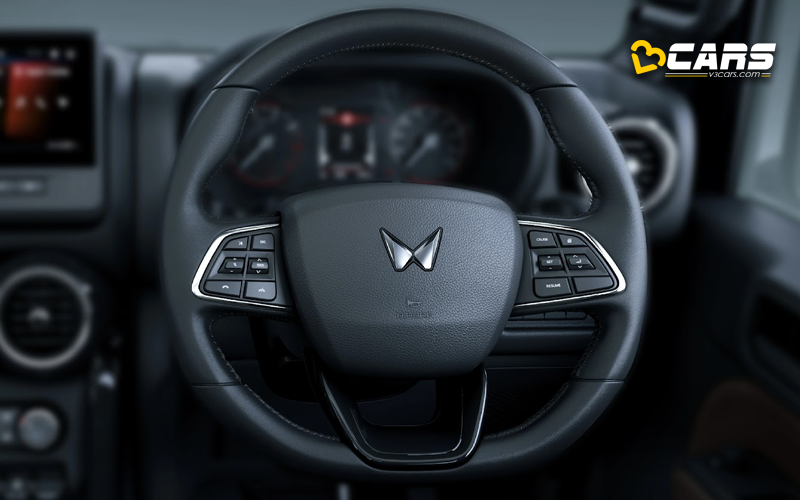
Mahindra say the new steering system requires less effort and offers better on-centre response, improved returnability and greater precision. The steering rack has also been moved closer to the wheel centre to improve steering linearity.
The lower steering effort should make the Thar easier to manoeuvre in traffic and through tight off-road sections. However, its actual feedback and consistency will need to be assessed in a road test.
Wider Track And New 19-inch Wheels
Mahindra have widened the Thar OG’s track, with the front and rear track now measuring 1580mm. A wider track is generally intended to improve lateral stability and reduce body roll while also giving the SUV a broader stance.
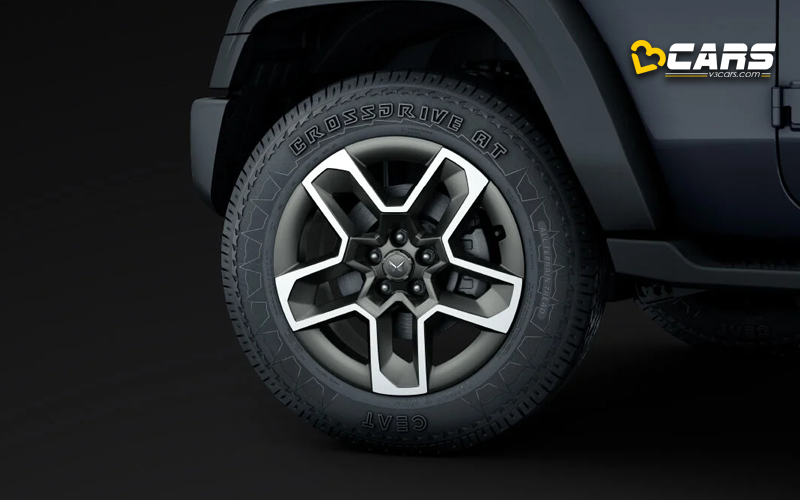
The AXT and LXT RWD variants get 255/65 R18 highway-terrain tyres, while the LXT 4WD gets 255/65 R18 all-terrain tyres. The ZXT gets larger 255/60 R19 all-terrain tyres. While the 19-inch wheels add visual presence, ride quality will also depend on how effectively the new dampers compensate for their lower-profile sidewalls.
New On-Road And Off-Road Drive Aids
Mahindra have introduced several other mechanical and electronic changes alongside the revised chassis and suspension.
The LXT and ZXT 4WD variants get an electronic locking differential on the rear axle. It can lock both rear wheels together to help the Thar move when one wheel has limited traction.

These variants also get Mud, Sand and Snow terrain modes. The modes alter the traction control, steering, automatic transmission shifts and accelerator response for different surfaces. The RWD versions of the LXT and ZXT with the 2.0L petrol and 2.2L diesel engines also get Terrain Assist and Zip and Zoom drive modes.
All variants get electronic stability control with rollover mitigation, traction control, hill hold and hill descent control. AXT and LXT variants carry over the previous front disc/rear drum brakes setup, while the new ZXT variant gets disc brakes all around.
More Power, More Torque
The 2.0L turbo petrol and 2.2L diesel engines are more powerful too:
Both now produce 330Nm of torque, which should translate to stronger acceleration on the road and improve performance over steep or loose terrain.
Will The Thar OG Actually Drive Better?
On paper, Mahindra have addressed several areas that influence how a body-on-frame SUV behaves. The Thar OG combines a lighter and stiffer frame with revised suspension geometry, a Watts link, new dampers and electric power steering.

These changes are intended to improve ride comfort, steering precision, cornering stability and control over uneven terrain. However, their real-world effectiveness can only be judged after driving the Thar OG on familiar roads and comparing it with the outgoing model. Stay tuned!
Also Read: 2026 Mahindra Thar OG Launched At Rs. 10.32 Lakh
Before you finalise your next car, these V3Cars tools can help you make a more informed decision:
Fuel Cost Calculator for Cars – Know your monthly fuel expense based on usage and mileage
Car On-Road Price Calculator – Convert ex-showroom to on-road price for any city
Sell Used Car Online – Enter your car and contact details to get an instant price estimate and book a free inspection with our partner network
Did you find this information helpful?

Associate Editor


Siddharth enjoys understanding why certain cars click with buyers and figuring out what makes people actually stop and read or watch automotive content. He also has a soft spot for cars that may not always make logical sense, but still leave a lasting impression. Travelling, photography and exploring new cuisines are among his other passions.
Car News Update
View All Latest News
Mahindra XUV 3XO CNG Gets 5-Star Bharat NCAP Safety Rating
Bharat NCAP has extended the Mahindra XUV 3XO’s 5-star safety rating to its factory-fitted CNG variants, sold as the XUV 3XO ZNG. The CNG version earned 5 stars in both categories, scoring 29.36 out of 32.00 for adult occupant protection and 45.00 out of 49.00 for child occupant protection.
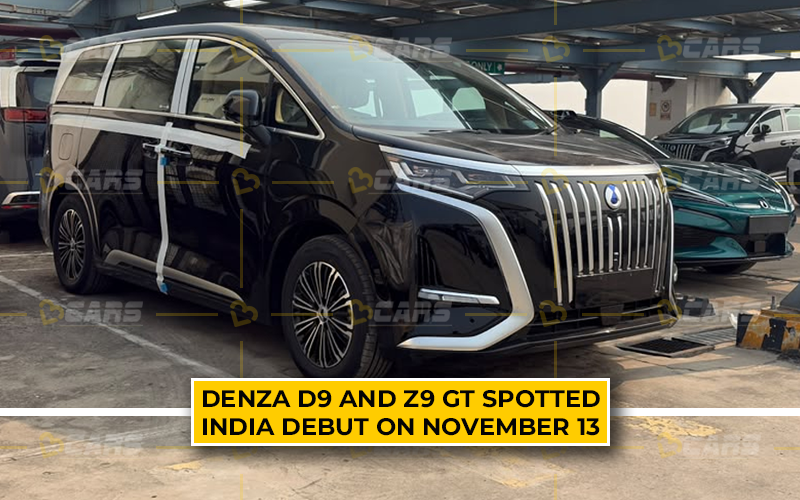
Denza D9 And Z9 GT Spotted At Dealer Yard Ahead Of India Debut
V3Cars have obtained exclusive photos of at least 3 Denza D9 electric MPVs at a dealer yard. A green Denza Z9 GT, the brand’s high-performance electric estate, is parked nearby. BYD’s luxury brand will make its India debut in Mumbai on November 13, 2026.

November 2026: VinFast VF MPV 7 Electric Price Change - Reduced By Rs. 4.10 Lakh
VinFast have revised the prices of the VF MPV 7 Electric for November 2026. The VF MPV 7 Electric with the 60.13kWh battery pack received a price cut of Rs. 4.10 lakh, making it significantly more affordable.
The VinFast VF MPV 7 Electric 2026 price now stands at Rs. 20.39 lakh, down from its previous price of Rs. 24.49 lakh. In percentage terms, the price reduction stands at 16.74%.

Toyota Innova Crysta Limo Launched For Fleet Customers; Prices Remain Unchanged
Toyota have introduced the Innova Crysta Limo, a dedicated offering for fleet and commercial mobility customers. Available exclusively in the GX-SLF variant, the new Limo branding aims to give Toyota’s professional mobility offering a distinct identity.

Hyundai Introduce Usage-Based Car Insurance For Bluelink Users
Hyundai have introduced usage-based insurance for owners of Bluelink-connected cars across their range. It lets insurance companies offer up to 15 percent off the own-damage premium at renewal, depending on the car’s driving score on the Bluelink app.

2027 Kia Sonet Spied Testing – New Design, Split Headlamps, Curved Screen Expected
Kia have begun testing the 2nd-generation Sonet in India ahead of its expected launch in 2027. The latest spy shots of the upcoming B2-segment SUV reveals several changes to its exterior design.
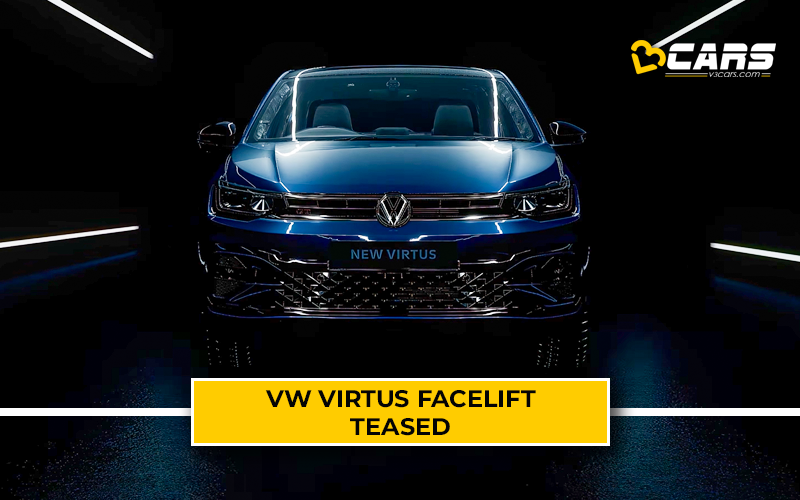
2026 Volkswagen Virtus Facelift Teased Ahead Of Launch
Volkswagen have released a teaser of the updated Virtus, offering an early look at the facelifted sedan’s revised styling. The 2026 Virtus facelift is expected to make its India debut in late November, ahead of an early-December launch.
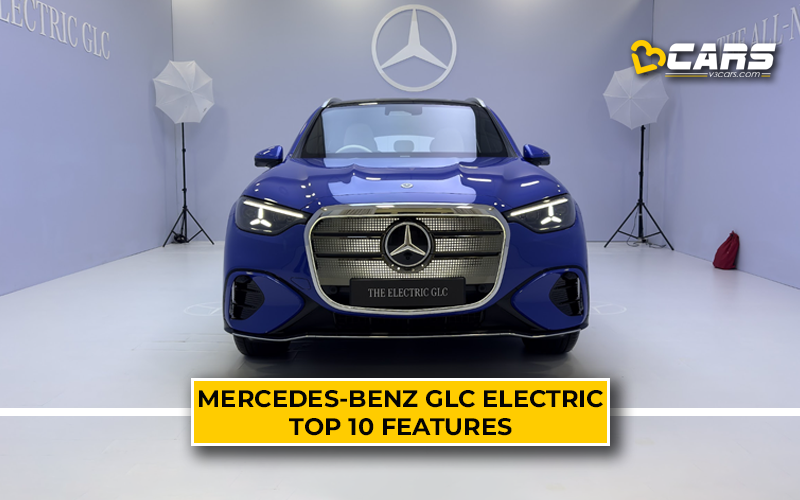
Top 10 Features Of Mercedes-Benz GLC 400 4Matic Electric SUV
Mercedes-Benz have launched the GLC Electric in India at Rs. 78.50 lakh (ex-showroom). The electric SUV comes in the GLC 400 4MATIC variant with AMG Line styling and a 94kWh battery.

Mercedes-Benz GLC Electric Launched In India At Rs. 78.50 Lakh
Mercedes-Benz have launched the GLC Electric in India at Rs. 78.50 lakh (ex-showroom). The electric SUV comes in the GLC 400 4MATIC variant with AMG Line styling and a 94kWh battery. It offers 4-wheel drive and a claimed WLTP range of 711km. Locally assembled at Chakan, Pune, it joins the existing petrol and diesel GLC in the brand’s India lineup. Here’s a look at its price, range, charging capabilities and key features.
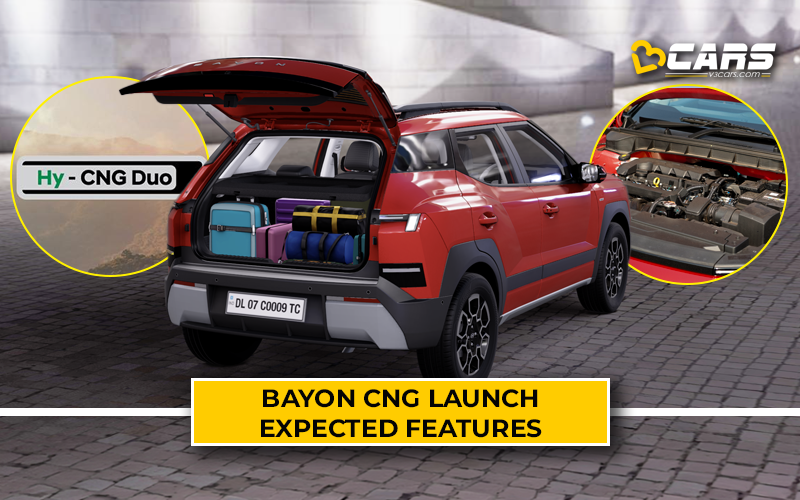
Hyundai Bayon CNG - Expected Price, Engine, Boot Space And Features
Hyundai will launch the Bayon CNG in January 2027, expanding the SUV’s powertrain lineup beyond petrol-manual and petrol-CVT options. The CNG version is expected to use the existing 1.5L engine, with lower power and torque outputs. For buyers considering it, the price premium, luggage space and variant-wise features will matter alongside mileage. Here’s what we know and what to expect from the upcoming Hyundai Bayon CNG.

Nissan Offer Free CNG Retrofitment On Select Magnite And Gravite Variants This Festive Season
Nissan Motor India have announced a limited-period festive offer that provides CNG retrofitment at no additional cost on select variants of the Magnite and Gravite. The offer, valid until November 16, 2026, covers government-approved CNG kits worth Rs. 74,999 for the Magnite and Rs. 85,999 for the Gravite.
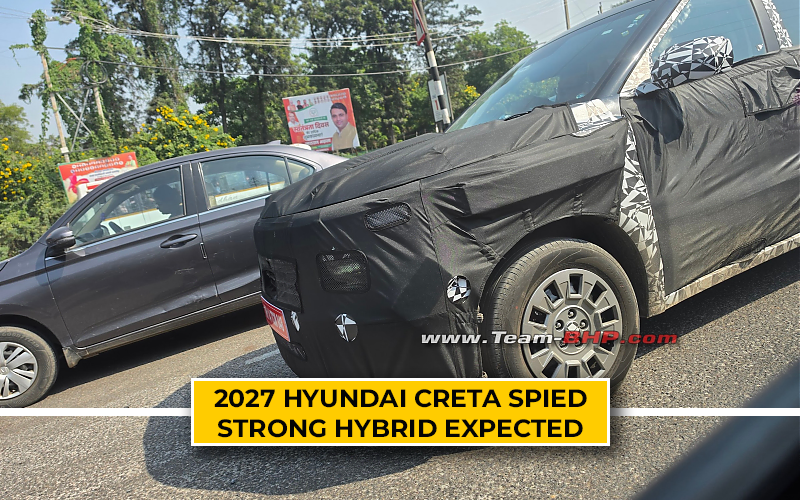
2027 Hyundai Creta Spied – Pleos Connect, Strong Hybrid Powertrain Expected
The next-generation Hyundai Creta was spotted testing in Manali recently, revealing fresh exterior design details. The 3rd generation Creta will launch in India in April 2027 and is expected to be positioned above the new Bayon 2026.
Expert Car Reviews
View All Car Reviews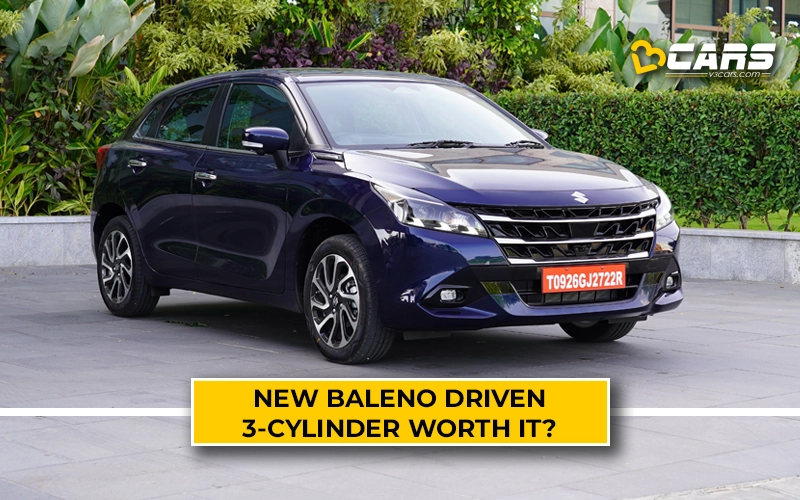
2026 Maruti Baleno Facelift Photo Gallery - Design, Features And Drive Review
The 2026 Maruti Baleno facelift gets a new 1.2L 3-cylinder petrol engine, level 2 ADAS and ventilated front seats. We drove it to see whether the new engine and added features make up for the loss of the old 4-cylinder’s refinement.
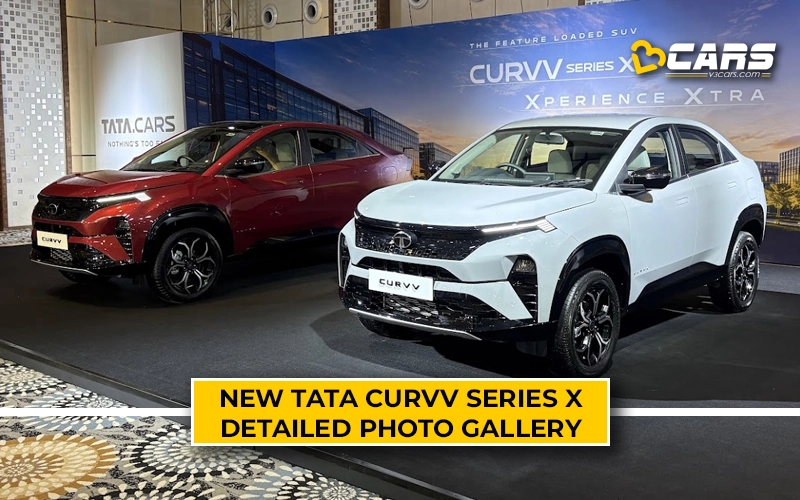
2026 Tata Curvv Series X Photo Gallery - Exterior, Interior And Features
Tata have launched the 2026 Curvv Series X with a simpler variant lineup and several features moved further down the range. We got a closer look at the new Curvv Series X, including the Pure X Plus and Creative X Plus variants. In this detailed photo gallery, we take you through their exterior differences, interior, features, rear-seat space and the construction of Tata’s R-Comfort seats.

2026 Maruti Brezza Facelift Worth Buying?
The 2026 Maruti Brezza adds a 1.0L turbo petrol engine, more features and a 5-star Bharat NCAP rating. Its underbody CNG cylinder also frees up the full 328L boot. However, not every powertrain and variant offers equally strong value. We explain which Brezza to buy and when a rival makes more sense.
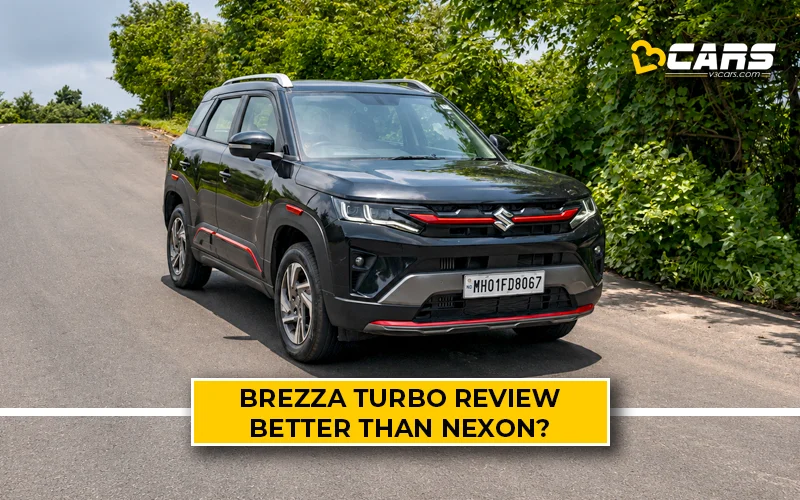
2026 Maruti Arena Brezza 1.0L Turbo Manual First Drive Review
We drove the 2026 Maruti Arena Brezza with its new 1.0L turbo petrol engine and 6-speed manual transmission. We covered roughly 50km over about 2 hours at speeds representative of typical city driving. Here are my impressions of its performance, refinement, mileage, highway manners, ride and everyday usability.
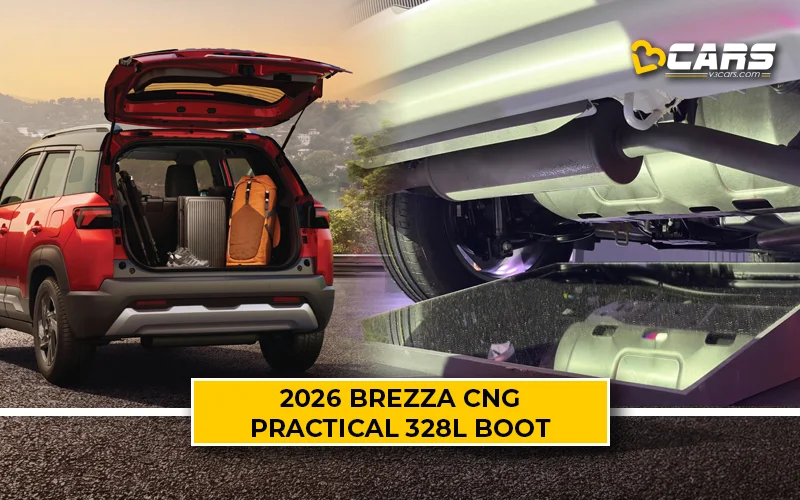
2026 Maruti Brezza CNG 328L Boot Space Explained
The 2026 Maruti Brezza CNG now has its cylinder mounted below the body, allowing it to retain the petrol version’s full 328L boot space. We examine the practical improvement, dimensions, ground clearance and boot-related features offered with each CNG variant.
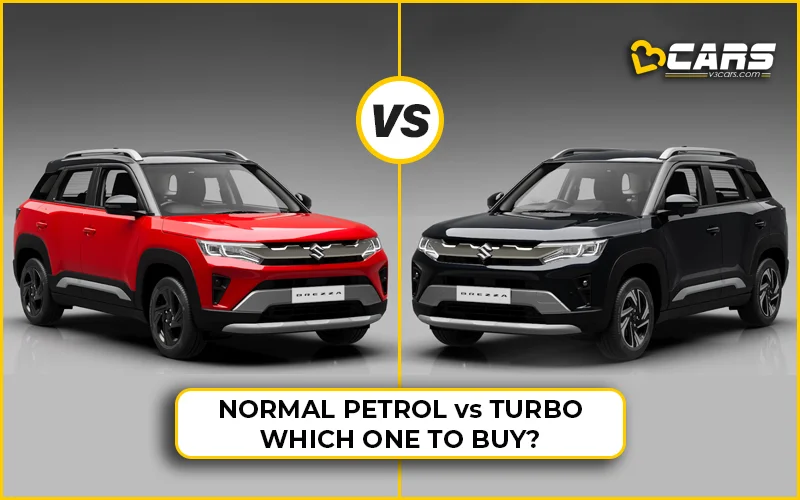
2026 Maruti Brezza 1.0L Turbo Vs 1.5L Petrol - Which One To Buy?
The 2026 Maruti Brezza offers a new 1.0L turbo petrol engine alongside the familiar 1.5L normal petrol. Both engines come with a new 6-speed manual transmission. The smaller turbo costs less and offers more power, torque and features, while the 1.5L petrol claims better mileage. We compare the 2 to determine which Brezza petrol-manual makes more sense.
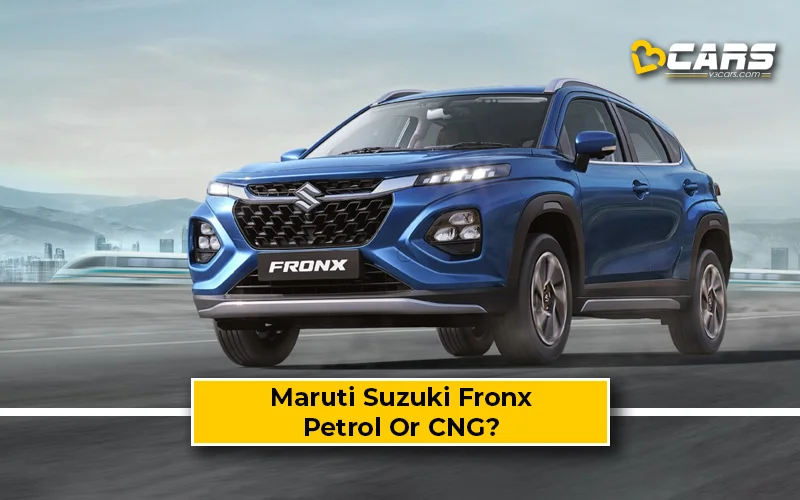
Maruti Arena Fronx Petrol Vs CNG Mileage And Running Cost
If you’re wondering whether to buy the Maruti Suzuki Fronx petrol or CNG, this article will help you make a data-backed decision. We compare the latest ex-showroom prices, official mileage figures and current fuel prices in Delhi to calculate the running cost difference between the Fronx petrol and CNG variants. We also calculate how many kilometres you need to drive the Fronx CNG to recover its higher upfront cost over the petrol variant.

2026 Honda ZR-V Hybrid Photo Gallery
The 2026 Honda ZR-V Hybrid is set to launch in India as Honda’s new flagship SUV on May 22, 2026. Positioned above the Elevate, the ZR-V will rival premium SUVs like the Volkswagen Tiguan R-Line and Skoda Kodiaq with its strong hybrid powertrain, premium interior and advanced features. In this detailed photo gallery, we take a closer look at the ZRV Hybrid’s design, cabin, practicality, safety features and hybrid technology.
2026 Tata Punch EV Variant-Wise Powertrain Options – Battery, Range & Specifications
The 2026 Tata Punch EV is available with multiple battery pack and motor configurations, giving buyers the flexibility to choose between affordability and longer driving range. Depending on the variant, the new Punch EV offers different power outputs, battery capacities and claimed range. In this article, we break down the 2026 Punch EV’s variant-wise powertrain options and check out which variants get the 30kWh and 40kWh battery packs, along with their performance specifications, so you can pick the variant that best suits your needs.

Maruti Fronx 1.0L Turbo Petrol-Auto Mileage Test: Real World City, Highway Fuel Efficiency
In this article, we’ll present the data based on V3Cars mileage test and inform you about what real-world fuel efficiency you can expect from the Maruti Fronx 1.0L turbo petrol-automatic in city and highway driving conditions. We’ll also find out how much the mileage numbers deviate from the manufacturer-claimed fuel efficiency figures. The information presented in this article will also help you learn about the mileage differences you can expect when driving in the city vs driving on the highway.

10 Features New Kia Syros Gets Over Kia Sonet
Kia unveiled their all-new B2-segment SUV, the 2025 Syros, on December 19, 2024. While Kia India are yet to reveal the variant-wise prices of the 2025 Syros, it is expected to slot in between the Sonet B2-SUV and Seltos C-SUV.
Hyundai Exter 1.2L Petrol-Auto Mileage Test: Real World City, Highway Fuel Efficiency
In this article, we’ll present the data based on V3Cars mileage test and inform you about what real-world fuel efficiency you can expect from the Hyundai Exter 1.2L petrol-automatic in city and highway driving conditions. We’ll also find out how much the mileage numbers deviate from the manufacturer-claimed fuel efficiency figures. The information presented in this article will also help you learn about the mileage differences you can expect when driving in the city vs driving on the highway.







Popular News
Mahindra Thar Roxx (Thar 5-door) Expected Price — #WithLogic (Updated: Jul 29)

5 Missing Features In Mahindra XUV700 Over Scorpio N

Top 5 Features Scorpio N Misses But The Tata Safari Gets

Top 5 Differences – Maruti Suzuki Grand Vitara Vs Toyota Urban Cruiser Hyryder

Maruti Suzuki Grand Vitara Ex-Showroom Price Leaked Ahead Of July 20 Debut

6 Missing Features In 2022 Hyundai Venue Facelift
Maruti Suzuki Grand Vitara Expected Prices
2022 Toyota Urban Cruiser Hyryder Expected Prices — Mild Hybrid, AWD And Mild Hybrid Auto

Kia Seltos Facelift Launch In 2023

2022 Mahindra Scorpio - First Teaser Drops Ft. Amitabh Bacchan
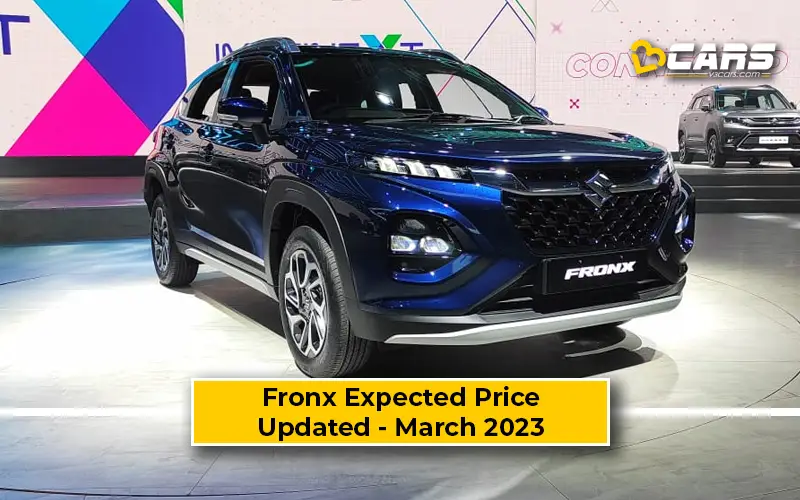
Updated Maruti Nexa Fronx Expected Price Calculation (Variant-wise) - With Logic

7 Missing Features In Hyundai Creta Over Toyota Urban Cruiser Hyryder
Latest Car News
Mahindra XUV 3XO CNG Gets 5-Star Bharat NCAP Safety Rating
Denza D9 And Z9 GT Spotted At Dealer Yard Ahead Of India Debut
November 2026: VinFast VF MPV 7 Electric Price Change - Reduced By Rs. 4.10 Lakh
Toyota Innova Crysta Limo Launched For Fleet Customers; Prices Remain Unchanged
Hyundai Introduce Usage-Based Car Insurance For Bluelink Users
2027 Kia Sonet Spied Testing – New Design, Split Headlamps, Curved Screen Expected
2026 Volkswagen Virtus Facelift Teased Ahead Of Launch
Top 10 Features Of Mercedes-Benz GLC 400 4Matic Electric SUV
Mercedes-Benz GLC Electric Launched In India At Rs. 78.50 Lakh
Hyundai Bayon CNG - Expected Price, Engine, Boot Space And Features
Nissan Offer Free CNG Retrofitment On Select Magnite And Gravite Variants This Festive Season
Comments
0 comments